
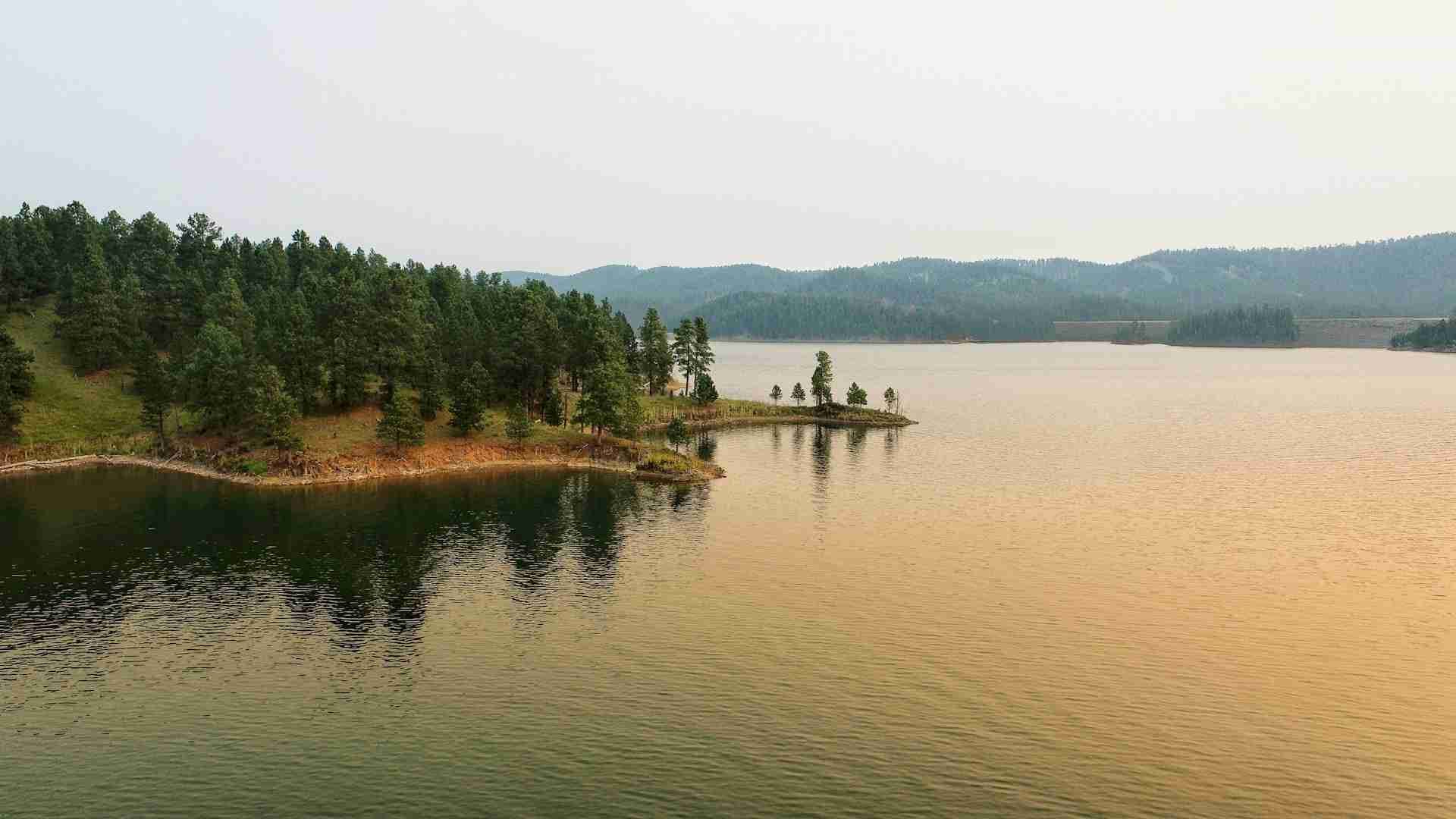
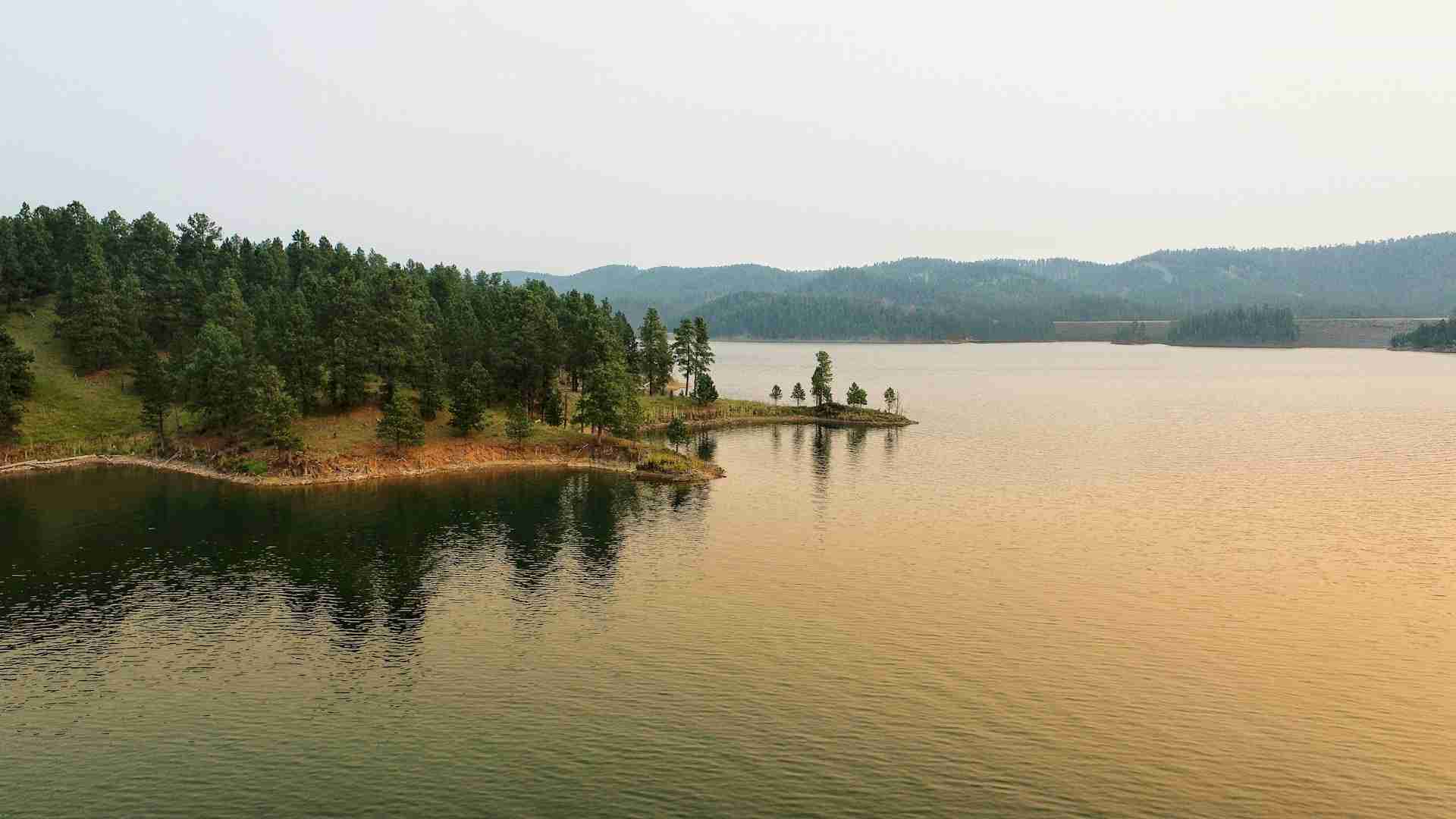
Tucked into the rolling terrain of the Black Hills National Forest, Pactola Lake is the largest reservoir in western South Dakota and one of the region's most visually compelling destinations for landscape photography. Its deep blue waters, forest-lined shores, and surrounding granite ridges provide photographers with a variety of compositions ranging from wide panoramas to intricate shoreline textures. With over 14 miles of irregular shoreline, quiet coves, and dramatic hilltop vistas, Pactola offers more than just postcard scenery—it invites deliberate exploration through changing light, weather, and elevation. Whether you're drawn to mirror-like water at dawn or storm-lit clouds over pine-draped hills, this high-altitude lake rewards patience and creative framing.
Best Photography Opportunities
• Overlook View from Pactola Point
: This overlook on the south shore offers one of the most dramatic panoramic perspectives of the lake and surrounding hills. From this elevated position, you can capture sweeping views of the reservoir's serpentine shape, with inlets and forested ridgelines cascading into the distance. A wide-angle lens exaggerates the sense of scale and helps you work in the massive open sky, which frequently fills with moving cloud formations that add a sense of depth and motion to your images. During sunrise or sunset, the warm side light strikes the hills at an angle, carving out their form and revealing subtle changes in elevation. In autumn, the point becomes especially photogenic, with stands of golden aspen creating natural accents across the frame.
• Shoreline Compositions with Driftwood and Granite
: Along the eastern and northern banks of the lake, access to the shoreline reveals a treasure trove of foreground materials for textured compositions. Sun-bleached driftwood, granite boulders, and tufts of grass break up the visual uniformity of the water's edge. These natural elements are ideal for leading the eye into the background, especially when used to anchor long exposure shots at sunrise or sunset. Positioning your tripod low to the ground can emphasize the tactile detail in rocks and wood while allowing the distant ridges and sky to fill the upper third of your frame. Morning fog or late afternoon backlighting gives this section of the lake a soft, contemplative mood that's ideal for more intimate landscapes.
• Reflections from the Marina Basin
: Located on the lake's western shore, the marina offers some of the calmest water conditions, especially early in the morning before boating activity begins. The protected cove creates a near-perfect mirror of the adjacent hills, boats, and sky. You can use this symmetry for highly graphic compositions or break it intentionally for a more dynamic image. Shooting just before sunrise often delivers the most vivid color gradients in the sky, which double in intensity when reflected on the glassy surface. This area is also suitable for longer exposures to flatten the water and isolate individual boats or docks, producing minimalist compositions with strong horizontal lines.
• Sunset Across the Western Shore
: The western edge of Pactola Lake becomes a luminous palette in the final hour of daylight, with golden hues igniting the sky and casting dramatic reflections across the water. From the eastern bank, you can capture silhouettes of trees and shoreline against the setting sun. The surface of the lake takes on a liquid metal appearance, with warm tones rippling across the frame. A telephoto lens is useful here to compress the distance between silhouetted foreground and distant light, while also allowing for selective framing of isolated trees, kayakers, or cliff edges. Evenings with scattered clouds often produce dramatic rays and color transitions that elevate the scene from serene to sublime.
• Seasonal and Atmospheric Variations in Hilltop Vistas
: The high ridges surrounding Pactola Lake offer some of the most expansive views available in the Black Hills. In autumn, yellow aspen and rust-colored oaks punctuate the pine forests, creating color harmonies that play beautifully across the curved landscape. Winter brings snow-capped ridgelines and ice-edged water, transforming the scene into a high-contrast, monochromatic study in tone and form. Early spring delivers swirling morning fog and low-angle light that adds dimensionality to the terrain. Hikeable ridges north and east of the lake provide elevated compositions where the sky, forest, and lake intersect. These vistas are particularly compelling when dramatic weather—rolling storms, layered clouds, or patches of mist—adds mood and mystery to the scene.
Best Time to Visit
Pactola Lake is a year-round destination, but the quality of light and seasonal atmosphere change drastically from month to month. Late spring (May to early June) offers vibrant foliage, active cloud patterns, and cool, clear mornings with strong reflections. Water levels are typically high, revealing complex shoreline shapes and allowing easier access to lakeside compositions.
Summer months (June to August) bring longer daylight hours and warmer conditions, ideal for golden hour and twilight photography. However, mid-afternoon light can be harsh, and the lake tends to be busier with recreational activity. Early mornings or late evenings offer the best lighting and the fewest interruptions on the water.
Fall (September to mid-October) is one of the most rewarding times to visit, with changing leaves providing rich color contrast against the evergreens. Cooler temperatures bring foggy mornings and crisp, clear sunsets that accentuate the terrain's form. Winds typically calm during this time, increasing the likelihood of reflection shots.
Winter transforms the lake into a stark, monochromatic landscape, with snow-covered hills and partially frozen surfaces. While access may be limited by weather or closed roads, photographers willing to explore during this season can capture moody, high-contrast compositions in near silence. Early mornings often bring low-lying fog and light frost along the shorelines, which enhance detail in minimalist scenes.
How to Get There
Pactola Lake is located in the Black Hills of western South Dakota, roughly 15 miles west of Rapid City along US Route 385. The drive from Rapid City takes about 30–40 minutes, winding through scenic pine forests with intermittent pull-offs for views along the way.
There are multiple access points around the lake, including the main marina on the western side, the Pactola Point Picnic Area on the south shore, and various parking lots along Highway 385. Most areas are reachable by paved roads, and well-maintained trails lead to shoreline and elevated viewpoints. Some ridge viewpoints require light hiking on unpaved or informal trails; appropriate footwear and caution are recommended, particularly in icy or muddy conditions.
No special permits are required for daytime photography, and the majority of the lake's public areas fall under the jurisdiction of the U.S. Forest Service. Seasonal parking passes or day-use fees may apply in designated recreational areas, especially near the marina or campgrounds.
Recommended Photography Gear
A wide-angle zoom (16–35mm) is ideal for capturing the vast scale of Pactola Lake from elevated viewpoints or for emphasizing foreground elements like rocks and driftwood along the shoreline. This lens also excels when composing with sky and water reflections in mind, particularly during sunrise and sunset.
A mid-range zoom (24–70mm) offers flexibility for both landscape and detail compositions, allowing you to switch between wide views and tighter frames without changing lenses on the trail. It's especially useful when working along the shoreline or photographing boats, docks, and wildlife from moderate distances.
A telephoto lens (70–200mm) is helpful for compressing distant hills, isolating details in stormy skies, or pulling in reflections from across the lake. It also works well during the fall season, when pockets of color can be composed against the darker tones of conifers or rock.
Bring a sturdy tripod for long exposures near water, particularly in the marina and cove areas where reflections can be transformed with slower shutter speeds. A polarizing filter is essential to reduce glare and bring out subtle color in the sky and water. If you're shooting during peak sunlight, consider adding a 3- or 6-stop ND filter to soften movement in clouds or water.
Protective gear like lens cloths, rain covers, and a dry bag are useful, especially when working close to water or during shoulder seasons when weather can shift quickly. Waterproof hiking shoes and layered clothing are also essential for navigating uneven terrain and managing changes in elevation and temperature throughout the day.
Nearby Photography Locations
: Located just 10 miles southeast, Sheridan Lake offers a more intimate setting with dense forest backdrops, secluded coves, and reflective surface conditions ideal for tranquil early morning shots. Its smaller size makes it perfect for experimenting with detail-heavy compositions or moody weather scenes.
: A short drive northwest leads to this dramatic canyon, filled with towering limestone walls, waterfalls, and dense pine forest. It's especially photogenic in autumn when the trees burst into shades of gold, orange, and red. Bridal Veil and Roughlock Falls are highlights.
: Approximately 40 minutes south, this expansive park offers everything from granite spires at Sylvan Lake to open prairies filled with bison and antelope. Ideal for combining landscape and wildlife photography in the same session, especially during golden hour near the Needles Highway.
: Just 30 minutes southeast, Mount Rushmore provides a completely different but highly photogenic opportunity to work with monumental sculpture and shifting light across carved stone. Twilight and early morning bring out the most texture in the mountain's surface.
: For photographers interested in a more rugged hike, the trails around Black Elk Peak provide dramatic elevation, expansive views, and high-altitude compositions that capture the grandeur of the Black Hills landscape. The Cathedral Spires trail in particular offers a unique mix of vertical rock formations and forested ridgelines.
Pactola Lake offers more than a classic mountain reservoir—it delivers solitude, scale, and scene-by-scene variety that reward both precision and patience. With its textured shorelines, shifting skies, and high-elevation perspectives, it remains one of the most versatile and quietly powerful photographic locations in the Black Hills region.
Comments
Loading comments…