
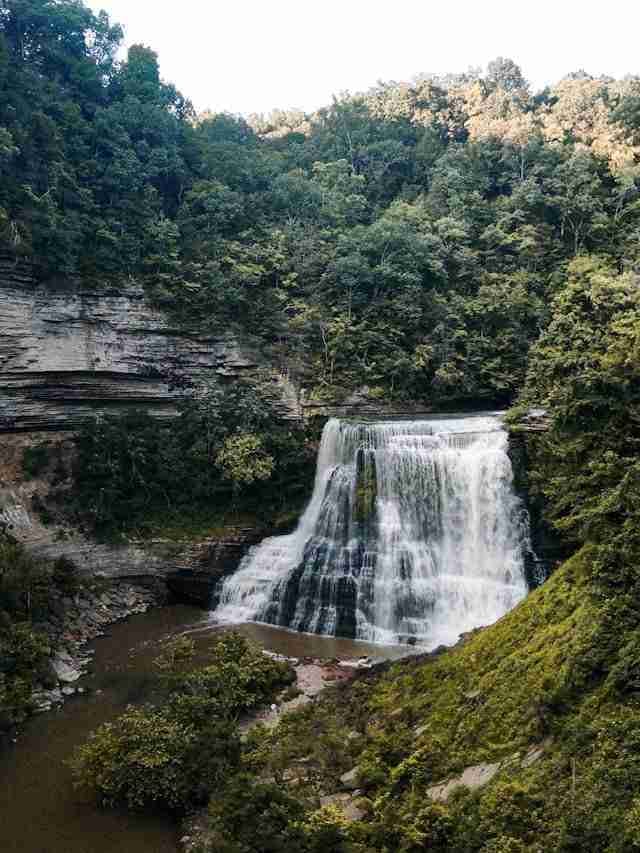
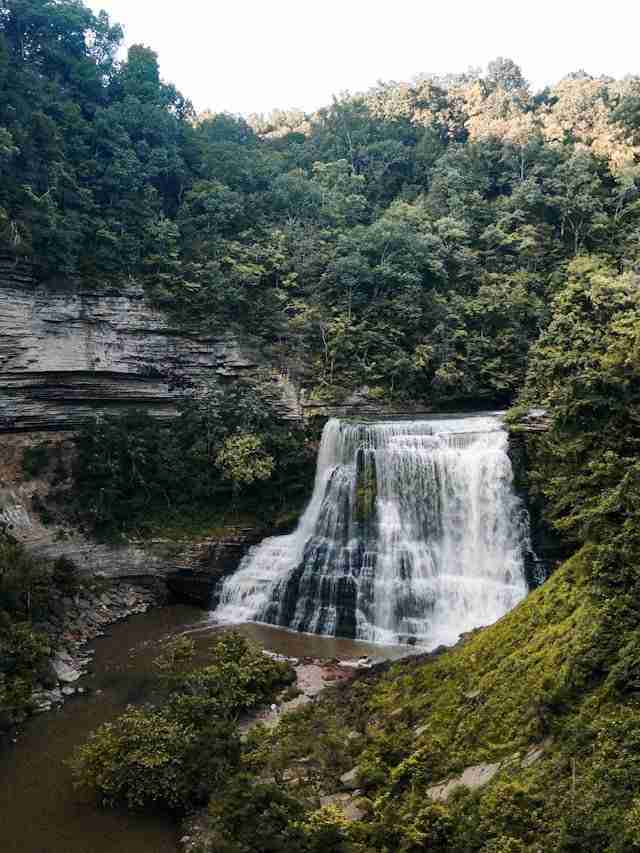
Burgess Falls, located within Burgess Falls State Park in Tennessee, is one of the most stunning waterfalls in the southeastern United States. Cascading 136 feet into a deep limestone gorge, the waterfall is the largest of four along the Falling Water River. Surrounded by lush forests, rugged rock formations, and scenic hiking trails, Burgess Falls offers photographers dramatic compositions and dynamic natural beauty. Whether capturing long-exposure shots of the rushing water or framing the falls with seasonal foliage, this location provides countless opportunities for compelling landscape photography.
Best Photography Opportunities
• Burgess Falls from the Main Overlook
– The primary overlook offers a direct and expansive view of the falls as they plunge into the gorge. The wide perspective allows photographers to capture the waterfall's full scale while incorporating the surrounding rock formations and tree-lined cliffs.
• Long-Exposure Waterfall Photography
– The powerful flow of Burgess Falls makes it an ideal subject for long-exposure photography. Using a tripod and ND filter, photographers can achieve a silky smooth effect on the water, creating an ethereal look that contrasts with the rugged surroundings.
• Mid-Level Views from the River Trail
– A side trail along the Falling Water River provides excellent mid-range perspectives of Burgess Falls. These compositions highlight the river's journey as it cascades through smaller falls before reaching its dramatic final plunge.
• Cascading Waterfalls Along the Trail
– Three smaller waterfalls—First Falls, Middle Falls, and Upper Falls—are found along the trail leading to Burgess Falls. Each offers unique photographic angles, from soft, rolling cascades to sheer rock ledges. These locations are excellent for experimenting with different focal lengths and compositions.
• Autumn Foliage and Spring Wildflowers
– During autumn, the park's dense forests transform into a brilliant display of reds, oranges, and yellows, creating a stunning contrast against the white water of the falls. In spring, wildflowers such as trilliums and bluebells bloom along the riverbanks, adding pops of color to compositions.
• Reflections and Moody Shots at the Base of the Gorge
– While direct access to the base of Burgess Falls has been restricted for safety reasons, photographers can still capture dramatic mist rising from the gorge on cool mornings. Fog rolling through the canyon creates a mystical atmosphere, ideal for moody, atmospheric shots.
Best Time to Visit
Burgess Falls is photogenic year-round, but the best time to visit depends on the desired effect. Spring (March to May) brings the highest water levels, resulting in powerful, full-flowing waterfalls. Summer (June to August) offers lush green landscapes, though water flow may be reduced. Autumn (late September to early November) provides the most visually striking scenery, as fall foliage enhances every composition with vibrant colors. Winter (December to February) offers stark contrasts, with the possibility of ice formations along the falls, creating rare and dramatic imagery.
For ideal lighting conditions, mornings and late afternoons provide the best natural illumination, avoiding harsh midday shadows. Overcast days are perfect for waterfall photography, as diffused light reduces glare and allows for longer exposures without overexposing the highlights in the rushing water.
How to Get There
Burgess Falls State Park is located in central Tennessee, approximately 80 miles east of Nashville and 20 miles south of Cookeville. The park is easily accessible via Highway 135, with well-marked signs leading to the entrance.
A parking lot near the trailhead provides easy access to the main hike, which is approximately 1.5 miles round-trip. The trail is well-maintained, though some sections include uneven terrain and steep drops. Visitors should wear sturdy footwear, particularly if exploring after rainfall when the paths can become slippery.
There is no entrance fee to visit Burgess Falls State Park, making it a budget-friendly destination for photographers and outdoor enthusiasts alike. However, certain activities, such as kayak rentals for river access, may require a separate fee.
Exploring Burgess Falls State Park and the Surrounding Area
Beyond Burgess Falls itself, the park offers additional scenic areas for photographers. The riverbanks feature exposed limestone formations and smaller rapids that provide excellent foreground elements for wide-angle compositions. The observation deck near the falls offers elevated views, while the wooded trails present opportunities for capturing wildlife, including deer, owls, and songbirds.
For those looking to explore further, Center Hill Lake is located nearby and offers peaceful water reflections, dense forests, and beautiful sunrise and sunset vistas. Boating and kayaking on the lake allow for unique perspectives of the rugged Tennessee landscape. The Caney Fork River, just a short drive away, is another excellent spot for nature photography, with calm waters winding through limestone bluffs.
Nearby Photography Locations
– Located just north of Cookeville, Cummins Falls is one of Tennessee's most beautiful swimming hole waterfalls. The multi-tiered cascade and rocky gorge create dramatic, immersive compositions, though access requires a strenuous hike through riverbeds.
– Home to Great Falls, this park features powerful waterfalls flowing over limestone ledges. The combination of rugged rock textures and white water provides excellent contrast for landscape photography, especially in low morning light.
– A vast reservoir with scenic overlooks, secluded coves, and misty morning reflections, Center Hill Lake is an excellent location for tranquil waterscapes and sunrise photography.
– A hidden gem for landscape photographers, this area features towering cliffs, scenic streams, and a series of natural rock formations. The rugged terrain and lush vegetation make it an excellent backdrop for adventure photography.
– One of Tennessee's most famous waterfall destinations, Fall Creek Falls features the tallest free-falling waterfall in the eastern U.S., along with multiple scenic overlooks and hiking trails through deep gorges.
Burgess Falls State Park is a dream location for photographers seeking to capture the raw beauty of Tennessee's waterfalls. Whether shooting dramatic long-exposures of the cascading water, exploring the seasonal changes in the surrounding forest, or seeking out hidden details along the Falling Water River, this park offers endless opportunities for creating striking nature photography.
Comments
Loading comments…