
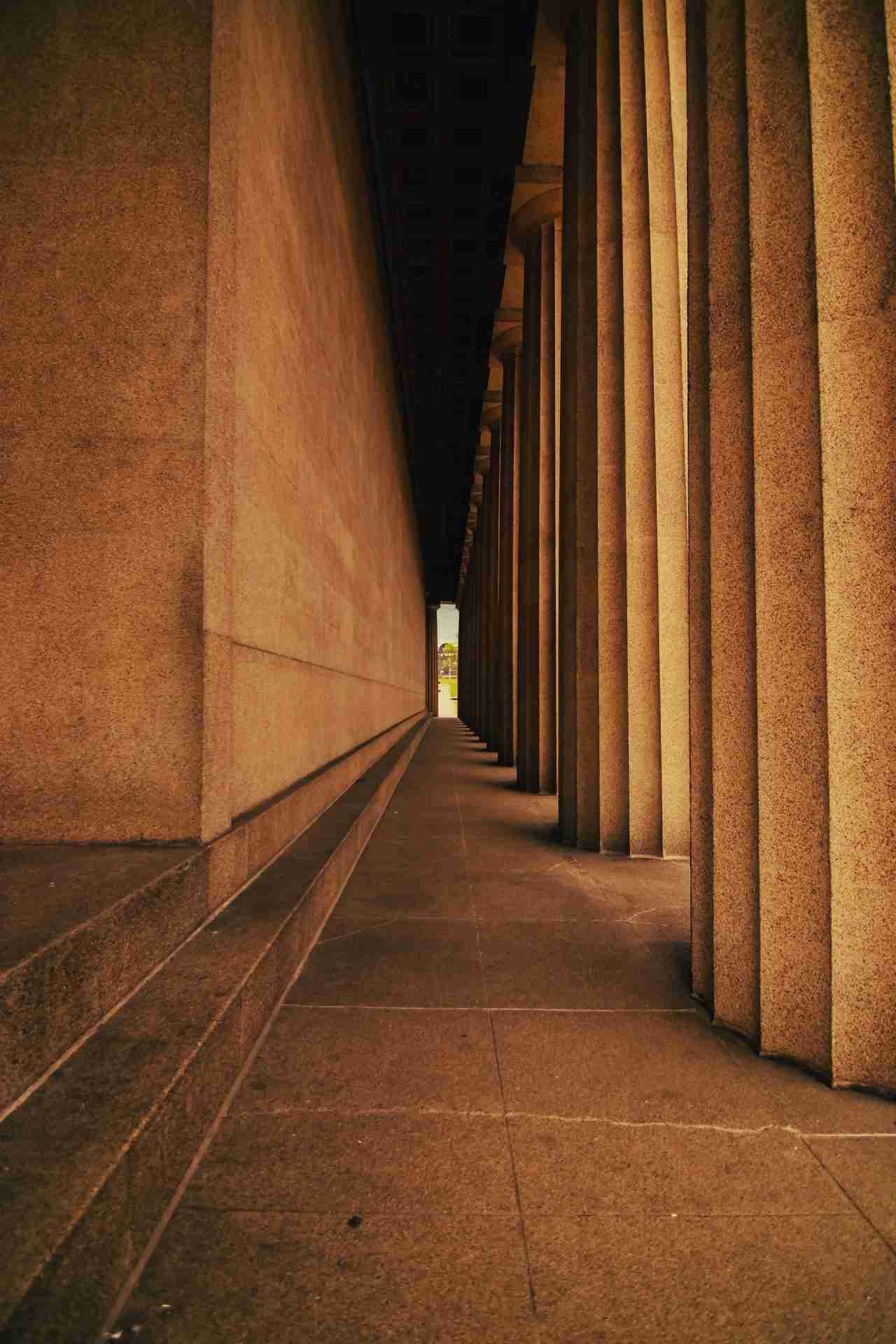
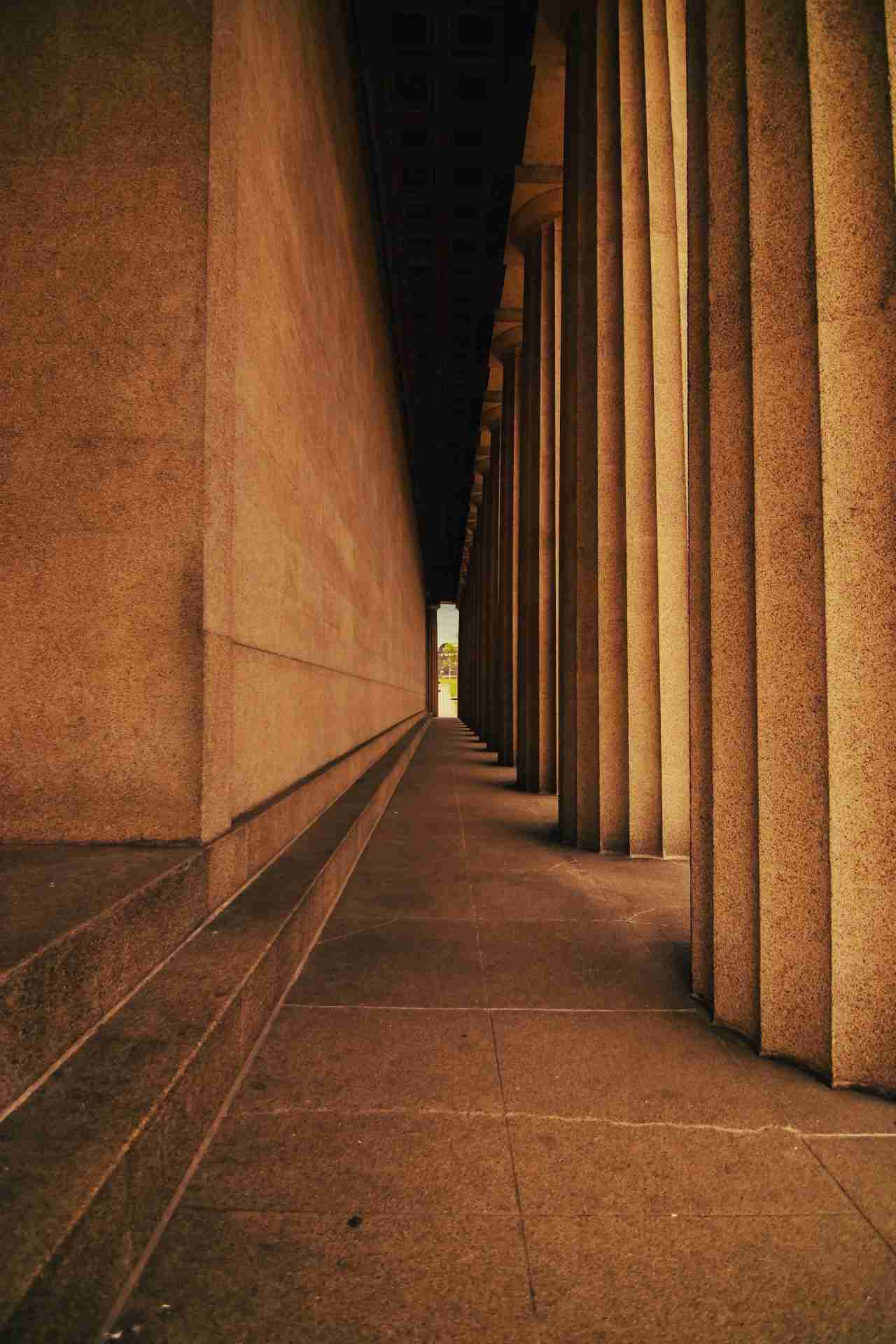
The Nashville Parthenon stands in Centennial Park as a full scale replica of the ancient Parthenon in Athens. It was originally built in 1897 for the Tennessee Centennial Exposition and later reconstructed to become a permanent Nashville landmark. The massive temple rises above the park lawn with rows of classical columns and detailed stonework that closely follow the proportions of the original Greek monument. Inside, the building houses an art museum and a towering statue of Athena, adding another dramatic subject for photographers. Surrounded by open parkland, walking paths, and a peaceful lake, the Parthenon offers a mix of architecture, sculpture, and landscape that works well for a wide range of photographic styles.
Best Photography Opportunities
• View From Across the Lawn – The most recognizable composition of the Nashville Parthenon comes from the wide lawn in front of the temple. From this position the rows of tall Doric columns form a symmetrical façade that closely mirrors the original structure in Greece. Photographing from the center of the lawn creates a balanced composition where the temple fills the frame and the columns line up evenly on both sides. Stepping farther back allows the grass and walking paths to enter the foreground and give the building a stronger sense of scale. This perspective works particularly well when the sky contains some cloud texture behind the temple.
• Columns and Architectural Details – Walking around the building reveals many smaller compositions hidden within the architecture. The stone columns create repeating patterns that can be photographed from angles along the sides of the temple. Looking down the line of columns often produces strong leading lines that guide the viewer's eye through the frame. Carved elements near the roofline and entrances also provide detail shots that highlight the craftsmanship of the structure. These close compositions work well when light and shadow fall across the stone surfaces.
• The Athena Statue – Inside the Parthenon stands a massive statue of Athena, rising more than forty feet high within the central gallery. The gold toned sculpture depicts the Greek goddess standing with a shield and spear, modeled after descriptions of the original statue that once stood in Athens. Photographers can capture the statue from the entrance of the gallery where its scale becomes immediately apparent. Moving closer allows for detail images of the armor, shield designs, and sculpted figures surrounding the base. The interior lighting is soft and even, which helps reveal detail but may require higher ISO settings.
• The Lake in Centennial Park – A small lake sits just east of the Parthenon within Centennial Park and can be used as a foreground element in wider compositions. From certain angles the temple appears across the water with trees and sky reflected in the surface. When the water is calm, these reflections can add another layer to the scene. Including the lake shoreline or nearby bridges can help frame the temple within the park environment. This area also works well during early morning when the park is quieter.
• Night Photography – After dark the Parthenon is lit by exterior lights that highlight the columns and roof line. These lights bring out the texture of the stone and create strong contrast against the night sky. Photographing from the lawn with a tripod allows longer exposures that capture the warm glow across the structure. The lighting emphasizes the vertical lines of the columns and often produces a more dramatic look than daytime images. The park paths around the temple also provide stable ground for setting up a tripod.
Best Time to Visit
Early morning and late afternoon are often the best times to photograph the Nashville Parthenon. Morning light can illuminate the front of the building while the park remains relatively quiet. This makes it easier to photograph the temple without large crowds moving through the scene.
Late afternoon and early evening bring warmer light across the columns and surrounding lawn. Sunset can also produce interesting sky colors behind the temple, especially when clouds move through the area. During summer the park is very active with visitors and events, while spring and autumn often provide more comfortable weather and softer lighting.
How to Get There
The Nashville Parthenon sits in Centennial Park, located west of downtown Nashville in Tennessee. The park is easily accessible by car and is only a short drive from the city center.
Visitors can enter Centennial Park from several surrounding roads, including West End Avenue and 25th Avenue North. Parking areas are available throughout the park within walking distance of the temple. From the parking areas, paved walking paths lead directly to the Parthenon.
Entry to Centennial Park and the exterior grounds around the Parthenon is free. A ticket is required to enter the building and see the interior museum galleries and the Athena statue. Opening hours may vary, so checking the official website before visiting is recommended.
Recommended Photography Gear
A wide lens works especially well for photographing the Nashville Parthenon because the building is large and photographers often stand relatively close to it. A wide lens allows the entire structure to fit within the frame while still including parts of the surrounding park.
A moderate zoom lens can help capture architectural details such as columns, carvings, and smaller sculptural elements. Inside the museum, lighting conditions are dimmer than outside, so a camera that handles higher ISO settings can be helpful. A tripod can also be useful for night photography when capturing the illuminated temple.
Nearby Photography Locations
contains flower beds, stone steps, and landscaped pathways. Photographers can capture seasonal color and garden patterns that contrast with the large architectural presence of the Parthenon. The garden often looks especially vibrant in spring and summer.
lies a short drive from Centennial Park and contains many of the recording studios and offices that shaped Nashville's music industry. The area includes historic buildings, murals, and recording studio signs that make interesting documentary photography subjects.
along the Cumberland River offers views of the Nashville skyline, bridges, and waterfront parks. Photographers can capture reflections in the river and city lights after sunset. The pedestrian bridge across the river also provides elevated views of downtown.
near the Tennessee State Capitol features monuments, fountains, and wide views toward the government buildings of Nashville. The layout of the park creates strong lines that guide the viewer toward the Capitol building in the distance.
• John Seigenthaler Pedestrian Bridge
crosses the Cumberland River and offers one of the best views of the Nashville skyline. Photographers can capture wide cityscapes with the river and downtown buildings filling the frame. Sunset and blue hour are particularly popular times for photographing from the bridge.
Comments
Loading comments…