
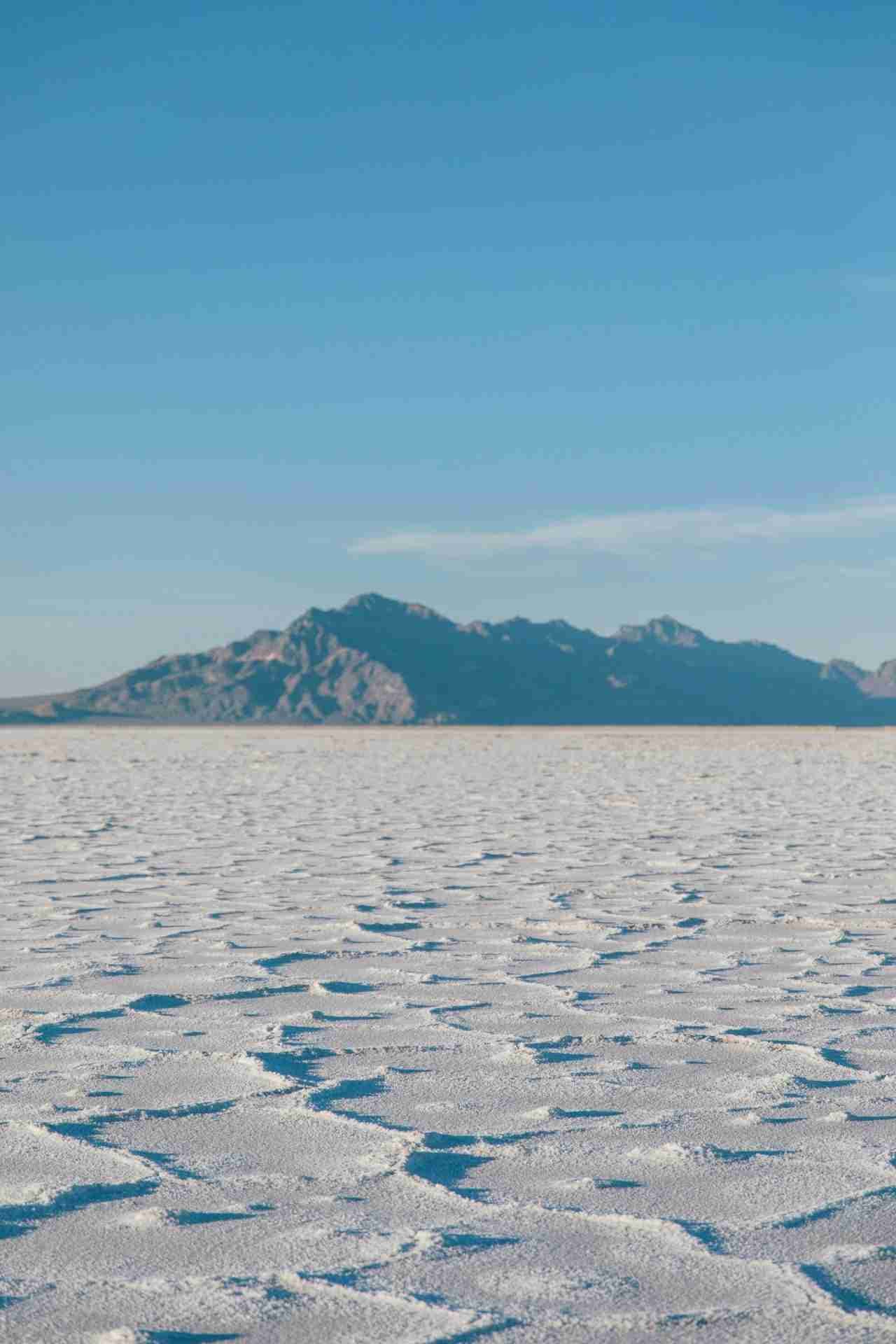
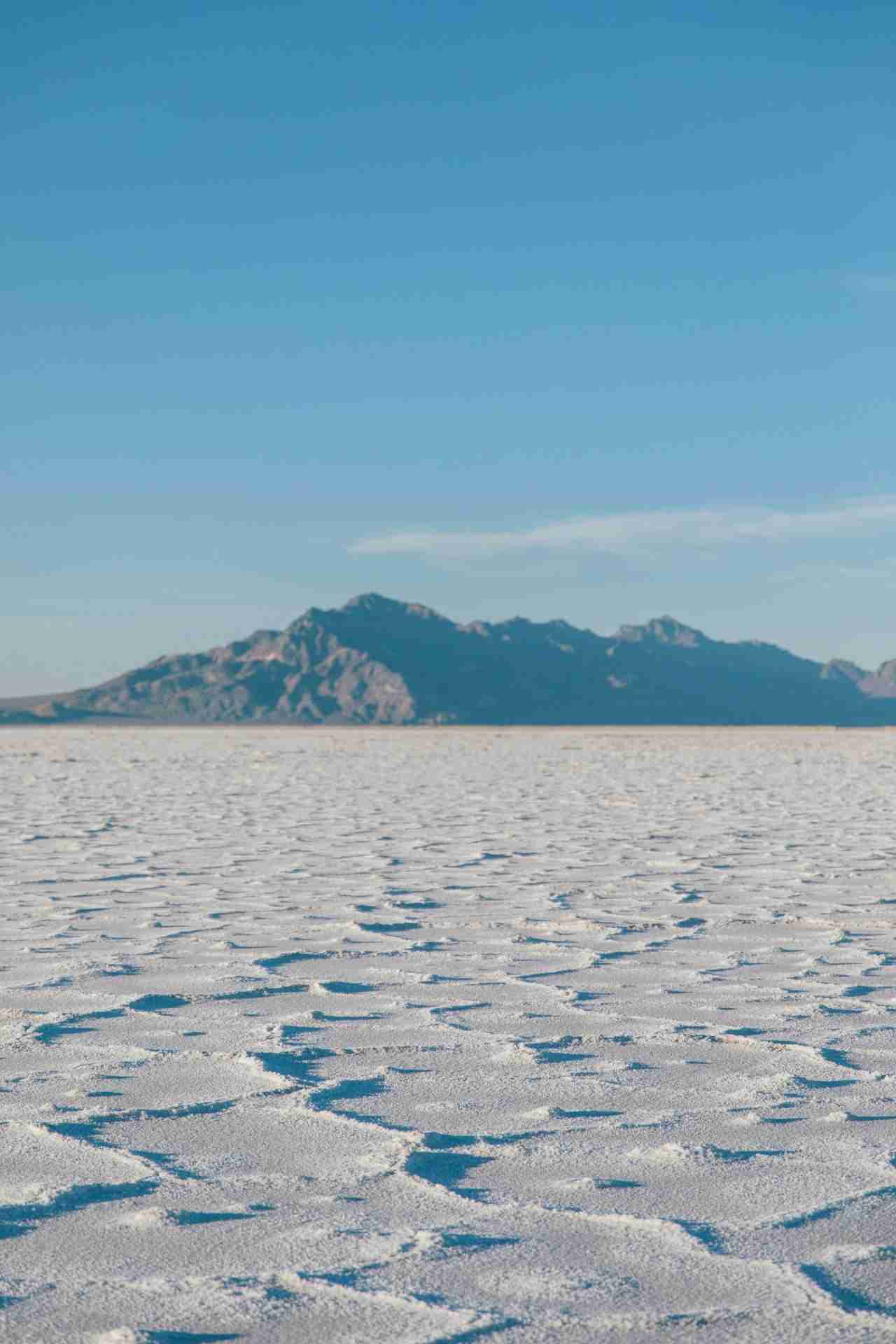
The Bonneville Salt Flats in Utah offer a surreal and otherworldly landscape that is a paradise for photographers. Spanning over 30,000 acres, this vast expanse of salt-crusted terrain creates an infinite horizon, often reflecting the sky in breathtaking symmetry when wet. The stark white ground contrasts beautifully with the deep blue sky, creating a minimalistic yet powerful composition. Whether capturing the flats under dramatic storm clouds, at sunrise or sunset, or using the unique reflections after rainfall, this location provides boundless creative opportunities for landscape, portrait, and astrophotography.
Best Photography Opportunities
• Sunrise and Sunset for Dramatic Colors
– The golden and blue hours provide the most dramatic lighting conditions, as the warm hues of sunrise or sunset blend seamlessly with the white salt crust. The sky often transforms into a gradient of pinks, purples, and oranges, offering vibrant, high-contrast compositions. Shooting during these times also minimizes harsh midday shadows, creating a softer, more even exposure.
• Reflections After Rainfall
– When the salt flats are covered with a thin layer of water, they become a massive natural mirror, reflecting the sky with near-perfect clarity. This effect creates a stunning illusion of walking on clouds and offers endless opportunities for surreal, dreamlike photography. Using a polarizing filter can help enhance the contrast and control reflections, adding depth to your shots.
• Minimalist and Abstract Compositions
– The vast emptiness of the salt flats allows for stunning minimalist photography, where subjects appear isolated against the infinite white backdrop. Wide-angle lenses work well for emphasizing the scale, while using a single focal point—such as a lone person, vehicle, or rock—creates compelling visual tension.
• Astrophotography Under Dark Skies
– With minimal light pollution, the Bonneville Salt Flats offer incredible conditions for astrophotography. Capturing the Milky Way stretching across the sky above the flats can produce striking long-exposure images. On especially still nights when there is standing water, star reflections can add an extra dimension to night shots. A sturdy tripod and wide-aperture lens are essential for maximizing detail in the night sky.
• Storms and Dramatic Weather
– The Bonneville Salt Flats take on an entirely different character under stormy skies. Dark clouds rolling in over the bright white expanse create moody, high-drama compositions. Thunderstorms in the distance, particularly with lightning strikes, make for jaw-dropping time-lapse and long-exposure shots. Checking the weather forecast can help you plan for these dynamic conditions.
Best Time to Visit
The best time to visit the Bonneville Salt Flats for photography depends on the type of images you want to capture. The dry season, typically from late spring to early fall, provides a cracked, textured salt surface that contrasts beautifully against the sky. This is the best time for minimalistic compositions and classic Bonneville landscapes. However, extreme summer heat can make midday shooting difficult, with temperatures often exceeding 100°F (38°C). Morning and evening are the best times to shoot during this season to avoid the harsh light and intense heat.
For those looking to capture the famous mirror-like reflections, the best time to visit is after seasonal rains, usually from late fall through early spring. Winter and early spring bring cooler temperatures and occasional standing water, creating ideal conditions for reflection photography. However, access can sometimes be limited during wet periods, as driving on the salt flats becomes difficult when the surface is saturated.
Night photography is best done during new moon phases when the sky is darkest. Fall and winter typically offer clearer skies, making it easier to capture the Milky Way and other celestial features. Regardless of the season, always check weather and surface conditions before visiting, as storms or heavy rain can change accessibility.
How to Get There
The Bonneville Salt Flats are located in northwestern Utah, near the Nevada border, approximately 110 miles west of Salt Lake City. The most common access point is via Interstate 80, taking Exit 4 toward the Bonneville Speedway. From there, a short drive along a paved road leads to the main access area, where visitors can walk onto the salt flats.
During dry months, driving onto the flats is possible, but it's important to exercise caution. The surface can appear solid while still being soft underneath, and getting stuck in the salt can be difficult to manage. During the wet season, driving is not recommended, as the surface becomes muddy and fragile.
Bonneville Salt Flats is managed by the Bureau of Land Management and is free to visit, though certain areas may be restricted during speed events. Before heading out, it's best to check current conditions, as occasional closures or event restrictions can affect access.
Exploring the Surrounding Area
While the salt flats themselves are the main attraction, the surrounding area offers additional photographic opportunities. The nearby Silver Island Mountains provide an excellent contrasting backdrop to the stark white flats, adding depth and perspective to compositions. Just beyond the flats, Wendover, Utah, features remnants of its aviation and military history, including abandoned structures that can add an urban decay aesthetic to your shots. Sunset photography near the edges of the flats, where the salt meets rugged terrain, can provide a unique interplay of textures and colors.
Nearby Photography Locations
• Great Salt Lake
– About an hour and a half east of the salt flats, the Great Salt Lake offers diverse photography opportunities, including sailboats, wildlife, and the colorful pink and blue hues of the saltwater. Antelope Island, in particular, is a fantastic spot for landscape and wildlife photography.
• West Desert and Ibex Dunes
– South of the salt flats, the remote West Desert features vast open landscapes, rolling sand dunes, and rugged rock formations. Ibex Dunes offer a completely different texture and contrast, with golden sand dunes set against dark volcanic rocks.
– The famous Bonneville Speedway, located within the salt flats, hosts land speed races and offers a chance to photograph vintage and high-performance vehicles against a surreal backdrop. Even outside of events, the speedway area provides fantastic leading lines for photography.
– Rising above the flats to the west, the Goshute Mountains offer breathtaking aerial views of the salt flats from a high vantage point. These rugged peaks provide excellent sunset compositions with a stunning perspective over the endless white expanse.
– Visible from the salt flats, Pilot Peak offers a striking mountain backdrop for landscape photography. Depending on the time of year, its snow-capped summit contrasts beautifully with the barren flats below, creating dramatic compositions.
The Bonneville Salt Flats provide an unparalleled photographic experience, offering everything from minimalistic landscapes to surreal reflections and astrophotography. Whether you capture the salt flats bathed in golden light, beneath a star-filled sky, or mirroring the clouds after a rain, this remarkable location promises unforgettable images and endless creative possibilities.
Comments
Loading comments…