
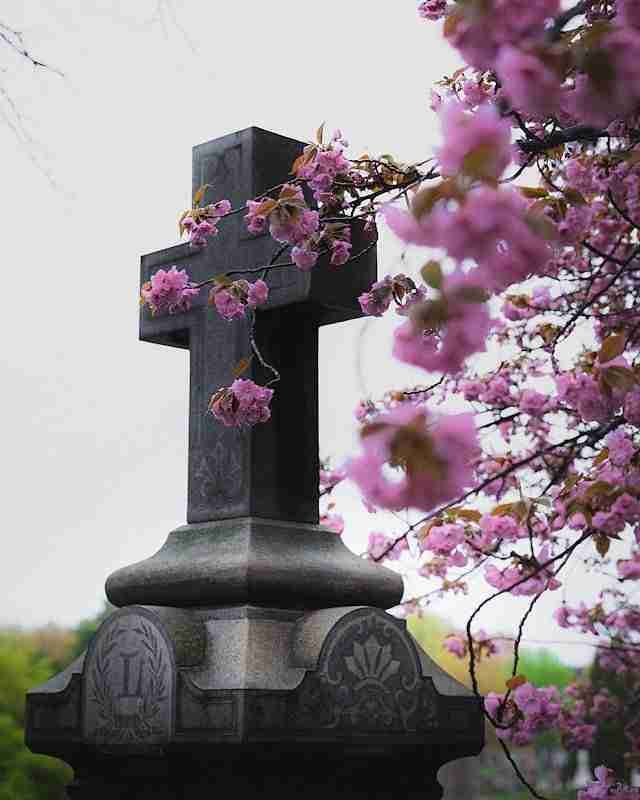
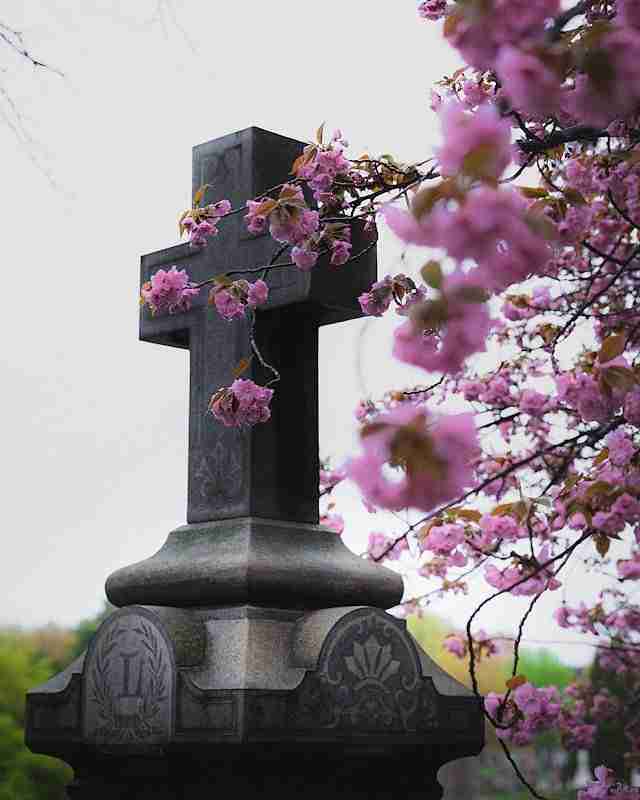
Spanning 35 acres along the Anacostia River in southeast Washington, DC, Congressional Cemetery is a historic and visually evocative burial ground that dates back to 1807. Known for its distinctive rows of weathered headstones, elaborate Victorian memorials, and famous burials—including members of Congress, military leaders, and American cultural figures—the cemetery combines solemn beauty with urban character. It's a place where history feels tangible, and where photographers can explore themes of memory, texture, light, and silence within the ever-changing moods of the capital city.
Best Photography Opportunities
• Obelisk Rows and Headstone Patterns
: One of the most iconic features of Congressional Cemetery is the symmetrical layout of gravestones and obelisks, particularly along the main lanes near the chapel. Use a wide-angle lens to capture the rhythmic repetition of monuments stretching into the distance, especially during golden hour when side light reveals the carved detail and casts long shadows across the grass. Shooting from a low angle with foreground stones can add depth and intimacy to the composition.
• The Public Vault and Historic Mausoleums
: The cemetery's 19th-century Public Vault, once used to temporarily store the bodies of presidents and statesmen, is a focal point for historical architectural shots. Pair it with surrounding mausoleums and iron-gated enclosures to create layered frames that speak to the cemetery's Federal-era roots. A standard zoom or telephoto lens works well to isolate decorative elements and inscriptions, especially in soft morning light.
• Portraiture and Environmental Storytelling
: Congressional is one of the few cemeteries in the United States that encourages respectful, creative use of the space. Environmental portraits framed by aging trees, worn headstones, or along curving gravel paths can be deeply expressive. Overcast days provide ideal lighting for portrait sessions without harsh shadows, while late autumn adds warmth and atmosphere with fallen leaves and muted tones.
• Seasonal Foliage and Morning Mist
: Spring brings flowering dogwoods and cherry blossoms that hang delicately over tombstones, while fall covers the grounds in golden and crimson leaves. Early morning mist often lingers low along the Anacostia River, drifting through the cemetery and catching in shafts of light. These conditions are perfect for ethereal wide shots and mood-heavy compositions that blend light, texture, and atmosphere. Be prepared to shoot quickly as fog burns off with the rising sun.
• Unique Gravestones and Iconic Residents
: Among the cemetery's thousands of markers are unusual monuments—cenotaphs honoring members of Congress, and headstones of historic figures like J. Edgar Hoover, composer John Philip Sousa, and photographer Mathew Brady. Seek out these sites for documentary-style detail shots that tie personal history to national narrative. Use a long lens or open aperture to isolate inscriptions and sculptural features from the background.
Best Time to Visit
Early morning is the most rewarding time to photograph Congressional Cemetery. Light enters from the east over the river and illuminates the eastern slope of the grounds, revealing surface detail and warming the tones of marble, granite, and limestone. The quiet of morning also offers an undisturbed space for contemplative shooting and long exposures.
Spring and fall are visually the richest seasons. In spring, blossoms soften the scene and add natural framing around graves and paths. In fall, rich foliage color contrasts with stone and sky, and the ground becomes textured with leaves—ideal for wide environmental shots or detail-focused compositions with low angles.
Summer light can be harsh by mid-morning, but early and late golden hours still offer excellent directional lighting. Winter provides stark visual minimalism: bare branches, long shadows, and weathered stone under frost or snow. This season works particularly well for black-and-white photography or high-contrast architectural studies.
How to Get There
Congressional Cemetery is located at 1801 E Street SE, Washington, DC, just east of Capitol Hill and along the Anacostia River. It is easily accessible via the DC Metro—take the Blue, Orange, or Silver lines to Potomac Avenue Station and walk a few blocks south to the entrance.
Limited parking is available onsite via the main gate on E Street SE. The cemetery is open to the public daily during daylight hours, and entrance is free. The grounds are maintained by the Association for the Preservation of Historic Congressional Cemetery, which also supports photography, historical research, and guided tours.
Tripods are permitted for non-commercial use, but it's recommended to be discreet and respectful when others are visiting for personal reasons. Dogs are allowed on leash or with proper registration, so keep an eye out for moments of candid life amidst the monuments.
Recommended Gear and Shooting Tips
A wide-angle lens (16–35mm) is excellent for establishing shots of grave rows, chapel views, and overall layout, while a 24–70mm zoom provides flexibility for architectural and portrait work. A telephoto lens (70–200mm) is useful for isolating ornate stonework or compressing visual layers across the property's sloping topography.
A tripod enhances sharpness during low-light or early morning sessions and is essential for bracketed exposures or long-exposure fog shots. A circular polarizer can be used to cut glare on polished stones and enhance leaf or sky contrast, though it should be used carefully when shooting with wide lenses to avoid uneven effects.
Because the cemetery has varied light levels—deep shade beneath trees, bright open lawns, and filtered morning sun—bracketing exposures or using graduated ND filters can help preserve dynamic range in difficult conditions. Overcast skies are a great equalizer here, softening shadows and allowing for more expressive, texture-forward work.
Wear soft-soled shoes and walk lightly; the grass between graves is often uneven, and morning dew can make conditions slippery. Always stay on paths when in doubt, and avoid stepping too close to delicate older stones.
Nearby Photography Locations
: Just beyond the cemetery grounds, this riverside path offers peaceful views, bridges, and reflective water surfaces—excellent for sunrise and misty morning compositions.
: A short walk northwest, this historic residential area features Victorian townhomes, wrought iron fences, and tree-lined streets perfect for architectural detail work and street photography.
: Just a few blocks away, this vibrant market offers a great contrast to the quiet cemetery, with colorful produce stalls, artisan displays, and street activity—best photographed in soft morning light or late afternoon.
: Located north of the cemetery, this open square features monuments, historic trees, and symmetrical paths that are ideal for wide landscape compositions or environmental portraits.
: East of the cemetery across the river, these protected parklands offer wooded trails, wetlands, and birdlife—perfect for nature photography or soft, moody landscapes.
Congressional Cemetery is more than a resting place—it's a layered visual and historical landscape that invites both quiet reflection and bold compositional exploration. With its aged stones, textured trees, and echoes of American history, it remains one of Washington, DC's most rewarding and underrated photography locations.
Comments
Loading comments…