
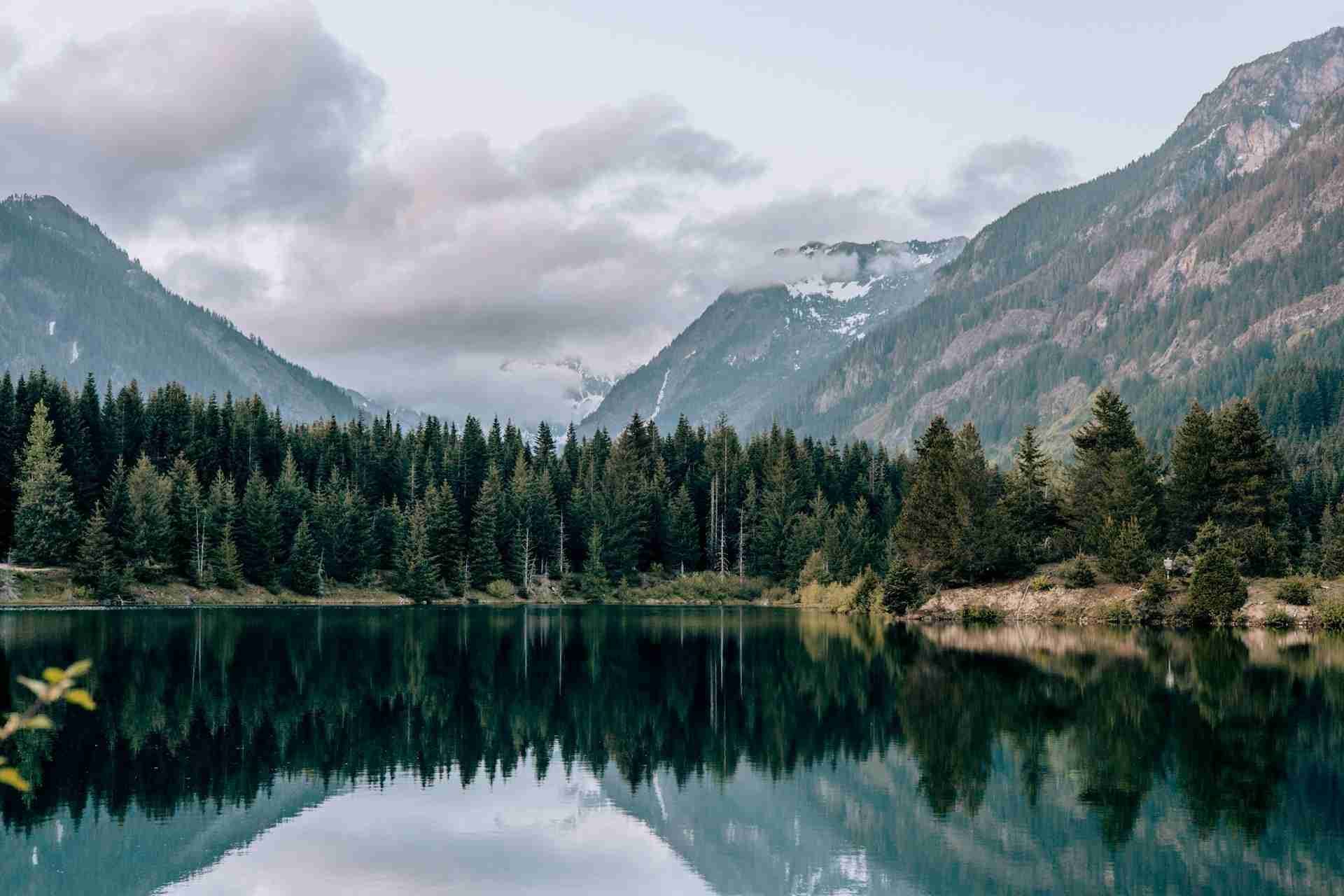
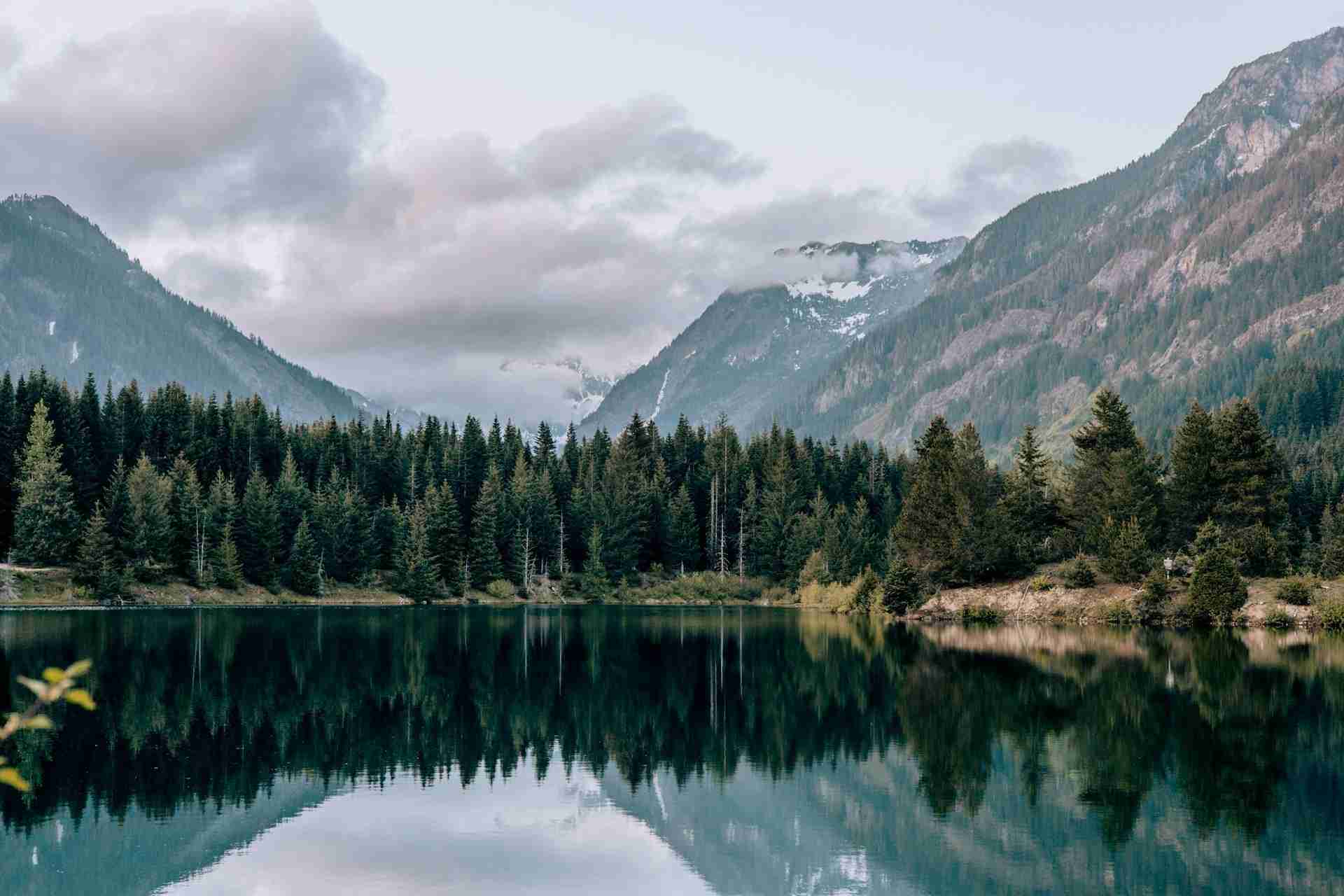
Nestled in the Snoqualmie Pass area of Washington's Cascade Range, Gold Creek Pond is a pristine alpine lake that rewards photographers with mirror-like reflections and year-round access. Despite its natural appearance, the pond is a reclaimed gravel pit that has been carefully restored into a peaceful recreation area, now surrounded by forests and mountains. The setting is defined by still water, which perfectly reflects the jagged peaks of the Cascades in calm conditions. The short, accessible trail that loops around the pond provides endless vantage points for framing both wide landscapes and intimate detail shots. Its proximity to Seattle makes it one of the most approachable alpine scenes in the state, while the seasonal shifts—from wildflower meadows in summer to snow-covered stillness in winter—offer photographers fresh compositions each time they return.
Best Photography Opportunities
• Mirror Reflections at Sunrise and Sunset
Gold Creek Pond is at its most striking when the water is still, creating nearly perfect reflections of Chikamin Peak and the surrounding ridges. Early morning is often best for this, before wind disturbs the surface, while evenings can produce vivid color transitions in the sky mirrored in the pond. Wide-angle lenses help include both mountain and reflection in a single frame, while mid-range zooms allow for tighter compositions focusing on the symmetry. Using long exposures with a neutral density filter can enhance the smoothness of the reflection and bring out soft movement in the clouds. Seasonal changes alter the palette, with autumn offering golden tree lines and winter delivering crisp, blue-toned reflections.
• Alpine Meadow and Wildflower Details
In late spring and early summer, the meadows surrounding Gold Creek Pond burst with wildflowers such as lupine and paintbrush. These colorful patches make excellent foreground elements, leading the eye toward the lake and mountains. Shooting at a low angle emphasizes the flowers against the reflective water, especially when paired with a wide aperture for depth. Including both floral foregrounds and mountain backdrops creates balanced, layered images that showcase the alpine ecosystem. For tighter work, macro lenses can isolate individual blossoms with the pond blurred behind, giving softer, more intimate perspectives.
• Winter Snowscapes and Ice Formations
When snow blankets the pond and surrounding forest, the scene transforms into a monochromatic landscape of whites and muted blues. The shoreline often develops ice shelves, which add striking textures and geometric shapes to foreground compositions. Snow-covered evergreens reflected in the water create strong contrasts, particularly in early morning when light is sharpest. Winter is also a good time for black-and-white conversions, as tonal range and form become stronger compositional elements. Long exposures can capture falling snow as soft streaks, giving a sense of motion to otherwise still scenes.
• Night Photography and Astrophotography
Thanks to its relatively low light pollution compared to nearby urban areas, Gold Creek Pond is a rewarding site for night photography. The still water reflects the Milky Way or star trails, creating compositions where the sky doubles itself on the pond's surface. The surrounding ridgelines frame the sky and help anchor long exposures, while the shoreline provides natural leading lines into the reflection. Shooting here on moonless nights maximizes star visibility, but partial moonlight can illuminate the foreground in interesting ways. Cold, clear nights in autumn and winter are especially productive for astrophotography, when air clarity is strongest.
• Wildlife Encounters Along the Trail
While the pond itself is the main draw, the trail surrounding it frequently offers wildlife sightings that can be incorporated into photographs. Ducks, beavers, and occasional deer appear around the waterline, especially in the quieter morning hours. Long lenses help capture these subjects without disturbing them, while wider compositions can place the animals against the dramatic backdrop of the pond and mountains. Snowfall or fog can add mood and context to these encounters, turning wildlife photography into storytelling within the alpine setting. Patience and silence are often rewarded here, as the area remains active despite its popularity with visitors.
Best Time to Visit
Gold Creek Pond offers strong photography opportunities year-round, but the character of the location changes dramatically with each season. Spring brings thawing ice and the first signs of greenery, with snow often lingering in patches around the edges. Early summer is marked by wildflowers and lush vegetation, complemented by longer days and consistent calm reflections in the morning. By late summer, golden light at sunrise and sunset brings warmth to the images, and smoke from distant wildfires can sometimes create dramatic, hazy sunsets.
Autumn is one of the most rewarding times to visit, as surrounding trees shift into yellow and orange tones that reflect vividly in the pond. Cool nights also increase the chance of fog rising off the water, adding atmosphere to morning shoots. Winter transforms the area into a snow-covered basin, with frozen edges and white trees framing the pond in stark contrast. Access is still possible during this season, making it one of the few alpine locations in Washington that offers easy winter shooting conditions. For the calmest water and clearest reflections, aim for early morning before wind or visitor activity disturbs the surface.
How to Get There
Gold Creek Pond is located in the Snoqualmie Pass area, about an hour east of Seattle along Interstate 90. From the highway, take Exit 54 and follow signs for Gold Creek, where a paved road leads directly to the day-use parking lot near the pond. A short, flat, and fully accessible loop trail encircles the pond, providing photographers with multiple vantage points in just a few minutes of walking. Parking requires a recreation pass, which can be obtained at kiosks or in advance, and fees contribute to maintaining the site.
The area is open year-round, though road conditions vary in winter. Snow can cover the access road and parking area, requiring either snowshoes or a short hike from plowed pullouts. Facilities include restrooms and picnic areas near the parking lot, but there are no services at the pond itself. Drones are permitted but must be flown responsibly, with consideration for wildlife and other visitors. Because of its popularity, weekends can become crowded; visiting early in the morning or on weekdays helps ensure quieter conditions and more freedom to compose shots without interference.
Recommended Photography Gear
A flexible kit is best for Gold Creek Pond, given the wide range of subjects and lighting conditions. A wide-angle lens in the 16 to 35 millimeter range is essential for capturing full reflections, mountain backdrops, and sky compositions. A mid-range zoom, such as 24 to 70 millimeters, allows for more balanced frames and tighter landscapes that emphasize symmetry without distortion. A telephoto lens in the 70 to 200 millimeter range is useful for wildlife encounters and for compressing fog or atmospheric layers in the background ridges.
A sturdy tripod is necessary for low-light work, long exposures, and night photography. Neutral density filters help manage bright skies or extend exposure time for cloud and water movement, while a circular polarizer deepens sky tones and reduces glare on the pond surface. In winter, waterproof boots and snow gaiters are important, as snowdrifts often surround the shoreline. For astrophotography, pack extra batteries, a headlamp with a red light setting, and a remote shutter release. Lens cloths are useful in every season, as condensation and spray from mist or rain can accumulate quickly in this alpine environment.
Nearby Photography Locations
Just a short drive west of Gold Creek Pond, Franklin Falls is a popular but highly photogenic waterfall tucked into a forested gorge. In spring and early summer, water volume is high, creating powerful cascades that can be captured with long exposures. In winter, the falls partially freeze, producing dramatic ice formations and unique cold-weather scenes.
The surrounding ski slopes, accessible during the off-season, offer expansive views over the Cascades and valleys. In summer, wildflower meadows line the open slopes, while autumn delivers golden tones across the alpine vegetation. The area is also a good place for wide-angle sunset compositions, with ridges that frame the horizon.
Located nearby off Interstate 90, this trail winds through forest before reaching a picturesque alpine lake surrounded by steep cliffs. The lake provides excellent reflection opportunities, similar to Gold Creek Pond but in a more rugged and remote setting. Wildflowers in summer and clear night skies make this a versatile stop for photographers willing to hike a bit farther.
Just south of the interstate, Keechelus Lake is a large reservoir with broad views and dramatic seasonal changes. In summer, its receding waterline creates cracked earth patterns and driftwood arrangements, while in winter the surrounding peaks reflect beautifully in the water. It is easily accessible and pairs well with a trip to Gold Creek Pond for a full day of shooting.
This trail, starting near the pond area, leads through waterfalls and forested valleys up to the alpine basin of Melakwa Lake. The waterfalls provide excellent long exposure opportunities, while the lake itself reflects surrounding peaks in clear conditions. Summer and early fall are the most rewarding times to explore this location, when the trail is snow-free and colors are vibrant.
Gold Creek Pond is a place where reflection, light, and easy access meet in perfect balance. Whether you are building a portfolio of mountain reflections, experimenting with long exposures of snow and ice, or capturing the night sky over calm alpine waters, the location adapts to your vision. Its year-round accessibility makes it a rare alpine site that rewards frequent visits, each season layering in new textures and moods. For photographers seeking a combination of convenience and striking scenery, Gold Creek Pond delivers consistently strong results.
Comments
Loading comments…