
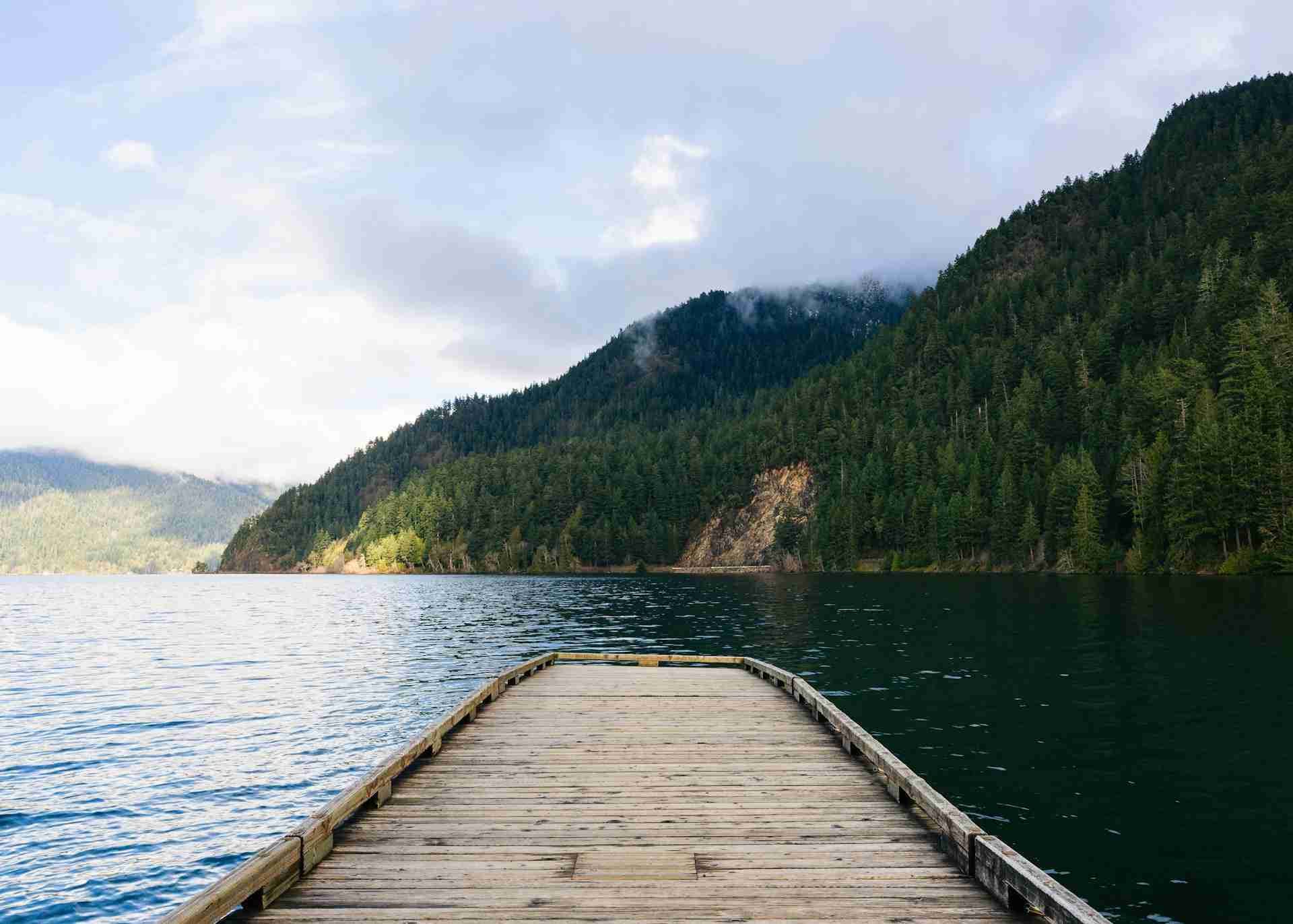
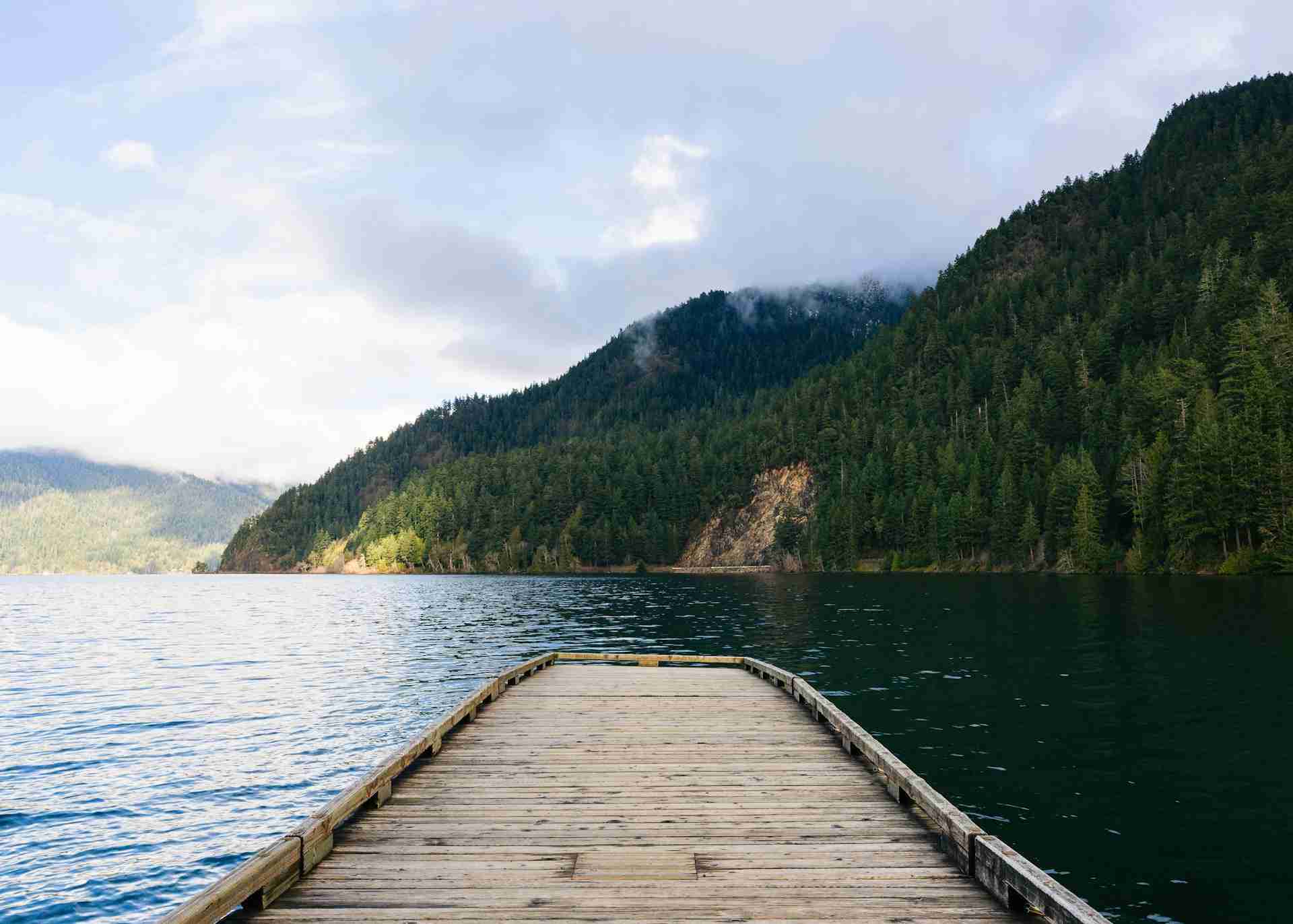
Tucked into the northern reaches of Olympic National Park in Washington, Lake Crescent is a vast glacial lake surrounded by steep, forested ridges and a sense of quiet that invites careful observation. Its deep blue waters—reputed to be among the clearest in the Pacific Northwest—stretch for over 12 miles, reflecting the ever-changing moods of the sky and the towering silhouettes of Mount Storm King and Pyramid Peak. For landscape photographers, Lake Crescent is a playground of minimalism, reflection, and shifting atmosphere. Mist, fog, sunrise stillness, and twilight color each transform the lake into something entirely new. It's a location where timing, patience, and a subtle eye can yield remarkably evocative compositions.
Best Photography Opportunities
• Mirror Reflections from East Beach Road
: One of the most iconic views of Lake Crescent is from its eastern shoreline, especially in the early morning hours when the water is glass-smooth and the surrounding ridges reflect in perfect symmetry. Pullouts along East Beach Road offer excellent vantage points. Use a wide-angle lens (16–24mm) to capture the sweeping lake surface and place the horizon dead center to emphasize the mirrored composition. Arrive before dawn to catch the sky shifting from indigo to pastel, and bring a tripod for exposures ranging from a few seconds to over a minute. When mist drifts along the water's surface, it adds a floating dimension that separates the reflection from the reality—an atmospheric gift for those who wait.
• Storm King Pier and Boat Launch
: Near the Storm King Ranger Station, a small pier juts into the lake, offering a strong foreground anchor for long exposure images and golden hour frames. The weathered wood adds human texture against the vast natural backdrop, and its linear shape makes an ideal lead-in line. A mid-range zoom (24–70mm) allows you to vary your perspective—either isolating the pier or including the encircling ridgelines. Long exposures (30+ seconds) smooth the lake to a painterly calm and pull pastel tones from the sky during sunrise or sunset. This is also an excellent location for blue hour photography, when the lake darkens into deep hues and the last mountain contours linger in silhouette.
• Devils Punchbowl Bridge and Cliffs
: This short trail begins from the north side of the lake near the Spruce Railroad Trail and ends at a small footbridge over startlingly clear blue water. Shoot from the bridge itself or from the cliff edges nearby. A polarizing filter is key here—removing glare from the water's surface to reveal submerged rock patterns and color gradients. Use a short telephoto (70–100mm) to compress the visual elements of cliff, bridge, and lake into layered compositions. Light is best when the sun is high enough to illuminate the water but not directly overhead—typically mid-morning or late afternoon. In autumn, golden leaves contrast beautifully with the turquoise depths below.
• Subalpine Reflections from Fairholme Campground Area
: On the western edge of the lake, the less-traveled Fairholme Campground offers peaceful shoreline views that take in the full expanse of the water with ridges fading into the distance. This is a great place for panoramic shots using a 35mm or 50mm lens stitched together, or single wide compositions with minimal distortion. On calm days, you'll find mirror-like reflections paired with perfectly still treelines. Use the lake's edge—such as driftwood, grasses, or stones—as a subtle foreground, especially during soft morning or evening light. It's also a good vantage point for shooting low fog or weather systems as they roll in from the west.
• Aerial Perspective from Mount Storm King Trail
: For the most commanding view of Lake Crescent, take on the steep and strenuous Mount Storm King Trail. Though the upper portion requires rope-assisted scrambling and isn't for everyone, even the first overlook offers impressive elevation. From the top, you can shoot nearly the entire length of the lake, compressed between forested ridges and often draped in fog or light beams. A telephoto lens (100–200mm) is ideal for isolating shapes, while a standard zoom (24–70mm) lets you include the full lake curve. Shoot at sunrise for layered mountain silhouettes and a lake that glows silver-blue in the angled light. Bring a tripod only if you're confident hiking with it—this trail demands agility and good footing.
Best Time to Visit
Lake Crescent is photogenic year-round, but each season offers distinct photographic moods. Spring (April through June) delivers vibrant green foliage, melting snow feeding the lake, and low-angle morning light that drapes the ridges in softness. During this time, mornings often come with mist rising off the surface, a perfect complement to symmetrical compositions.
Summer (July through early September) brings clearer skies, long golden hours, and high visibility across the water. However, calm surface conditions are more likely early in the morning or late in the evening, as midday winds often disturb the lake's reflective quality. This is also the season for deeper color saturation in the water, especially in direct sun, though forest fire haze can be an occasional challenge.
Autumn (late September to early November) is one of the most rewarding times to visit. Deciduous trees around the lake transition to yellows and oranges, contrasting beautifully with the lake's steel-blue surface and the dark evergreens of the ridgelines. The light is softer all day, and weather systems moving in from the Pacific create opportunities for dramatic clouds, shifting light beams, and moodier tones.
Winter is the quietest season but offers stark, minimalist compositions when the sky is overcast and the ridges are dusted with snow. Shorter days mean easier access to golden and blue hour light. Snow doesn't always fall at lake level, but when it does, it clings to branches and transforms the shoreline into a monochrome wonderland. Dress for wet and cold conditions, and watch for frost or ice on trails and camera gear.
How to Get There
Lake Crescent is located in the northern section of Olympic National Park, about 20 miles west of Port Angeles, Washington. From Port Angeles, take Highway 101 west along the south shore of the lake. There are several well-signed parking areas, including Storm King Ranger Station, Lake Crescent Lodge, and Fairholme Campground, depending on which part of the lake you plan to explore.
The Spruce Railroad Trail and Devils Punchbowl area are accessed from the north shore via East Beach Road, which intersects with Highway 101 a few miles east of the lake. While the road is paved, it can be narrow and winding in sections—drive carefully, especially in wet or foggy conditions.
There is no fee to access the general lake area unless you're staying in developed campgrounds. Parking is ample near the ranger station and lodge, though it fills quickly in summer. Trails to Devils Punchbowl and Mount Storm King are clearly marked and open year-round, though traction may be necessary in icy conditions.
Recommended Photography Gear
A wide-angle lens (16–35mm) is essential for capturing the lake's expansive surface and surrounding ridgelines—especially for mirror reflections and low-angle shoreline shots. Pair this with a mid-range zoom (24–70mm) to give yourself flexibility with compositions at overlooks, piers, and trail viewpoints.
A short telephoto (70–200mm) is useful for isolating features like distant mountains, fog layers, or reflections compressed by the lake's curve. This lens shines from elevated vantage points like Mount Storm King or when capturing boats or wildlife against graphic backdrops.
A sturdy tripod is necessary for long exposures and early morning light, especially if you're working near water or shooting in wind. Bring a circular polarizer to cut glare off the water's surface and enhance sky contrast. For smooth, glassy water effects or soft motion in clouds, a 6- or 10-stop ND filter is invaluable.
Because of the wet, often cold conditions, bring microfiber cloths for wiping condensation, lens hoods to minimize flare, and protective covers for your gear. Waterproof footwear is essential if you plan to shoot along the shoreline, especially in spring and winter when trails can be muddy or icy.
Nearby Photography Locations
: Just minutes from the eastern end of the lake, this 90-foot waterfall drops through a moss-covered gorge, offering excellent long exposure opportunities and moody forest trail scenes on the approach.
: The trail to this ridge offers one of the most dramatic views of Lake Crescent. Ideal for sunrise and fog-draped panoramas, it's a must for those seeking high-elevation perspectives with layered mountain silhouettes.
• Sol Duc Falls
: A short drive west, this multi-stream waterfall cuts through another lush rainforest canyon. With a sturdy bridge and surrounding mossy rocks, it's ideal for balanced waterfall compositions in any weather.
: Located east of the lake near the coast, this rugged shoreline offers tide pools, sea stacks, and wide sunset views across the Strait of Juan de Fuca—a perfect contrast to the inland stillness of Lake Crescent.
: South of Port Angeles, this high alpine ridge delivers expansive views of the Olympic Mountains and is ideal for sunrise and sunset shoots. In summer, wildflowers and distant clouds create sweeping, layered compositions.
Lake Crescent invites a slower, more meditative style of photography—one where patience, quiet, and careful attention to light pay off in images filled with reflection, depth, and atmosphere. Whether you're drawn to wide-open stillness or textural intimacy, this glacial lake is a setting that rewards return visits and a practiced eye.
Comments
Loading comments…