
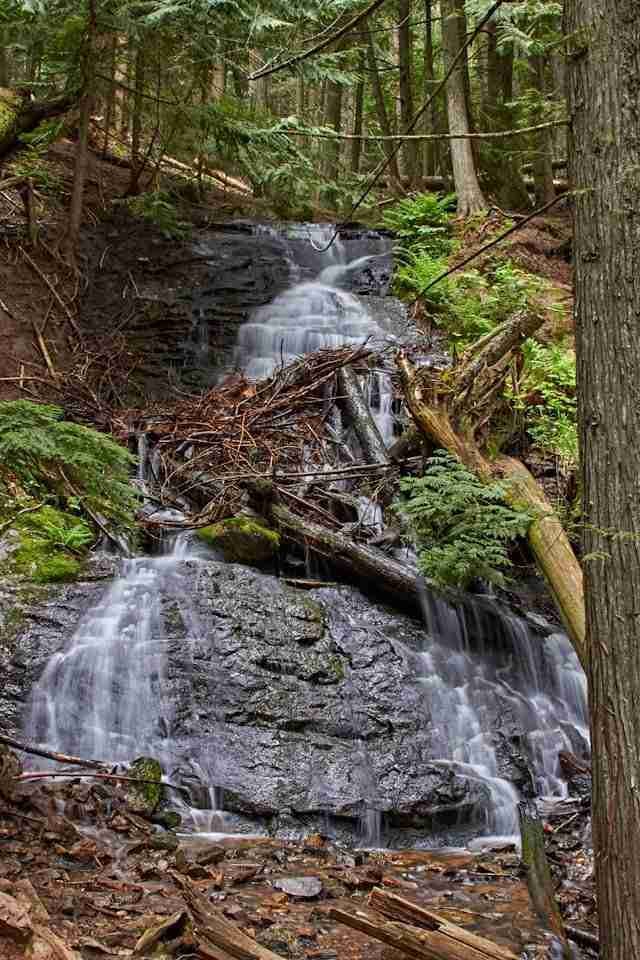
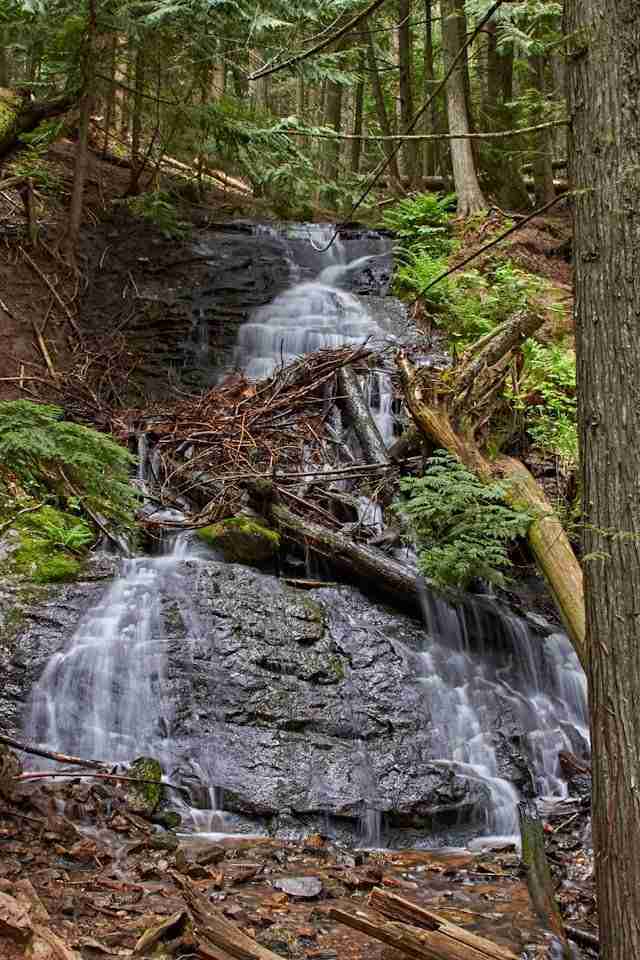
Tucked into the forested foothills of eastern Washington, the Liberty Lake Loop Trail offers a rich tapestry of photographic opportunities along its 8.3-mile journey through cedar groves, creek crossings, rocky switchbacks, and moss-laden canyons. Located near the town of Liberty Lake and not far from the Idaho border, this loop trail circles through Liberty Lake Regional Park and rises into higher terrain where light and shadow play across boulders and tree trunks in endless variation. Its highlight—a seasonal waterfall pouring through a narrow, wooded ravine—is a prime focal point for photographers, particularly in spring when snowmelt and rain bring it to life. For those who appreciate the interplay of water, forest, and filtered light, the Liberty Lake Loop Trail provides a dynamic and immersive visual experience.
Best Photography Opportunities
• The Seasonal Waterfall in the Upper Canyon
: Best viewed in spring or after sustained rainfall, the waterfall at the loop's upper elevation is tucked into a mossy gorge framed by leaning trees and angular stone walls. Use a tripod and neutral density filter to capture long exposures of the falling water, turning its movement to silk against the rugged canyon backdrop. A wide-angle lens (16–35mm) allows you to incorporate nearby foliage and rocky ledges, while a mid-range zoom (24–70mm) gives flexibility to adjust your composition as you navigate narrow terrain. Mornings offer even light with minimal glare, and soft fog often clings to the upper canyon for added mood.
• Creekside Scenes and Reflected Light
: Much of the trail follows Liberty Creek, a lively stream that runs over small cascades and under mossy bridges. Look for backlit reflections in slower pools, and take advantage of early light that dances on the surface between tree shadows. Use a polarizer to cut water glare and bring out submerged rocks and leaf patterns. Low angles work well here—get close to the water for immersive compositions that highlight texture, motion, and contrast between still and moving elements.
• Moss-Covered Trees and Forest Canopy Light
: The lower portions of the loop wind through thick stands of cedar, fir, and maple, many of them draped in vivid moss and lichen. These areas are especially photogenic during and after light rain, when surfaces glisten and colors deepen. A fast 35mm or 50mm prime is excellent for handheld shots under the canopy, where you'll find filtered sunlight creating spotlight effects through mist or foliage gaps. Look for leading lines formed by tree trunks, roots, or the trail itself to draw the viewer's eye into the frame.
• Lakeshore Views and Tranquil Reflections
: On the return side of the loop, the trail skirts the edge of Liberty Lake, where open skies and calm water provide compositional relief from the dense forest. Early morning is best for mirror-like reflections of trees, clouds, and the distant hillside. Use a standard zoom to frame the lake edge with rocks, reeds, or branches in the foreground. On foggy days, the lake becomes a minimalist canvas—ideal for black-and-white conversions or negative space compositions.
• Rock Outcrops and Elevated Vistas
: As the trail ascends into its upper section, brief breaks in the tree cover offer views down into the forest valley and across the lake basin. These natural overlooks are best shot with a telephoto or mid-range lens, compressing layers of tree canopy and distant ridgelines into moody landscape frames. These spots also work well in late afternoon when side light adds definition to the forest texture below.
Best Time to Visit
Spring (March through May) is the best time for waterfall photography and lush forest color, as melting snow and seasonal rain bring the creek and falls to full flow. Wildflowers such as trillium, bleeding heart, and yellow violets emerge along the trail in mid to late spring, adding bright accents to mossy foregrounds. During this season, overcast skies help reduce glare and provide ideal diffused light for both landscape and macro work.
Autumn offers a second wave of photographic richness, with changing maple leaves providing pockets of warm color amid the evergreens. Cooler air also increases the chance of morning mist or fog—especially around the lake—adding atmosphere to wide and telephoto shots.
Summer can be dry, with lower water flow and busier trails. While early morning still provides good light and solitude, mid-day conditions are harsh and less photogenic. Winter hiking is possible but limited by snow and ice, and the trail's upper portions may become inaccessible without proper equipment.
Regardless of season, the best light is in the morning, when the forest is quiet, sunbeams filter horizontally through the trees, and the water is less disturbed by wind or hikers. Arrive early to get ahead of trail traffic and scout locations before light becomes too contrasty.
How to Get There
The Liberty Lake Loop Trail begins within Liberty Lake Regional Park, located just southeast of the town of Liberty Lake, Washington. From Spokane, take I-90 east to the Liberty Lake exit (Exit 296), then follow Liberty Lake Road south to E Mission Avenue. Turn left on E Mission, then right on S Lakeside Road, and continue into the park entrance.
The park includes a day-use area with ample parking, restrooms, and trailhead signage. The trail begins near the picnic area and is well-marked with interpretive signs and distance markers. Expect to hike the full loop for access to the waterfall and canyon sections—a moderate 8.3-mile route with elevation gain, creek crossings, and uneven terrain.
There is a small day-use fee for park access, payable at the self-service station or ranger office. Trails are open year-round, though portions may be muddy or snow-covered in the off-season. Bring plenty of water and check trail conditions before setting out.
Recommended Gear and Shooting Tips
Bring a wide-angle lens (16–35mm) for canyon shots and forest compositions, a mid-range zoom (24–70mm) for flexibility along the trail, and a telephoto (70–200mm) for compressing layers and isolating distant detail. A sturdy tripod is essential for waterfall and long-exposure stream shots, especially in low light or under dense canopy. Neutral density filters (3- or 6-stop) help extend shutter speeds for smoothing water movement, while a polarizer controls reflections and enhances forest color.
Pack a lens cloth and rain cover—moisture, mist, and falling spray near the waterfall can quickly fog or streak front elements. Footwear should be waterproof and supportive; creek crossings and muddy patches are common even in drier months. Consider a lightweight pack with a hydration bladder so you can keep both hands free while moving through the more technical sections.
Work slowly, especially in the waterfall area—changing light conditions make it worthwhile to reshoot the same composition multiple times over a 15–30 minute period. And remember to look behind you; the best light often strikes from unexpected angles in forested terrain.
Nearby Photography Locations
: Just north of Liberty Lake, this open grassland preserve offers a very different landscape—rolling hills, rocky outcrops, and sweeping views toward the Spokane Valley. Sunrise and sunset here are especially rewarding, with golden light creating long shadows and strong contrast across the dry terrain.
: West of Liberty Lake, this riverside trail system features bridges, rapids, and cottonwood groves that offer a softer, water-rich contrast to the mountain loop. Good for early morning long exposures and intimate riverbank detail work.
: Closer to Spokane, this rugged mix of granite formations, pine forest, and wildflower meadows offers great macro opportunities and elevated views. Its proximity makes it an excellent sunrise destination before exploring deeper into Liberty Lake.
: Just south of the loop trail, Mica Peak provides higher elevation forest scenes, wide overlooks, and quieter trails. Ideal for moody mountain light and panoramic shots of the Spokane Valley under shifting skies.
: A short drive into Idaho, Tubbs Hill sits right on Lake Coeur d'Alene and features lakeside cliffs, pine forest, and excellent golden hour conditions. This location is particularly good for reflection shots, environmental portraits, and layered compositions that blend urban and natural elements.
The Liberty Lake Loop Trail is more than just a workout—it's a meditative walk through changing light, layered texture, and the subtle drama of the Pacific Northwest's inland forests. With a camera in hand, it becomes a slow, rewarding visual exploration of how water, stone, and forest speak to each other in constant motion.
Comments
Loading comments…