
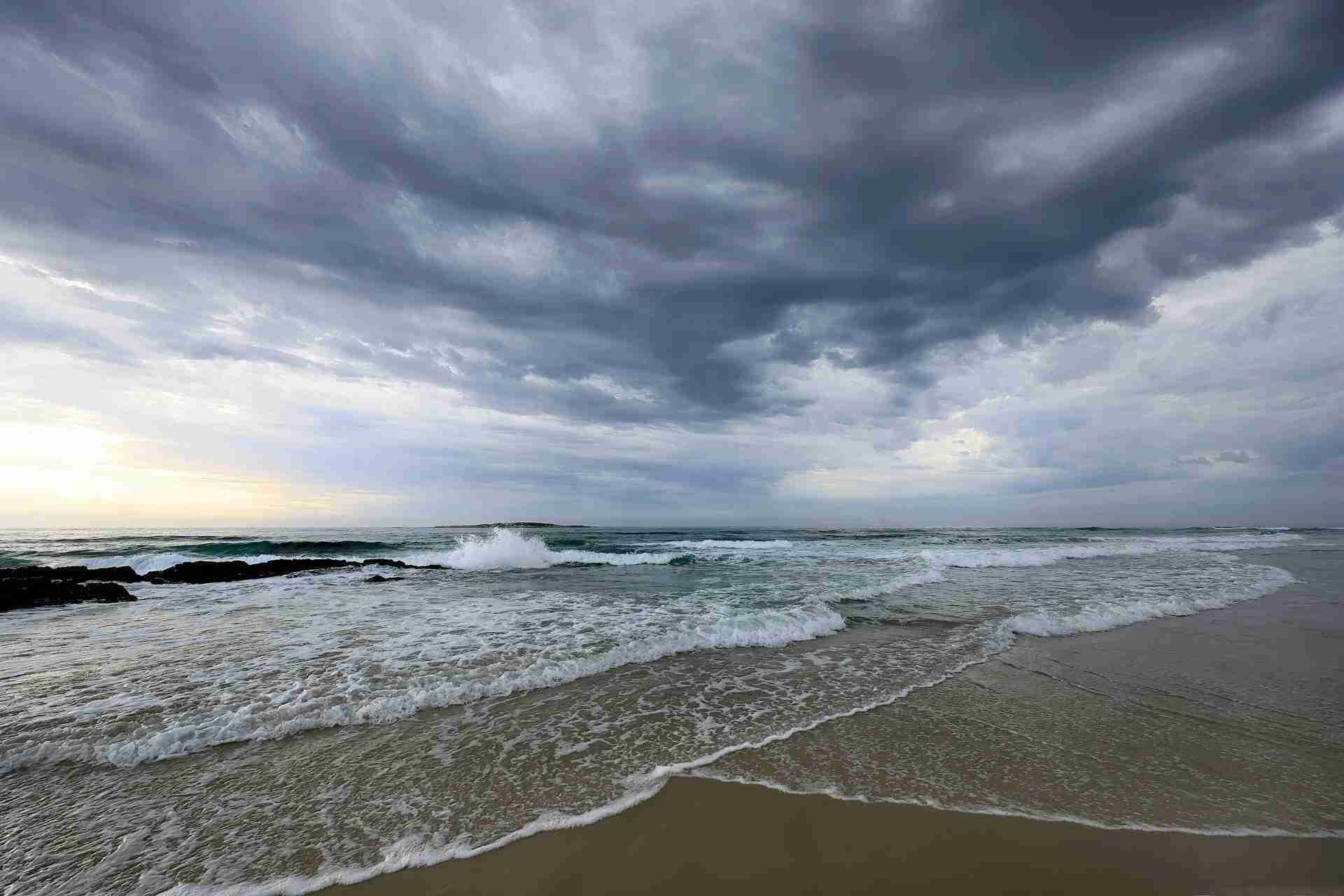
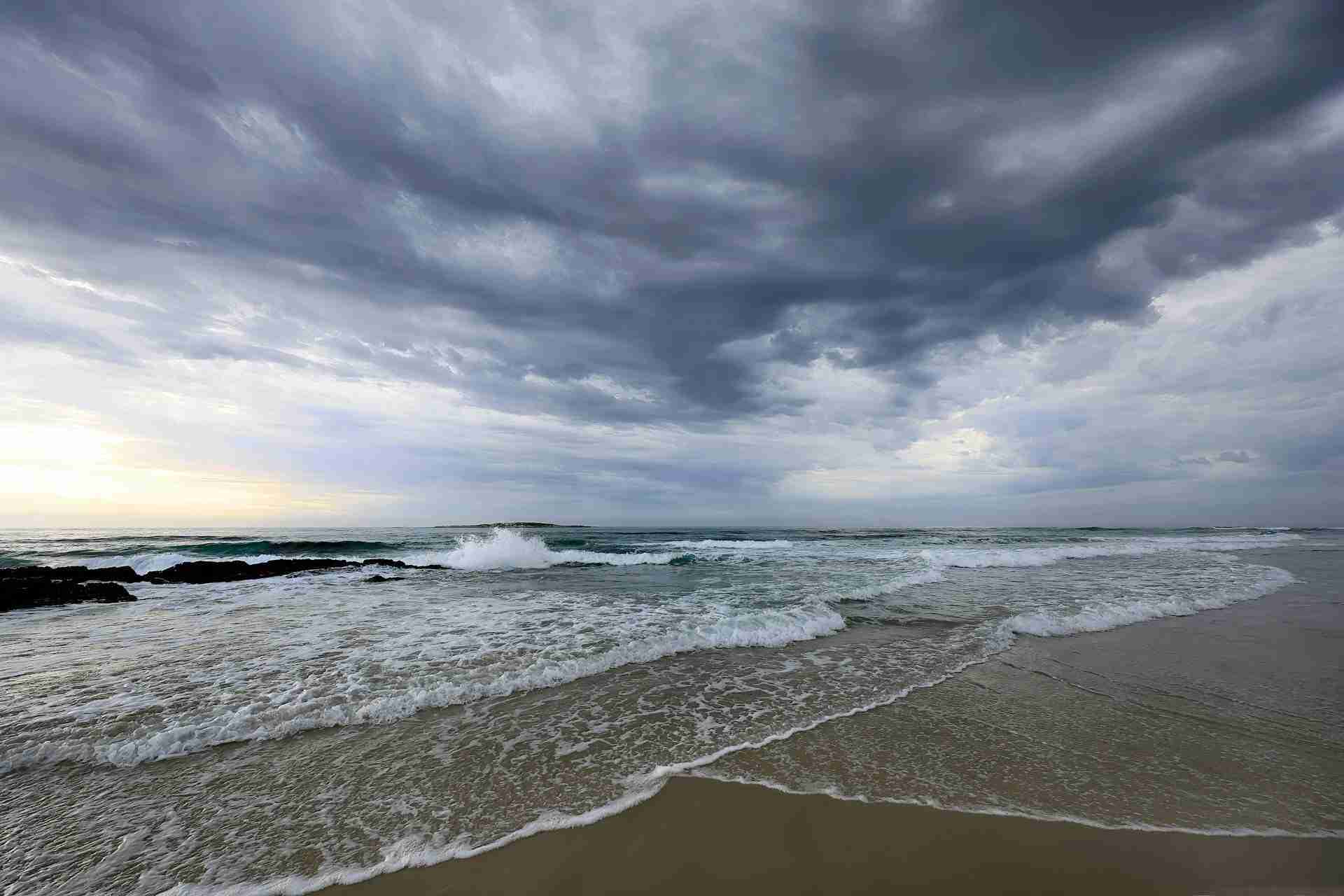
Stretching along Tasmania's remote northeast coast, Beaumaris Beach offers a pristine canvas of golden sand, clear turquoise water, and ever-changing skies. Often overlooked in favor of the more famous Bay of Fires just to the north, Beaumaris rewards the landscape photographer with space, solitude, and a coastline where subtle shifts in light transform the ordinary into the sublime. Backed by low dunes and native grasses and framed by the distant silhouettes of the Scamander Range, this beach is ideal for long exposures, minimalist seascapes, and atmospheric studies of cloud and water. Its unspoiled character and soft palette make it a perfect location for those who seek simplicity and quiet drama.
Best Photography Opportunities
• Long Exposure Seascapes at Sunrise
: Beaumaris Beach faces directly east, making it an excellent location for capturing the first light over the Tasman Sea. Pre-dawn and golden hour conditions often bring subtle color transitions—rose, peach, and violet—that reflect off the wet sand and shimmer in the shallow surf. A 6- or 10-stop ND filter allows for multi-second exposures, smoothing out waves and cloud movement while rendering the sky and sea as soft gradients. Compose low with tidal pools or driftwood in the foreground to anchor the frame.
• Minimalist Sand and Sky Compositions
: At low tide, the expansive beach offers ample negative space, ideal for minimalist photography. Clean horizons, rippled sand, and isolated shells or stones become compositional focal points. A 35mm or 50mm prime lens encourages simplicity and precision, emphasizing form over scale. In soft overcast light, monochrome processing enhances texture and mood, especially when shooting parallel to the shoreline.
• Storm Light and Cloud Drama
: Approaching fronts over the sea create powerful skies with layered cloud forms and shifting light. These conditions are perfect for wide-angle work with strong sky-to-sea balance. Look for moments when breaks in the clouds spotlight the water or dunes, allowing for high-contrast scenes with dramatic atmosphere. Bracketing exposures helps manage the dynamic range, particularly when shooting into the light or capturing silhouetted elements along the shore.
• Sand Patterns and Coastal Textures
: Macro and detail-focused photography shines here, especially where wind and water have carved intricate lines in the sand. Use a short telephoto or macro lens to isolate patterns—look for seaweed curls, foam trails, or animal tracks that tell subtle stories of movement and tide. The late afternoon light, when the sun sits low behind the dunes, provides raking angles that emphasize shadows and form.
• Evening Light and Silhouettes
: While sunrise is the prime event here, the soft light of late day is excellent for backlit grasses, silhouettes of distant anglers, and pastel cloudbanks reflecting off the sea. The western sky often glows gently after sunset, casting a soft color gradient over the ocean. For portraits or environmental studies, the dune line offers a natural platform that catches warm light and frames subjects against a minimal sky.
Best Time to Visit
Beaumaris Beach is at its most photogenic from late spring through early autumn (October to April), when the weather is milder and skies are more dynamic. In summer, the sun rises early—often before 6 a.m.—but rewards those who arrive before dawn with glowing color, misty sea spray, and calm wind conditions ideal for reflections and long exposures. Early mornings also offer the best chance for mirror-flat water and minimal foot traffic.
Autumn brings more atmospheric variation, with passing fronts, clearer afternoon light, and golden tones in the dune grasses. It's a transitional season where crisp skies and moody weather alternate quickly, making it perfect for both dramatic skies and clean horizon lines.
Winter offers deep blue skies, strong shadows, and wind-swept textures across the sand. While sunrise colors can be striking, colder temperatures and increased wind may challenge long exposures. However, it's also the time for sharper detail and strong tonal contrast in black and white work. Beaumaris rarely sees crowds even in summer, but in winter you'll likely have the entire beach to yourself.
Regardless of season, the two hours following sunrise and the hour before sunset offer the most consistent photographic conditions. Wind picks up quickly midday, especially in warmer months, often disrupting reflections and softening the sand's textures.
How to Get There
Beaumaris Beach lies along Tasmania's east coast, between the towns of St Helens and Scamander, roughly a two-hour drive northeast of Launceston via the Tasman Highway (A3). The beach runs parallel to the highway, and access is simple—numerous unsigned pull-offs and short gravel tracks lead directly to the sand. Look for small turn-ins near Beaumaris township or just north of Wrinklers Lagoon.
There is no designated parking lot for photographers, but roadside verges and beach tracks offer enough space to safely park. Be aware of soft sand near the dune edges—it's best to stay on firm gravel or cleared spaces near the road. There are no entrance fees or access restrictions, and the entire stretch of beach is public land.
The nearest facilities—including food, fuel, and accommodations—are in Scamander (5 minutes south) or St Helens (15 minutes north). Mobile reception is reliable throughout the area, though weather updates and tide times should be checked in advance, especially if planning long exposure work or sunrise shoots.
Recommended Gear and Shooting Tips
Beaumaris Beach is about patience, simplicity, and light. A sturdy tripod is essential, particularly for sunrise and long exposure photography. A wide-angle zoom (16–35mm) will serve for most seascapes, while a mid-range prime (35mm or 50mm) is excellent for minimalist work and detail-focused compositions. A telephoto (70–200mm) can compress patterns, isolate coastal features, and frame distant elements such as mountains or clouds offshore.
Neutral density filters (6- and 10-stop) are key tools here—used creatively, they can transform dynamic seas into misty expanses and emphasize tranquility. A circular polarizer is helpful when shooting with the sun at your side, as it can enhance cloud contrast and reduce glare off the water, though it's less useful when working directly into the light at sunrise.
Bring a lens cloth and protective gear for sea spray and sand. A waterproof bag or pack cover helps in wet weather or while kneeling near the waterline. Footwear should allow easy movement on sand—barefoot or lightweight trail shoes work best. A headlamp is useful for early starts in the dark, especially when scouting the dunes or setting up before sunrise.
Because the beach's character shifts dramatically with tide and weather, scout it at different times of day if possible. Look for locations with tidal pools, dune gaps, or driftwood that can serve as foreground anchors. And don't be afraid to turn your back to the sea—sunrise often lights the dunes and clouds to the west with unexpected color and warmth.
Nearby Photography Locations
: Just north of Beaumaris, this world-famous coastal stretch features granite boulders streaked with orange lichen, translucent blue coves, and white sand beaches. It's a dream for sunrise and sunset photography, especially in golden light when the rocks glow against the ocean. Macro, drone, and long exposure techniques all shine here.
: South of St Helens, this headland offers rugged shoreline views, windswept vegetation, and a series of dramatic rock formations ideal for silhouette and long-lens work. The area also provides elevated vantage points for panoramic seascapes, particularly at golden hour.
: Just minutes from Beaumaris, this peaceful inlet features brackish reflections, weathered jetty posts, and birdlife that lend themselves to quiet compositions and abstract detail work. Early morning fog is common and adds an ethereal quality.
: Located near Binalong Bay, this reserve offers a mix of native forest, beach coves, and high granite outcrops. It's an ideal spot for golden hour forest photography, as well as dramatic cliff-edge shots looking over the Bay of Fires coastline.
: Inland from Bicheno, this park offers waterfalls, gorges, and dry eucalyptus woodland, adding a different flavor to an east coast shoot. Apsley Gorge is a strong midday option when coastal light is too harsh, and the textures of dry rock and tree bark make excellent monochrome studies.
Beaumaris Beach is a place that rewards photographers who slow down, observe the nuances of tide and texture, and let the shifting moods of sea and sky lead the way. It's not about grand landmarks or famous icons—it's about light, space, and the quiet elegance of a coastal morning when the horizon seems to stretch forever.
Comments
Loading comments…