
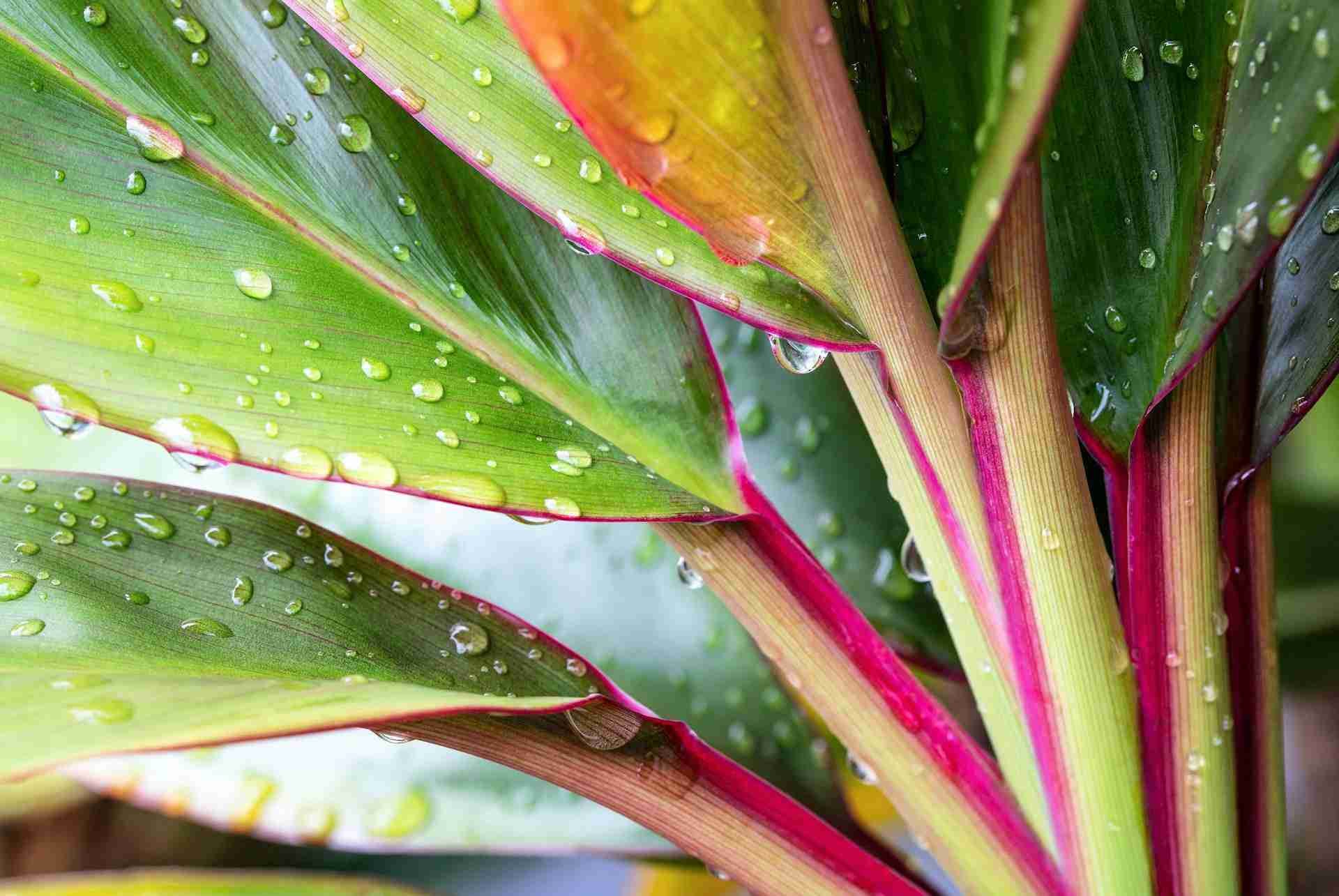
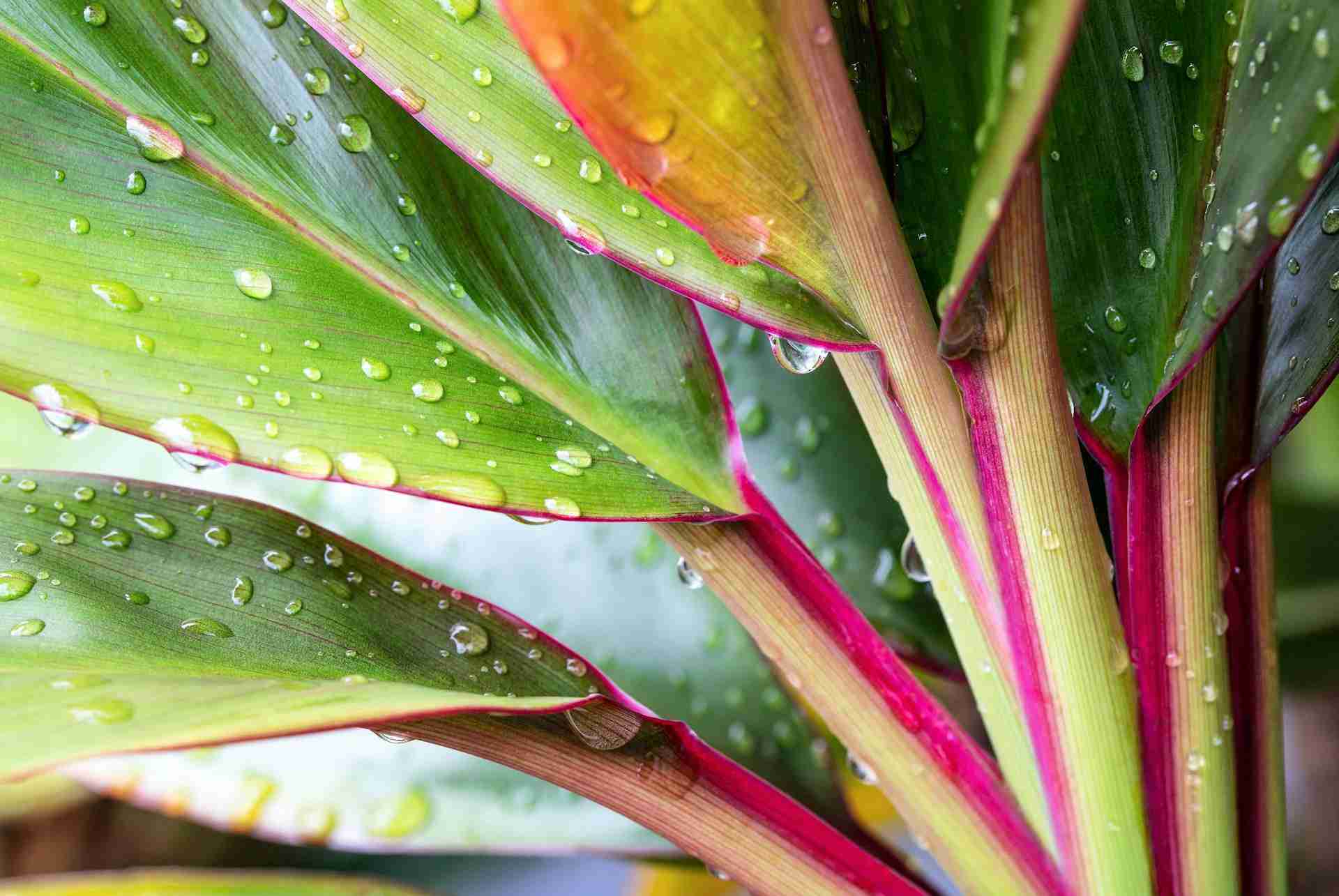
Tucked into the foothills of Mount Whitfield in Cairns' Edge Hill suburb, the Cairns Botanic Gardens is a tropical photography destination rich in texture, biodiversity, and subtle light. The gardens are known for their dense foliage, vibrant exotic plants, and carefully curated environments that recreate the conditions of a lowland rainforest. The overlapping canopy, winding paths, and diffused natural light provide ideal conditions for close-up and macro work, while the broader layout invites landscape-style compositions that highlight contrast between form and shadow. Because of the region's tropical climate, the gardens stay lush year-round, offering an immersive shooting experience that feels more like a jungle than a city park. Photographers will find endless material in both the native and international plantings, from wild heliconias and palms to delicate orchids and patterned understory plants.
Best Photography Opportunities
• Rainforest Boardwalk and Canopy Light Play
One of the most visually rich sections of the gardens is the Rainforest Boardwalk, where the filtered sunlight breaks through layers of palm fronds and climbing vines. The canopy overhead acts as a giant diffuser, softening the light and creating patches of brightness that move with the breeze. This area is ideal for capturing the interplay between shadow and structure, especially where light falls across textured trunks or patterned leaves. A wide-angle lens allows for immersive compositions that convey the scale and density of the foliage, while a mid-zoom lens can isolate particular areas of interest with greater control over background blur. Early morning or late afternoon enhances the contrast between dappled light and shadowed greens.
• Flecker Garden's Tropical Plant Collections
The Flecker Garden section is the formal heart of the gardens, arranged in zones representing tropical habitats from around the world. This is where photographers can study and shoot exotic species in controlled conditions, including bromeliads, cycads, ferns, and rainforest understory plants. The colors here are vibrant but natural, with many subjects offering strong structural forms that photograph beautifully in soft light. This area rewards patience and close observation, especially when shooting with a macro or mid-telephoto lens. Reflections in the water features and the soft curves of the garden paths add compositional options that lead the eye through the frame without distraction.
• Macro Photography in the Gondwanan Garden
The Gondwanan Garden recreates ancient rainforest environments and provides a habitat for rare and primitive plant species. For macro photographers, this section is a quiet and productive place to focus on details such as moss, new growth spirals, and surface texture. Humid conditions enhance color and saturation, and the natural mulch underfoot helps prevent unwanted reflections from the ground. Using a macro lens with a small aperture allows for sharp close-ups of water droplets, leaf veining, or insects without harsh contrast. Tripods are useful here, especially under the heavy shade, but a fast lens also allows for handheld work with pleasing bokeh.
• Saltwater and Freshwater Lake Reflections
Outside the denser sections of the gardens lie two large water bodies that offer opportunities for shooting reflections, bird life, and layered compositions. The Saltwater Lake, in particular, offers clear mirrored views in the early morning before the wind rises. Water lilies, palms, and the occasional egret provide strong foregrounds, and the light is softest just after sunrise. A circular polarizer can help manage reflections and deepen sky or water tones when conditions are brighter. For a more open feel, use a longer focal length to isolate single plants or birds against their reflections or the far shoreline.
• Butterfly and Insect Encounters along the Paths
Because of its proximity to wild rainforest and the design of the plantings, the gardens attract a variety of butterflies, dragonflies, and beetles. Many of these can be found along the less-trafficked walking paths, especially near flowering plants. Fast shutter speeds are key when photographing these subjects, and a moderate telephoto lens allows for shooting at a respectful distance without disturbing them. Patience is essential, as many insects return to the same perch repeatedly. Overcast conditions are often better than full sun for capturing detail in wings and body patterns without blown highlights.
Best Time to Visit
Photography at the Cairns Botanic Gardens is possible year-round thanks to the region's tropical climate, but light, comfort, and plant activity all vary with the seasons. The dry season from May to October provides the most predictable conditions, with clearer skies, lower humidity, and softer light early and late in the day. Mornings during this period tend to be calm and ideal for reflection photography and macro work when dew is still present on leaves and flowers.
The wet season from November to April brings increased humidity, heavier rainfall, and dramatic changes in light. This is the best time for photographing lush growth and vivid green color, but it requires weather-resistant gear and careful planning around showers. The rain often clears by midday, and the soft light after a storm produces excellent color saturation and surface texture. Be prepared for mosquitos and high humidity during this period, especially in the deeper parts of the gardens.
Time of day matters more than season in terms of light quality. Early morning offers the softest light, minimal wind, and fewer visitors, allowing for longer, undisturbed sessions. Late afternoon can be equally productive, especially as the sun dips below the treetops and backlight opportunities increase in the open areas near the lakes and boardwalks. Midday light can be harsh but is manageable under the canopy or for high-contrast compositions.
How to Get There
Cairns Botanic Gardens is located in Edge Hill, approximately five kilometers northwest of Cairns city center. The gardens are easily accessible by car, bicycle, or public bus from central Cairns. There is free parking available at the main visitor area off Collins Avenue, and additional spaces can be found along nearby streets. Multiple entrances provide access to different sections of the gardens, but the Flecker Garden entrance near the Visitor Centre is the best place to begin for first-time visitors.
Public buses from the city center run frequently to the Edge Hill area and stop within a short walking distance of the gardens. The grounds are free to enter and open daily, though specific sections such as the Visitor Centre and exhibits may have separate hours. Most paths are level and well-maintained, allowing for tripod use and easy transport of gear. It is advisable to bring insect repellent and sun protection, especially during the wet season when both mosquitos and UV levels can be intense.
Recommended Photography Gear
A macro lens is one of the most useful tools in the Cairns Botanic Gardens, especially for capturing the intricate patterns, textures, and dew on leaves, insects, and flowers. A wide-angle lens in the 16 to 35 millimeter range allows for immersive shots along the boardwalks and paths, capturing canopy height and light shafts. A mid-range zoom such as a 24 to 70 millimeter lens is excellent for versatile compositions and isolating elements in the garden beds or open clearings.
A lightweight tripod is helpful for long exposures in low-light areas under the canopy or for precise macro work with a narrow depth of field. A circular polarizer will improve color saturation and reduce surface glare, especially after rain. If photographing insects or birds, a telephoto lens in the 70 to 200 millimeter range allows for subject distance while preserving detail. Bring a lens cloth and blower to manage condensation, particularly in the early morning or during the wet season. A small waterproof cover or dry bag is recommended for protecting gear during sudden rain showers.
Nearby Photography Locations
Just behind the gardens, this park offers several walking trails that lead to elevated lookouts over Cairns, the airport, and Trinity Bay. The light is excellent at sunrise, and the trails pass through dry rainforest and open scrub that contrast well with the lushness of the gardens.
Located adjacent to the gardens, these lakes are home to water lilies, bird species, and boardwalks that offer peaceful scenes in early morning or late afternoon light. They are a good option for reflection and wildlife photography, especially when the main gardens are busier.
A short drive from the gardens, the Esplanade offers a completely different setting with tidal flats, mangroves, and wading birds such as herons and ibises. The changing tide and soft coastal light make this an ideal location for minimalist seascapes and wildlife shots.
A short drive inland from Edge Hill, this freshwater swimming spot is surrounded by rock walls and dense forest. It offers strong waterfall compositions and long exposure opportunities with filtered jungle light, especially on overcast days.
If you are looking to photograph color, texture, and local life, this Cairns staple is full of vibrant produce and strong character. It is a good complement to a morning shoot in the gardens and works well for handheld documentary-style photography with fast lenses.
The Cairns Botanic Gardens is more than a botanical showcase. It is a living, shifting canvas of light, humidity, and layered forms that rewards both patience and exploration. Whether you are focused on intimate macro details or wide tropical compositions, this location offers something new each time the light moves through the leaves.
Comments
Loading comments…