
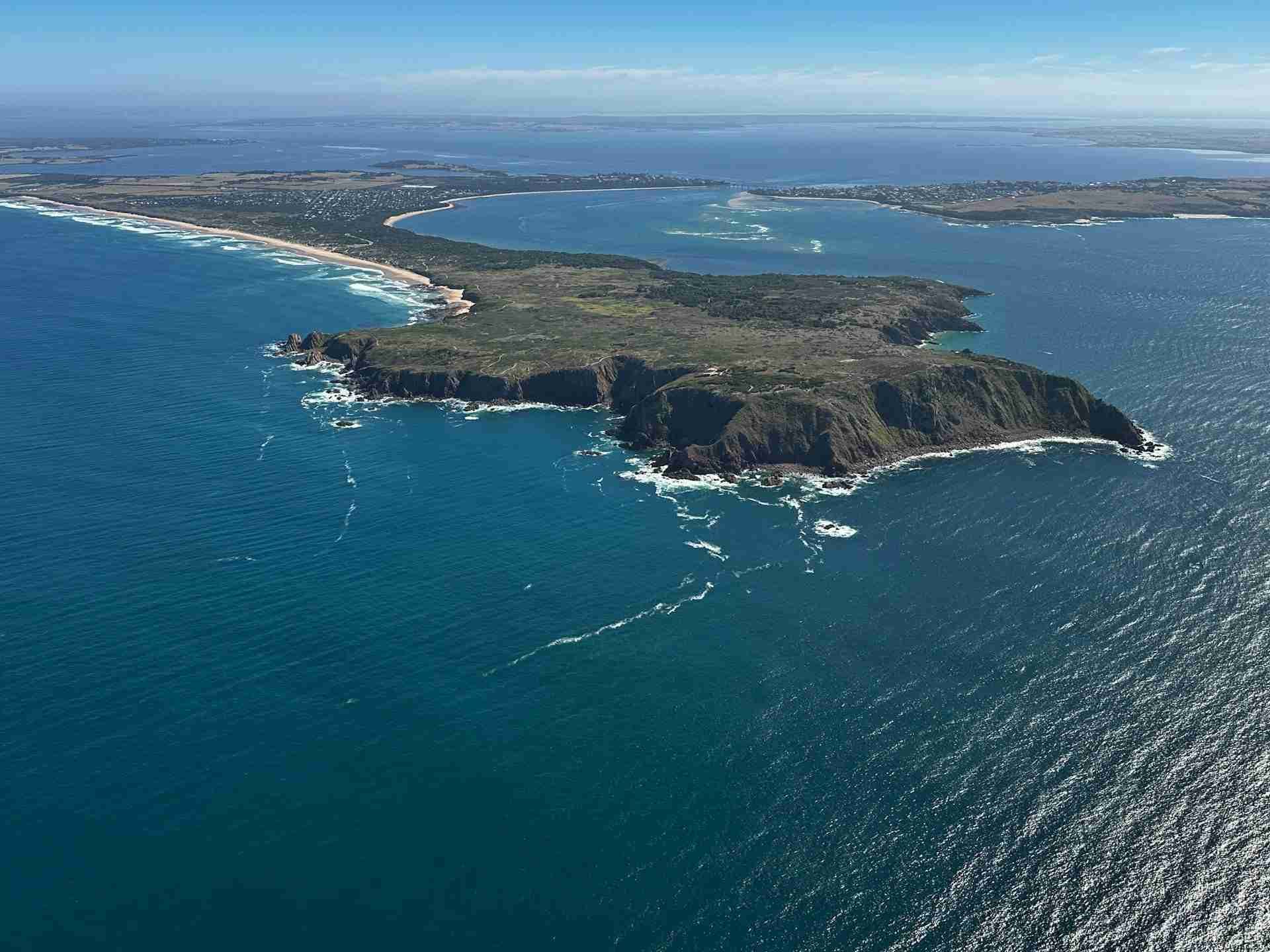
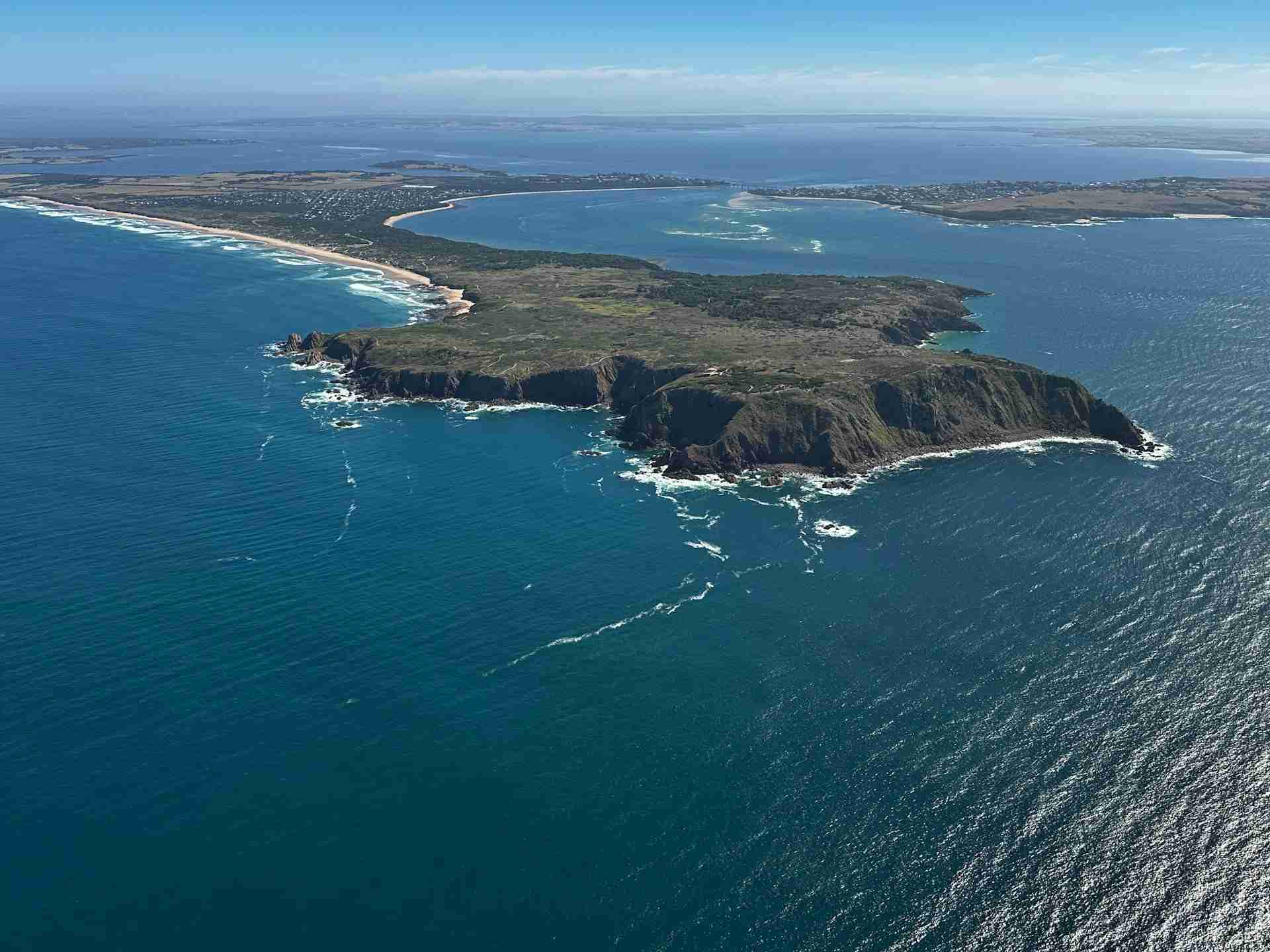
Rising high above the rugged southeastern tip of Phillip Island, the Cape Woolamai Beacon marks the highest point on the island and serves as a landmark for both sailors and photographers. Set atop windswept cliffs overlooking the Bass Strait, this simple white navigational pillar may appear understated on its own, but its setting—surrounded by dramatic sea views, honeycomb rock formations, and golden heathland—makes it a striking focal point in a powerful landscape. As part of the Cape Woolamai walking track network, the beacon is more than just a waypoint; it's a gateway to some of the most awe-inspiring coastal scenery in southern Australia, particularly at sunrise or under moody, fast-changing skies.
Best Photography Opportunities
• Beacon on the Clifftop Ridge
: The beacon itself is a slender white column perched on the island's highest headland, standing stark against the ocean and sky. Photographers can shoot it wide to emphasize its isolation and elevation, or use a telephoto lens to frame it against a turbulent sea or rolling clouds. Composing it off-center along the cliff line adds drama, especially during low-angle golden hour light.
• The Pinnacles and Coastal Formations
: Just south of the beacon lies the iconic Pinnacles—a cluster of jagged, rust-colored rock spires that rise from the sea. These formations are among the most photogenic elements of Cape Woolamai. Shooting from the cliff edge with the Pinnacles in the foreground and the beacon in the distance creates a layered composition that showcases the raw energy of the coastline. Long exposures during dusk can transform crashing waves into mist, adding a surreal texture around the base of the rocks.
• Sweeping Ocean Views and Trail Perspectives
: The hiking tracks leading to the beacon offer multiple viewpoints over the Bass Strait, with towering cliffs, breaking surf, and wind-sculpted vegetation. These trails make excellent leading lines in wide-angle compositions. Photographers can shoot along the path to include walkers or dramatic perspective, or step back and let the trail disappear into the wildness beyond the beacon.
• Heathland and Seasonal Colour
: In spring and early summer, low-lying wildflowers and native grasses bloom along the track, softening the scene with yellows, pinks, and greens that contrast beautifully with the deep blues of the sea and sky. Including patches of flora in the foreground gives your shots texture and anchors the starkness of the beacon in the living landscape.
• Storm Clouds and Coastal Weather Drama
: The exposed nature of Cape Woolamai makes it an ideal location for capturing fast-moving clouds and atmospheric light. Approaching storm fronts add visual weight to wide-angle compositions, while shafts of sunlight breaking through onto the water provide fleeting, high-impact moments that can elevate any image of the beacon or surrounding cliffs.
Best Time to Visit
Cape Woolamai is most photogenic during golden hour and blue hour, particularly in the early morning. Sunrise offers the most rewarding light, with the cliffs catching the first warm rays and the ocean glowing with color. In the evening, the cliffs and beacon silhouette against the fading light, especially on clear or partly cloudy days.
The site is beautiful year-round, but spring and early summer bring blooming coastal vegetation and softer wind conditions. Winter months can be wilder, with stronger winds and dramatic skies, making for more atmospheric long-exposure opportunities. Clear evenings may also reveal vivid Milky Way views—perfect for astrophotographers aiming to frame the beacon beneath the stars.
Avoid mid-day visits unless you're focused on stark, high-contrast imagery, as the light can be harsh and the sea glare intense. Also note that access is most enjoyable during cooler months or early in the day, as exposed conditions and lack of shade can make afternoon hikes taxing in summer.
How to Get There
Cape Woolamai is located on the southeastern tip of Phillip Island, roughly a two-hour drive from Melbourne. From the San Remo bridge, follow Phillip Island Road and Woolamai Beach Road to the Cape Woolamai Surf Life Saving Club, where a parking lot serves as the main trailhead.
From the car park, the Cape Woolamai loop walk leads to the beacon via several interconnected trails, including the Pinnacles Walk and Old Granite Quarry Trail. The full loop is approximately 8 kilometers and takes around 2–3 hours, with the beacon sitting at the apex of the cliffs. Good footwear is essential due to sandy paths and uneven terrain. Photography gear should be packed light, as the walk includes some moderate elevation and exposure to wind.
There are no fees or permits required for personal photography, and the trails are open year-round. Drones may be used cautiously, but check local regulations regarding flight restrictions, particularly due to nearby wildlife reserves.
Exploring the Surrounding Area
Cape Woolamai offers a constantly evolving coastal experience. Beyond the beacon itself, the surrounding area includes dramatic bluffs, secluded beaches, and lookout points that reward exploration. The southern cliffs are home to nesting shearwaters (muttonbirds) in the warmer months, offering a chance to photograph seabird colonies in flight or against sunset backdrops.
Back at the base of the cape, Woolamai Beach is known for its surfing culture and offers long shoreline compositions with crashing waves and silhouetted surfers at dusk. Inland, the former granite quarry provides a raw, industrial counterpoint to the wild natural beauty of the cape. Even casual stops along the track can reveal moments of light and shadow that transform simple scenes into powerful compositions.
Nearby Photography Locations
• The Pinnacles
: A short detour from the main trail, these vertical rock spires are among the most iconic formations on Phillip Island. Best shot at sunset with long exposure to smooth the surrounding sea and emphasize scale.
: Great for action photography of surfers, wide open seascapes, or minimalist long-exposures with moving waves and skies.
: Just before the bridge to Phillip Island, this working fishing pier offers boats, pelicans, and daily feeding shows—a good spot for casual wildlife and harbor photography.
: On the western tip of the island, the Nobbies offer panoramic ocean views, rugged coastline, and distant views of Seal Rocks—great for wildlife and landscape photographers alike.
: A quieter, pastoral contrast to the cliffs, this nearby island features heritage buildings, grazing animals, and calm, bay-facing light—ideal for golden hour and rustic rural compositions.
Cape Woolamai Beacon may be humble in form, but its presence atop one of Australia's most photogenic coastlines makes it a magnet for adventurous photographers. Here, raw geography meets elemental light, and every trail bend brings a new perspective on sea, land, and sky. Whether you're chasing sunrise drama, sculpted stone, or simply the silence of wind over heath, Cape Woolamai offers a landscape of rare cinematic power—and the beacon stands watch over it all.
Comments
Loading comments…