
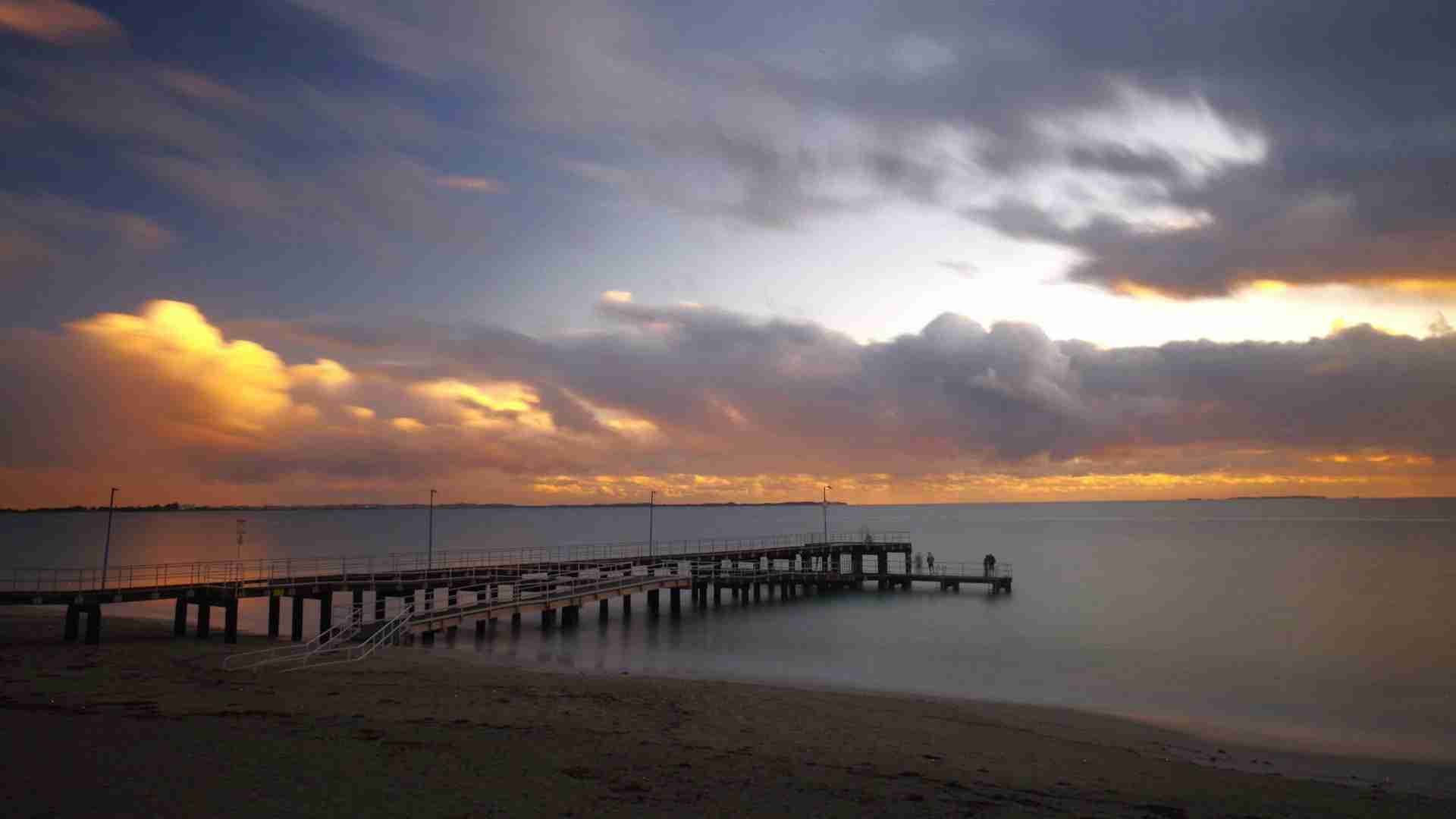
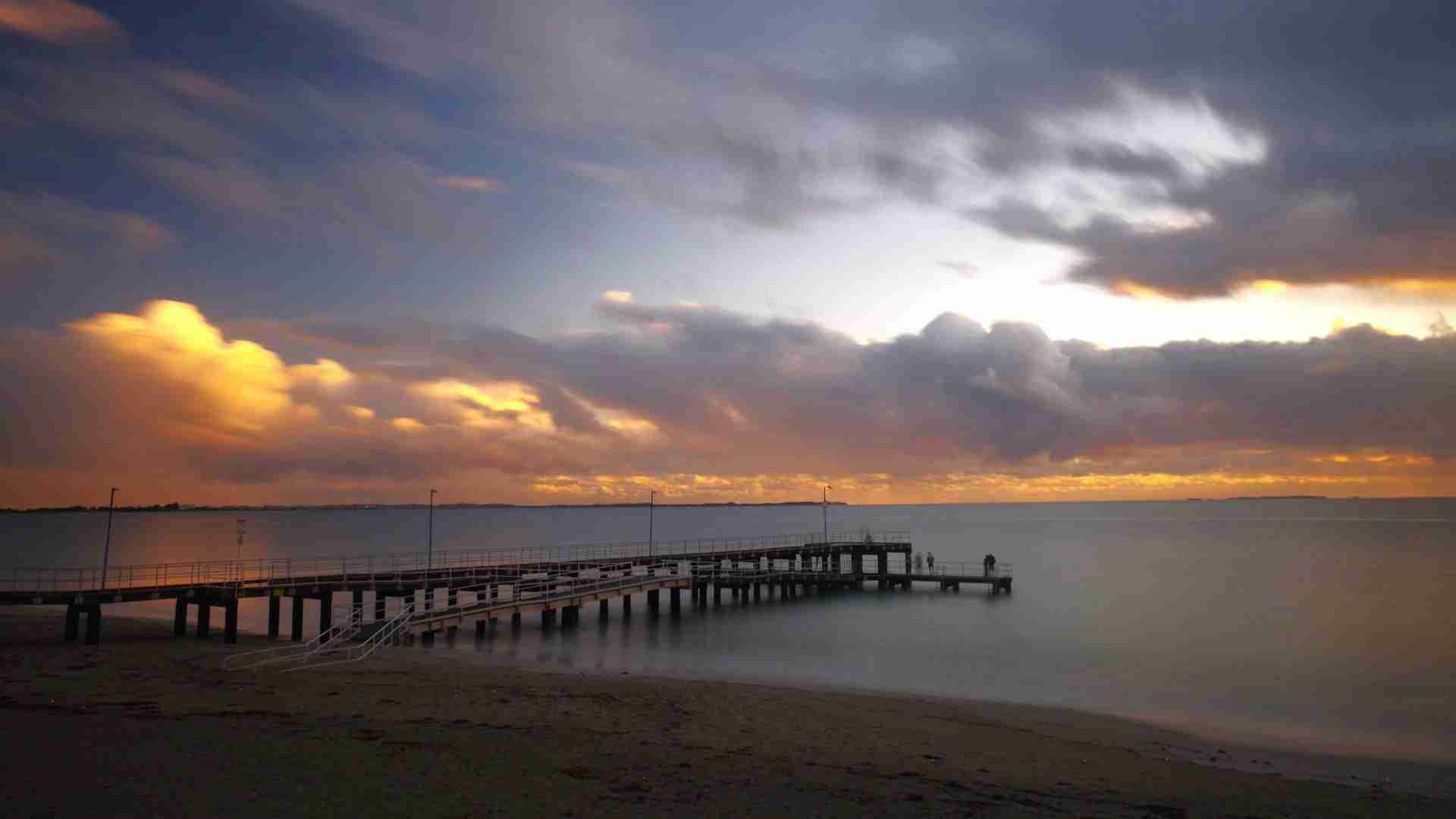
Tranquil Tides: A Photographer's Guide to Coogee Jetty, Coogee Beach
Set along the coast of Western Australia, Coogee Jetty stretches into the Indian Ocean from the northern end of Coogee Beach, presenting photographers with a harmonious blend of structured geometry and open sea. Its timber pylons and long walkway offer strong linear perspectives, while the surrounding beach, dunes, and cliffs provide versatile compositions that evolve with shifting light and tides. From gentle sunrises to moody long exposures and crisp nighttime astrophotography, Coogee Jetty is a location that rewards patience, creativity, and thoughtful framing.
Best Photography Opportunities
• Sunrise Reflections and Soft Light
Early morning is one of the most tranquil times to shoot at Coogee Jetty. As the sun rises behind the beach, its light often bathes the water and sky in pastel tones. The jetty's timber pylons reflect in the calm surface, making it ideal for mirror-like compositions. A wide-angle lens allows for sweeping views, and a tripod enables longer exposures that smooth the sea and enhance reflections. Look for scattered clouds to add texture and dimension to the sky. Reflections from the wet sand often double the drama, particularly when gentle waves roll in slowly and recede evenly.
• Underneath the Jetty at Low Tide
Low tide exposes the area beneath the jetty, where wooden beams and marine life form rich compositional subjects. This vantage point offers a tunnel-like perspective, drawing the eye out to the open ocean. Use a mid-range zoom to isolate interesting details such as wet sand patterns, encrusted barnacles, and angled sunlight. The structure casts rhythmic shadows that become more pronounced as the sun rises or sets. Be mindful of your positioning to catch silhouettes of swimmers or birds framed naturally between the pylons.
• Cliff and Tree Backdrops from the Beach
Facing inland from the end of the jetty, photographers can capture the rugged red cliffs and stands of Coastal Tea Trees that line the upper dunes. During midday or slightly overcast conditions, these elements create textured backdrops with warm tones and soft highlights. A telephoto lens allows you to compress the cliffs and beach activity into a single frame, especially effective when the tide is low and beachgoers are sparse. Look for interesting juxtapositions between people, architecture, and nature, especially when wind shapes the tree canopy or birds rest atop cliff edges.
• Golden Hour Silhouettes and Beam Details
The hour leading up to sunset casts warm, low-angle light across the beach and jetty. Shoot toward the horizon for bold silhouettes of the structure or stand back on the beach to capture golden glows illuminating the wooden slats and railing. Use a neutral density filter to create smooth ocean surfaces while preserving the graphic contrast of the jetty against the sky. Foreground rocks or driftwood can help frame your composition and anchor the scene. Experiment with different heights and viewpoints, including low crouches, to bring in leading lines from the shoreline.
• Night Skies and Jetty Perspectives
On clear evenings, Coogee Jetty is an excellent location for night photography. Away from city lights, the area reveals stars and, in winter, sections of the Milky Way. Use a tripod, wide-angle lens with an aperture of f/2.8 or wider, and 20 to 30 second exposures. Compose with the jetty as a leading line into the night sky or shoot beneath it to create a frame within a frame effect. Headlamp use should be minimal and always diffused to avoid harsh glare. Capture passing satellites or planes as light trails, or return during moonrise to light the water and add subtle color to the scene.
Best Time to Visit
Coogee Jetty is photogenic year-round, but specific conditions enhance its appeal. The best seasons are late autumn through early spring, from May to September, when the air is clear, and winter clouds often add dramatic contrast. These months also coincide with longer twilight hours and fewer beach visitors, providing more uninterrupted compositions. Summer months bring rich orange sunsets and lively beachgoer scenes but require more patience for clean, unobstructed frames.
For soft reflections and calm seas, arrive before sunrise when wind and wave activity are minimal. Mid-morning light works well for cliffside and dune details, especially on overcast days that diffuse shadows. Sunset brings warm tones, long shadows, and excellent conditions for backlit silhouettes. For astrophotographers, winter months provide crisp air and early nightfall, ideal for capturing constellations and star trails with the jetty as a foreground.
Tides influence both beach access and reflective surfaces. Low tide exposes sand flats and marine textures beneath the jetty, while high tide allows for more abstract, minimalist compositions where the jetty appears to float over the water. The interplay of tide and cloud cover can change the mood drastically, transforming a bright midday scene into something far more atmospheric. Always check local tide charts and wind forecasts when planning your session.
How to Get There
Coogee Jetty is located at the northern end of Coogee Beach in the coastal suburb of Coogee, Western Australia, about 25 minutes south of Perth. From Perth, take the Kwinana Freeway south to Spearwood Avenue, then turn west toward Cockburn Road and follow signage to Coogee Beach.
A public parking area is located directly adjacent to the beach and is free of charge. Access to the jetty is via paved walkways over low dunes, suitable for pedestrians and accessible for equipment carts or trolleys. There are no entrance fees, and the beach and jetty are open 24 hours a day. Be cautious of slippery surfaces if visiting early in the morning or during high tide. Restrooms and shaded picnic areas are available nearby for longer stays. If visiting for night photography, ensure you have all gear ready ahead of time as facilities close early.
Recommended Gear for Seascape Shoots
Bring a wide-angle lens, ideally in the 16 to 35mm range, for full jetty views, sky gradients, and immersive under-structure scenes. A standard zoom, like a 24 to 70mm, helps capture detail within the woodwork or isolate mid-distance wave action. A telephoto lens, from 70 to 200mm or more, compresses the red cliffs and tree line or picks out textures on distant waves.
A sturdy tripod is essential for long exposures, especially in the evening or during variable light. A circular polarizer will deepen the color of the ocean, manage surface reflections, and improve sky contrast. Neutral density filters from 3 to 6 stops allow experimentation with water smoothing and motion blur during daylight. Pack extra memory cards and batteries, as long sessions during twilight and night can be gear-intensive.
Protective gear is also important. A microfiber cloth will help clear salt spray from lenses. Lens hoods and waterproof coverings keep gear dry in shifting winds. For night shooting, a remote shutter release, red-light headlamp, and backup batteries are essential. Waterproof shoes or sandals are useful for navigating wet sand or getting beneath the jetty safely. Bring a lightweight weatherproof jacket to stay comfortable during early or late sessions.
Nearby Photography Locations
A short drive north, this historic timber jetty extends into deeper water and offers excellent opportunities for dramatic sunrise backdrops and marine activity. Its older structure provides weathered textures and layered angles ideal for black and white or long-exposure work.
This modern marina features curved boardwalks, reflective water, and a variety of boats and sailing rigs. It's a clean, minimalist environment best suited for sunset compositions when artificial lighting begins to reflect in the still water.
South of Coogee Jetty, this winding path along the coastal edge includes rocky ledges, wind-shaped trees, and dune grasses. Sunrise light grazes this area with soft golden warmth and works well for wide horizontal landscapes.
• C.Y. O'Connor Beach
Well known for its submerged horse sculpture and offshore pipeline ruins, this beach offers a strong historical subject embedded in the natural environment. It's especially striking during low tide or foggy conditions when forms emerge subtly from the sea.
• Beeliar Regional Park Wetlands
Located a short drive inland, this expansive wetland area provides a tranquil contrast to coastal scenes. Boardwalks over the water, reeds swaying in the breeze, and seasonal waterbirds create opportunities for soft, contemplative compositions in early morning mist or soft afternoon light.
Comments
Loading comments…