
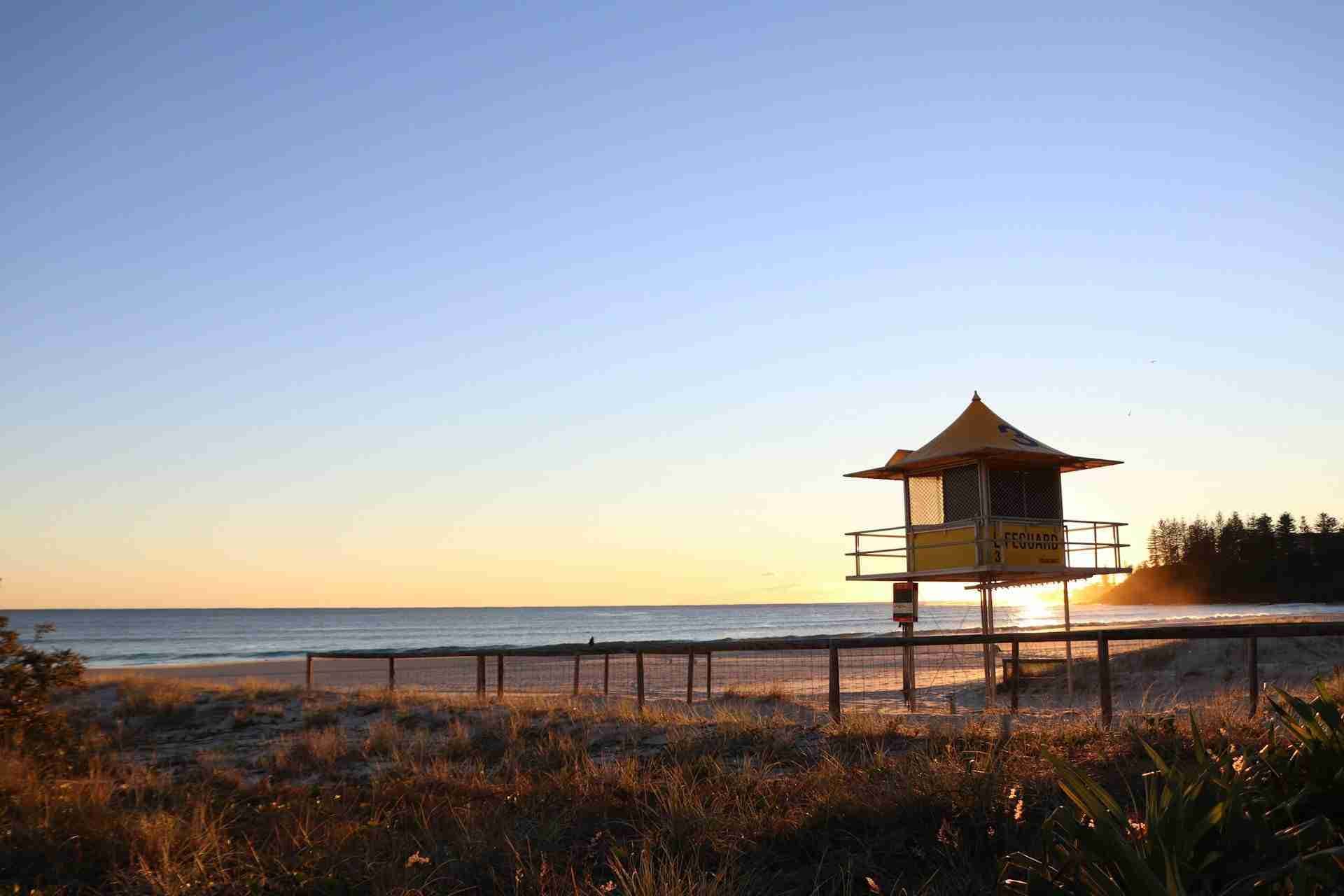
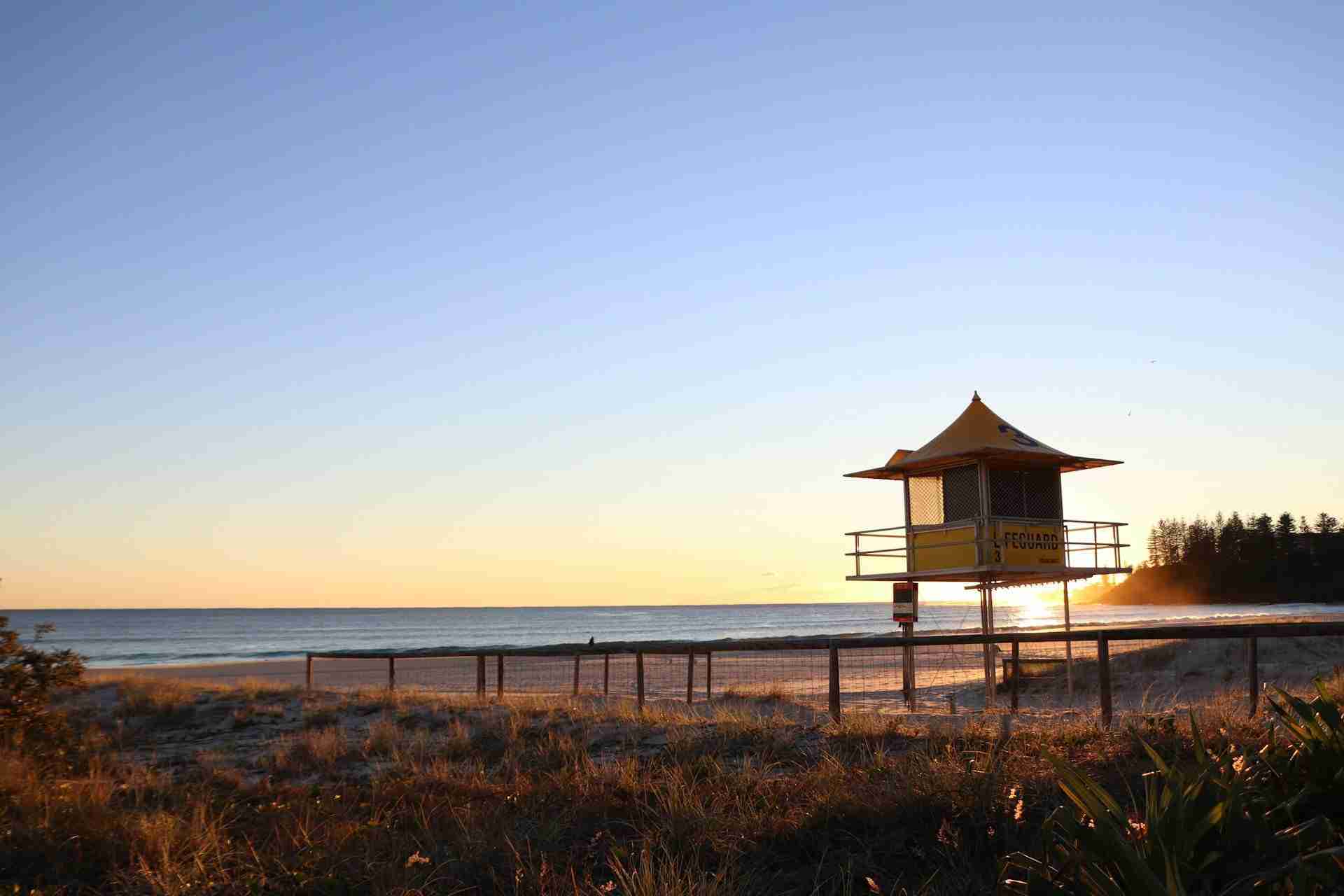
At the southern tip of Queensland's Gold Coast, where the shoreline spills into New South Wales, Coolangatta Beach offers a stunning convergence of ocean energy, golden light, and layered headlands. Backed by Norfolk pines and surf clubs, and facing the rolling swells of the Coral Sea, Coolangatta presents both the lively rhythm of a coastal town and the serene elegance of a wide, crescent-shaped beach. With iconic nearby breaks like Snapper Rocks and Greenmount Point, it's a prime location for seascapes, lifestyle portraits, surfing action, and glowing sunrise sessions. For photographers, Coolangatta is a coastal canvas where every hour brings a new variation in tide, light, and mood.
Best Photography Opportunities
• Sunrise from Greenmount Point
The headland at Greenmount Point provides a perfect vantage for shooting eastward across the beach and ocean. Arrive early to capture pre-dawn color and the first golden light as it hits the tide line and distant shoreline. Include silhouetted figures walking the beach or a wide-angle view with coastal foliage in the foreground for added depth. Morning mist over the water can add softness and a painterly touch.
• Golden Hour Surf Photography at Snapper Rocks
World-famous for its consistent right-hand break, Snapper Rocks is a magnet for surfers—and surf photographers. Use a long lens to isolate surfers against the curl of the wave, ideally during golden hour when low sunlight enhances spray and creates dramatic backlighting. From the rocks themselves, you can shoot at a slight elevation, adding scale and dynamic motion.
• Beach-Level Lifestyle and Editorial Shots
The long, gently sloping beach and clean, uninterrupted horizon make Coolangatta ideal for lifestyle photography. Shoot at low tide when the sand is firm and reflective, using the water's edge or the curve of footprints for leading lines. Early morning or late afternoon light casts soft shadows and gives skin tones a natural glow.
• Long Exposures with Tide and Cloud Movement
Coolangatta's wide beach is perfect for long-exposure seascapes, especially during overcast or transitional weather. Use an ND filter and a tripod to blur water and clouds into abstract forms. Composing with rocks or driftwood in the foreground helps anchor the motion and adds depth.
• Aerial Views of the Beach Curve and Border Markers
With a drone (where permitted), the symmetry of the beach, the curve of the headlands, and the shifting color of the sea become even more apparent. Include both the Queensland–NSW border and the layered wave sets rolling toward the sand for impactful top-down shots. Low tide often reveals sandbars and subtle texture in the shallows.
Best Time to Visit
Coolangatta Beach is a sunrise-facing location, which means early morning is the most rewarding time for both light and atmosphere. From October to March, the sun rises directly out of the sea, offering bold colors and long, golden rays along the tide line. In winter, the lower sun angle creates warm tones and side light that enhances texture in the sand and waves.
Late afternoon brings backlit scenes over the ocean if shooting west from the beach or south along the coastline. These conditions are excellent for silhouettes, rim-lit portraits, and high-contrast surf photography.
Overcast days are excellent for long exposure and minimalist compositions, especially when the water and sky take on subtle gradients of silver and blue. Summer brings more vibrant activity—ideal for street-style beach scenes—while winter offers cleaner air and fewer crowds for peaceful landscapes.
How to Get There
Coolangatta Beach is located at the southernmost end of the Gold Coast, directly adjacent to the Queensland–New South Wales border. It's easily accessible via the Gold Coast Highway or Gold Coast Airport, which is just five minutes away.
Parking is available along Marine Parade and nearby streets, with additional lots near Greenmount Point and Snapper Rocks. From most car parks, it's just a short walk to the sand or the lookout points above the beach.
The entire beach is highly walkable, and paved coastal paths make it easy to explore the area on foot with gear. Tripods, drones, and long lenses are all manageable here, though drone use should follow local council regulations and avoid busy areas.
Exploring the Surrounding Area
The area surrounding Coolangatta offers a rich variety of coastal and urban textures. Walk north along the beach and you'll reach the grassy rise of Kirra Hill, which provides a sweeping vista over the Gold Coast skyline and long stretches of beach—an excellent spot for sunrise panoramas and wide lens work.
To the south, crossing into New South Wales brings you to Duranbah Beach and Point Danger, where dramatic cliffs and crashing waves meet sculpted lookout platforms. These headlands are perfect for golden-hour silhouettes and stormy long-exposure scenes.
Inland from the beach, Coolangatta's streets and beachfront promenade host classic Queensland architecture, shaded courtyards, and palm-lined cafés—ideal for candid lifestyle or street photography with a coastal vibe.
Nearby Photography Locations
One of Australia's most iconic surf spots, Snapper Rocks offers consistent wave action, rocky textures, and the opportunity to shoot close to the action from a safe vantage. Early morning light adds drama to breaking waves and spray.
Just across the state line, this elevated headland offers panoramic views of both Coolangatta and Duranbah Beach. Ideal for sunrise or moody, stormy light with strong ocean movement below.
North of Coolangatta, Kirra Beach is known for its long, open stretch and sweeping surf lines. Kirra Hill provides an elevated viewpoint with perfect alignment for wide-angle coastal shots and clean skyline compositions.
• Tweed River Estuary
A short drive south, the Tweed River offers calm water reflections, mangrove ecosystems, and boat silhouettes at sunset. Great for contrast with the ocean's energy and for golden, glassy late-day light.
About 30 minutes inland, these freshwater swimming holes provide a lush, green alternative to beach scenes, with shaded light, waterfalls, and mossy rock textures—perfect for tranquil long exposures or adventurous lifestyle work.
Coolangatta Beach captures the essence of Queensland's coastal appeal: energetic yet relaxed, golden yet raw, vast yet intimate. For photographers, it's a playground of changing tide lines, dynamic wave forms, and endless possibilities in composition and light. Whether you're chasing the morning glow from a headland, crafting lifestyle stories on the sand, or isolating a lone surfer in mid-turn, Coolangatta delivers a visual rhythm as steady and timeless as the ocean itself.
Comments
Loading comments…