
Gunnamatta Ocean Beach stretches along the rugged southern coastline of the Mornington Peninsula, where powerful surf rolls in off Bass Strait and breaks against sandstone shelves, rock pools, and windswept dunes. It is a place defined by constant motion, where strong lateral tides, shifting sandbars, and dramatic skies make for an ever-changing photographic landscape. The beach is known for its raw, open energy and deep contrast, with bright highlights on water and sand against the dark recesses of sea cliffs and storm clouds. Photographers will find a wealth of material here, from minimalist compositions along the low-tide shelf to high-action wave shots, long exposures, and silhouettes beneath fast-moving cloud. Despite its popularity with surfers, it still offers enough space and rhythm to work deliberately with composition, texture, and light.
Best Photography Opportunities
Low Tide Rock Platforms and Pool Reflections
At low tide, Gunnamatta reveals wide stretches of rock shelf pocked with tidal pools, barnacle-encrusted ledges, and wave-etched textures. These areas are ideal for working with shallow reflections and small-scale seascapes. Early morning or evening light provides low-angle illumination that skims across the rocks, enhancing contrast and color. Use a tripod and a wide-angle lens to create layered compositions that lead from foreground pools into open ocean. Reflections of pink or grey skies in still pools can balance the heavier textures of the rocks. These moments often work best under soft, moody light rather than clear skies.
Dramatic Surf and Whitewater Movement
Gunnamatta is known for its consistent swell and forceful break, which offers strong opportunities for capturing wave impact and water dynamics. During mid-tide, when the waves are actively breaking across the beach face, use a fast shutter speed to freeze spray or experiment with slower shutter settings for creative blur. Position yourself well back from the shoreline with a medium telephoto lens to compress the action and isolate the arc of breaking surf. Overcast or stormy conditions add drama to the background and help retain highlight detail in the foam. Avoid getting too close to the waterline, as sudden surges are common here.
Wind-Scoured Sand Dunes and Grasses
Behind the beach, a series of high dunes shaped by prevailing winds offers quieter scenes and soft, sculptural lines. These dunes are often dotted with tufts of coastal grasses and low vegetation, creating opportunities for intimate landscapes and tonal studies. Shoot during golden hour when sidelight exaggerates the curves of the dunes and casts long shadows from the plants. Use a telephoto lens to compress layers or go wide to place footsteps, ridgelines, or grass in the foreground. Overcast days flatten contrast for a more muted palette that works well in black and white.
Silhouettes and Minimal Compositions at Dusk
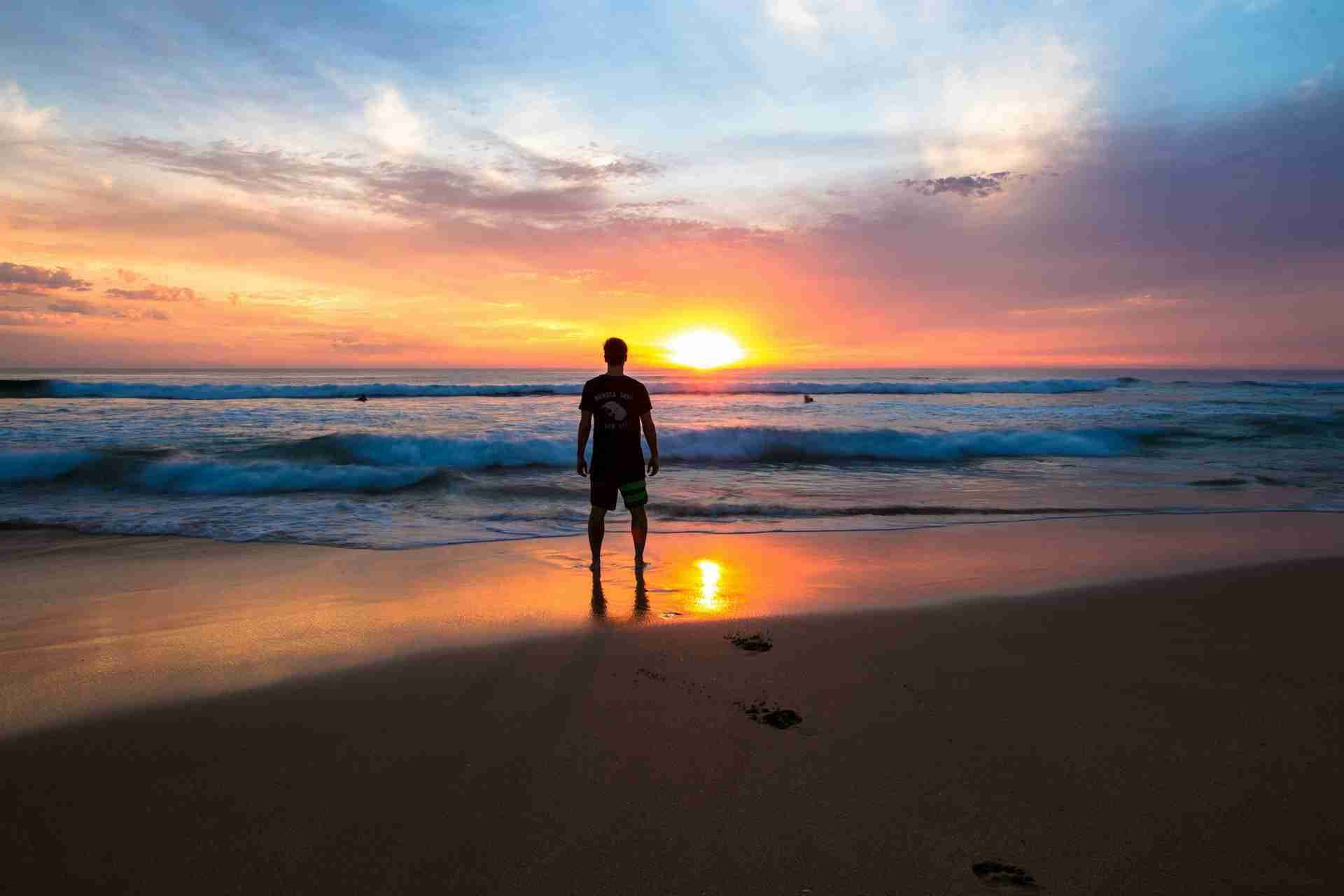
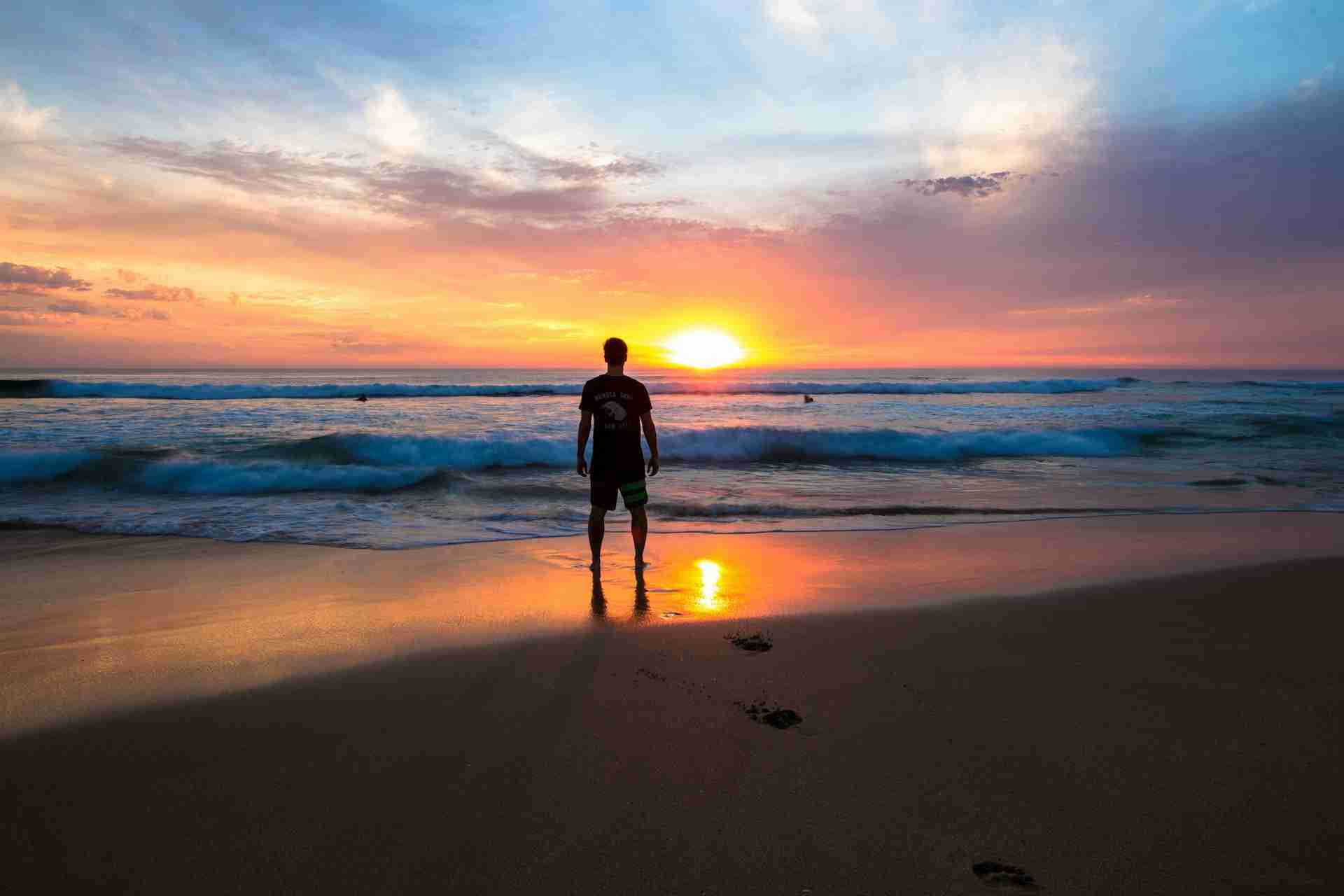
As the sun drops behind the western dunes, Gunnamatta transforms into a space of silhouettes and fading color. This is the time for long lenses and single-subject compositions such as lone surfers walking the beach, seabirds skimming the shoreline, or a figure paused against the last sky glow. Underexpose slightly to deepen the shadows and let the colors hold more saturation. The openness of the beach allows for clean backgrounds and uninterrupted horizon lines, ideal for minimalist approaches or moody portraiture. Work quickly, as light fades fast and the beach can become isolated after dusk.
Storm Fronts and Changing Sky Over Bass Strait
Weather changes rapidly along this stretch of coast, and the interplay between sea and sky often creates bold compositions. Cloud banks forming over Bass Strait move inland quickly, creating contrast-rich skies that dominate the scene. These conditions are well suited to both wide landscape shots and tighter studies of texture and tone. A graduated neutral density filter will help hold exposure in the sky without sacrificing detail in the water. Position yourself facing east or southeast to shoot underlit cloud forms during sunrise, or westward in the afternoon for backlit textures and wave shadow play.
Best Time to Visit
Gunnamatta is best photographed in the early morning or late afternoon when light falls across the dunes and surf at a low angle, emphasizing form and contrast. Mornings are generally calmer, with better conditions for shooting rock shelves and still reflections in pools. Evenings lend themselves to silhouettes, color in the clouds, and abstract compositions using longer lenses. Winter and early spring offer the best drama, with storm systems passing through the region, higher swell, and brooding skies. During summer, light can become harsh by mid-morning and the beach is more heavily trafficked.
Tide is a major factor at Gunnamatta. Low tide opens access to rock platforms and tide pools. Mid-tide brings active surf and stronger movement for water-based compositions. High tide reduces workable space and increases risk near the waterline. Swell conditions are constantly changing, so check surf reports and tide charts in advance to plan your timing for the types of shots you want to create.
How to Get There
Gunnamatta Ocean Beach is located within the Mornington Peninsula National Park, approximately ninety minutes by car from Melbourne. From the town of Rye or Rosebud, take Boneo Road south to the Boneo Horse Trail, which leads to Truemans Road and the Gunnamatta car park. Signage is clear throughout the area and the road is sealed up to the car park entrance.
The beach is accessed via a short walking track through the dunes, which takes around five to ten minutes and includes a staircase at the end. There are no entry fees, though the car park may fill during summer weekends and holidays. Facilities at the site are minimal, with no shops or surf patrol during off-season months. Be prepared with water, appropriate clothing, and protection for your gear, as the wind and sand can be intense. The beach is known for strong rips, so remain cautious around the water's edge, especially during solo visits or in low light.
Recommended Photography Gear
A wide-angle lens is essential for capturing the open beach, rock shelves, and dramatic skies. A focal range of 16 to 35 millimeters will allow you to work close to foreground textures while including background cloud or surf movement. A medium zoom from 24 to 70 millimeters offers flexibility for walkaround compositions, and a telephoto in the 70 to 200 millimeter range is excellent for isolating action in the waves, pulling in cloud structure, or capturing silhouettes at a distance.
A tripod is critical for long exposures and evening work, particularly on the rock shelves or during fading light. Bring a six-stop or ten-stop neutral density filter for smoothing wave movement and a graduated neutral density filter to manage sky brightness. A circular polarizer is useful for enhancing contrast in wet surfaces and reducing glare. Sand and wind protection for your camera is essential. Consider using a lens hood and a rain sleeve. Grippy footwear will help on slippery rocks, and a microfiber cloth is a must for clearing sea spray off lenses in blustery conditions.
Nearby Photography Locations
Just a short drive south, Cape Schanck offers volcanic cliffs, lighthouse views, and sea caves. The area is especially photogenic at sunrise, when low light wraps around the rock formations and long exposures can soften the incoming tide across basalt platforms.
Northwest of Gunnamatta, St Andrews Beach offers a more open, sloping shoreline with fewer rock formations but strong opportunities for minimalist wave and horizon shots. It is less visited and best at sunset when soft golden light sweeps across the sand.
Near Blairgowrie, this compact coastal cove is framed by honeycomb rock shelves and turquoise water. At low tide, natural rock bridges and water channels become accessible, making it ideal for layered seascapes and abstract detail work.
Accessible via a walking track from Cape Schanck, Bushrangers Bay is surrounded by steep cliffs and is one of the most isolated and visually dramatic beaches on the peninsula. Its wild, enclosed setting is ideal for stormy compositions and long-exposure coastal photography.
Further west, this beach features jagged limestone outcrops and layered rock ledges that create bold lines and tidal contrasts. It is popular with photographers during low tide when sand patterns emerge and best shot at sunrise or in dramatic weather conditions.
Gunnamatta is a beach that challenges you to adapt. The conditions shift quickly and the compositions often depend on light you cannot predict and timing you cannot force. But when all the elements line up, when the tide pulls just right, the sky darkens with texture, and a single wave breaks into form, it rewards patience with images that feel carved out of wind and water. It is not a quiet place, but it offers clarity to those willing to move with it.
Comments
Loading comments…