
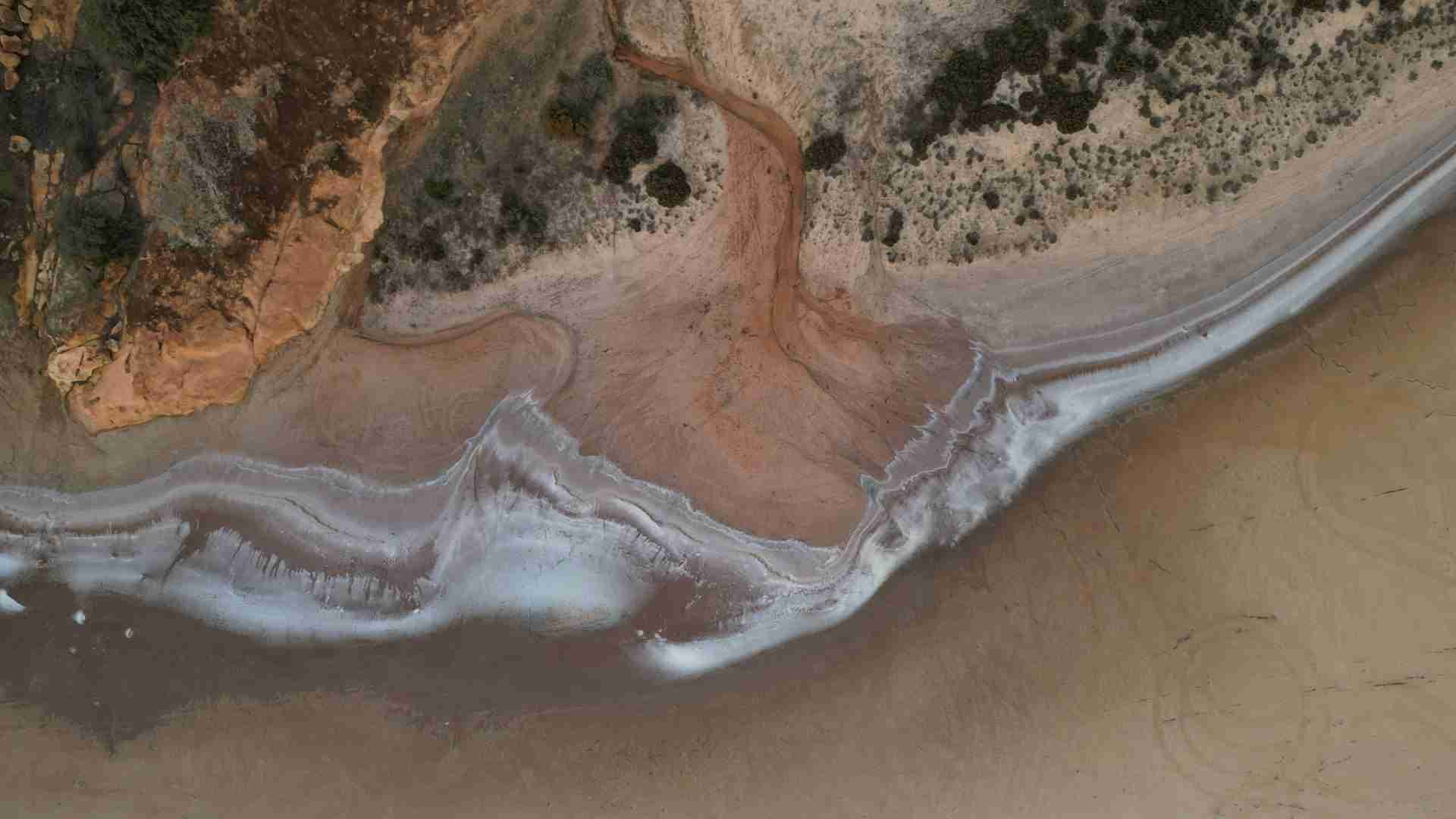
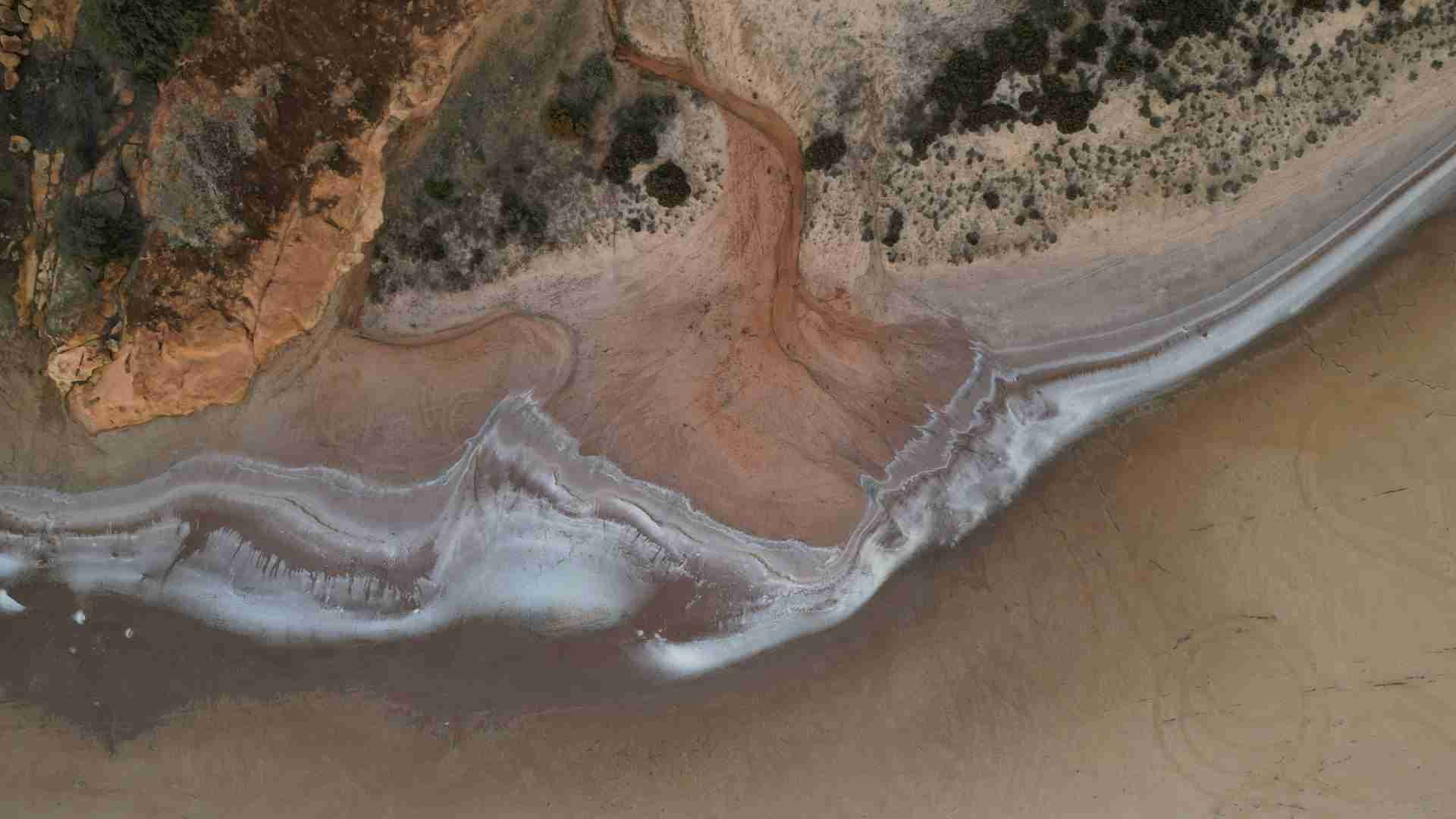
Located just outside the rural town of Nungarin in Western Australia's Wheatbelt region, Lake Campion Nature Reserve offers a wide, open canvas for landscape photography. Known for its occasional pink hues caused by salt tolerant algae and minerals, the lake stretches across a mostly flat plain framed by low scrub and distant farmland. When dry, the cracked saltpan reveals bold textures underfoot, while after rainfall, shallow water creates mirrored reflections under expansive skies. The quiet, isolated setting allows uninterrupted shooting with shifting light that transforms the scene throughout the day. It's a location that rewards attention to surface detail and patience with changing weather, especially for photographers interested in working with minimal compositions and earthy color.
Best Photography Opportunities
• Saltpan textures during dry periods
When the lake bed is dry, wide stretches of cracked earth form natural patterns that work well for minimalist compositions. These textures are most defined in early morning or late afternoon, when angled sunlight casts low shadows into the fissures. A wide angle lens exaggerates the foreground and adds drama to an otherwise flat horizon, especially when positioned low to the ground. Including a figure or a solitary object in the distance can help break the uniformity and create a sense of scale. This type of shot relies on even lighting and controlled highlights, so a polarizing filter can be useful to manage reflection and deepen contrast.
• Reflections after rainfall
Following seasonal rains, shallow pools of water collect in the lake bed, turning the landscape into a mirror for the open sky. These conditions are ideal for symmetrical compositions that rely on clean light and uncluttered backgrounds. Sunset is especially effective, as the low angle sun creates warm tones and introduces soft color gradients across the water. Using a tripod helps manage exposure and alignment, especially when working with slower shutter speeds to smooth ripples. To get the most out of these reflections, position yourself at the edge of a shallow section with a low horizon line to maximize the sky's impact.
• Color variations from mineral deposits
During certain times of year, mineral content and algae growth can tint the lake bed or shallow water with subtle shades of pink or orange. These colors vary with depth, light, and recent weather conditions, but they can add an unusual and visually distinct element to wide or medium frames. A standard zoom lens is useful here, allowing you to move between broad scenes and tighter abstracts. Color is strongest in direct sunlight, so timing your visit around golden hour can help enhance saturation without flattening contrast. Keep compositions simple to let the color shifts carry the image.
• Low scrub and open skies
The edges of the lake are dotted with low native vegetation and scattered trees, which contrast sharply with the exposed flatness of the saltpan. These areas work well for layered compositions where you can frame foreground plants against the wide backdrop of the lake and sky. Side light from morning or late day adds shape to the brush and keeps highlights under control. Working with a mid range focal length gives more flexibility for isolating tree silhouettes or structuring compositions with clean separation between ground and horizon. Wind conditions can affect clarity, so keep an eye on moving branches or grass if shooting longer exposures.
• Aerial and drone photography
The flat and open nature of Lake Campion makes it an excellent subject for aerial work. From above, you can capture the full geometry of salt patterns, color gradients, and the lake's irregular shoreline. Flight at lower altitude highlights surface texture, while higher views allow you to show the contrast between the lake bed and surrounding farmland. Early morning and late afternoon give the best shadow definition, especially along the edge of the waterline or raised areas of terrain. Always check local drone regulations, and maintain line of sight.
Best Time to Visit
Photography conditions at Lake Campion vary significantly by season. The most productive months are late autumn through early spring, when temperatures are moderate and the light remains soft for longer periods. During these months, early morning and late afternoon offer angled sunlight that brings out surface texture and adds dimension to compositions. Golden hour is especially effective after rain, when shallow water remains in the lake bed and reflections are at their peak.
The lake tends to be dry during summer, especially in years with low rainfall. However, this dry period can still be excellent for texture driven photography, particularly if you aim to capture cracked earth and mineral deposits. Overcast days reduce contrast and can help if you're focusing on abstract compositions or color shifts in the salt surface.
Sunrise tends to offer the calmest conditions with minimal wind, which is ideal for reflection photography. Sunset often introduces more dramatic color, especially when clouds are present on the horizon. Storm fronts passing through the area also offer opportunities for moody, atmospheric sky backdrops over the flat expanse of the lake.
How to Get There
Lake Campion is located approximately 12 kilometers east of the town of Nungarin in Western Australia. From Nungarin, take Lake Brown South Road or Karomin Road, both of which connect to access points near the lake. The roads are unsealed but typically accessible to standard vehicles in dry conditions. After heavy rain, road surfaces may become muddy or rutted, so check local weather and road conditions before setting out.
There are informal pull off areas along the edge of the lake where you can safely park. There are no developed facilities or viewing platforms, so be prepared to walk short distances across uneven ground to reach the best shooting spots. Entry to the reserve is free, and there are no restrictions on photography. Drones may be flown legally in the area, but standard civil aviation guidelines apply.
Bring all necessary supplies with you, including water, sun protection, and a map or GPS device, as cell service can be unreliable in this part of the Wheatbelt. There are no amenities at the site itself, so plan accordingly.
Recommended Photography Gear
A wide angle lens is the most useful tool for capturing the open layout of the salt lake and the sky above it. A standard zoom in the 24 to 70 millimeter range helps with medium compositions and allows flexibility when shooting details or distant trees. A short telephoto lens can be useful for compressing layers or isolating features on the edge of the lakebed.
A tripod is strongly recommended for low light work, reflection shots, and long exposures. A circular polarizing filter helps control glare from the salt surface or shallow water and boosts color contrast during bright daylight. For aerial work, a drone with a high resolution camera and adjustable aperture provides the most control for managing highlights and shadows over the lake surface.
Wear shoes suitable for walking across salty or muddy terrain, and carry a cloth or small brush to clean gear if you're working close to the ground. Conditions can be dusty or reflective, so lens cleaning tools are essential.
Nearby Photography Locations
Located northeast of Lake Campion, this granite outcrop rises above the surrounding farmland and offers panoramic views of the Wheatbelt landscape. Wildflowers bloom here in spring, and the exposed rock makes a good subject in changing light.
In town, this local museum provides opportunities for industrial and historical photography. The outdoor displays of rusting farm equipment, trucks, and military gear offer texture-rich subjects with strong shapes and metallic detail.
• Eaglestone Rock
Eaglestone Rock is another granite outcrop with surrounding bushland and lake views. The location is especially good at sunrise or sunset, with wide skies and rugged rock formations that catch color and shadow well.
A well-preserved 19th century homestead complex set among dry paddocks and low hills, this site is ideal for rustic architectural photography. The buildings and stone walls hold up well in side light, and the open setting allows for layered, uncluttered framing.
This large granite rock formation features gnamma holes, old water tanks, and views over surrounding farmland. The mix of natural features and historical water catchment infrastructure creates variety for photographers interested in blending natural and man-made forms.
Lake Campion Nature Reserve is a place that doesn't rely on dramatic landmarks or built structures to make a strong photograph. Its open space, natural surface textures, and slow-changing light create the kind of environment that encourages patience and careful composition. Whether you are working close to the ground with abstract details or capturing broad reflections at sunset, the lake offers calm, quiet images that feel grounded in place and light.
Comments
Loading comments…