
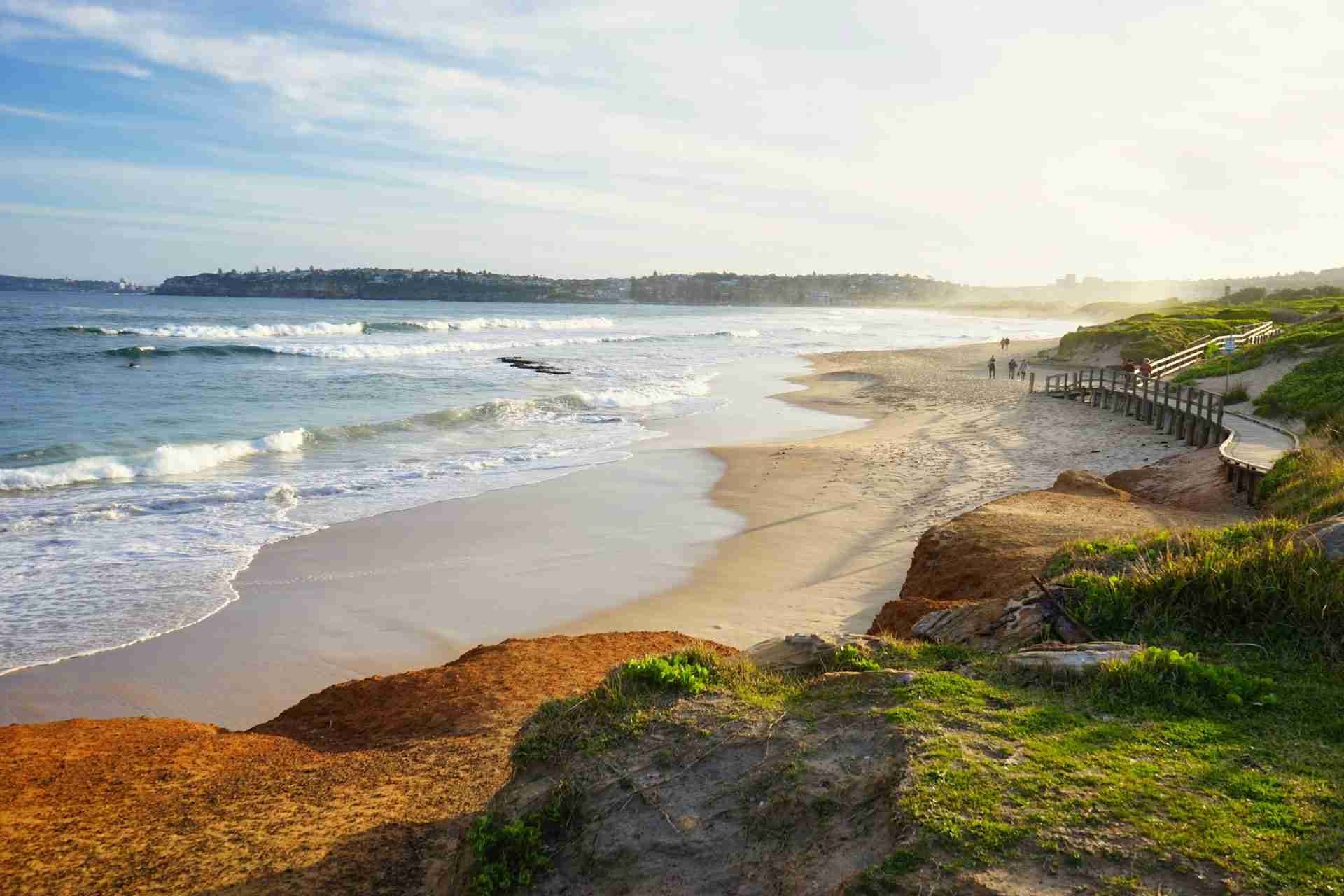
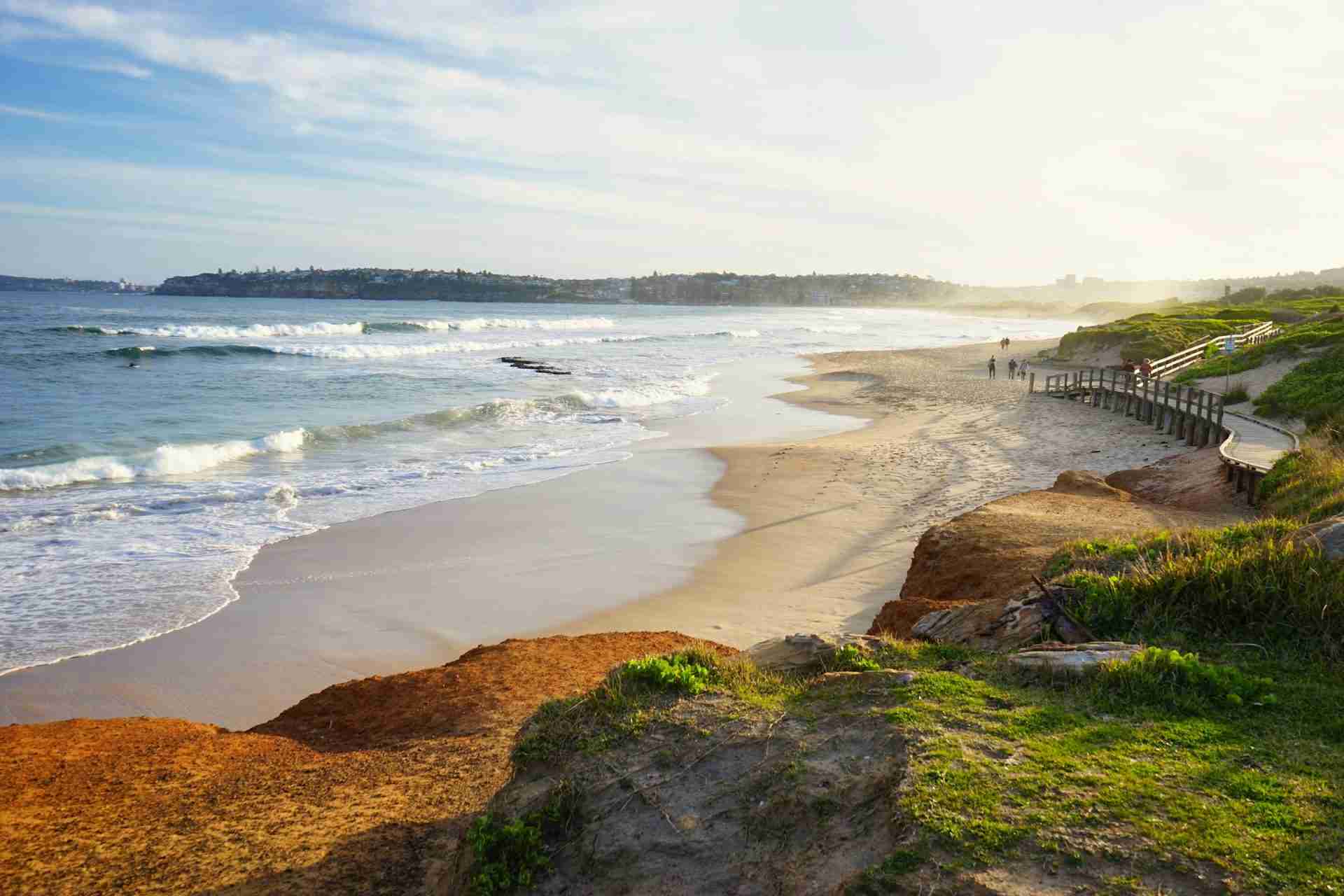
Long Reef Beach stretches along the Northern Beaches of Sydney where open ocean swells meet a wide sandy shoreline backed by low dunes and grassy headlands. The beach runs beneath the prominent Long Reef Headland, a rocky peninsula that extends into the Pacific and creates one of the most visually varied coastal landscapes in the area. For photographers, the location offers a blend of expansive seascapes, textured rock platforms, tidal pools, and elevated viewpoints overlooking the coastline. Waves roll steadily onto the shore while seabirds circle above the cliffs, adding movement to wide coastal scenes. With its open views, changing tides, and accessible walking paths, Long Reef Beach provides a range of photographic opportunities that shift throughout the day depending on light and ocean conditions.
Best Photography Opportunities
•Clifftop Views – The grassy headland that rises above Long Reef Beach provides one of the most rewarding viewpoints in the area. From the walking path that circles the headland, photographers can capture sweeping views of the coastline stretching north toward Collaroy and beyond. The elevation helps create strong layered compositions where the foreground cliffs lead the eye toward the beach and distant ocean horizon. Sunrise and sunset both produce excellent conditions here as the sun moves across the open water and lights the coastline from different angles. Wide lenses work well for emphasizing the scale of the coastline, while slightly longer focal lengths can isolate waves breaking along the reef below.
• Rock Platforms and Tide Pools – At low tide, extensive rock platforms become exposed around the base of the headland and along parts of the beach. These textured sandstone surfaces contain shallow pools that reflect the sky and surrounding cliffs, creating interesting foreground elements for coastal compositions. Photographers can position themselves close to the water to capture waves washing across the rocks while the headland rises in the background. Timing is important here because incoming tides can quickly cover the platforms and limit access. Early morning light often produces softer tones on the rocks while the pools remain calm enough for reflections.
• Surfers and Rolling Wave – Long Reef Beach is well known among surfers for its consistent waves, which also create strong visual interest for photographers. Capturing the energy of breaking waves along the shoreline can produce dramatic images, especially when the surf is active. Shooting from slightly elevated positions along the dunes can help frame the waves with the length of the beach stretching into the distance. Faster shutter speeds allow photographers to freeze the motion of crashing waves, while slower shutter speeds can soften the movement of the water for a more fluid look. Watching the rhythm of the waves helps anticipate the most powerful breaks.
• Sand Patterns and Coastal Details – The long stretch of beach often develops subtle patterns in the sand created by retreating waves and shifting tides. These natural textures provide interesting foreground elements for minimalist coastal compositions. Early morning is often the best time to photograph these details before footprints and beach activity disturb the surface. Low angles close to the ground can emphasize the patterns while allowing the ocean and sky to form a simple backdrop. These quieter scenes can provide a strong contrast to the more dramatic wave photography along the shoreline.
• Seabirds and Coastal Wildlife – The headland and surrounding shoreline attract a variety of seabirds that often glide along the cliffs or gather near the rock platforms. Photographing these birds in flight can add life and movement to coastal landscapes. Longer lenses help isolate birds against the ocean or sky while still including parts of the headland within the composition. Early morning tends to be more active as birds search for food along the shoreline. Patience is helpful here since birds frequently circle the headland before landing along the rocks below.
Best Time to Visit
Long Reef Beach offers strong photographic opportunities throughout the year, though lighting conditions and ocean activity change with the seasons. Sunrise is particularly rewarding because the beach faces east, allowing the first light of day to rise directly over the Pacific Ocean. Soft early morning light spreads across the sand and rock platforms, creating balanced exposures and subtle color in the sky.
Sunset can also produce compelling scenes when warm light reflects off the sandstone cliffs of the headland. During winter months the lower angle of the sun can add more directional light across the beach, helping reveal texture in the sand and rock formations. Low tide is often the most productive time for photographers who want to explore the rock platforms and tidal pools. Checking tide charts before visiting can help ensure safe access and better shooting conditions.
How to Get There
Long Reef Beach is located on Sydney's Northern Beaches between the suburbs of Dee Why and Collaroy. The area is easily accessible by car from central Sydney. Parking is available near Long Reef Headland and along nearby streets, with several access points leading directly to the beach and the walking paths around the headland. The Long Reef Headland walking track begins near the golf course and loops around the peninsula, providing several scenic viewpoints along the way. Photographers planning to explore the rock platforms should approach from the beach during low tide for safer access.
Public transport options are also available, with buses connecting the Northern Beaches to central Sydney and stopping within walking distance of the beach. Access to the beach and headland is generally free, though parking regulations may apply depending on the area and time of day.
Recommended Photography Gear
Long Reef Beach offers a mix of wide coastal views and smaller shoreline details, so carrying a flexible set of lenses can be useful. A wide lens works well for capturing the scale of the coastline from the headland and for including the rock platforms in the foreground. A medium zoom lens is helpful for photographing waves, surf activity, and more focused compositions along the beach.
A sturdy tripod is valuable for photographers interested in long exposure seascapes, especially during sunrise or sunset when slower shutter speeds help smooth the motion of the water. A circular polarizing filter can reduce glare on wet rocks and deepen the color of the ocean and sky. Neutral density filters are also helpful for extending exposures during brighter conditions. Because ocean spray and wind are common near the cliffs and rock platforms, bringing a lens cloth and protective gear for equipment is a practical choice.
Nearby Photography Locations
sits just south of Long Reef and offers a lively coastal setting with a long sandy shoreline and a popular ocean pool. Photographers can capture surfers, breaking waves, and the rhythm of beach life throughout the day. The ocean pool at the southern end provides strong foreground lines that work particularly well during sunrise.
lies immediately north of Long Reef and offers wide open coastal views along Sydney's Northern Beaches. The shoreline curves gently along the bay, allowing photographers to frame waves and beach scenes with the surrounding headlands in the distance. Early morning light often produces clean, bright colors across the water and sand.
provides a completely different landscape compared to the open coast. The calm waters of the lagoon often produce reflections of surrounding hills and sky, creating peaceful scenes that contrast with the energy of the nearby ocean. Walking paths around the lagoon also offer several viewpoints where photographers can capture birds and quiet water scenes.
is well known for its powerful surf and long stretch of sand that extends toward the northern headlands. Photographers can capture dramatic wave action and surfers riding larger swells when conditions are right. The beach also works well for wide coastal scenes during sunrise when light spreads across the open water.
• Barrenjoey Headland
rises steeply above the ocean and provides panoramic views of the coastline. The historic lighthouse at the summit creates a strong focal point for landscape photography. From the top, photographers can capture sweeping views of the ocean, nearby beaches, and the entrance to Pittwater.
Comments
Loading comments…