
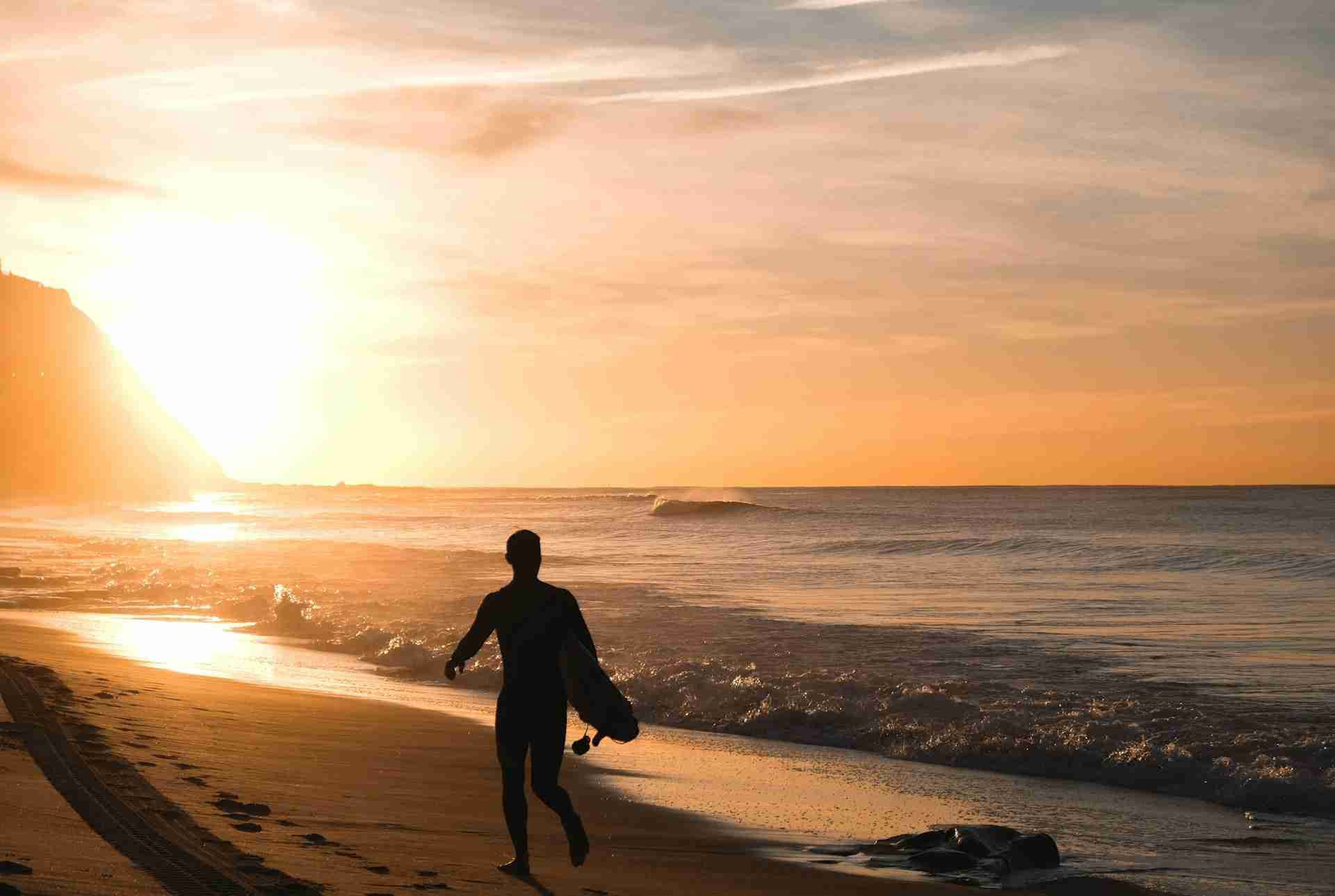
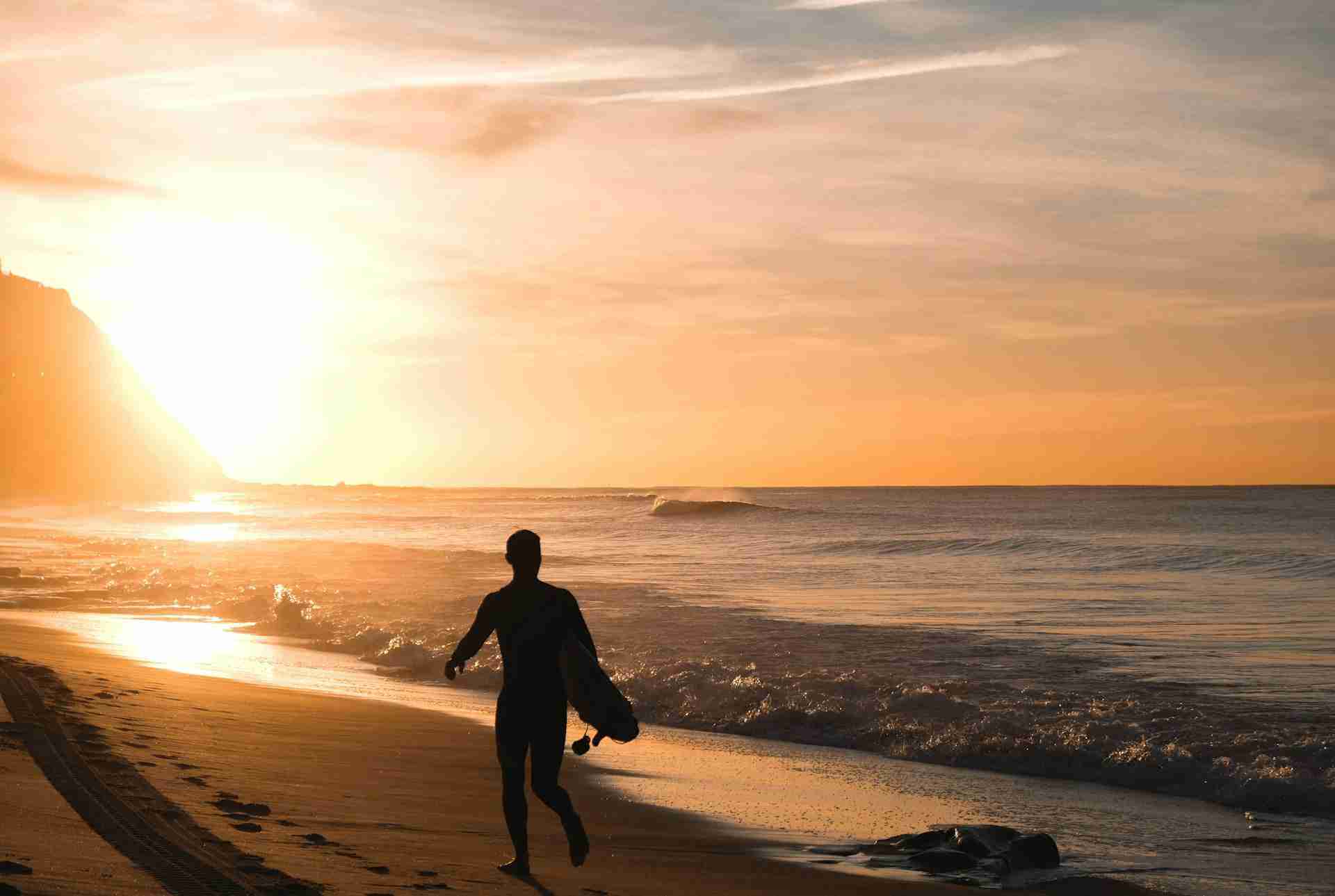
Merewether Beach is one of the most reliable spots on the New South Wales coast for photographers who want variety in a single location. The beach offers wide open views of the Pacific, layered rock platforms that shift with the tide, and the well-known ocean baths that sit right at the water's edge. It has enough structure to help with composition, but also enough natural movement to keep things unpredictable. Surfers are out early, walkers pass through all day, and changing weather often brings moody skies that add depth to the scene. Whether you are focused on seascapes, long exposures, or everyday moments along the coast, this is a beach that delivers something worth shooting almost every time you visit.
Best Photography Opportunities
• Merewether Ocean Baths
The ocean baths are one of the most photographed features at Merewether, and for good reason. Their long, clean lines create a strong anchor for wide shots, and the open view to the horizon gives you space to work with both sky and sea. At sunrise, soft light hits the surface of the still water and adds a subtle glow that works especially well in calm conditions. When clouds roll in, overcast light helps reduce glare and lets you focus on textures and symmetry. Long exposures can turn incoming waves into soft mist, contrasting with the hard edges of the baths and adding depth to the scene.
• Rock Platforms at Low Tide
The rock platforms that stretch along the coastline are packed with detail and constantly change with the tide. When the water pulls back, pools and channels reveal themselves, and each one offers a new opportunity for framing. You can shoot from low angles to pull in foreground texture, or go wide to show the full reach of the coast. These rocks are especially good for leading lines and strong contrast when lit from the side in the early morning or late afternoon. Wet surfaces catch light in interesting ways, and reflections in the pools can add something unexpected to your compositions. Just be careful of your footing, especially when the tide starts to push back in.
• Surf Culture and Beach Life
Merewether has deep roots in Australian surf culture, and that local energy shows up early in the day. Surfers arrive before the sun is up, scanning the waves and pacing the shoreline, which makes for strong silhouettes and candid scenes with natural motion. From the cliffs, a long lens will let you isolate surfers dropping into waves or paddling out against a textured backdrop. On weekends and holidays, the area fills with families, swimmers, and locals walking the paths, offering chances to build out more narrative or documentary-style sets. The contrast between the raw power of the ocean and the human pace of beach life is always present and worth capturing.
• Merewether Lookout and Clifftop Views
Above the ocean baths, a short walk takes you to a higher viewpoint that opens up the coastline in both directions. From here, you can see how the curve of the beach meets the open water, and how the rock platforms thread between the sea and the cliffs. It is a great spot for panoramic frames and for scouting surf activity with a telephoto lens. Drone photographers will also get clean aerials from this location, with plenty of separation between land, water, and sky. Toward the end of the day, this area catches warm sidelight that adds definition to the coastline and pulls out detail in the water.
• Tide Pools and Reflected Light
When conditions are calm, the tide pools at Merewether become natural mirrors scattered across the rocks. These small pools can hold reflections of the sky, nearby cliffs, or even surfers moving past in the distance. They are ideal for tighter shots or environmental details that break up a wider set. Timing matters here, since too much wind will ripple the surface and make reflections hard to work with. Early morning is usually the best time to catch these pools in still conditions, especially after a clear night when the air is calm and light comes in at a low angle. This is also a good time to slow down and explore with a macro or mid-range lens.
Best Time to Visit
The best time to photograph Merewether Beach depends on what kind of light and activity you are looking for, but mornings are the clear standout for most conditions. From October through April, sunrise brings warm tones across the ocean and lights up the baths and rock platforms with soft, even coverage. These early hours also bring out the most activity on the beach, especially from surfers and swimmers, which adds human interest to wide frames. Winter months from May through August tend to have stronger swell and heavier skies, which can be great for moodier shots or high-contrast black and white work. The rock platforms look especially good in low sidelight when the tide is out, revealing the shapes and layers that give the coastline its character. Tide charts and swell forecasts are essential tools before heading out, as the look and safety of the location shifts dramatically with changing water levels. Evenings can work well too, especially from higher vantage points, but mornings offer more options for shooting low on the rocks and catching calm water before the wind picks up.
How to Get There
Merewether Beach is about a ten-minute drive from the center of Newcastle and just over two hours north of Sydney by car. From Sydney, take the M1 Pacific Motorway, then follow signs through the city toward Merewether along Glebe Road and down toward the beach via Merewether Street. If you are arriving by train, the line from Sydney to Newcastle Interchange runs frequently. From there, local buses or rideshare services can get you to the beach in under fifteen minutes. Street parking is available along Watkins Street and Henderson Parade, with a few small car parks near the baths and beach access points. These fill quickly during summer and on weekends, so sunrise photographers should plan to arrive early. There is no fee to access the beach, the ocean baths, or the surrounding trails. Public facilities include restrooms, outdoor showers, and water fountains, all of which are helpful if you are spending a few hours shooting. For drone work, check local council guidelines for safe launch zones and restrictions, especially around busy pedestrian areas.
Recommended Photography Gear
A visit to Merewether Beach calls for a flexible setup that can handle a wide range of subjects and conditions. A wide-angle lens is essential for capturing the full scale of the ocean baths and for getting low into the rock platforms and tide pools. A mid-range zoom such as a 24 to 70 millimeter lens will cover most general compositions, especially if you are working handheld around the beach paths or looking for environmental portraits. For surf photography or compressed cliffside views, a 70 to 200 millimeter lens will let you isolate subjects from a distance and track movement with more control. A tripod is key if you want to do any long exposure work at dawn, dusk, or when cloud cover softens the light. Bring neutral density filters to control exposure times, and a circular polarizer to reduce glare and enhance water color. A drone adds real value at this location by showing the full structure of the coastline, but be prepared for wind, which can pick up quickly and stay unpredictable along the cliffs. Footwear that handles wet, uneven rock is a must, and always keep a lens cloth on hand to deal with salt spray, which is constant and unavoidable near the water.
Nearby Photography Locations
Redhead Beach is a short drive south of Merewether and offers wide sand, strong headland shapes, and the well-known shark tower that stands alone on the shoreline. The cliffs pick up rich color in the first and last light of the day, making them a great backdrop for both landscape and portrait work. With fewer crowds during the week, it is also a good place for quiet seascape sessions with open composition options.
Across the harbor, the Stockton Sand Dunes stretch for kilometers and provide one of the most surreal and minimal landscapes in the region. Their shapes shift constantly with the wind, giving you fresh compositions each time you visit. Late afternoon light works best here, when long shadows emphasize texture and form across the dune faces.
• Nobbys Head and Breakwall
Nobbys Head sits at the edge of Newcastle Harbour and features a lighthouse, long rock breakwall, and open views out to sea. The area is excellent for wide coastal frames and for capturing cargo ships waiting offshore. Sunset often lights up the sky over the ocean while casting a glow on the breakwall, making it a strong location for evening shooting.
South of Merewether, Glenrock combines forested walking tracks, small waterfalls, and quiet beaches like Burwood and Dudley. The Yuelarbah Track is one of the best walking trails in the area, offering creek crossings, lookouts, and open sections with views back toward Newcastle. This is a great area for nature-focused photography that mixes ocean scenes with inland detail.
Further north along the coast, the Newcastle Ocean Baths have a classic design that plays well in both wide and detail shots. The nearby King Edward Park offers elevated views of the coastline and access to the ANZAC Memorial Walk, which runs along the cliffs and gives you high vantage points for golden hour shooting. Together, these spots make a strong addition to a full-day shoot along Newcastle's coast.
Merewether Beach has the kind of variety that makes it worth returning to again and again. Whether you are working with long exposures before sunrise, shooting handheld along the rock shelves, or tracking surfers from a cliff edge, the location gives you a lot to work with in a relatively compact area. It is easy to get to, easy to move around, and never quite looks the same twice. For photographers looking for a mix of structure, movement, and natural drama, it is one of the most rewarding coastal spots in New South Wales.
Comments
Loading comments…