
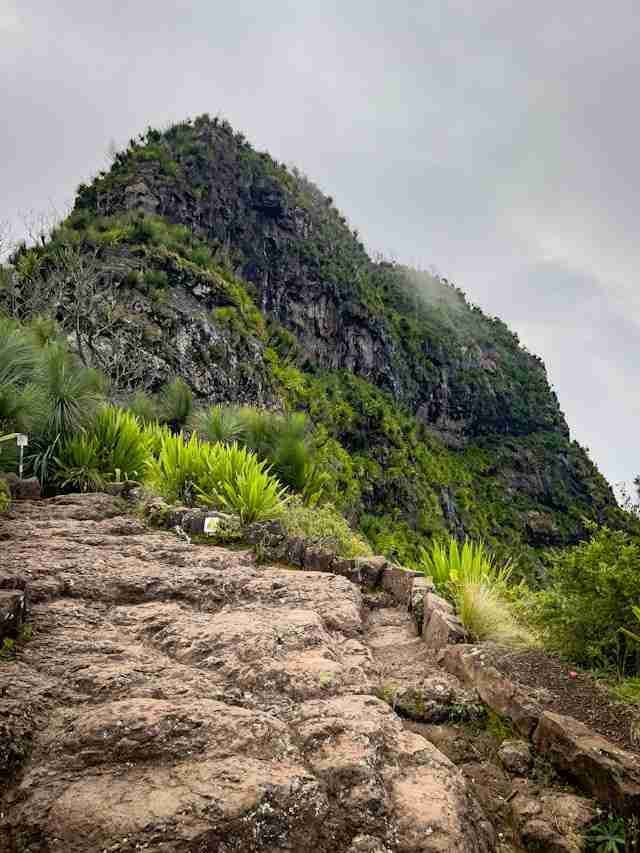
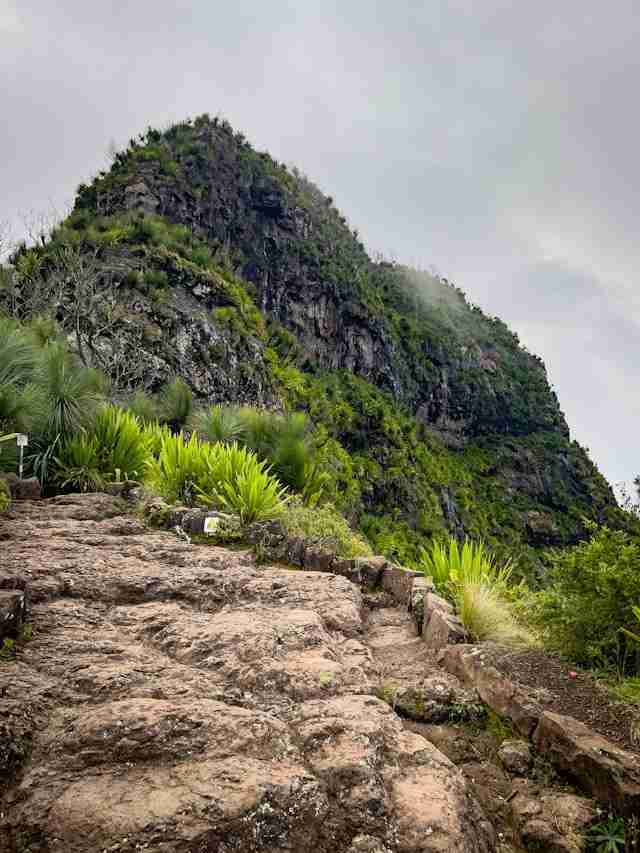
Mount Cordeaux Lookout: Scenic Vistas and Trailside Views in Queensland
Mount Cordeaux Lookout, located within Main Range National Park in Queensland, Australia, offers sweeping views of the Fassifern Valley and surrounding mountain ranges. Rising to an elevation of 1,135 meters, the summit provides a rewarding vantage point after a moderate hike through subtropical rainforest and open eucalyptus woodland. The trail to the lookout is known for its varied terrain, birdlife, and expansive scenery, making it a favorite for landscape photographers looking to capture both detailed forest elements and broad, atmospheric horizons. Whether you're shooting golden-hour skies or mist rolling over ridges, the Mount Cordeaux Lookout provides a diverse and compelling photographic experience.
Best Photography Opportunities
• Summit View Over the Fassifern Valley
: The main attraction at Mount Cordeaux is the panoramic view from the summit over the Fassifern Valley, with distant ridgelines creating a layered, atmospheric backdrop. This viewpoint is ideal at sunrise or sunset when soft light washes across the landscape. Use a wide-angle lens to frame the valley below with sections of foreground rock or foliage. Cloud inversions or low-lying mist in the morning can add drama and dimension to your compositions. Telephoto lenses are useful for compressing layers of hills and emphasizing the moodiness of the scene. This spot is also great for capturing sweeping timelapse sequences as clouds roll across the valley. Try revisiting at different times of year to see how seasonal changes alter the landscape's color and light quality.
• Forest Trail and Tree Canopy
: The ascent passes through changing forest zones, from dense subtropical growth to open eucalypt woodlands. This offers photographers a chance to capture a variety of textures, lighting conditions, and plant forms. Look for rays of sunlight breaking through the trees in the early morning or after rainfall for more dynamic images. Macro lenses work well for photographing fungi, bark patterns, and forest-floor details. The shifting light and shadow patterns create excellent opportunities for abstract compositions, while a mid-range zoom helps to frame broader views of the twisting trail as it winds through the foliage. Consider capturing hikers on the path to give your compositions scale and narrative depth.
• Rocky Outcrops and Natural Frames
: As you near the top, several rocky outcrops offer clearings with partial views through the trees. These spots are useful for composing with natural frames—tree branches, angled stone, and wild grasses—to lead the viewer's eye into the landscape. Telephoto lenses help isolate distant peaks, while wide lenses are great for including environmental elements. Early morning light often glows warmly across the rock surfaces, and these ledges are good places to capture hikers or companions for scale and narrative. You can also use these spots to set up creative silhouette shots at sunset or experiment with HDR to balance strong contrasts.
• Cloudscapes and Atmospheric Conditions
: Mount Cordeaux is often above the cloud line in the early morning, providing unique opportunities to shoot cloud inversions, backlit mist, and fast-changing weather conditions. These ephemeral effects are especially powerful when contrasted with the solidity of rocks and vegetation. Bracketing exposures can help manage the extreme light differences at these times. Consider capturing time-lapses of shifting mist or stills where soft clouds create dreamy separation between the ridges. It's a great opportunity to experiment with moodier, low-saturation edits. A drone, where allowed, can offer breathtaking overhead perspectives of the clouds drifting across the valleys and ridges.
• Wildflowers and Seasonal Color
: Wildflowers can also be used to introduce a splash of color against the neutral greens and greys of the mountain terrain. Try framing flowers with distant peaks blurred in the background to connect the detail with the broader landscape. In spring and early summer, flowering shrubs and native plants add color and texture to the trail edges and summit area. Look for banksia, wattle, and grevillea blooms as vivid focal points. Include them in foreground compositions to add depth and interest to wide scenic frames, or photograph them close-up with diffused natural light for color studies. Wildflower-rich clearings are also good locations to find bees and insects in motion, which add dynamic subjects to your close-up photography.
Best Time to Visit
The best time to photograph Mount Cordeaux is during the cooler, drier months from late autumn through early spring (May to October). These months offer clearer skies, gentler temperatures, and better visibility from the summit. Morning hikes are particularly rewarding for catching soft light and mist in the valley, especially during winter. The low sun angle during these seasons adds warmth and depth to landscape images, emphasizing the contours of the terrain.
Sunrise and sunset offer dramatic lighting opportunities, with long shadows and warm tones that highlight the details in the mountain ridges and forest canopy. Overcast days provide even lighting in the forest, ideal for capturing the trail and undergrowth without harsh contrasts. These conditions also enhance colors in vegetation and help avoid blown highlights during long exposures.
Wildflower season (spring to early summer) adds bursts of color to the trail and summit, making it an excellent time for macro and close-up nature photography. Winter mornings, in contrast, can bring low clouds or fog that drift through the valleys, creating a quiet, moody atmosphere that works well for black-and-white or minimalist landscape photography. Because the trail can be slippery after rainfall, especially near the summit, always check trail and weather conditions in advance, and be prepared for sudden shifts in mountain weather.
How to Get There
Mount Cordeaux is part of Main Range National Park and is accessed via Cunningham's Gap on the Cunningham Highway. From Brisbane, it's approximately a 1.5 to 2-hour drive southwest. Parking is available at the Crest Carpark at Cunningham's Gap, where the Mount Cordeaux walking track begins.
The hike to the lookout is about 6.8 kilometers round trip and takes 2 to 3 hours return. It follows a well-graded track but includes some elevation gain and uneven surfaces. Entry to the park is free, and no permits are required for day use.
Be sure to bring water, sturdy hiking footwear, and sun protection. Mobile signal can be limited in some areas, so offline maps are helpful. Facilities are minimal, with no toilets at the trailhead, so plan accordingly for your visit.
Recommended Gear for Mountain and Forest Photography
A wide-angle lens (16–35mm) is ideal for summit views and forest trail scenes. Use it to capture expansive valley shots, cloud formations, and the textures of the trail. A mid-range zoom (24–70mm) allows for flexible framing, especially when transitioning between wider landscapes and more intimate woodland compositions.
A lightweight tripod is valuable for early morning or low-light forest shooting, as well as for bracketing exposures or capturing long-exposure cloud movement from the summit. A circular polarizer can help manage glare on foliage and enrich sky tones, particularly during mid-morning.
Macro lenses are excellent for photographing wildflowers, mosses, and bark textures along the trail. Carry a rain sleeve or weather-sealed gear in case of sudden showers. Hiking poles can help with stability on uneven ground, especially when carrying gear.
Comfortable hiking gear, water, snacks, and layered clothing will make the trek more manageable. A camera bag with back ventilation and quick access compartments is helpful for navigating the varying terrain while keeping your gear protected and accessible.
Nearby Photography Locations
: Located on the opposite side of Cunningham's Gap, this summit offers panoramic views toward the southeast and complements Mount Cordeaux's perspective. Its slightly different elevation and orientation make it a great partner hike for varied sunrise and sunset shots.
: A quieter section of the national park with rainforest gullies, waterfalls, and old-growth trees. The diverse environments here provide great opportunities for waterfall, forest, and wildlife photography.
: About an hour's drive from Mount Cordeaux, this scenic waterfall is part of the Falls Drive and is particularly photogenic after rain. The surrounding parkland and walking trails allow for multiple shooting angles and long-exposure work.
: Located to the west, this lake is ideal for sunrise and sunset shots, especially with reflections of the surrounding mountains. It's also a popular area for bird and waterscape photography.
: Various roadside pullouts and high points along the Scenic Rim offer expansive views over the ranges, particularly at sunrise or during late afternoon light. These spots are great for telephoto work and layered landscape compositions.
Comments
Loading comments…