
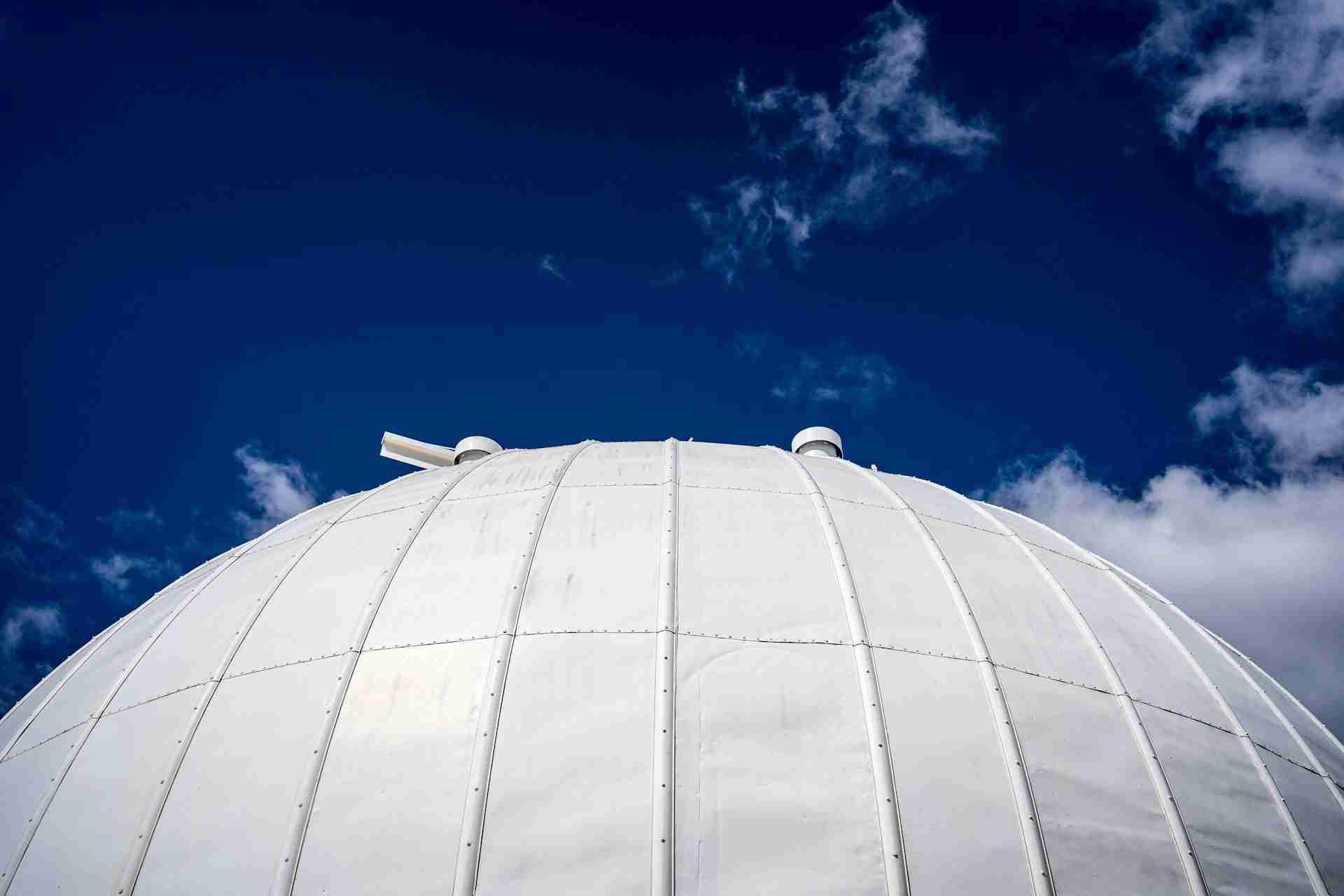
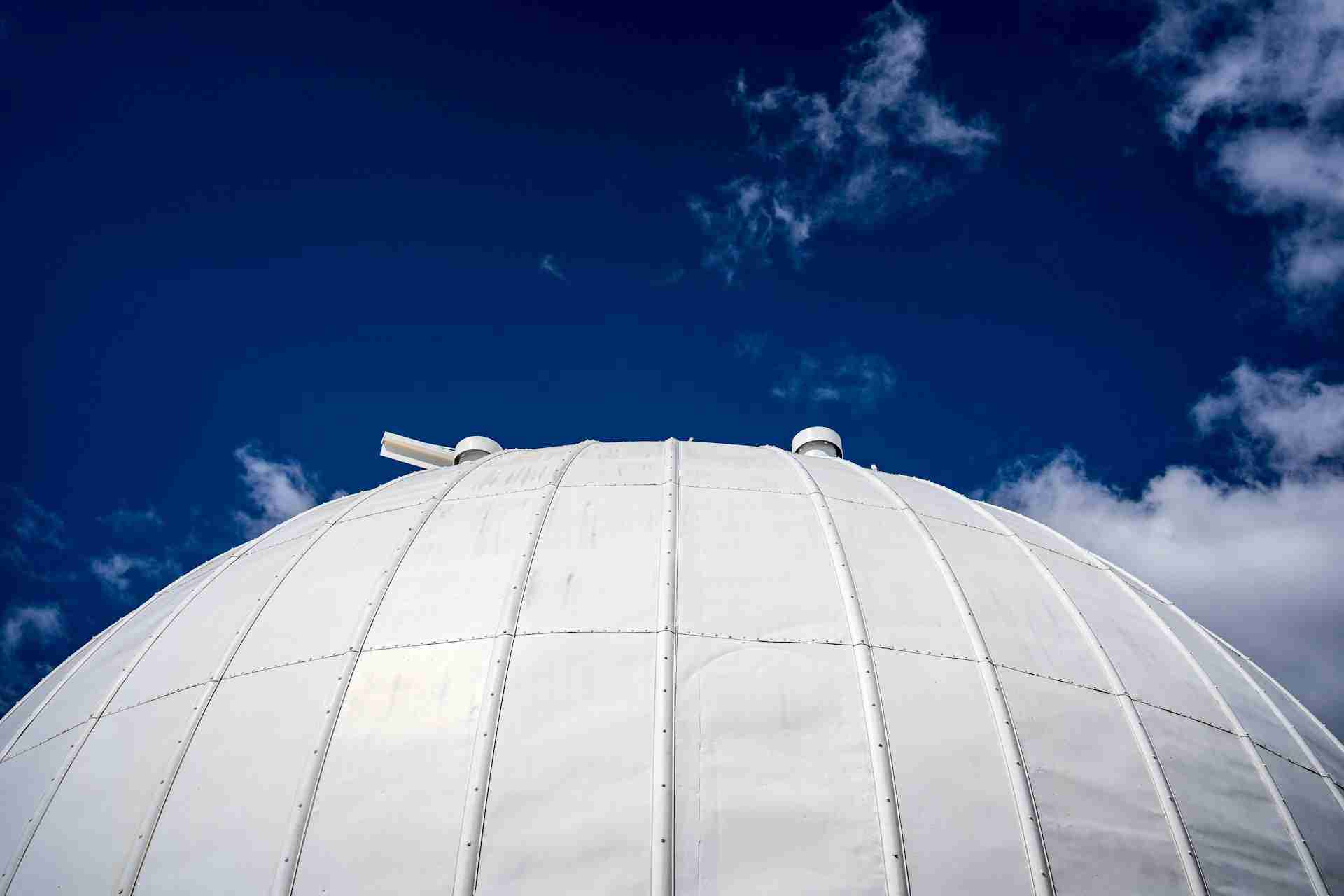
Set on a ridgeline of the Cotter Range overlooking Canberra, Mount Stromlo Observatory is one of Australia's most historically significant astronomical sites and a rewarding destination for photographers. Established in 1924, the observatory has been both a center of research and a cultural landmark, though much of it was destroyed during the 2003 Canberra bushfires. Today, a mix of preserved ruins, modern research facilities, and sweeping views across the city and Brindabella Range make Mount Stromlo a uniquely photogenic location. For photographers, it offers a combination of architectural ruin, night sky opportunity, and panoramic landscape. Whether you are interested in astrophotography, atmospheric studies of burnt-out domes, or golden hour city views, Mount Stromlo provides a versatile and evocative setting just minutes from the capital.
Best Photography Opportunities
• Ruins of the Burnt Domes
The skeletal remains of the telescopes destroyed in 2003 are among the most striking features of Mount Stromlo. Their circular bases and twisted metal frames stand as monuments to both science and loss, creating powerful subjects for architectural and documentary photography. Wide-angle lenses capture the ruins in context with the hills and sky, while tighter compositions highlight details of scorched stone and rusting steel. These subjects are especially dramatic in side light, where shadows emphasize texture and form. Shooting in black and white enhances the sense of history and resilience.
• Wide Panoramas of Canberra and the Brindabellas
From the ridgeline, Mount Stromlo offers commanding views across Canberra's suburbs and the surrounding mountains. These vistas are ideal for wide landscape photography, particularly at sunrise and sunset when warm light bathes the hills. On clear days, distant peaks of the Brindabella Range provide layered backdrops, while twilight sessions capture the city's lights twinkling below. Panoramic stitches are highly effective here, as the view sweeps across a broad horizon. A polarizer helps deepen skies and manage haze during bright daylight conditions.
• Astrophotography and Night Sky Imaging
Though close to Canberra, Mount Stromlo benefits from relatively dark skies compared to urban vantage points, making it a favorite spot for amateur astrophotographers. The ruins of the observatory domes provide compelling foregrounds for Milky Way compositions or star trail sequences. A wide fast lens paired with a sturdy tripod is essential for this work, and remote shutter releases allow for extended exposures without vibration. The site is particularly rewarding in winter when the Milky Way core is most visible above the southern horizon. Careful planning around moon phases will yield the darkest skies.
• Modern Research Facilities
Alongside the ruins stand modern telescopes and research buildings belonging to the Australian National University. These structures, with their clean lines and metallic surfaces, contrast strongly with the older remains. They provide opportunities for architectural photography that highlights continuity between past and present. Side lighting emphasizes geometry, while twilight shooting balances the glow of interior lights with the fading sky. This duality makes for interesting photo essays that combine ruin and renewal.
• Wildlife and Natural Surroundings
The reserve around Mount Stromlo is home to native vegetation and wildlife, including kangaroos and bird species. Incorporating these elements into compositions provides a softer complement to the structural photography of the observatory. Early morning is the best time to encounter wildlife, with cool light adding atmosphere to the surrounding bush. Using longer focal lengths allows you to photograph animals without disturbing them while still including the observatory as context.
Best Time to Visit
Mount Stromlo Observatory can be photographed year-round, though conditions vary by season. Spring and autumn offer the most comfortable weather, with clear air and warm light that flatters both ruins and landscapes. Summer provides long golden evenings but can also bring haze and high temperatures. Winter often delivers crisp, clear skies, making it the best time for astrophotography, though nights can be cold on the ridge. For daily timing, sunrise provides warm light from the east over Canberra, while sunset lights the Brindabellas to the west. Twilight is especially rewarding, balancing city lights below with fading natural glow above. Clear moonless nights are ideal for astrophotography, while overcast days suit architectural and ruin studies by flattening light and emphasizing texture.
How to Get There
Mount Stromlo is located about 15 kilometers west of central Canberra, making it easily accessible by car in under 30 minutes. The road to the summit is paved and well maintained, with a car park close to the main observatory area. From the parking area, short paths lead to the ruins, modern telescopes, and panoramic viewpoints. There is no fee to visit the site, and it is generally open to the public during daylight hours, though access to some research facilities may be restricted. Tripods are welcome, and there is ample space around the ruins and viewpoints to set up comfortably. For night photography, it is advisable to bring a headlamp, warm clothing, and to plan for cold conditions, especially in winter.
Recommended Photography Gear
A wide-angle lens in the 14 to 24 millimeter range is essential for capturing both the ruins and sweeping landscapes. A mid-range zoom such as 24 to 70 millimeters provides versatility for architectural detail and balanced compositions. A telephoto lens up to 200 millimeters is useful for compressing distant hills, isolating wildlife, or picking out structural details in the observatory ruins. For astrophotography, a fast wide-angle prime is highly recommended, along with a sturdy tripod and remote shutter release for long exposures. Neutral density filters can be useful for smoothing clouds in long daytime exposures, while a circular polarizer helps manage midday glare and haze. Weather protection for gear is important in windy or damp conditions, and extra batteries are essential for long sessions in cold winter nights. Comfortable footwear and layered clothing will make extended shooting sessions more enjoyable on the exposed ridge.
Nearby Photography Locations
• Cotter Dam
Just a short drive away, Cotter Dam combines dramatic concrete engineering with natural landscape, offering opportunities for both architectural and long exposure photography.
Located further south, Tidbinbilla provides rich opportunities for wildlife and wetland photography, with kangaroos, emus, and birdlife in abundance.
Situated between Stromlo and the city, the arboretum features sweeping views, groves of trees, and striking modern architecture such as the Village Centre.
The central lake of Canberra provides reflections of city landmarks including Parliament House and the National Carillon, making it an excellent complement to Stromlo's elevated views.
• Brindabella Range Lookouts
Driving west from Stromlo, the Brindabellas offer expansive mountain vistas, particularly rewarding at sunrise and sunset when light rakes across the peaks.
Mount Stromlo Observatory is a site where science, history, and landscape come together in one location. Its ruins tell stories of resilience, its modern facilities point to the future, and its ridgeline setting provides both day and night photography opportunities. For those seeking variety within easy reach of Canberra, it is a destination that delivers architectural, landscape, and astrophotographic rewards in equal measure.
Comments
Loading comments…