
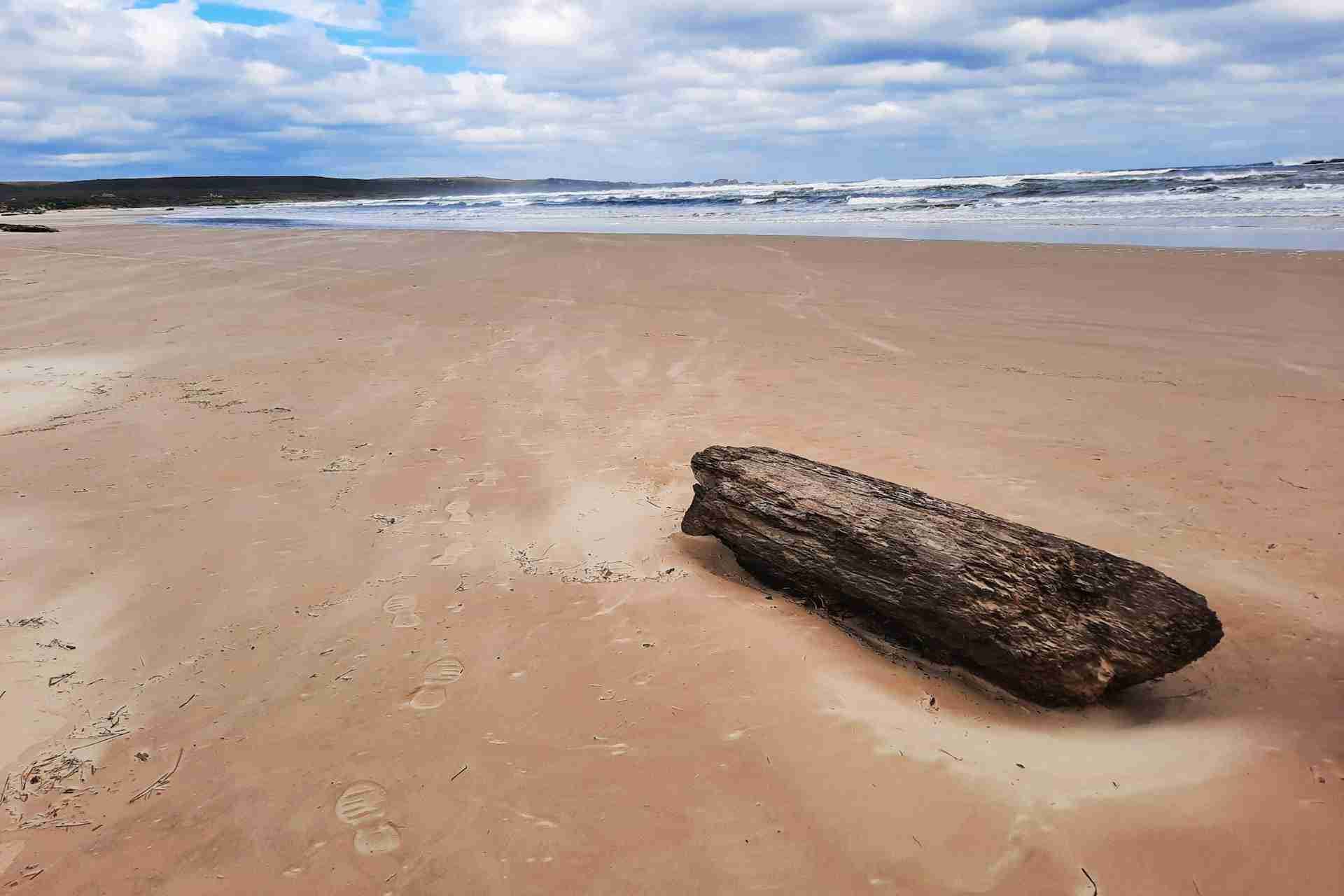
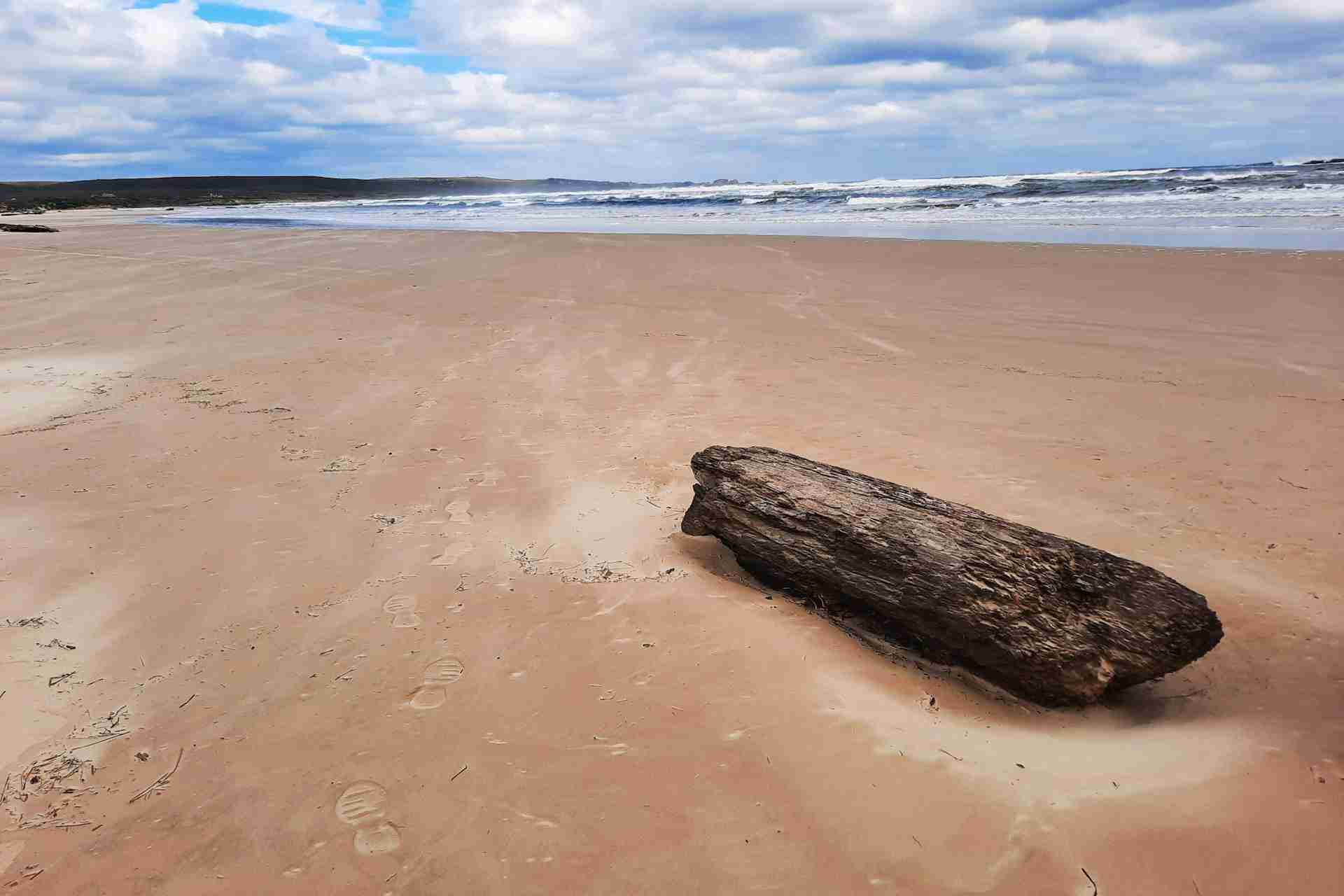
Tucked away where the rainforest meets the sea on Tasmania's remote west coast, Pieman Heads is a raw, untamed coastal destination defined by its isolation, dramatic skies, and primal landscapes. Located at the mouth of the Pieman River near the tiny settlement of Corinna, this headland is accessible only by boat or via rugged 4WD tracks, making it one of the most secluded photographic sites in Tasmania. The collision of dense temperate rainforest, tannin-rich river water, and windswept sand dunes gives Pieman Heads a distinct mood—one that changes with the tides, the weather, and the shifting light. For photographers, it's a place that offers moody horizons, complex textures, and an atmosphere that feels almost cinematic in its stillness and scale.
Best Photography Opportunities
• Confluence of River and Sea from the Southern Shoreline
: Where the tannin-stained waters of the Pieman River meet the churning Southern Ocean, photographers can capture a powerful moment of contrast between fluid stillness and relentless motion. From the southern riverbank, you get an unbroken view of the dark, copper-toned river merging with the grey-blue surf under a dynamic sky. The tones here are subdued but dramatic, especially on overcast days. Use a wide-angle lens to include foreground driftwood or tidal textures, and consider a long exposure to soften wave action and emphasize the visual tension between river and sea. This spot is especially compelling during moody afternoon light or under low cloud cover that mirrors the melancholy tone of the location.
• High Dunes Overlooking the River Mouth and Coastline
: From the crest of the surrounding dunes, the landscape opens into a layered vista of windswept sand, forested riverbanks, and a curving coastline that seems to stretch endlessly. This elevated perspective is excellent for showing scale and solitude. A 24–105mm lens offers enough flexibility to frame sweeping panoramas or compress distant elements like sea mist rolling over dunes. Visit in late afternoon when long shadows from dune ridges add definition and texture, or during golden hour when the grasses glow warmly against the cool blues of ocean and sky. These high points are also ideal for timelapse or drone photography if permitted, capturing the motion of clouds and light shifting across the wild terrain.
• Close-Up Driftwood Textures and Tidal Debris
: The beaches at Pieman Heads often collect sculptural forms of bleached driftwood, tangled seaweed, and natural debris left behind by strong tides. These details offer an abundance of opportunities for abstract and macro work. Look for contrasting elements like dark wet sand and pale wood grain, or twisted branches casting long shadows at sunrise or sunset. Using a 50mm prime or a macro lens allows you to isolate natural forms, textures, and tonal variation. Overcast light works beautifully here, softening highlights and allowing surface detail to emerge cleanly. These intimate scenes are especially effective when paired with wider environmental shots to tell a more complete visual story of the coast.
• Reflections and Layers on the Still Upper River
: A short journey upstream from the river mouth reveals a quieter section of the Pieman River where the water becomes mirror-flat in calm weather. The reflections of dark rainforest, wispy clouds, and deadfall branches provide incredible material for moody, contemplative compositions. Position yourself at bends in the river where the tree line arcs into the frame, and use a tripod to enable long exposures that capture subtle movement or fog. Early morning is best, particularly in autumn or winter, when mist often hovers low on the water and light filters through the canopy. A polarizer can help control glare on the surface, or be dialed back to enhance the mirrored clarity.
• Ocean Stormscapes and Light Shafts on the Horizon
: Facing west across the Southern Ocean, Pieman Heads offers a rare view into some of Tasmania's most changeable and expressive weather systems. Squalls, shafts of sunlight, and rolling cloud banks often form a dynamic seascape ideal for long-lens work. Use a 70–200mm or longer focal length to compress distant clouds, headlands, and light streaks into moody, high-drama compositions. These scenes often benefit from black-and-white treatment or split-toning in post-processing to enhance the theatrical mood. The key is patience—waiting for the moment when a gap in the clouds ignites the sea with light, or when a dark mass of sky overtakes the frame, changing the tone completely.
Best Time to Visit
Pieman Heads can be photographed year-round, but the landscape's appearance changes significantly with the seasons. The most consistent conditions occur in autumn and spring, when skies are often partly cloudy and the light is angled enough for long shadows across the beach and dunes. These transitional months offer crisp air, lower humidity, and a balance of soft light with dramatic sky forms—ideal for both wide-angle and long-lens compositions.
Winter is best for photographers seeking mood and atmosphere. Mist, fog, and sudden squalls can transform the area into a monochrome dreamscape, with sharp contrasts between land, sky, and water. However, weather conditions are less predictable, and rain may complicate access. The reward is in the rawness of the imagery—storm-drenched beaches, jagged skies, and still river reflections that feel cinematic in their isolation.
Summer brings long daylight hours and clearer skies, which are excellent for capturing color contrasts and detail in beach textures, but the light can be harsh at midday. Early morning or late evening is best, especially during golden hour when the sky warms and shadows stretch dramatically across the dunes. Since summer is also the most accessible season, photographers can make the most of the conditions with careful timing and scouting.
How to Get There
Pieman Heads is most commonly accessed from Corinna, a remote eco-village nestled in the Tarkine wilderness. From Waratah or Savage River, sealed and gravel roads lead to Corinna via the north. Those arriving from the south must cross the Pieman River using the Fatman Barge—a small ferry that carries one vehicle at a time and operates during daylight hours.
From Corinna, visitors can reach Pieman Heads via two main methods. The first is by water—either on the historic Arcadia II river cruise or by hiring a small boat or kayak for self-guided exploration. The journey downriver takes around 90 minutes and includes stunning views of dense rainforest reflected in the dark waters.
Alternatively, experienced 4WD drivers can take a challenging track leading from Granville Harbour to the heads. This route requires high clearance, off-road skill, and preparation for variable conditions depending on recent weather. It's not recommended without local advice or updated track information.
There are no facilities at the heads aside from basic camping areas, so bring everything you need—water, food, protective gear, and charged batteries. There is no fee to access the site, but if camping or visiting via guided services, applicable permits and bookings may be required.
Recommended Photography Gear
A wide-angle lens (16–35mm) is vital for capturing the expanse of dunes, river mouths, and large sky scenes that define the region. Use it to highlight foreground interest such as driftwood or tidal pools while leading the viewer into broader compositions.
A mid-range zoom (24–70mm) is perfect for adapting to the shifting conditions and quickly changing light across riverbanks, tree lines, and shoreline textures. This lens works especially well for landscape scenes where flexibility is essential.
A telephoto lens (70–200mm or more) enables dramatic compression of storm clouds over the sea, reflections on the water, or silhouettes against the horizon. It's particularly useful for isolating weather systems, distant trees, or compositional elements in the forest and along the coast.
A sturdy tripod is recommended for long exposure work, especially in low light, misty mornings, or when shooting reflections on the still river. Filters such as a polarizer and a 6-stop neutral density will give you greater creative control over water surfaces and skies.
Nearby Photography Locations
: Just upriver from the heads, this boardwalk trail winds through some of Tasmania's oldest rainforest, including rare Huon pines. Morning light filters through the canopy, creating glowing scenes rich in green and gold.
: A steep but short climb rewards you with panoramic views over the Pieman River and surrounding Tarkine wilderness. Especially powerful at sunrise or sunset, when fog often drapes the valley and light cuts through in radiant shafts.
• Savage River and Philosopher Falls
: Inland from Corinna, these two locations provide moody forest and waterfall compositions with strong vertical lines and deep color saturation. The falls are particularly beautiful after rain, and the moss-covered forest floor makes for rich ground-level photography.
: South of Pieman Heads, this remote outpost faces the open Southern Ocean. With rugged granite outcrops and heavy surf, it's ideal for capturing wild seascapes under shifting Tasmanian skies. Best visited in the early morning for calm light or during storms for drama.
: Located farther up the coast, the Arthur River offers similar photographic themes—tannin-stained waters, shifting sandbars, and haunting wilderness ambience. The estuary is also home to abundant birdlife, making it ideal for telephoto wildlife and landscape blends.
Pieman Heads is the kind of place where photography becomes less about the image and more about the experience of presence. It rewards those who venture slowly, who watch the weather, who wait for the water to settle or the sky to break open. In a world of easy access and instant results, this remote edge of Tasmania offers something more elemental—a chance to photograph landscape not just as scenery, but as story.
Comments
Loading comments…