
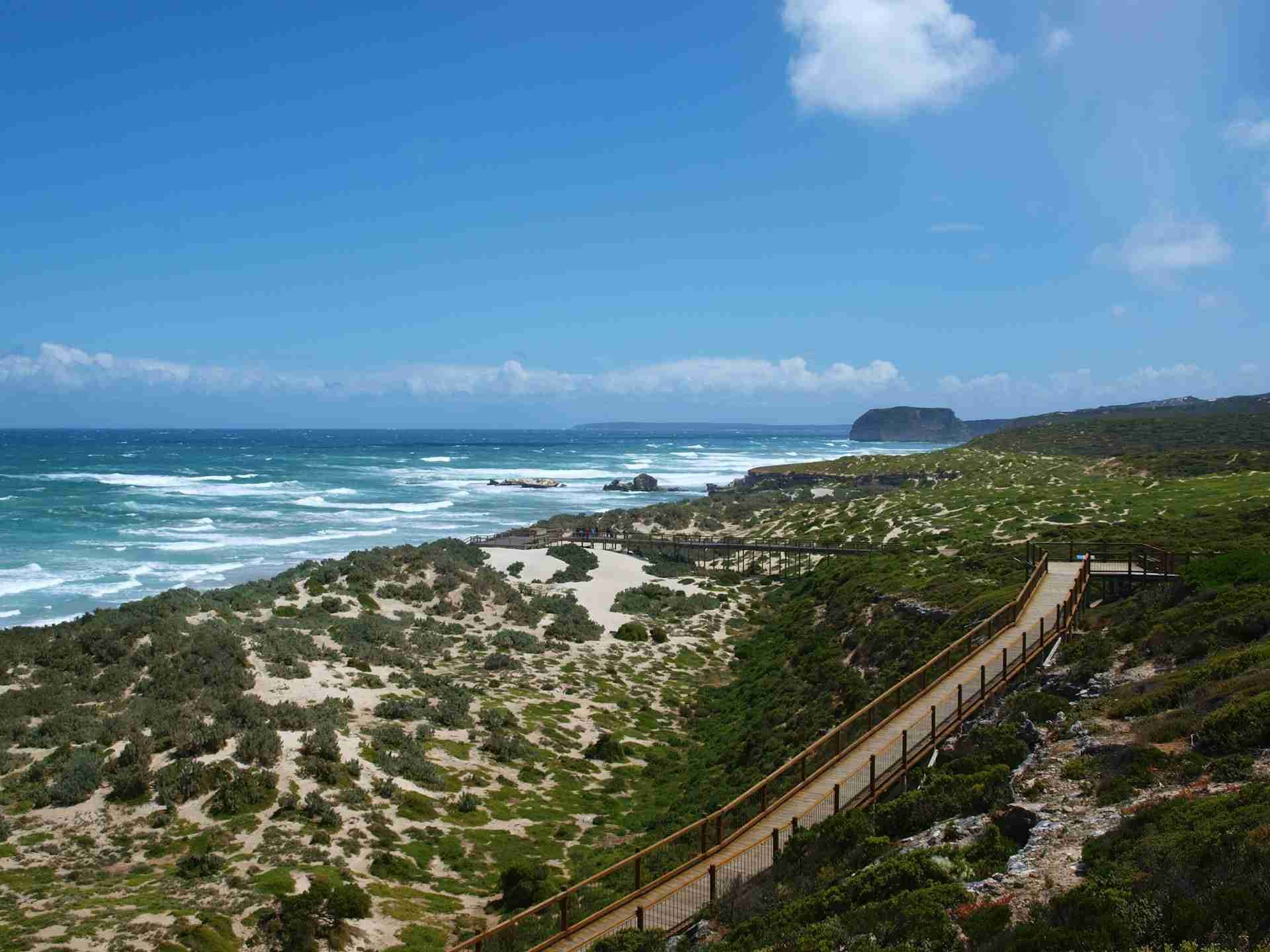
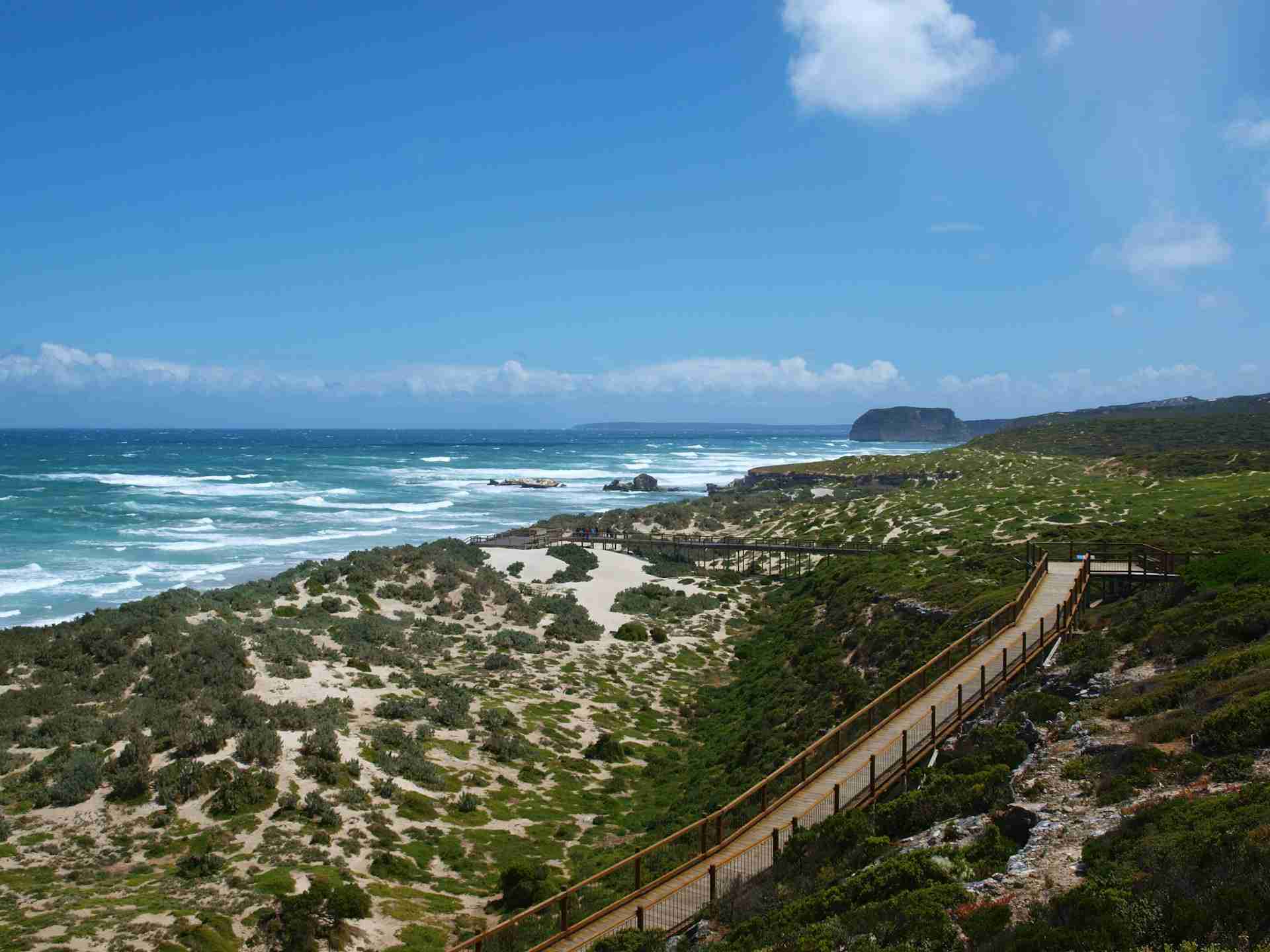
Seal Bay Conservation Park on Kangaroo Island's southern coastline is a place where raw nature meets extraordinary photographic access. Known for its large colony of endangered Australian sea lions, Seal Bay allows photographers to step directly onto the sand alongside these animals, creating rare opportunities for intimate wildlife portraiture. The wind-whipped dunes, roaring surf, and scrub-lined ridgelines bring texture and scale to your compositions, with natural light playing dramatically across shifting terrain and fur. Unlike zoo photography or distant telephoto wildlife work, Seal Bay puts you at ground level with your subjects in an environment that feels untouched and alive.
Best Photography Opportunities
• Australian Sea Lions on the Beach
This is what brings most photographers to Seal Bay. The sea lions haul out along the beach in small groups or alone, resting, interacting, or simply watching the ocean. Shooting at low angles helps capture the intimacy of their expressions, and during certain times of year, you may see mothers with pups or bulls squaring off over territory. Early morning sessions are particularly productive when the light is directional and golden, illuminating the sea lions' fur and highlighting texture without harsh contrast. Keep your shutter speed high to freeze movement during play or interactions, and be ready for fleeting gestures that tell a story beyond the portrait.
• Windswept Dune Landscapes
The dunes above the beach are just as visually compelling as the wildlife below. Shaped by the southern winds and covered in pale coastal grasses, these dunes present strong compositional lines and layers when photographed in early or late light. Using a wide-angle lens from the boardwalk, you can create frames that sweep from foreground texture into open ocean. On foggy or overcast days, the dunes become more muted, allowing subtle variations in sand and plant life to show through without the distraction of deep shadows. It's also a chance to explore minimal compositions, using the natural geometry of the landscape.
• Reflections and Textures in Wet Sand
After the tide recedes, the beach becomes a canvas of patterned sand, reflective pools, and stranded seaweed. This is the time for macro and telephoto work, isolating areas where light skips across the surface or where textures layer together in unexpected ways. Shoot just before or after sunset when the light is low enough to catch reflections without glare. Look for symmetry in pools or abstract shapes formed by drying sand. These details often become quiet but powerful images that complement the wildlife scenes. Neutral density filters can help control highlights and allow longer exposures, especially in brighter conditions.
• Silhouettes and Backlit Wildlife at Sunset
When the sun begins to lower behind the horizon, silhouettes of sea lions against the glowing water and sky become possible. From the boardwalk or beach edge, position yourself so the animal is framed cleanly against the brightest part of the scene. This type of shot requires careful metering. Underexpose slightly to preserve color and definition in the sky while letting the subject fall into shadow. A longer lens can help compress the background and create strong shape-driven images. Even subtle posture changes from the sea lions can dramatically affect the success of a silhouette, so patience is key.
• Coastal Motion with Long Exposure Techniques
Seal Bay's surf is often energetic, with strong currents and rolling waves breaking against the beach. Use a tripod and neutral density filters to experiment with long exposures during cloudy days or early twilight. The motion of water contrasts sharply with the stillness of sand or resting sea lions in the frame, creating layers of movement and rest. Avoid busy compositions by simplifying your frame and focusing on just two or three elements. This helps maintain clarity in scenes where motion is a feature. These images often work well in color and black-and-white, depending on how the tones balance across the scene.
Best Time to Visit
Seal Bay is a year-round destination, but conditions can shift significantly from one season to the next. These shifts influence both your creative opportunities and how much time you have to work comfortably on location. The best overall months for photography fall within the shoulder seasons. March through May in autumn and September through early November in spring tend to offer the most balanced mix of good lighting, moderate weather, and active wildlife. During these windows, the light is softer and more directional, particularly in the early morning and late afternoon. These hours allow for extended shooting sessions without the overhead glare or intense shadows common in summer.
Autumn typically brings stiller air and cleaner skies, giving you more contrast in the landscape and more saturation in your color files. Wildlife is active for longer stretches during the day, especially in the cooler hours. Spring is also a solid option, with blooming coastal plants adding foreground interest to your dune compositions and the potential for more playful behavior among younger sea lions. While both seasons avoid the worst of the tourist rush, the quality of light during these months is what sets them apart. Your images will show more texture, cleaner whites in the sea lions' fur, and subtler color gradients in both sky and water.
Summer, running from December through February, coincides with peak visitation. The sea lion population is active, especially during the pupping season, but the conditions are more challenging. Midday sun is strong, creating harsh shadows and washed-out highlights. Heat shimmer can also be a problem when using long lenses. If you're photographing in summer, keep your sessions focused around sunrise and the last light before sunset. These are the times when the light is low enough to shape subjects and when the beach is quietest. A high-quality polarizer or neutral density filter is critical during this time to help manage light intensity and reflections.
Winter, from June through August, introduces more unpredictable weather but also more dynamic skies and a quieter beach. Overcast conditions create excellent softbox-like lighting that flatters both wildlife and landscapes. Rain is more likely, so you need to be prepared for moisture, but the payoff is less wind, less crowding, and a subdued palette that suits long exposure work. The animals remain present year-round and often show more movement and vocalization in the cooler temperatures. Low light and strong surf combine to create scenes with depth, contrast, and mood, especially when shot from the boardwalk overlooking the dunes.
Regardless of the season, sunrise and sunset remain your best allies. Early mornings bring low winds and calm light that enhances fur detail and soft shadows. Late afternoons push warm color into the sand and water, giving the entire scene a golden glow that is ideal for silhouettes or motion blur techniques. Planning around tides is also important, especially if you want access to reflective sand or specific shooting angles near the waterline. In all cases, the most rewarding results come to those who work with the changing conditions, not against them.
How to Get There
To reach Seal Bay Conservation Park, most visitors begin from Kingscote, the main town on Kangaroo Island. The island itself can be accessed either by ferry from Cape Jervis or via regional flights from Adelaide to Kingscote Airport. From Kingscote, the drive takes around 45 minutes along the South Coast Road, which is sealed and suitable for all vehicles. Signage along the way makes navigation straightforward, and the entrance to the conservation area is clearly marked.
Once you arrive, there is a staffed visitor center with amenities, including restrooms and interpretive displays. Entry to the beach itself is only allowed through guided tours, which are booked on-site or in advance online. These tours give you controlled access to the sea lions and ensure minimal disturbance to the colony. A self-guided boardwalk is also available for those who want to work at their own pace. This elevated trail loops through the dunes and offers excellent vantage points overlooking the beach and water. A conservation fee is required for both the beach and boardwalk, and it helps fund the ongoing protection of the wildlife and their habitat. Tripods are generally permitted on the boardwalk, but on guided tours, you'll need to keep gear compact and avoid blocking walkways.
Recommended Photography Gear
Seal Bay's natural elements can be harsh on gear, so you need to pack with both creativity and protection in mind. For wildlife photography, a versatile telephoto zoom in the 100 to 400 millimeter range offers excellent reach and the flexibility to adapt quickly to changing distances. If you're working primarily from the boardwalk or hoping to capture behavior rather than portraiture, consider a longer prime in the 500 millimeter range. These lenses let you isolate subjects against a compressed background and can help eliminate distractions when the beach is busy. Optical stabilization is useful, particularly when you're working handheld in windy conditions or shooting at slower shutter speeds.
Wide-angle zooms, such as a 16 to 35 millimeter lens, are essential for landscapes, dune scenes, and any compositions where you want to exaggerate foreground textures or include dramatic skies. These work best in early morning or late day light when shadows and colors are strongest. For those interested in abstract or macro work, a sharp 100 millimeter macro lens will help you capture fine textures in sand, seaweed, or weathered wood along the boardwalk. A fast prime lens in the 85 to 135 millimeter range is another strong addition, particularly for backlit wildlife silhouettes or detail work in low light.
Tripods are highly recommended. Choose one with sealed leg locks and a low center of gravity so it stays stable in the sand and wind. If you plan to do long exposures, also pack a remote trigger or intervalometer, along with a set of neutral density filters ranging from three to six stops. A circular polarizer helps reduce glare from wet surfaces and brings out natural saturation in overcast conditions. Graduated filters can assist with dynamic range when the sky is much brighter than your foreground.
Rain covers or weather sleeves for both camera and lens are essential at Seal Bay, even in fair weather. Salt spray, sand, and sudden gusts are common, and you'll want to avoid damage from moisture or grit. Always carry a blower and microfiber cloths to keep your lenses clean during long sessions. A knee pad or small mat is also useful, especially for low-angle work, which is often the most compelling way to photograph sea lions and dunes. While drones are prohibited in the conservation area, photographers using multiple bodies or systems should bring a comfortable harness or strap solution that allows quick changes between focal lengths without needing to set gear down in the sand.
Nearby Photography Locations
Just 20 minutes from Seal Bay, Vivonne Bay offers a wide arc of white sand framed by rocky headlands and turquoise water. The beach is often quiet, especially in the early morning, which makes it ideal for clean seascapes or minimalist shoreline compositions. It also offers excellent opportunities for aerial photography on days with low wind and clear surf.
This inland dune system features rolling, open sand hills that shift constantly with the wind. It's a strong contrast to the coastal scenes, offering opportunities for clean, geometric compositions and texture-based abstracts. Golden hour brings long shadows across the ridges and dips, adding visual rhythm and depth to wide-angle shots.
Located inside Flinders Chase National Park, Remarkable Rocks are massive, organically shaped granite boulders perched above the sea. The shapes are complex and photogenic, particularly when side-lit during the early morning. The interplay of color and shadow on their lichen-covered surfaces creates striking visual depth that suits both tight detail shots and grand wide frames.
Also within Flinders Chase, Admirals Arch is a sea-carved tunnel that frames the ocean beyond. Below the arch, fur seals rest on the rocky shore, making it possible to capture layered scenes that combine wildlife, structure, and movement. Sunset is especially productive here, as the light streams through the arch and outlines its jagged interior.
East of Seal Bay, American River is a tidal estuary popular with birdlife and calm water photography. Early morning shoots here often yield mirror-like reflections, and the range of wading birds allows for diverse compositions with long lenses. The environment is quieter and more controlled, making it a great change of pace after a day on the exposed coast.
From the textured dunes to the layered stories unfolding on the sand, Seal Bay rewards those who approach it with both technical care and creative patience. It is not a location that offers instant results. The best images tend to come to those who watch quietly, adjust thoughtfully, and work with the natural rhythms of the environment. For photographers who thrive in conditions that are raw and unpredictable, but immensely rewarding, Seal Bay remains one of Australia's most compelling coastal destinations.
Comments
Loading comments…