
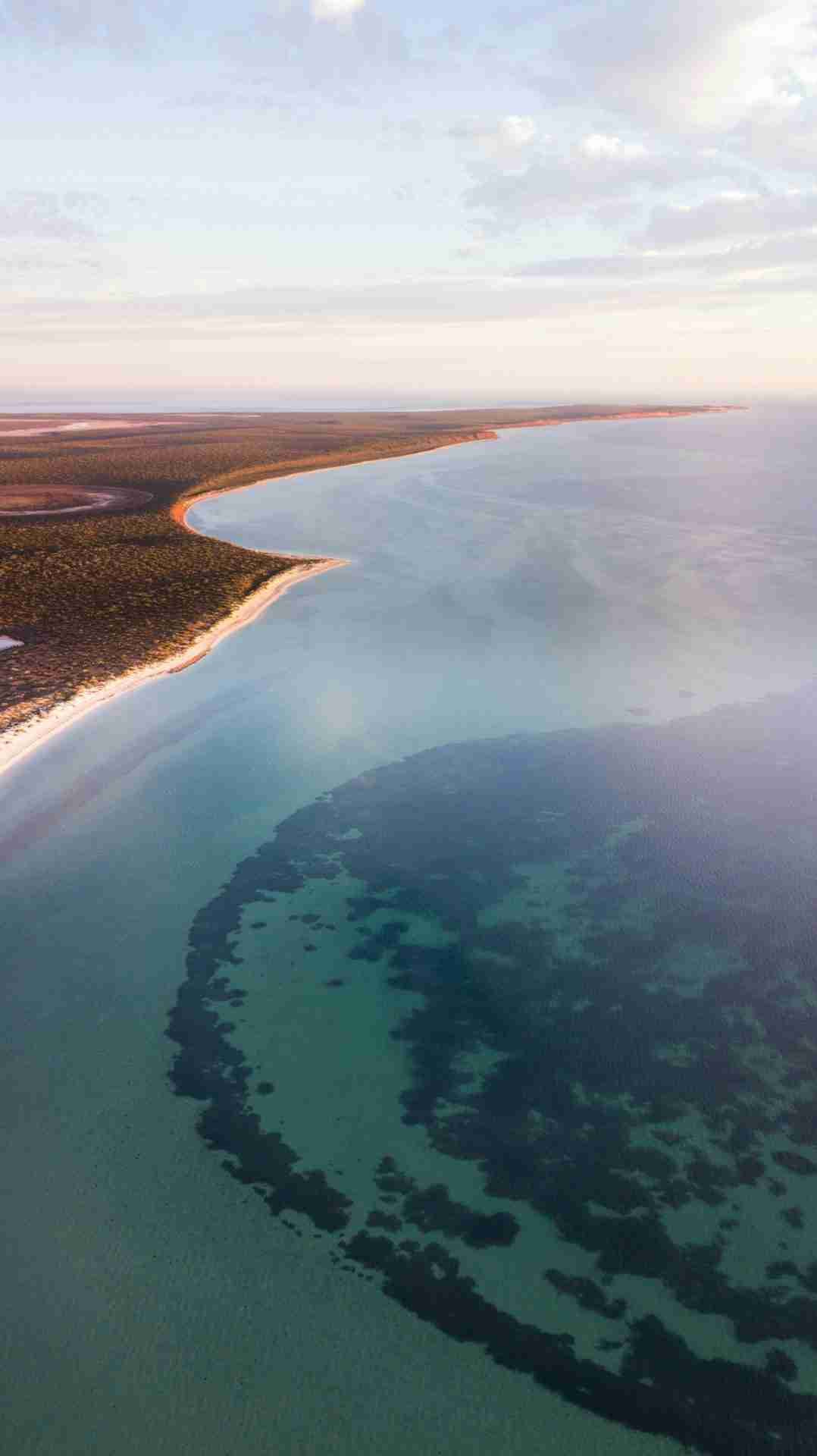
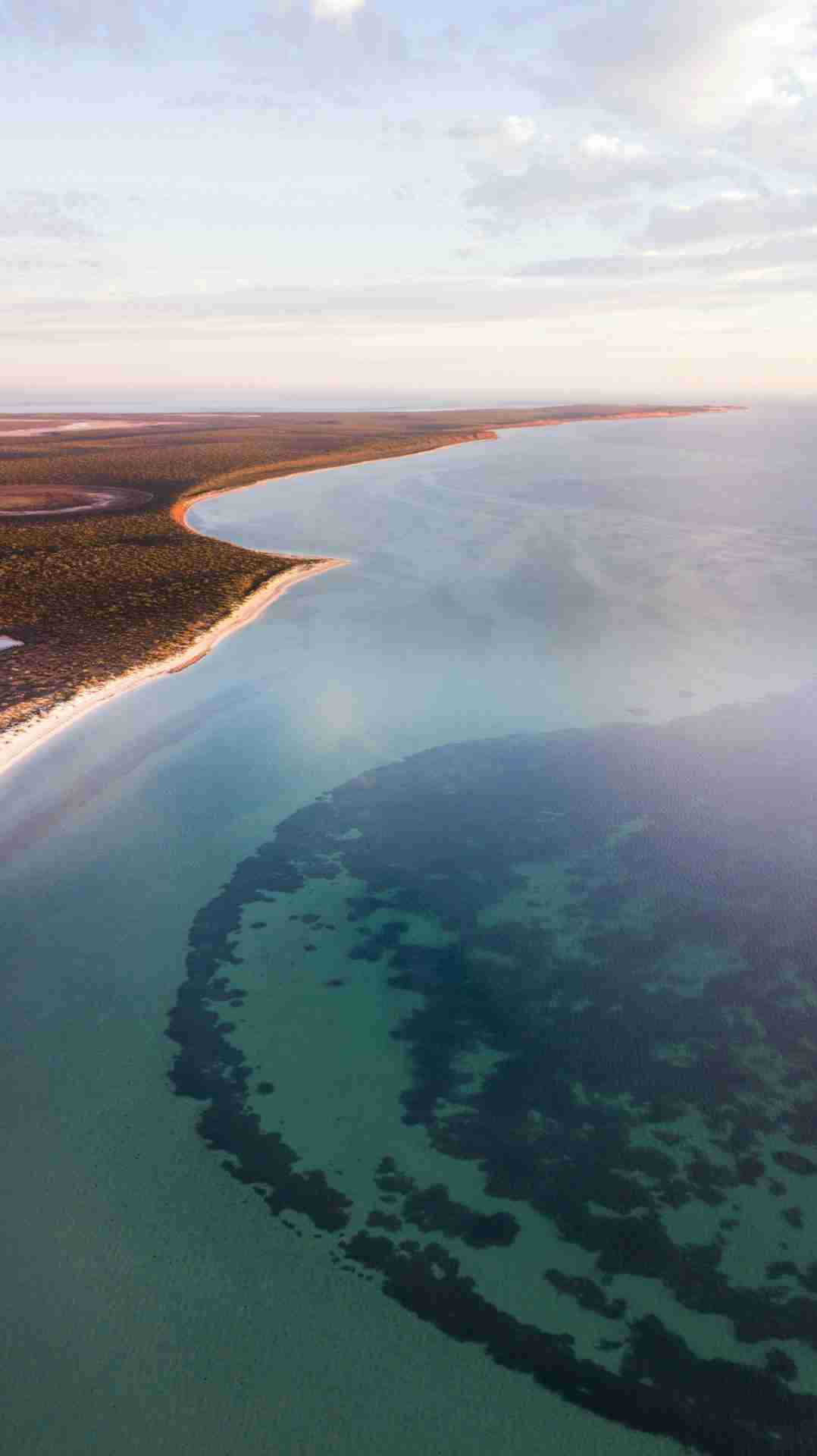
Skipjack Point and Cape Peron sit within Francois Peron National Park in Shark Bay, where the coastline shifts into a striking mix of red sandstone cliffs and clear blue water. The contrast between land and sea is immediate, with the deep reds of the cliffs meeting bright turquoise water that stays shallow and transparent close to shore. The area feels remote, with very little development and long stretches of untouched coastline extending in both directions. Skipjack Point is set higher above the water, offering a clear view down into the bay, while Cape Peron brings you closer to the shoreline with more access to the terrain itself. The two locations are close enough to combine in one visit but offer different perspectives and shooting opportunities. The surrounding landscape is open and rugged, making it easy to move around and find new angles without obstruction. It is a place where the environment does most of the work for you, with strong colour and simple shapes forming the foundation of your compositions.
Best Photography Opportunities
• Cliff Edge Compositions And Leading Lines
The red cliffs naturally create strong lines that guide the viewer's eye toward the water. By positioning yourself along the edge, you can use the curves and angles of the coastline to build depth into your frame. Shooting from slightly higher ground helps emphasize the drop toward the ocean and gives a clearer view of how the land meets the water. Small changes in position can shift how the lines flow through the image. Keeping the composition simple allows the colour contrast to stand out more clearly. This is one of the most effective ways to work with the landscape.
• Drone Perspectives Over The Coastline
From above, the full contrast between the red cliffs and turquoise water becomes even more apparent. A drone allows you to capture the shapes of the coastline, including inlets, curves, and changing water depth. Positioning the cliffs along one side of the frame with water filling the rest can create a clean and balanced composition. Calm conditions help maintain clarity in the water, making colour transitions more visible. Wind can be a factor in this area, so stable conditions are important for controlled shots. This perspective adds a completely different dimension compared to ground level photography.
• Looking Down Into Clear Water At Skipjack Point
Skipjack Point offers one of the best elevated viewpoints in the area, allowing you to look directly into the water below. On clear days, you can often see marine life such as sharks, rays, and turtles moving through the shallows. Using a slightly longer focal length can help isolate these subjects without losing context. Positioning yourself carefully along the viewing area improves your angle into the water. Midday light works particularly well here, as it reduces surface reflection and reveals more detail below. This is a unique opportunity to combine landscape and wildlife in the same frame.
• Foreground Textures And Shoreline Access At Cape Peron
Cape Peron allows you to get closer to the edge of the coastline, where you can include rocks, sand, and uneven terrain in the foreground. These elements help anchor your composition and add depth to the scene. Shooting from a lower angle can emphasize texture and create a stronger connection between foreground and background. The proximity to the water also allows for different perspectives compared to the higher viewpoint at Skipjack Point. This variation makes it easier to build a more diverse set of images. It is worth exploring different sections of the shoreline.
• Minimal Seascapes And Open Horizons
Beyond the cliffs, the open ocean provides opportunities for simpler compositions. By stepping back from the edge, you can create frames that focus on the relationship between land, sea, and sky. Keeping the scene uncluttered helps maintain a clean and balanced look. Small variations in light and colour can become the main focus in these images. This approach works well when conditions are calm or when the sky has subtle detail. It offers a quieter contrast to the more dramatic cliff edge compositions.
Best Time to Visit
Midday is particularly useful at Skipjack Point if you want to see into the water clearly, as the higher sun reduces glare and reveals more detail below the surface. Early morning and late afternoon are better for overall landscape photography, as the lower sun adds warmth to the red cliffs and creates more depth through light and shadow.
Sunrise and sunset can produce softer tones and a more balanced scene, though conditions can vary depending on cloud cover. Overcast days can reduce contrast slightly but help maintain even colour across the landscape. Wind is a common factor in this area, so checking conditions in advance can help you plan your timing more effectively.
How to Get There
Skipjack Point and Cape Peron are located within Francois Peron National Park in Shark Bay, Western Australia. Access is via unsealed tracks that are often rough and sandy, and a four wheel drive vehicle is typically required. Conditions can change depending on weather, so it is important to check track access before heading out.
There are no fees specifically for the viewpoints, but entry to the national park requires a pass. Once you reach the area, both locations are accessible with short walks from designated parking areas. The distance between Skipjack Point and Cape Peron is manageable, making it easy to visit both in one trip. Planning ahead is important due to the remote setting and limited services.
Recommended Photography Gear
A standard zoom lens in the range of 24 to 70mm works well for most compositions, allowing you to capture both wide landscapes and more focused shots. A wider lens can help emphasize the scale of the coastline, while a longer lens is useful for isolating marine life or compressing elements in the scene.
A drone is highly recommended for capturing the full shape and colour contrast of the coastline from above. A polarizing filter can help reduce glare on the water and enhance colour, especially during brighter conditions. Because of the remote and exposed environment, carrying minimal but versatile gear is important. Protecting your equipment from wind and sand is also worth considering.
Nearby Photography Locations
The interior of the park offers red sand tracks, low vegetation, and open landscapes that contrast with the coastline. It provides opportunities for more grounded compositions and a sense of scale within the terrain. The changing textures make it worth exploring beyond the main viewpoints.
Big Lagoon offers calmer water and a more enclosed coastal setting compared to the open ocean at Cape Peron. It is a good location for reflections and simpler compositions. The softer environment provides a different visual balance.
Little Lagoon sits closer to Denham and features shallow, clear water with lighter tones. It is easier to access and works well for minimal compositions. The calmer setting contrasts with the more rugged coastline.
Shell Beach is covered entirely in small white shells, creating a bright and unique foreground. It offers a completely different colour palette compared to the red cliffs of Cape Peron. This makes it a strong complementary location.
Eagle Bluff provides another elevated viewpoint over clear water, similar to Skipjack Point but with a different layout. It is a good spot for observing marine life and working with simple compositions. The boardwalk access makes it easy to reach.
Comments
Loading comments…