
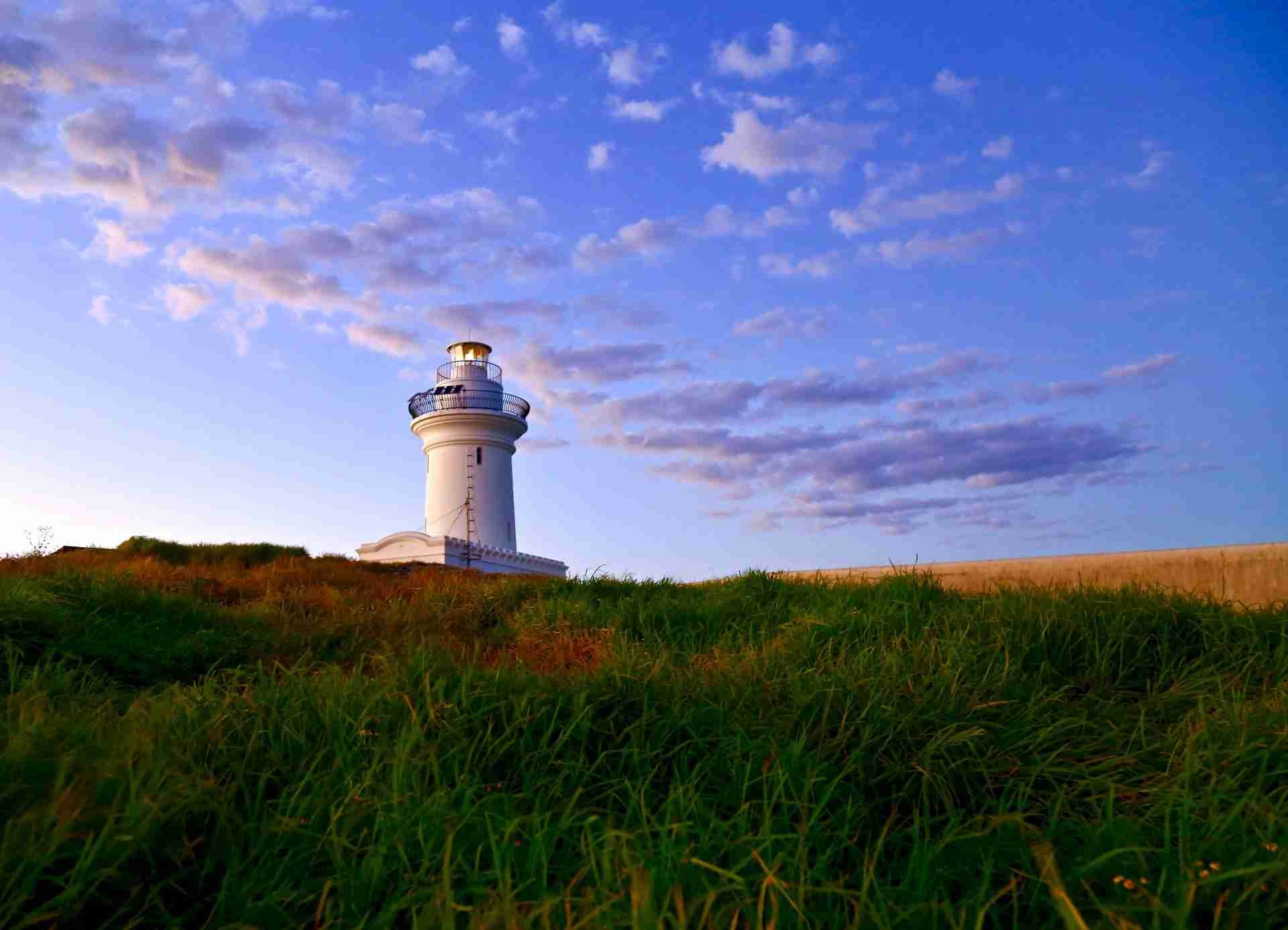
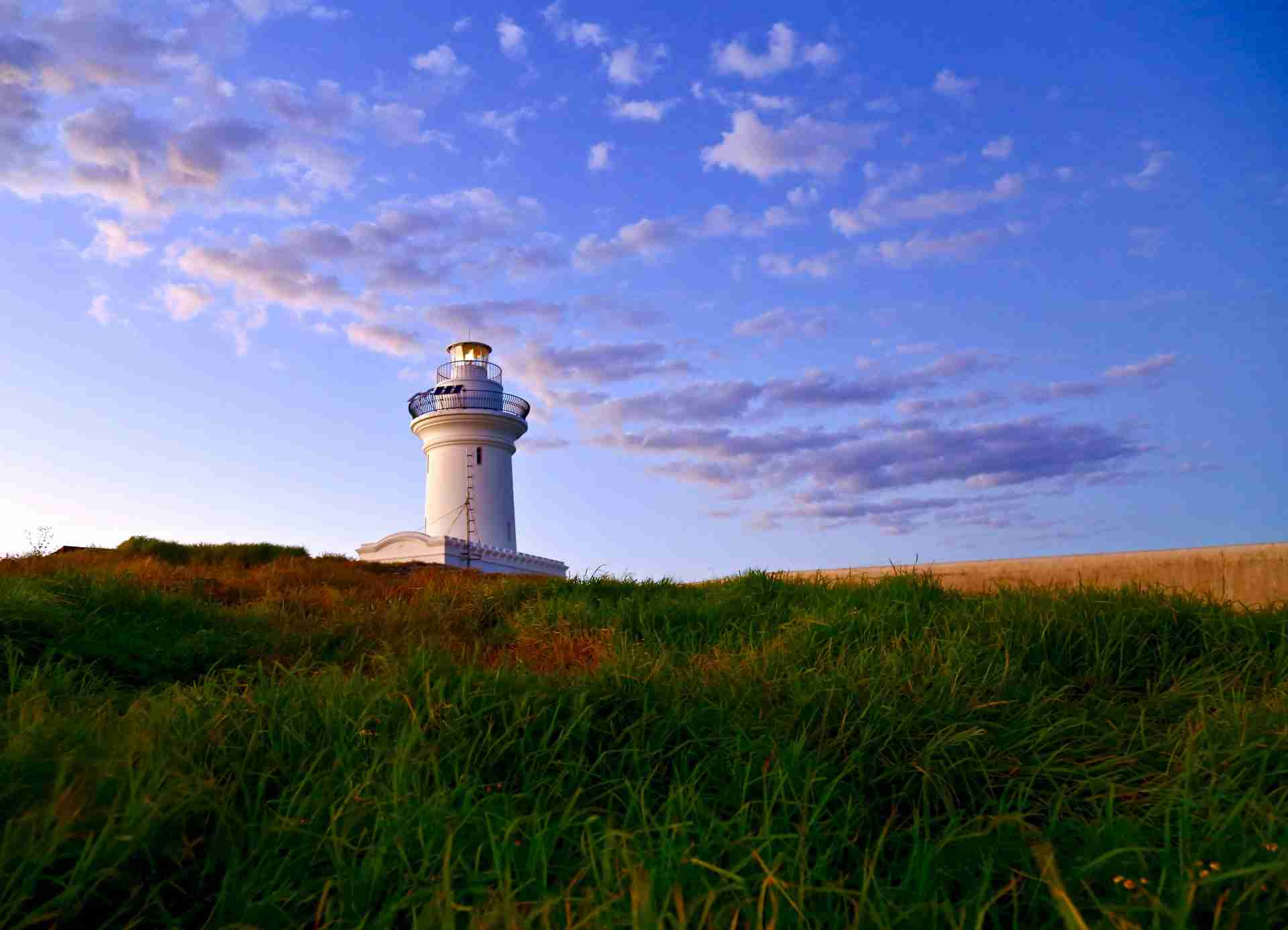
South Solitary Island Light rises from a rugged island off the coast of New South Wales, standing watch over the Coral Sea and guiding ships for more than a century. Set within the Solitary Islands Marine Park, the lighthouse is surrounded by cliffs, reef systems, and open water that shift in color and texture with every change in weather and tide. For photographers, this is a location defined by contrast: white stone against deep blue sea, hard edges of rock meeting soft moving water, and calm horizons set against rapidly changing skies. The isolation of the island adds to its photographic appeal, making every image feel earned rather than casual. Whether approached from the air, sea, or distant shore, South Solitary Island Light offers a subject that is both visually striking and deeply tied to its maritime setting.
Best Photography Opportunities
• Cliffside Lighthouse Portraits
The lighthouse itself is the natural focal point of the island and rewards careful framing from multiple angles. From lower vantage points, the structure appears to rise directly out of the rock, creating a strong sense of permanence against the shifting sea. Shooting from slightly elevated positions allows you to place the lighthouse against open water or sky for a cleaner composition. Early or late light brings out texture in the stone and softens the contrast between white walls and dark cliffs. Working slowly around the site reveals subtle variations in background and scale that can completely change the mood of the image.
• Aerial Views of Island and Reef
From above, South Solitary Island reveals patterns that are invisible from ground level. The surrounding reefs form intricate shapes in the shallow water, and their colors shift from turquoise to deep blue depending on depth and light. The lighthouse becomes a central anchor in the composition, giving context and scale to the broader marine environment. Morning flights often offer calmer air and clearer water visibility, which helps bring out detail in the reef. Aerial work here is especially strong when the sun is high enough to penetrate the water but not so high that it flattens shadows.
• Seascapes with the Lighthouse as Anchor
Placing the lighthouse within wider ocean scenes helps convey the isolation and scale of the location. Using the structure as a fixed point against rolling water and moving clouds creates images that feel both stable and dynamic. Long exposures can smooth the water and contrast beautifully with the sharp outline of the island. These compositions benefit from careful horizon placement to avoid cutting through the lighthouse itself. They are especially powerful when storm clouds or heavy swells are present offshore.
• Detail Studies of Weather and Wear
Beyond the grand views, the lighthouse offers smaller details that tell a quieter story. Peeling paint, rusted fittings, and the texture of stone shaped by salt air all lend themselves to close up work. These images work well as a series that complements wider landscapes. Soft light on overcast days is ideal for capturing texture without harsh shadows. These details help bring a sense of age and use into your visual narrative of the place.
• Changing Skies and Light Over Open Water
The open ocean setting makes South Solitary Island Light an excellent place to study sky and light. Clouds move quickly across this part of the coast, often creating strong bands of light and shadow across the sea. The lighthouse provides a stable visual element while everything around it shifts. Sunset and sunrise are particularly rewarding, with warm tones reflecting off both water and stone. Even midday can be productive when fast moving clouds break up the light and add depth to the sky.
Best Time to Visit
Late autumn through early spring tends to offer the most rewarding conditions for photographing South Solitary Island Light. During these months, the air is often clearer, and the light has a softer angle that enhances texture and depth across both rock and water. Summer can be productive as well, particularly for aerial or marine photography when water visibility is at its best, though heat haze and harsher light can become challenges during the middle of the day. Early morning is excellent for calm seas and gentler winds, making it easier to work with boats or drones. Late afternoon and early evening bring warmer light and longer shadows that suit both detail work and wide compositions. Weather plays a major role here, so flexibility in scheduling is important, as dramatic cloud formations or passing storms can transform an ordinary scene into something far more compelling.
How to Get There
South Solitary Island lies about fifteen kilometres northeast of Coffs Harbour and is only accessible by boat or aircraft. Most photographers reach it through a chartered boat or guided marine tours departing from Coffs Harbour or nearby coastal towns. There is no public road access, and landing on the island is typically regulated due to its status within the marine park and the fact that the lighthouse is still active. You should always check access permissions and tour availability in advance, as conditions and regulations can change. There are no general access fees to view the island from the water, but guided tours and charters will have their own costs. Because of its exposed position offshore, visits are weather dependent and often rescheduled when sea conditions are rough.
Recommended Photography Gear
A weather sealed camera body is highly recommended for this location due to salt spray, wind, and sudden weather changes. A wide lens will allow you to capture the lighthouse within its full marine context, while a mid range zoom is useful for isolating sections of the structure or framing tighter compositions from a boat. A telephoto lens can be valuable if you are photographing from the mainland or another vessel, as it allows you to compress distance and bring the island visually closer. For aerial work, a drone with strong wind handling and stable positioning is essential, along with extra batteries, as you will likely be working away from power sources. A polarizing filter helps control glare on water and enhances color separation in the sea and sky. If shooting from a boat, image stabilization and a fast shutter capability become more important than a tripod, which is usually impractical in that setting. Waterproof bags and lens cloths are also important since moisture is unavoidable in a marine environment.
Nearby Photography Locations
This location offers strong foreground elements with the jetty leading into open water and distant headlands. It is an excellent place to work with long exposures and to photograph passing storms or changing light over the sea.
Just off the coast near Coffs Harbour, this small island reserve provides elevated views back toward the mainland and out to sea. It is particularly useful for capturing seabirds in flight and layered coastal compositions.
Located within the Solitary Islands Marine Park, this headland gives wide views over reef systems and clear water. It is ideal for photographing color variation in the sea and coastal rock formations from above.
North of Coffs Harbour, this headland combines rocky shoreline with sweeping ocean views and a relaxed coastal setting. It is a good place to photograph both seascapes and everyday coastal life in the same session.
This long stretch of sand backed by dunes and headlands is excellent for wide coastal scenes and sunrise work. The open space and changing surf patterns offer a strong contrast to the isolated feel of South Solitary Island.
Comments
Loading comments…