
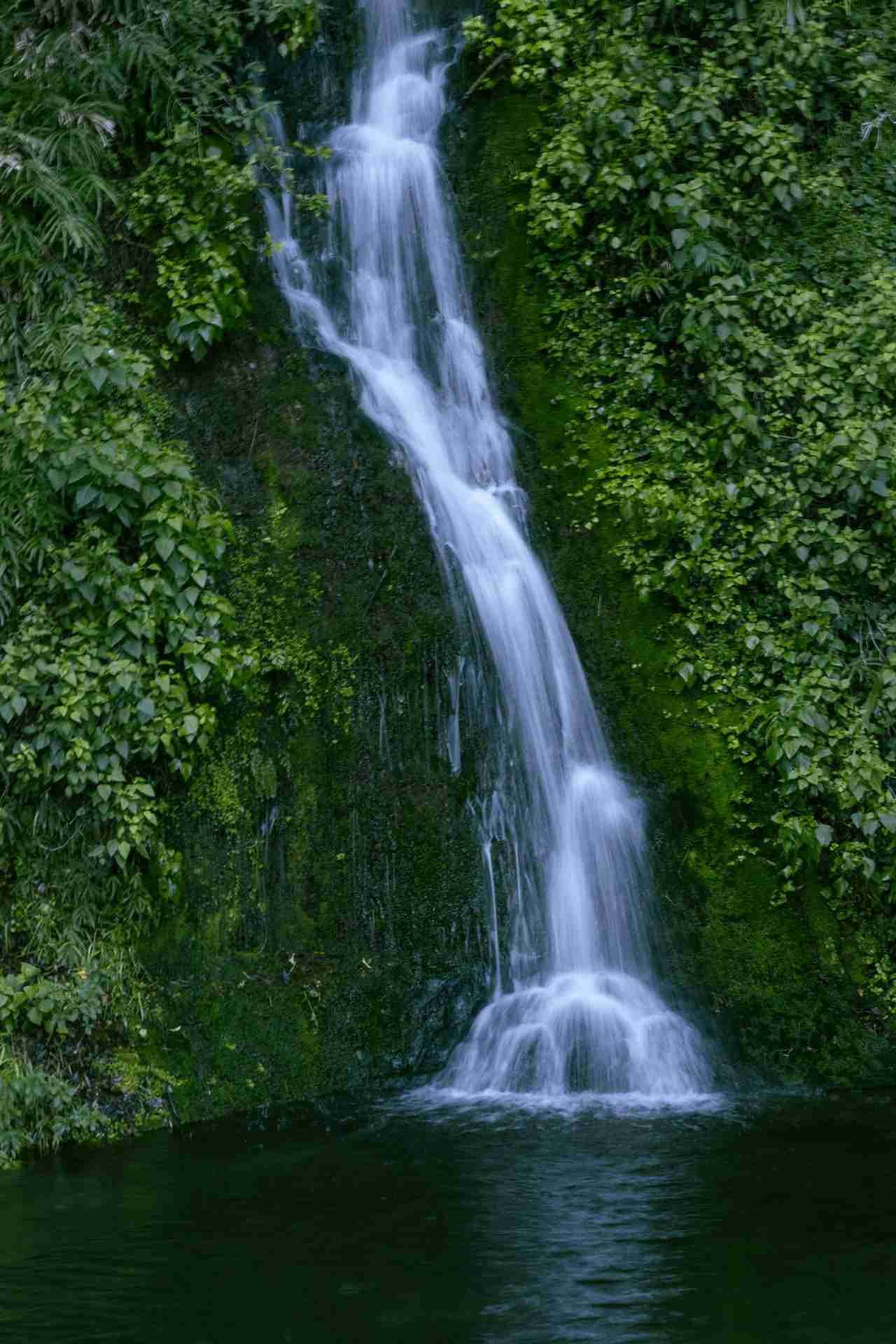
Centennial Garden and Waterfall is a peaceful ornamental garden tucked into the slopes of Bluff Hill above Napier on New Zealand's North Island. Created to commemorate local heritage and provide quiet public space, this garden combines manicured paths, layered plantings, and a cascading waterfall that draws the eye downward toward the city and the ocean beyond. Its mix of stone, water, and gardens makes it a strong location for photographers who enjoy subtle landscape details alongside broader vistas. The elevated setting gives you dynamic views in nearly every direction, and the waterfall itself offers a chance to work with motion in water as well as structure in stone and foliage. From intimate textural work around the falls to panoramic scenes of Napier's coastline, the garden invites a mix of approaches without feeling crowded or overworked.
Best Photography Opportunities
• Waterfall Motion and Stone Detail
The waterfall and its surrounding rockwork are the focal point for many photographers who visit Centennial Garden. Shooting with a slower shutter speed captures the flow of water and smooths it into a ribbon over the stones, which contrasts nicely with the rough texture of the rock. You can frame the falls from various angles along the paths, using stone walls, ferns, or arches of foliage to lead the eye into the flow. Soft morning or late afternoon light is ideal because it avoids harsh highlights on wet surfaces while still bringing out detail in the surrounding plantings. Close up work with a standard zoom or short telephoto lets you isolate small sections of water and texture, while a slightly wider lens gives context to the cascade within the garden.
• Layered Gardens and Path Curves
Centennial Garden is designed with a series of terraces and paths that move laterally along the hillside. These paths and curves create natural leading lines that help guide viewers through your frame toward the waterfall, toward the city below, or up into the green slopes above. Shooting from a high path looking downward lets you capture overlapping layers of stone, foliage, and walkways, which adds depth to your compositions. Early morning when the shadows are long works well for this area, as it reveals contour and form without flattening the scene. A wide angle lens helps include multiple elements in one image while keeping them balanced.
• Views Toward Napier and the Ocean
From several vantage points in the garden, you can capture broad views over Napier toward Hawke Bay. These scenes work wonderfully in the soft golden light of late afternoon when the city and water take on warmer tones. Positioning the waterfall or garden elements in the foreground with the city and ocean in the background creates a strong sense of place. Using a telephoto lens for these scenes compresses distant hills and water, giving a layered look that emphasizes depth. Clean air days with minimal haze are best for these shots, but even with cloud cover, the urban and coastal shapes remain compelling.
• Textural Studies of Stone, Foliage, and Water
The garden contains a variety of materials and natural forms that make good detail subjects. Mossy stone, patterned paving, leaves lit from the side, and the varying textures of the planting beds all work well for tighter compositions. These details take on more character under softer, diffused light, such as just after rain or in the shade of taller plantings. A macro or short telephoto lens helps isolate these textures without pulling in distracting background elements. This kind of work often pairs nicely with your wider landscape shots, creating a broader visual narrative of the site.
• Seasonal Colors
The character of Centennial Garden shifts with the seasons and light. Spring and early summer bring vibrant greens and fresh growth that perform well against the grey stone and water surfaces. Autumn can add warmer tones to surrounding plantings, especially in the lower garden terraces. Winter mornings sometimes offer mist or lingering dew that enhances reflections and softens edges. Throughout the year, cloud movement and changing light between sunrise and sunset allow you to shoot multiple moods in a single visit. Taking time to watch the light move through the space helps you find new compositions that feel fresh and intentional.
Best Time to Visit
The best light for Centennial Garden and Waterfall tends to be in the early morning or late afternoon. In the morning, soft directional light reveals texture in stone and foliage without introducing harsh contrast. Late afternoon light warms the city and ocean views while giving long shadows that add shape to the paths and terraces. Spring and autumn generally offer the most balanced conditions with gentle sun angles and colorful natural tones. Summer provides long days, but midday sun can be strong; in that case, overcast conditions help keep light even and manageable. Winter visits can be rewarding on clear days for low angle sun and subtle color, though cooler weather and wet ground call for shoes with good grip.
How to Get There
Centennial Garden and Waterfall is located on the slopes of Bluff Hill in Napier, New Zealand. The site is accessible by car, with street parking and small pull off areas near the garden entrances above the city. From these points, paved paths and stair sections lead through the terraces and up toward the waterfall and lookout areas. There are also walking routes from lower in town that climb gradually into the garden, making it a nice option for a combined city walk and photography session. The garden is open to the public at no cost, and there are no restrictions on photography. Footpaths are well maintained, but some sections can be uneven or steep, so footwear with good traction is recommended when carrying gear.
Recommended Photography Gear
A wide angle lens is useful for capturing waterfall context, layered paths, and broad views over Napier and Hawke Bay. A standard zoom gives you flexibility for both architectural garden features and mid-range landscape framing. A short telephoto lens helps isolate distant coastal views or pull compressed layers of hillside and ocean into your frame. A tripod is recommended for motion blur work on the waterfall and for sunrise or sunset scenes when light levels are lower. A circular polarizer can help reduce glare on wet stone or water surfaces and bring out color in foliage and sky. Bringing a lens cloth is also helpful to manage mist or spray from the waterfall, especially on windy days.
Nearby Photography Locations
This seaside stretch offers open views of Hawke Bay, patterned paving, and low coastal structures. Sunrise and blue hour are strong times to capture light on the water and reflections on Dampier Terrace.
• Bluff Hill Lookout
A short distance from the garden, this lookout provides sweeping panoramas of Napier, the bay, and the city's layout with hills behind. It is ideal for broad landscape compositions in softer light.
Located closer to sea level, these formal gardens have sculptures, palms, and symmetrical walkways that contrast nicely with Centennial Garden's more natural stone forms. Overcast days work well here for diffused light.
A bit farther inland, this prominent peak offers dramatic views over vineyards, hills, and farmland toward the coast. It is especially photogenic at sunrise when mist can linger in the valleys below.
This quiet natural area near Napier is ideal for birding and environmental photography, and its reflections of sky and mangroves work well in soft morning light. It provides a gentle contrast to bluff-top and waterfall shots.
Centennial Garden and Waterfall provides a mix of flowing water, stone, and layered landscape that makes it a rewarding stop for photographers of many interests. Whether focusing on motion in water, strong paths and lines, or wide coastal scenes, this hillside garden offers both quiet detail and broad context.
Comments
Loading comments…