
![Rain and Thunder: Photographing Devil’s Punchbowl Falls in Arthur’s Pass Crashing down 131 meters from the steep cliffs of Arthur’s […]](https://storage.googleapis.com/pixeo-blog.firebasestorage.app/article-images/wp-import/featured-131756.jpg)
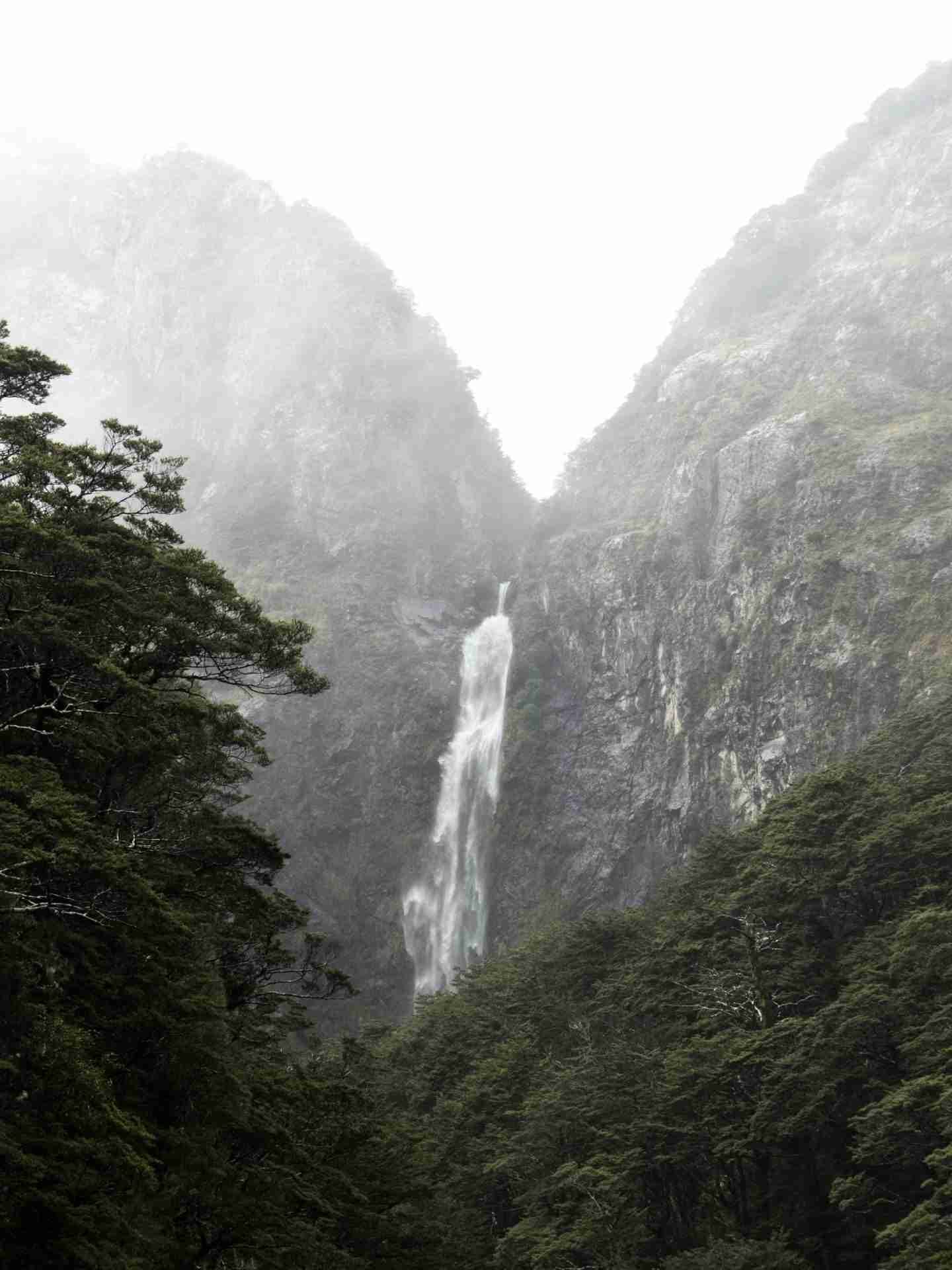
Crashing down 131 meters from the steep cliffs of Arthur's Pass National Park, Devil's Punchbowl Falls is a spectacle of raw hydrological force framed by dense beech forest and alpine rock. Located in New Zealand's Southern Alps, this towering waterfall is one of the most dramatic and accessible in the South Island, roaring into a mist-laden gorge with intensity that resonates well before it comes into view. For photographers, Devil's Punchbowl offers a compelling interplay between motion, verticality, and texture—set within a landscape where mountain weather and light change by the minute. Whether approached as a foreground-dominant composition or a distant landscape study, the falls deliver drama, detail, and atmosphere in equal measure.
Best Photography Opportunities
• Frontal View from the Lower Lookout
The main viewing platform near the base of the falls provides the most direct and dramatic vantage point. From here, you're close enough to feel the wind and spray generated by the falls, and a wide-angle lens allows you to frame the vertical plunge in full, with mossy rocks and stream flow anchoring the foreground. Long exposures of 1 to 3 seconds will blur the water into soft ribbons, but be aware of mist—shoot with a lens hood and be ready to wipe your glass frequently. On cloudy days, soft light fills the gorge evenly, while in late afternoon, dappled light filters through the trees, adding highlights and contrast.
• Mid-Trail Elevated Compositions
As you ascend the 1.1-kilometer track to the viewing platform, several elevated spots along the trail offer partially obscured views of the falls cascading through dense forest. These side angles work well for contextual landscape shots, where the waterfall becomes part of a larger scene. Use a mid-range zoom to balance the scale of the fall with the surrounding vegetation, especially in mist or rain, which adds mood and atmosphere. These locations are ideal for handheld shooting and offer refuge from the spray at the base.
• Telephoto Studies of the Upper Drop
From the lookout or sections of the trail, a telephoto lens (100–300mm) can isolate the upper tiers of the waterfall as they stream over fractured rock faces. These images emphasize line and movement, especially under shifting light when mist catches the sun in subtle ways. Shorter exposures (1/125 to 1/250) work well for capturing texture in the falling water, creating more energetic, detailed frames than long exposures typically allow. Try bracketing to handle the contrast between bright water and darker cliffs.
• After Rain or Snowmelt Surge
Devil's Punchbowl is at its most dynamic during and immediately after heavy rain or spring thaw. Water flow increases dramatically, and side channels sometimes open temporarily along the rock face. The intensity of the water alters the photographic balance, often requiring faster shutter speeds or more protective gear to shoot through the constant mist. While long exposures remain possible, neutral density filters must be combined with strategic shielding—carry a microfiber cloth and lens wrap to protect your gear between frames.
• Black and White Interpretations of Water and Rock
The monochromatic palette of grey rock, white water, and dark beech forest lends itself exceptionally well to black and white photography. Textural studies of rock patterns, swirling mist, and sharp-edged branches frame the falls with structure and mood. Use overcast days or early morning light to minimize harsh contrast and preserve tonal range, and consider incorporating tree trunks or boulders as visual anchors in otherwise minimalist compositions.
Best Time to Visit
Devil's Punchbowl is photogenic year-round, but seasonal variation dramatically alters both the flow and the surrounding landscape. Late spring (October to November) and early summer (December) offer peak water volume from snowmelt in the surrounding ranges. This is the best time for powerful, mist-filled compositions and dynamic long exposures. Morning light is typically softer, while late afternoon may introduce shadows and higher contrast.
Summer (January to March) brings more stable weather, making trail access more predictable and allowing for repeated visits under varying light. Water levels may drop slightly, revealing more of the underlying rock face, but the falls remain vigorous. Early morning shoots often coincide with still air and delicate light filtering through the canopy.
Autumn (April to early May) introduces subtle color shifts in the beech forest and less tourist traffic. While the falls remain active, cooler temperatures and higher humidity increase the likelihood of fog and mist—ideal conditions for atmospheric work.
Winter (June to August) brings snow to the surrounding peaks and occasional frost to the track. Access remains open, though ice and snow can make parts of the trail slippery. Water volume tends to be lower but still photogenic. Snow patches on the cliffs and surrounding foliage introduce a contrasting palette of white and dark green, especially when captured in soft overcast light.
Regardless of season, avoid midday sun on clear days, which creates harsh shadows and often overexposes the waterfall. Overcast skies or light drizzle are best, reducing glare and intensifying the forest's deep greens and rock textures.
How to Get There
Devil's Punchbowl Falls is located just outside the village of Arthur's Pass in the central Southern Alps, roughly halfway between Christchurch and Greymouth along State Highway 73. From Christchurch, the drive takes approximately 2.5 hours through scenic mountain terrain. Turn off at the Devil's Punchbowl car park near the western edge of Arthur's Pass village.
From the car park, a well-marked and maintained trail leads to the falls. The track is 1.1 kilometers one way, with a steady climb via wooden steps and gravel paths. Allow 20 to 30 minutes for the walk depending on pace and gear load. The trail is surrounded by lush native bush, and the sound of the falls grows louder as you ascend.
The lookout platform at the end of the trail provides the clearest frontal view of the falls. While drones are not permitted within the national park, tripods and slow-shooting techniques are welcome. Restrooms and basic amenities are available in Arthur's Pass village. Cell service is available near the village but may drop near the falls.
Recommended Photography Gear
Photographing Devil's Punchbowl Falls requires a lightweight, water-tolerant kit that can handle variable weather and constant mist. A full-frame camera with strong dynamic range is ideal, especially for capturing the contrast between dark forest and bright white water. A wide-angle zoom (16–35mm) is essential for the base composition at the lookout, while a mid-range (24–70mm) covers trail compositions and forest details. A telephoto lens (70–200mm) is useful for isolating the upper falls and compressing the vertical lines of the cliff face.
A sturdy tripod is critical for long exposure work, but avoid overextending legs on the wooden lookout platform to minimize vibration. A lens hood, microfiber cloth, and rain cover are mandatory—spray from the falls is constant, particularly in high flow conditions. Consider using a collapsible umbrella or jacket sleeve to shield your lens during exposure.
A polarizing filter helps cut glare from wet rock and enhances foliage contrast, though it may affect water reflection and should be rotated carefully. Neutral density filters (6- to 10-stop) are helpful for maintaining longer shutter speeds even in brighter overcast conditions.
Hiking boots with strong grip, a weather-sealed camera bag, and a dry sack for electronics are essential. Gloves, a waterproof shell, and a headlamp are recommended for early morning or winter visits. Extra batteries and memory cards should be packed in sealed pouches—humidity and cold can affect power and performance.
Nearby Photography Locations
• Otira Viaduct Lookout
Just west of Arthur's Pass village, this elevated viewpoint offers dramatic views over the winding highway and the Otira River valley. The viaduct, mountains, and occasional cloud inversions create high-contrast landscape compositions, particularly at sunrise and sunset.
Located along the Bealey River south of Arthur's Pass, this area features a series of rock channels and pools with crystal-clear alpine water. Ideal for detail studies, long exposures of water, and intimate landscape scenes, especially in soft light or light rain.
For more adventurous photographers, the Avalanche Peak trail offers sweeping views across the Southern Alps and down into the Arthur's Pass basin. It's a strenuous climb but grants unmatched perspective and sunrise potential for panoramic stitching and high-altitude work.
• Temple Basin
On the northern side of the pass, Temple Basin ski field and hiking area provides access to alpine tarns, ridgelines, and wildflower meadows in summer. The basin faces west, catching late light on rugged peaks and offering solitude just minutes from the highway.
Devil's Punchbowl Falls isn't a quiet cascade—it's a roar, a veil of water and sound suspended in air. For photographers, it presents not just a subject but an experience: one where raw power, shifting light, and elemental motion collide. It demands preparation, patience, and a willingness to work with weather rather than against it—but the reward is a portfolio of frames as bold and timeless as the Southern Alps themselves.
Comments
Loading comments…