
Kea Point: A Photographer's Guide to Mount Cook's Alpine Lookout
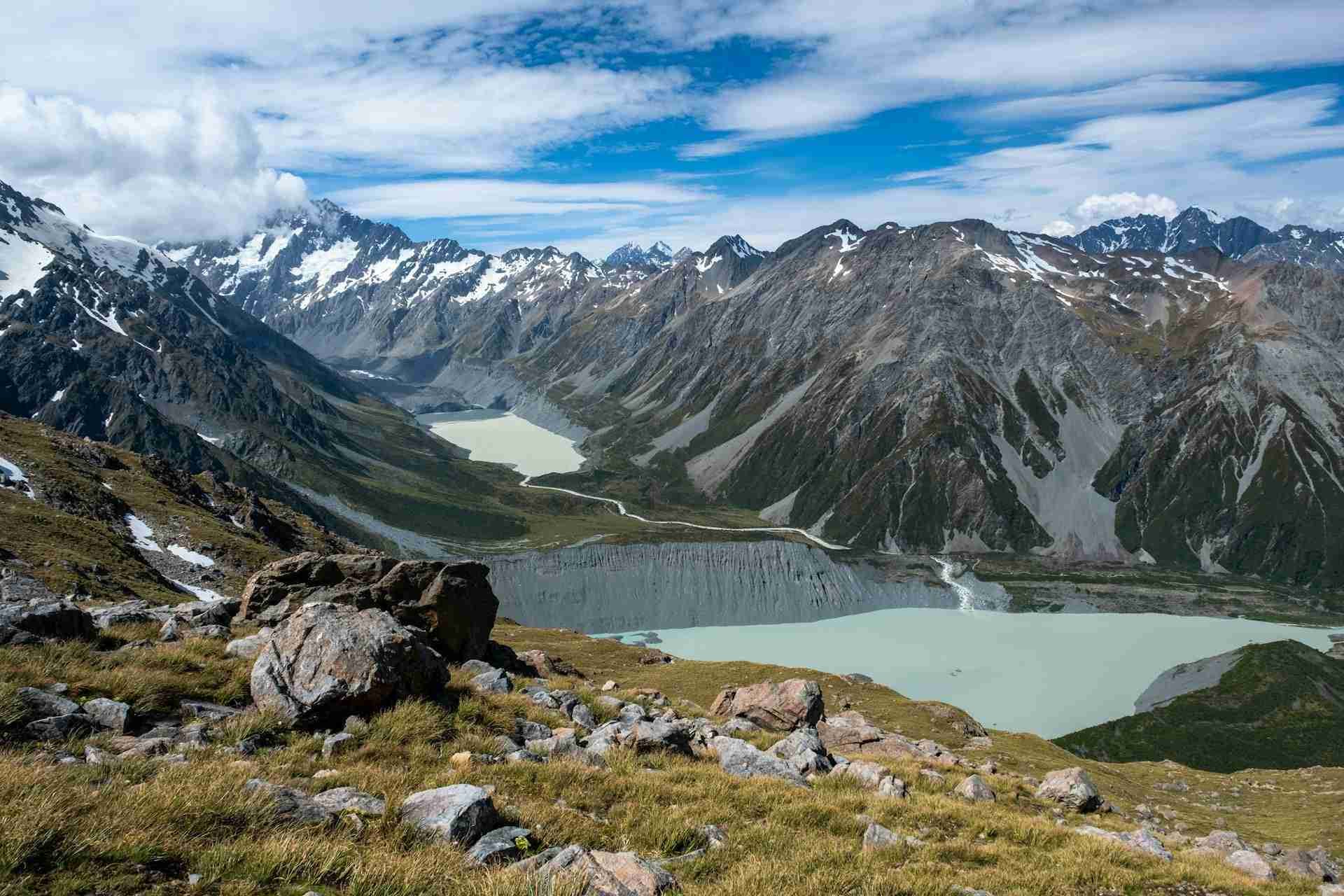
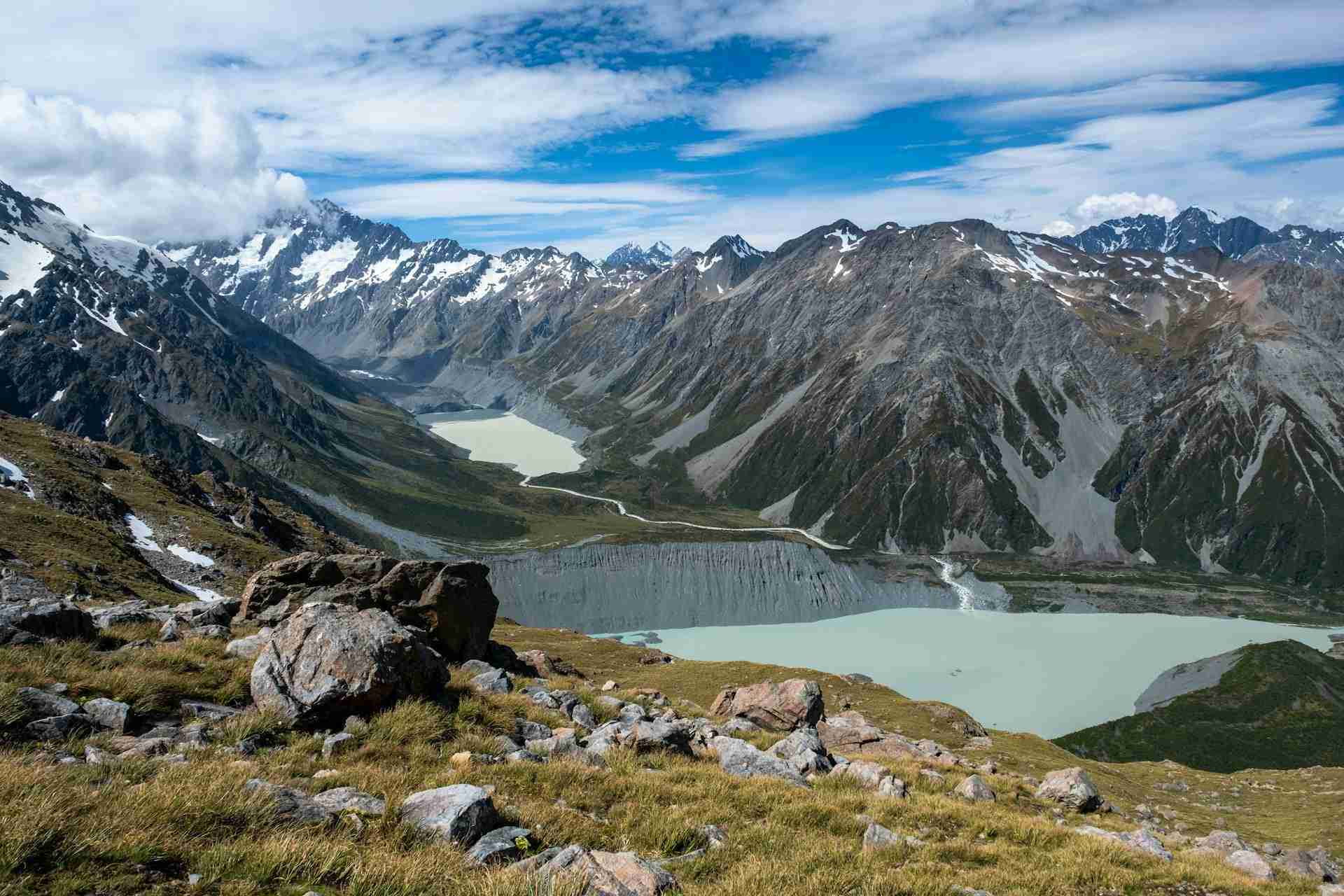
Kea Point in Aoraki/Mount Cook National Park is one of New Zealand's most accessible and rewarding alpine vantage points. Situated at the end of a short, well-maintained trail, this lookout offers panoramic views over Mueller Lake and across to Mount Sefton, the Hooker Valley, and the towering summit of Aoraki/Mount Cook. With its varied terrain, dynamic skies, and proximity to ice, rock, and alpine flora, Kea Point gives photographers a broad palette of subjects and compositions. It is a rare place where a relatively easy walk delivers high-elevation photographic drama.
Best Photography Opportunities
• Sunrise Light on Aoraki/Mount Cook
Kea Point is an exceptional place to catch the first light of day hitting the summit of New Zealand's tallest mountain. The warm tones of sunrise contrast beautifully with the cool blues of the glaciers and shaded valley below. Arriving before dawn lets you capture the soft pastel hues of the sky as they evolve. A wide-angle lens helps frame Mount Cook with the lake and valley in the foreground, while a mid-range zoom can isolate the glowing peak for dramatic, detail-rich shots.
• Golden Hour over Mueller Lake
In the late afternoon and early evening, the warm side light brings out textures in the moraine walls and highlights the ripples on Mueller Lake. Photographers can use the natural lines of the landscape to lead the viewer's eye toward Mount Sefton and the distant glacier ridges. A polarizing filter helps manage glare on the water while enhancing color saturation. The light at this time wraps beautifully around the terrain, creating depth and subtle gradients.
• Snow and Ice Textures in Winter
During winter months, the area around Kea Point often receives a dusting of snow that transforms the landscape. The white cover enhances contrast with the dark rocks and brings out the rugged character of the terrain. Use a telephoto lens to isolate patterns in the snow, sculpted ice on the lake, or snow-laden alpine shrubs. Overcast days offer soft, even lighting for texture studies, while low winter sun adds long shadows and dimension.
• Alpine Flora and Foreground Interest
The approach to Kea Point is lined with tussock grasses, hardy shrubs, and occasional wildflowers depending on the season. These elements make excellent foregrounds for wide landscape compositions. Photographers can frame Mount Cook or Mueller Glacier with these natural textures at their feet, creating a sense of scale and place. A low shooting angle and careful focus layering using a tripod allow for sharp detail from front to back.
• Night Sky over the Southern Alps
Kea Point sits within the Aoraki Mackenzie International Dark Sky Reserve, making it a powerful location for astrophotography. On clear nights, the Milky Way stretches over the Southern Alps, and the snowy peaks reflect starlight subtly. A fast wide-angle lens and tripod are essential for capturing these scenes. Framing the mountains as silhouettes beneath a blanket of stars creates images that are both epic and serene.
Best Time to Visit
Kea Point is accessible year-round, and each season offers a different visual character. In summer, long days and warm light dominate, with clear skies common and alpine flora in bloom. The trail is dry and easy to navigate, and morning or evening visits offer the best lighting. Autumn brings golden tones to the grasses and crisper air that enhances visibility. During winter, snow cover transforms the landscape, lending stark beauty and contrast. The trail may be icy, requiring careful footing or basic traction aids.
Spring offers a transitional mix of fresh growth and lingering snow on the peaks. For landscape and wildlife photographers, this seasonal variation adds richness to each visit. Time of day is also critical. Morning light tends to be softer and cooler, with fewer people on the trail. Golden hour in the late afternoon provides warmth and drama, especially on the mountains. Clear nights are ideal for stargazing and long exposures. Regardless of season, weather can change quickly, so dressing in layers and being prepared for sudden shifts in light and conditions is essential.
How to Get There
Kea Point is located within Aoraki/Mount Cook National Park on New Zealand's South Island. The trail begins at the White Horse Hill campground, approximately 2.5 kilometers from the Aoraki/Mount Cook Village. Ample parking is available, and there are public restrooms at the trailhead. The track is well-marked and follows a gentle incline over 1.1 kilometers to the lookout platform.
The route traverses open alpine meadows and old glacial moraine, offering scenic opportunities even before reaching the end. The total return walk takes about 45 minutes to an hour. There is no cost to access the trail, and it is open year-round, though snow or ice in winter may make conditions slippery. Drone use is not permitted without special authorization due to conservation regulations.
Essential Gear for Capturing the Landscape
A wide-angle lens (16–35mm) is essential for showcasing the grandeur of Mount Cook and the surrounding peaks. A mid-range zoom (24–70mm) gives flexibility when framing compositions that include the lake, ridgelines, and sky. A telephoto lens (70–200mm or more) is helpful for isolating mountain features, capturing patterns in snow and ice, or shooting from a distance in changing weather.
A sturdy tripod is crucial for long exposures at sunrise, sunset, or during night photography. Circular polarizers reduce glare from water surfaces and enhance sky contrast. Neutral density filters are useful for smoothing water motion in the lake during daylight. Extra batteries and memory cards should be carried, especially in winter when cold temperatures shorten battery life. Lightweight gloves, a weather-resistant camera bag, and layered clothing are all useful for comfort and readiness in unpredictable conditions.
Nearby Photography Locations
This popular walking trail features three swing bridges, glacier-fed streams, and culminates at Hooker Lake with stunning views of Aoraki/Mount Cook. It's a prime location for sunrise and sunset shots, and the boardwalk sections make strong compositional elements.
A short drive and hike from Kea Point leads to views over the Tasman Glacier and its meltwater lake. Icebergs often float in the water here, and the afternoon light reflects beautifully off the turquoise surface.
For a steeper climb, this track rewards with elevated views over the entire Hooker Valley and beyond. The reflections at the tarns are particularly beautiful in calm conditions, especially at golden hour.
Just a few minutes from the Tasman Glacier car park, these small lakes offer intimate reflections and alpine textures. They are ideal for practicing composition with simple, clean elements.
Located along the road to Mount Cook, this pull-off offers a classic leading line view with the road pointing directly toward Aoraki/Mount Cook. It's especially popular during sunrise and sunset for its symmetry and depth.
Comments
Loading comments…