
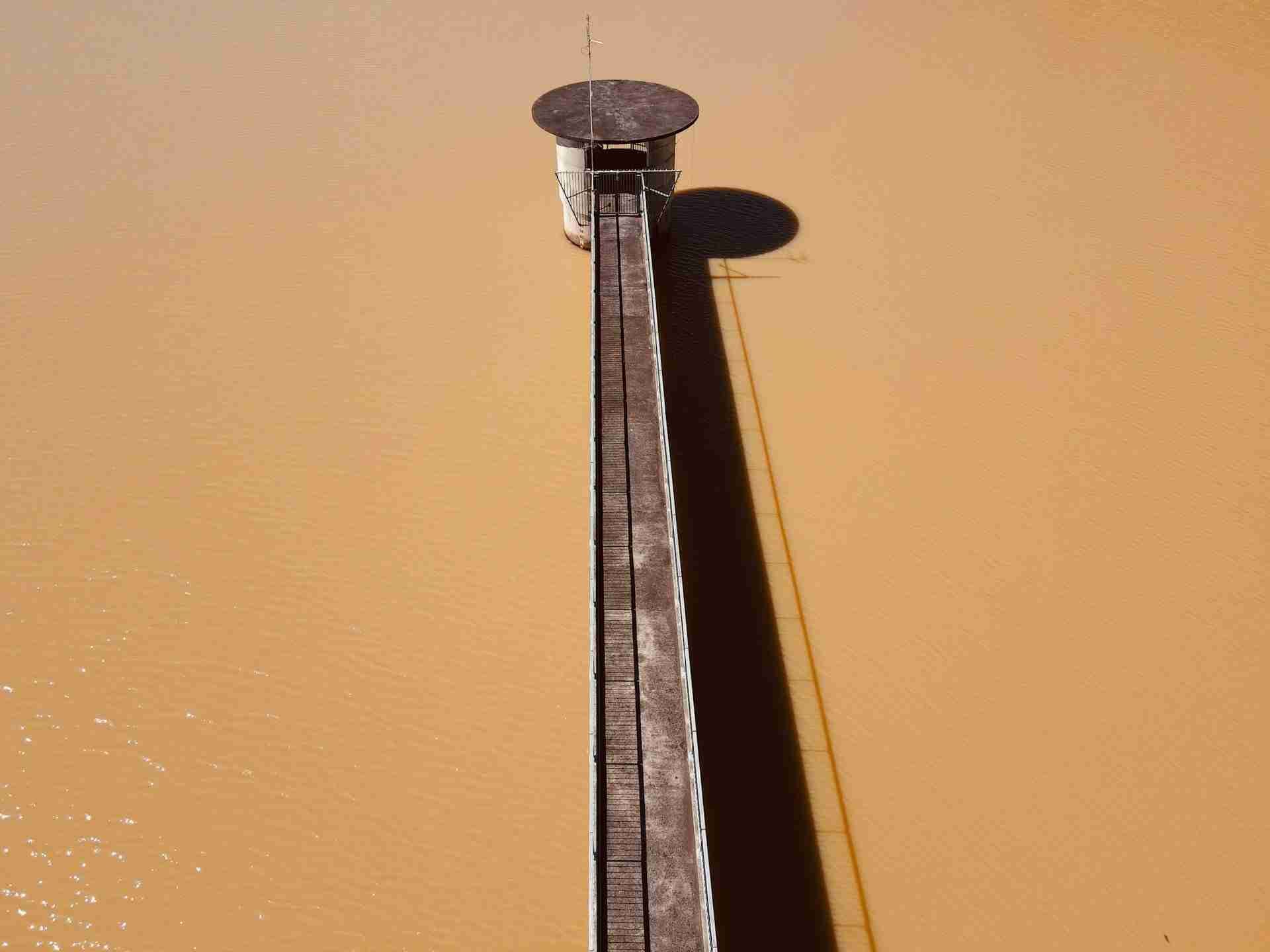
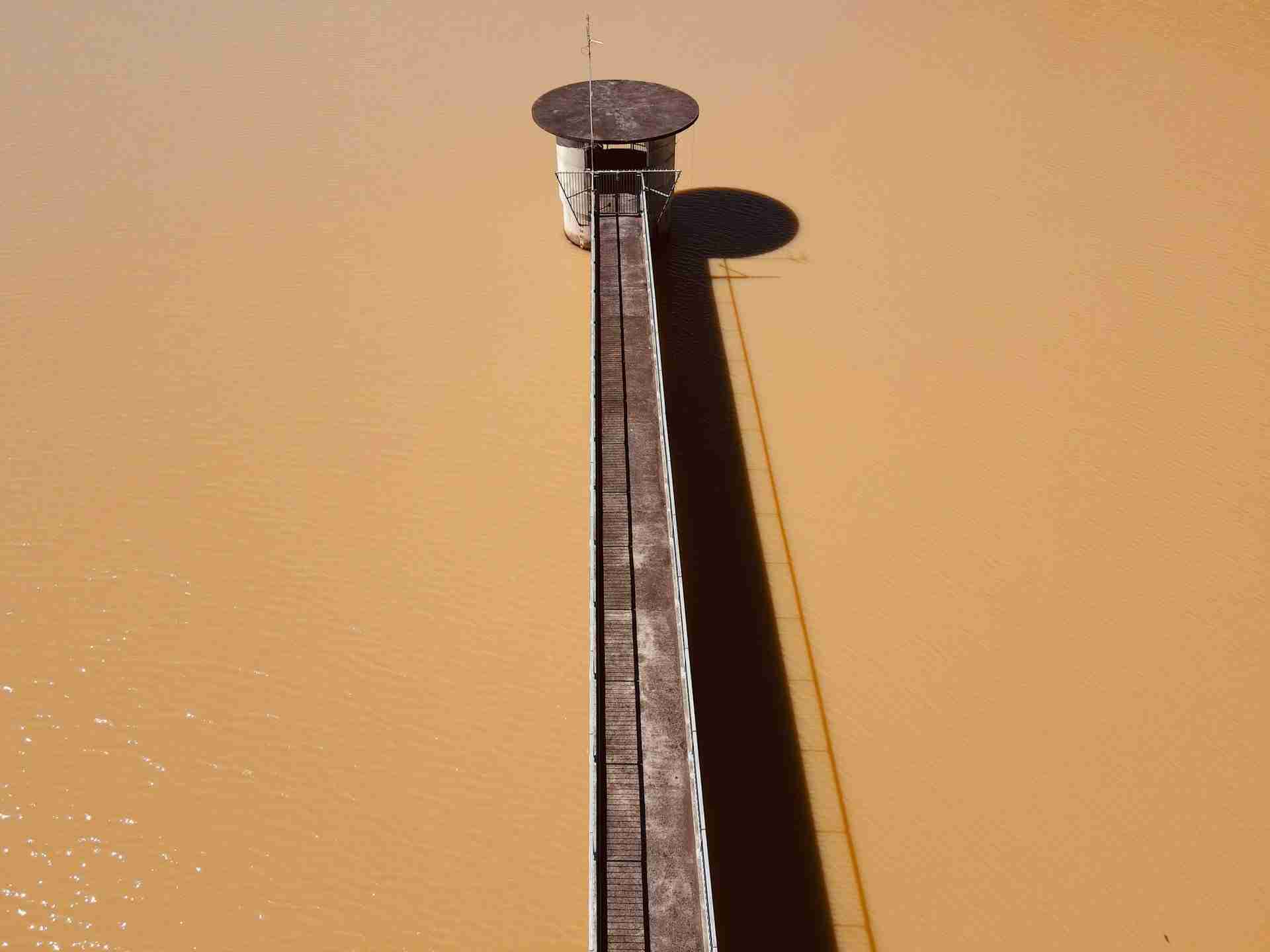
Tucked into the forested folds of the Waitākere Ranges, the Lower Huia Dam offers a striking juxtaposition between engineered structure and untouched natural surroundings. Located near the coastal settlement of Huia on Auckland's western edge, this concrete gravity dam creates one of the region's primary reservoirs. With its angular spillways, reflective waters, and lush native bush, it's a rewarding spot for photographers interested in contrasts—both visual and thematic. The dam is especially compelling in soft light, where mist clings to the treetops and the silence of the setting amplifies its calm, almost meditative atmosphere. While not as frequented as some of Auckland's coastal destinations, Lower Huia Dam delivers a subtle, moody beauty that's ideal for photographers seeking quiet scenes with structural presence.
Best Photography Opportunities
• Dam Face and Spillway Geometry
: From the dam wall or surrounding track, photographers can capture the angular lines of the spillway descending through dense native forest. Use a wide-angle lens to highlight the geometry of the concrete against the layered texture of ferns and tree canopy. This interplay of manmade form and natural backdrop becomes especially effective in low, directional light when shadows fall across the structure. The hard edges and tonal contrast work well for black-and-white treatments, while fog or light rain softens the contrast and adds atmosphere. Framing from slightly above allows you to lead the viewer's eye downward into the forest below, emphasizing the dam's structural scale.
• Mirror Reflections on the Reservoir
: On still days, the surface of the reservoir turns into a mirror, reflecting the enclosing hills and tree lines with painterly symmetry. Long exposures work particularly well here to smooth out subtle ripples and deepen the mood. Misty mornings or post-rain atmospheres can introduce a light fog over the water, enhancing the dreamlike quality of the scene. Consider shooting from a low angle close to the shoreline to enhance the reflection, or use a polarizer to control glare and boost color saturation in the foliage. When clouds hang low over the bush, their shapes become mirrored in the water, creating beautifully layered compositions with minimal adjustment.
• Forest-Framed Vistas
: The access road and walking paths that circle the dam offer several high vantage points where the reservoir is framed by native bush. These locations are perfect for mid-range or telephoto shots that compress the layers of tree cover against the arc of the water. Look for visual rhythm in the repeated shapes of tree trunks or the way light filters through the canopy. Shooting through gaps in the vegetation can create a natural vignette that emphasizes the remoteness of the reservoir. During golden hour, the upper edges of the trees catch the light while the lower valleys fall into shadow, creating excellent tonal separation in landscape compositions.
• Minimalist Detail and Textures
: The raw surfaces of the dam wall—weathered concrete, moss, and drainage patterns—offer strong opportunities for minimalist or abstract compositions. Close-up shots of mechanical elements such as valve gates or safety rails can provide stark contrast with the more organic surroundings, particularly in black and white. Try isolating surface textures using a short telephoto lens to highlight erosion marks, metal corrosion, or subtle graffiti. These fine-grained studies are best in diffused light, which helps control contrast and preserve detail across rough surfaces without distracting highlights.
• Leading Lines on Huia Dam Road
: As you approach the site, Huia Dam Road itself makes an excellent compositional tool. Its gentle curves, dense flanking foliage, and occasional clearings allow you to frame leading lines through tunnels of green. Use these perspectives to draw attention to the quiet approach and emphasize the isolation of the dam site. On misty mornings, the road disappears into fog, giving a cinematic feel and adding narrative to the image. Consider including a figure or vehicle in the distance to scale the landscape and introduce a human element within the wild terrain.
Best Time to Visit
Lower Huia Dam is photogenic year-round, but early mornings deliver the most atmospheric conditions. At this time, the reservoir is often perfectly still, and the surrounding hills are blanketed in fog or low cloud. The light during golden hour is soft and filtered by the canopy, giving the concrete and foliage a warm, subdued tone that suits both color and monochrome processing.
Autumn and winter typically bring the most dramatic skies and morning mist, while spring introduces brighter greens and flowering native plants along the forest margins. Summer offers clearer air and longer shooting windows, though harsh midday light can flatten the scene—making the golden hours on either side of the day more appealing.
Overcast or drizzly weather works well for photographing texture and contrast, especially for abstract or detail-oriented shots of the dam wall and forest. Long exposures of the reservoir and spillway also benefit from the even, soft light that cloudy days provide.
How to Get There
Lower Huia Dam is located on Huia Dam Road in the Waitākere Ranges, approximately 45 minutes west of central Auckland. From Titirangi, follow Huia Road through the bush-clad hills to the small coastal village of Huia, then turn inland onto Huia Dam Road. The road narrows as it ascends into the hills and eventually leads to a small parking area near the dam.
From the car park, the dam is accessible on foot via a short walking track. The route is well-formed but can be slippery after rain, so proper footwear is recommended. There is no entry fee, and the area is typically quiet, especially on weekdays. As the dam is part of Auckland's protected water supply zone, visitors should stay on marked trails and avoid entering restricted areas. Drone use should be conducted with care and only within guidelines for public land near infrastructure.
Exploring Lower Huia Dam and the Surrounding Area
While the dam itself is a strong focal point, the surrounding Waitākere bush is rich in photographic potential. The forest here is dense and layered, with towering rimu, kahikatea, and nikau palms creating a canopy full of filtered light and fine detail. Tracks nearby offer access to waterfalls, streams, and fern-laced gullies—ideal for nature and long-exposure work.
Birdlife is also abundant in the area, and photographers with patience can capture tūī, kererū, or piwakawaka flitting through the trees. The light in these glades is ever-changing, making them rewarding for handheld work or for slow, methodical compositions with a tripod.
For a change in subject, nearby Huia township and its sheltered beach offer coastal scenes and rustic character, creating opportunities to expand your shoot from industrial landscapes into more narrative-driven rural environments.
Nearby Photography Locations
: A short distance further into the ranges, this second dam offers similar visual appeal with more expansive reservoir views and steeper forested surroundings. It's quieter still and excellent for moody landscape compositions with minimal human presence.
: Just a few minutes away, this forested valley is home to a popular waterfall track and suspension bridge. The dense canopy, flowing streams, and varied terrain offer rich material for long-exposure water shots and forest interior photography.
: Located at the westernmost edge of the Waitākere Ranges, this wild black-sand beach features rock formations, dune grasses, and expansive skies. Ideal for sunset silhouettes, wide-angle drama, and minimalist coastal work.
: To the east of Huia, this historic wooden wharf extends far into the Manukau Harbour and is a well-known sunset spot. Its linear form, paired with distant hills and changing skies, makes it great for compositional practice and long-exposure seascapes.
: Situated near Titirangi on Scenic Drive, this elevated viewpoint offers sweeping vistas over the bush, coastline, and ridgelines of the Waitākere Ranges. Excellent for golden hour landscapes and layering distant light across hills.
Lower Huia Dam is a quiet place of visual contrast—where rugged engineering sits gently within one of New Zealand's most verdant native forests. The light is soft, the mood contemplative, and the compositions reward careful observation. For those drawn to the interplay between structure and landscape, this tucked-away corner of the Waitākere Ranges offers something quietly memorable in every season.
Comments
Loading comments…