
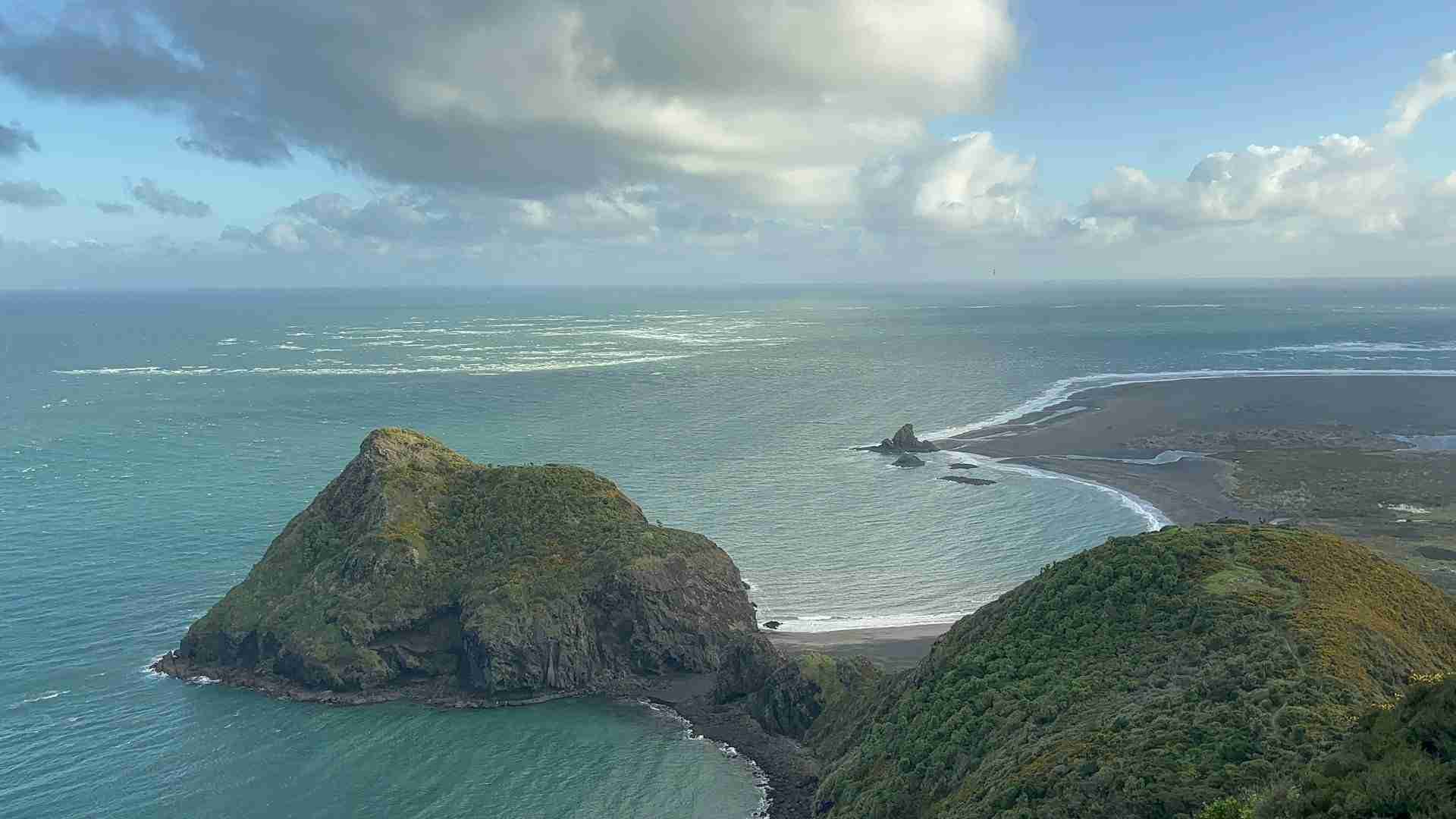
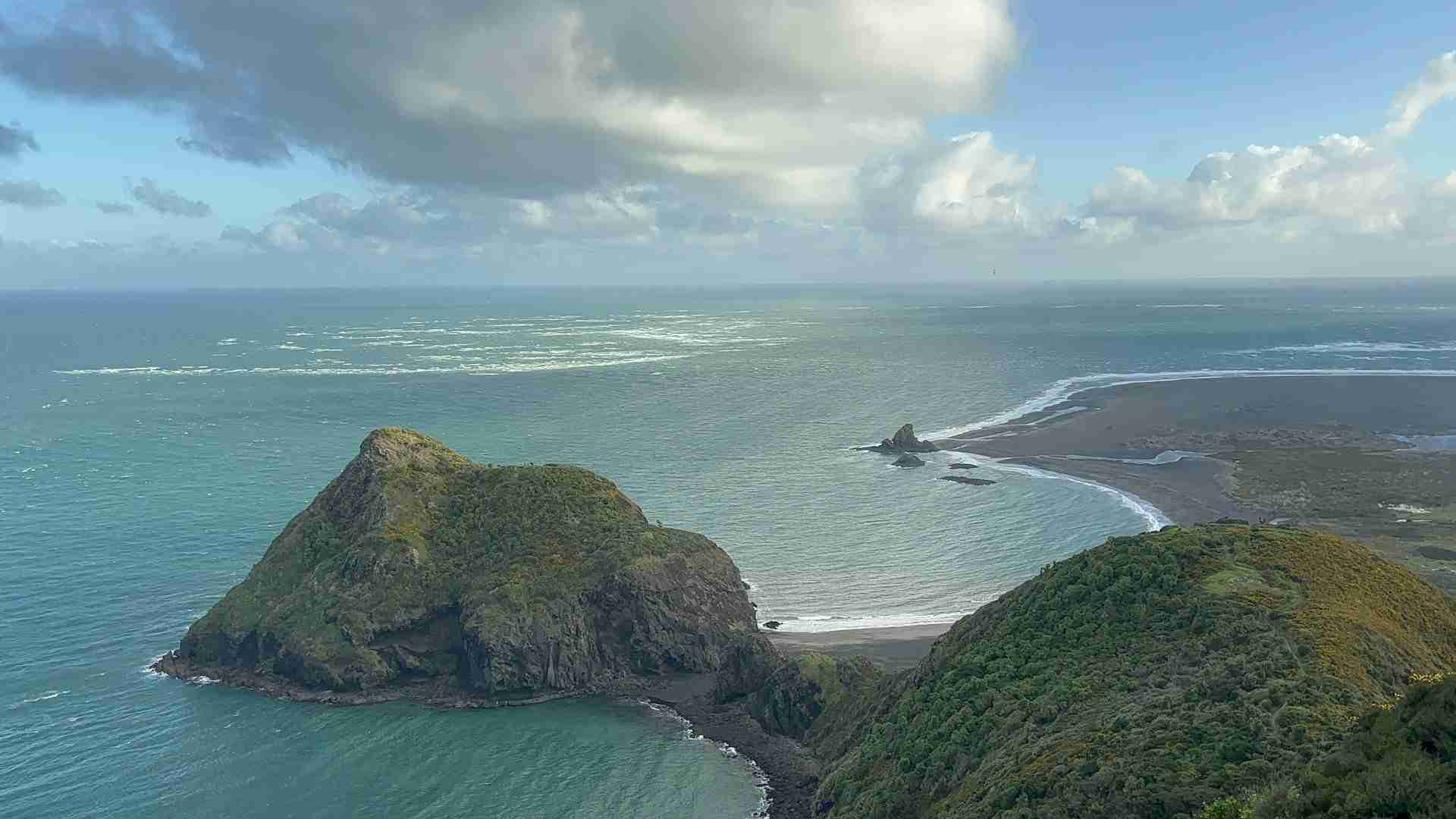
Tracing the dramatic spine of the Waitākere Ranges above the Manukau Harbour, the Omanawanui Track is one of Auckland's most visually arresting coastal hikes. Located near the settlement of Huia on the western edge of the city, this track offers sweeping views of the Tasman Sea, rugged headlands, native bush, and distant volcanic peaks. With its high ridgelines, jagged volcanic outcrops, and constantly shifting light, the Omanawanui Track is a dream location for landscape photographers who favor dynamic elevation, natural drama, and the interplay of weather with land and sea. Whether you're chasing golden hour light across the ridges or capturing atmospheric mood under coastal mist, this trail rewards patience, movement, and attention to every shift in the horizon.
Best Photography Opportunities
• Ridgeline Compositions and Leading Lines
: The Omanawanui Track follows a series of narrow ridges, providing natural leading lines that guide the eye toward distant horizons or up to volcanic peaks. Wide-angle lenses excel here, especially when positioned low to emphasize foreground vegetation or trail textures. In golden hour light, these ridges catch beautiful edge-lighting, outlining the land against a glowing sea or sky.
• Manukau Heads and Harbour Views
: From elevated lookouts along the track, photographers are treated to expansive views of the Manukau Harbour and the Manukau Heads. Shooting westward over the water captures moody cloud movement and the sun's reflection across the harbour mouth. In the early morning or late afternoon, the interplay of light across the hillsides and shadowed gullies adds strong contrast and dimensionality.
• Volcanic Rock Formations and Textures
: Along the trail are several distinctive outcrops of black basalt and andesite, weathered by time and salt air. These rocks make excellent foreground elements for wide compositions or standalone subjects in close-up work. When wet or covered in coastal mist, their textures deepen, and the surrounding vegetation provides soft contrast.
• Bush-Framed Vistas
: Portions of the track pass through regenerating native bush, including manuka, kanuka, and nikau palms, which can be used as framing devices or compositional elements. Shooting through a gap in the foliage toward a ridge or bay beyond creates a sense of depth and scale, especially effective when diffused light softens the foreground.
• Backlit Grasses and Atmospheric Conditions
: In the right light, the golden grasses and coastal shrubs that line parts of the track glow with warmth, particularly during sunrise and sunset. Coastal fog or low-hanging clouds drifting through the valleys add cinematic mood—ideal for long-lens isolations or wide dramatic shots that feel wild and remote despite the track's proximity to Auckland.
Best Time to Visit
The Omanawanui Track is most photogenic during golden hour and into the early blue hour, particularly at sunset when the Tasman Sea and Manukau Harbour catch the final light of day. In the late afternoon, side light creates long shadows across the ridges, emphasizing the topography and giving images a painterly depth. The west-facing orientation of much of the track makes it ideal for sunset photography with silhouettes, edge lighting, and expansive skies.
Mornings offer clearer views across the harbour and more tranquil conditions with fewer hikers on the trail. After rain, mist often lingers in the valleys and clings to the ridgelines—perfect for mood-driven compositions. In summer, early and late are best to avoid the midday haze and heat, while winter light tends to be more dramatic and angular throughout the day.
Low-contrast overcast days are excellent for shooting forest textures, track detail, and rock formations without harsh shadow. Just be mindful of wind exposure on the ridges and sudden weather changes, which are common in this coastal environment.
How to Get There
The Omanawanui Track begins near Huia in Auckland's Waitākere Ranges, roughly a one-hour drive from Auckland's CBD. From the city, head west through Titirangi, following Huia Road until you reach the end near the Lower Huia Dam. There is a small car park at Whatipu Road where the Omanawanui Track begins.
The track itself is approximately 4 km one way and takes 2–3 hours return depending on your pace and how often you stop to shoot. It is steep and narrow in places, with exposed sections along the ridge, so good footwear and caution are essential—especially in wet conditions. As part of the Waitākere Ranges, the track may occasionally be closed for maintenance or Kauri dieback protection, so check Auckland Council updates before visiting.
Exploring the Surrounding Area
The Omanawanui Track connects with the wider Whatipu area, including the beach, caves, and basalt stacks below. After descending from the ridge, photographers can continue toward the black-sand beach at Whatipu, where massive rock formations rise from the surf and the tidal flats stretch wide beneath ever-changing skies. These contrasts—between height and sea level, rock and water—make it easy to craft a full day's shoot across multiple terrains.
The Huia area itself is rich in photographic charm. The Huia Settlers Museum, small wooden churches, and the nearby Upper Nihotupu Dam all offer peaceful, rustic scenes perfect for a slower, storytelling pace. Native bush, stream crossings, and coastal birds round out a portfolio that blends drama with serenity.
Nearby Photography Locations
: Just beyond the Omanawanui Track, this wild coastal area features black sand dunes, sea stacks, and shallow tidal pools. It's a dream for minimalist compositions, especially during golden hour or with low tide reflections.
: A lush forest trail nearby, featuring waterfalls, swing bridges, and moss-covered rocks—ideal for long-exposure work and quiet nature scenes.
• Huia Bay and Wharf
: The calm, reflective waters of Huia Bay offer peaceful scenes with small boats, layered hills, and golden light over the bay. The nearby wharf adds a human element to an otherwise natural frame.
: This secluded reservoir is framed by bush-covered hills and accessible by a short walk. It's excellent for tranquil water reflections and early morning mist.
• Anawhata and Piha Beaches
: A little farther north, these iconic West Coast beaches provide more sweeping seascapes, dramatic cliffs, and world-class sunsets. Ideal for pairing with a multi-day photography trip through the Waitākere Ranges.
The Omanawanui Track is a powerful visual journey—one that climbs from forest to open ridge, from detail to panorama, with every step revealing a new vantage point on Auckland's rugged western coast. For photographers seeking raw, coastal drama shaped by light and wind, it offers a compelling mix of movement, mood, and natural rhythm that speaks to the wild edge of New Zealand's North Island.
Comments
Loading comments…