
A Spectacular Lookout Over Hawke's Bay
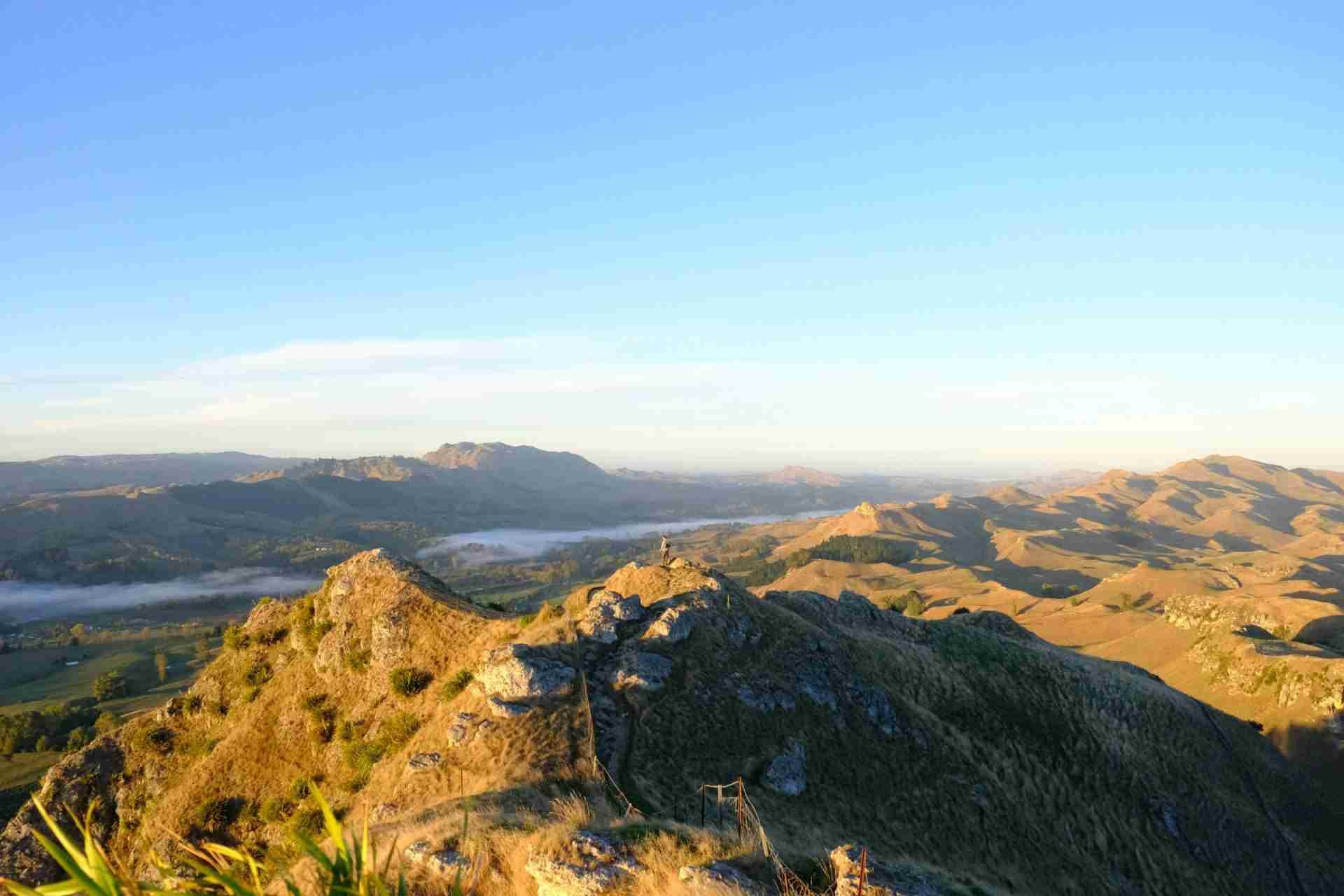
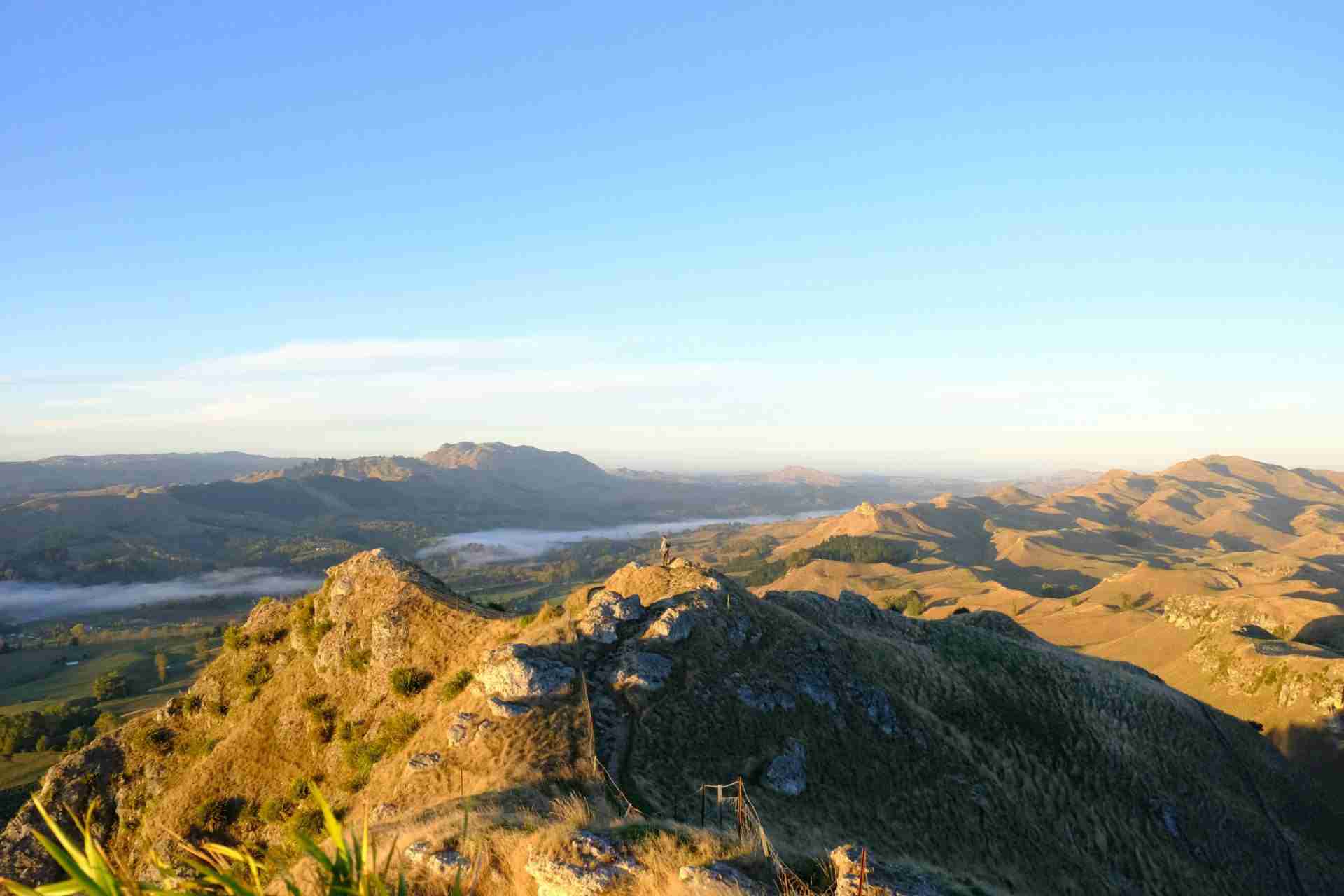
Rising 399 meters above sea level, Te Mata Peak is one of New Zealand's most breathtaking viewpoints, offering sweeping 360° vistas across Hawke's Bay and beyond. From the summit, visitors can see Napier and the Mahia Peninsula to the north and east, rolling hill country to the south and west, and the Ruahine, Kaweka, and Maungaharuru mountain ranges in the distance. On a clear day, even Mount Ruapehu's snow-capped peak is visible on the horizon, adding a dramatic element to long-range shots. This iconic location is known for its rugged limestone cliffs, golden grasslands, and unique native flora and fauna, making it a photographer's paradise.
Best Photography Opportunities
Te Mata Peak is stunning at any time of day, but it is especially magical at sunrise and sunset, when the sky explodes into vibrant hues of pink, orange, and gold, casting long shadows across the rolling hills below. Golden hour enhances the warm tones of the limestone cliffs and dry grasslands, making for rich, textured compositions. Wide-angle shots work well to capture the vast landscapes, while telephoto lenses are perfect for isolating distant mountain ranges or details of the cliffs. The night sky here is also spectacular, making it a great location for astrophotography, with minimal light pollution and dramatic silhouettes of the ridgelines.
Best Time to Visit
Sunrise and sunset provide the most breathtaking light and atmospheric conditions, with mist often rolling through the valleys in the early morning, adding a dreamlike quality to photos. Midday light, while harsher, allows for sharp, high-contrast shots that highlight the dramatic textures of the cliffs and ridges. In autumn and winter, the surrounding hills take on deeper, richer colors, while spring and summer bring vibrant greens and bursts of wildflowers.
The Natural Beauty of Te Mata Park
Te Mata Peak is part of Te Mata Park, a protected natural reserve filled with scenic walking and biking trails, towering native trees, and rare plant species. The unusual limestone formations were shaped over millions of years, creating a dramatic, undulating landscape that resembles a sleeping giant, as told in Māori legend. The area is home to diverse wildlife, including falcons, hawks, and native birds, offering additional opportunities for nature photography.
Nearby Photography Locations
For those looking to capture more of Hawke's Bay's stunning scenery, nearby photography spots include:
• Ocean Beach – A remote, golden-sand beach with rolling dunes and rugged cliffs, perfect for seascape photography and capturing powerful waves crashing onto the shore. The soft morning and evening light make for incredible compositions.
• Cape Kidnappers – Famous for its steep coastal cliffs and massive gannet colony, this location offers dramatic seascapes and wildlife photography opportunities. The towering rock formations and crashing waves create breathtaking, high-contrast images.
• Craggy Range Winery – One of Hawke's Bay's most famous wineries, sitting beneath towering escarpments, offering stunning vineyard landscapes with mountain backdrops. The rows of vines create perfect leading lines for compositions.
• Tuki Tuki Valley – A lush, scenic valley with winding rivers, rolling farmland, and stunning views of Te Mata Peak from below. This location is ideal for rural landscape photography, especially at sunrise and sunset.
Comments
Loading comments…