
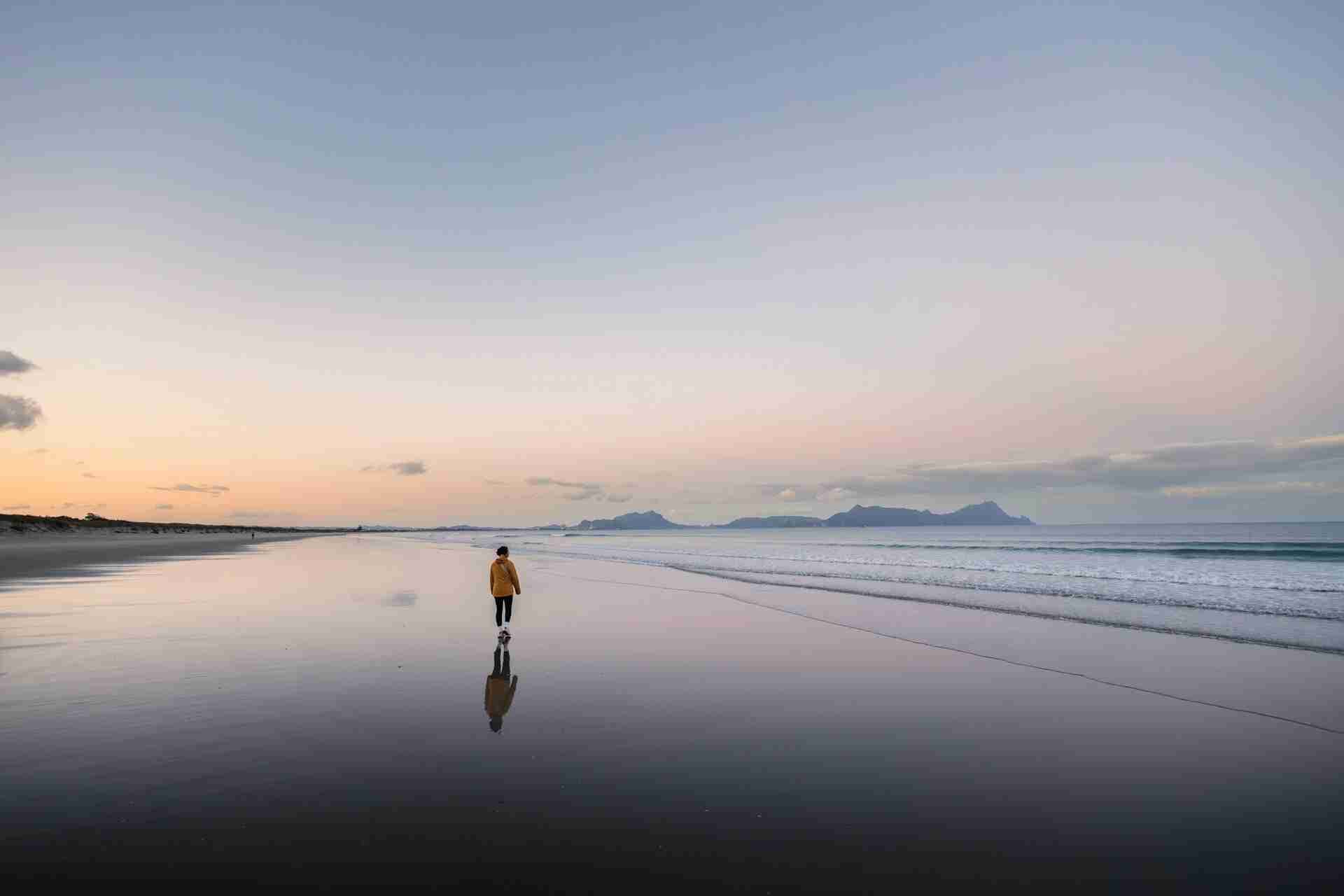
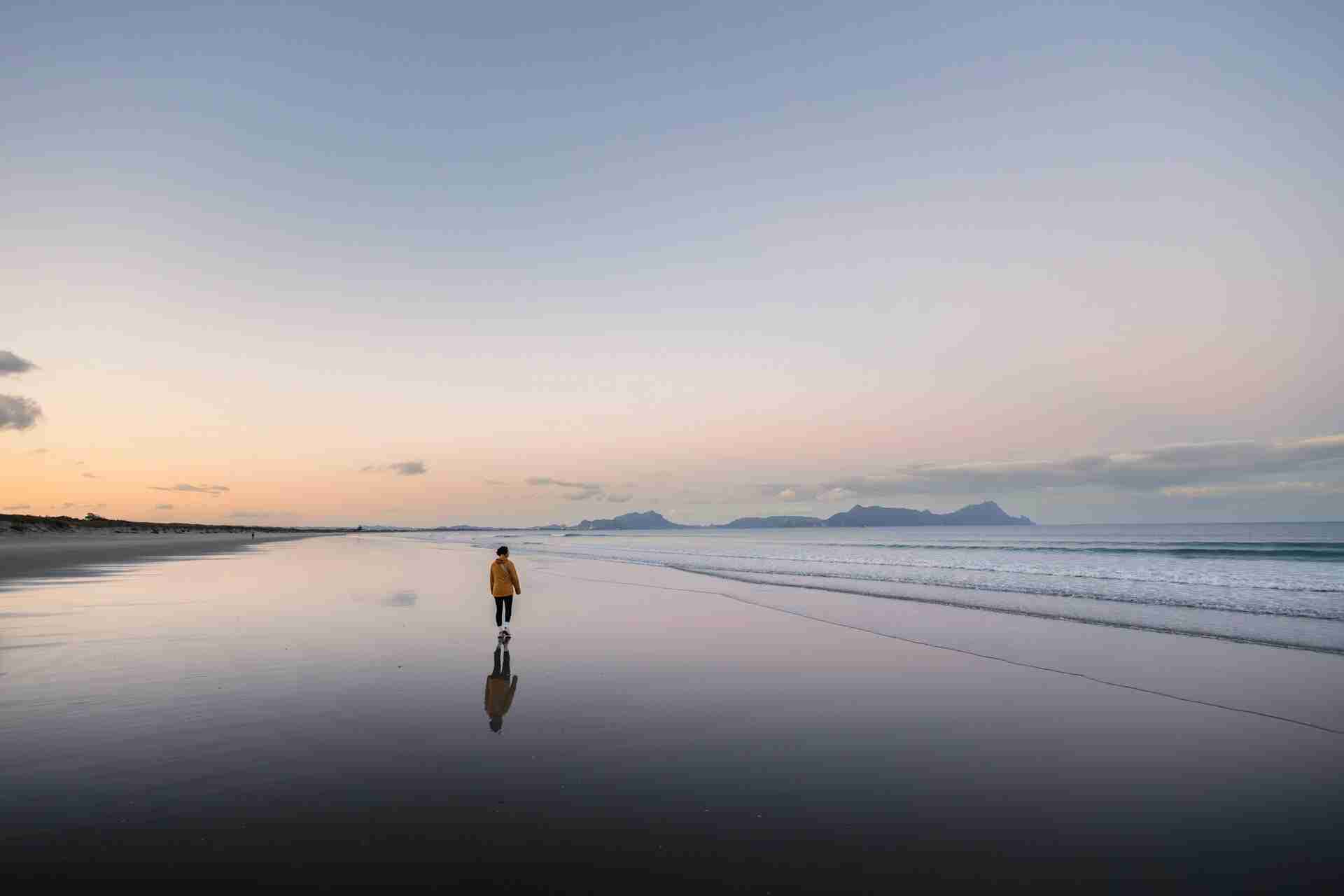
Nestled on Northland's east coast, Waipu Beach is a pristine sweep of sand that arcs gently along Bream Bay, offering wide ocean views, dune-framed horizons, and some of the softest, most photogenic light on New Zealand's North Island. Just south of the Whangārei Heads, this beach is known for its long, uninterrupted shoreline, seasonal surf, and dramatic skies—especially during sunrise and golden hour. Whether you're looking to shoot expansive seascapes, minimalist shoreline textures, or vibrant skies reflecting on wet sand, Waipu Beach offers an inspiring blend of simplicity and atmosphere that rewards both landscape and fine-art photographers.
Best Photography Opportunities
• Wide-Angle Beachscapes at Sunrise
: Waipu Beach faces the Pacific Ocean to the east, making it an ideal location for sunrise photography. Shooting from the dunes or low along the tideline allows you to capture the warm, directional light as it spills across the wet sand and glistening water. Wide-angle lenses work especially well here, exaggerating the sky's sweep and the beach's long curve toward the distant headlands.
• Reflections in Tidal Pools and Wet Sand
: During low tide, the receding ocean leaves behind shallow pools and reflective wet sand, perfect for creating symmetrical compositions. These surfaces catch the color of the sky, particularly during golden hour or when low clouds roll through, allowing you to frame abstract or painterly images with subtle tonal transitions.
• Dune Grasses and Textured Foregrounds
: Behind the beach lies a series of low dunes covered in native grasses, offering natural framing elements and textured foregrounds for environmental compositions. Shooting across these from a low angle can lead the viewer's eye toward the sea, especially effective when the grasses catch backlight during early morning or sunset.
• Long Exposures of the Surf
: The steady rhythm of the tide and the occasional rolling surf make Waipu Beach a great spot for long-exposure photography. Using neutral density filters, you can smooth out the ocean surface and blur wave movement, creating a tranquil contrast against rocky outcrops or a static shoreline.
• Stormy Skies and Moody Weather
: Waipu Beach is also striking in less-than-perfect conditions. Incoming rain clouds, wind-tossed grasses, and dramatic wave activity lend themselves to moodier compositions, especially in monochrome. Mist and sea spray can add atmosphere when shooting into the wind, and the expansive bay offers broad skies that dominate the frame.
Best Time to Visit
The most photogenic time to visit Waipu Beach is at sunrise, when the low eastern light washes over the water and enhances the texture of the sand and dunes. Clear mornings provide rich pastel gradients in the sky, while light cloud cover adds visual interest and depth to your compositions. Golden hour just after sunrise is ideal for shooting the beach and grasses in warm light, with long shadows adding dimension.
Low tide opens up the most reflective and visually dynamic foregrounds, particularly when shooting across the smooth sand and shallow pools left by the retreating surf. If you're aiming for long-exposure water shots or minimalist seascapes, an overcast day with consistent wave motion is also effective.
Autumn and spring often provide the clearest light and gentler weather conditions, though the beach is photogenic year-round. Early mornings and weekdays are quietest, offering uninterrupted access and a serene atmosphere ideal for focused landscape work.
How to Get There
Waipu Beach is located in the Whangārei District of Northland, about 1.5 hours north of Auckland and 40 minutes south of Whangārei. From State Highway 1, turn east onto Waipu Beach Road from the town of Waipu, and follow it until you reach the beachside car park near the surf club and dunes.
The beach is easily accessible by foot from the car park, with boardwalks and sandy trails leading through the grassed dunes. There are basic facilities nearby, including restrooms and a café in Waipu town. No permits are required for casual photography, and drones may be used with appropriate respect for privacy and Civil Aviation Authority (CAA) regulations, particularly during peak visitor hours.
Exploring the Surrounding Area
Waipu Beach itself extends into nearby Langs Beach to the north and Uretiti Beach to the south, offering miles of coastal access for exploration. The intertidal zones and rock pools at the ends of the beach change character throughout the day, offering opportunities for macro, detail, and wildlife photography.
The small town of Waipu is steeped in Scottish heritage and offers a handful of rustic, colonial-era buildings, making it a pleasant stop for documentary or street-style shots with a rural charm. Inland, the Waipu Caves Scenic Reserve includes limestone caves, glowworms, and forest tracks—an excellent detour for more adventurous, low-light, and nature-oriented photographers.
Nearby Photography Locations
• Langs Beach
: Just north of Waipu Beach, Langs offers a more rugged shoreline with rock shelves, Pohutukawa trees, and a narrow beach backed by bush. Excellent for sunset light and long-lens coastal abstracts.
: Inland from Waipu, this reserve features limestone caves and native forest. The caves are accessible to the public and offer a unique opportunity to photograph glowworms and underground textures.
• Uretiti Beach
: A wilder, less developed section of the coastline south of Waipu, Uretiti is ideal for minimalist compositions and long walks along uninterrupted shore. The dunes are higher here and create dramatic backdrops during low sun.
• Marsden Point and Ruakākā Estuary
: North of Waipu, this area includes industrial textures, tidal wetlands, and views toward Whangārei Heads. It's an excellent contrast to the purity of Waipu Beach and adds diversity to a regional shoot.
: Further north, this elevated coastal track offers panoramic views over the bay and offshore islands—ideal for grand landscapes and aerial perspectives, especially at sunrise.
Waipu Beach is a quiet powerhouse of coastal photography—its clean lines, soft light, and natural rhythm offering endless compositions for those who take the time to explore. Whether you're building minimalist seascapes, capturing the first kiss of sunlight on the tide, or layering dunes against drifting clouds, this stretch of Northland coast delivers clarity, solitude, and visual poetry with every visit.
Comments
Loading comments…