
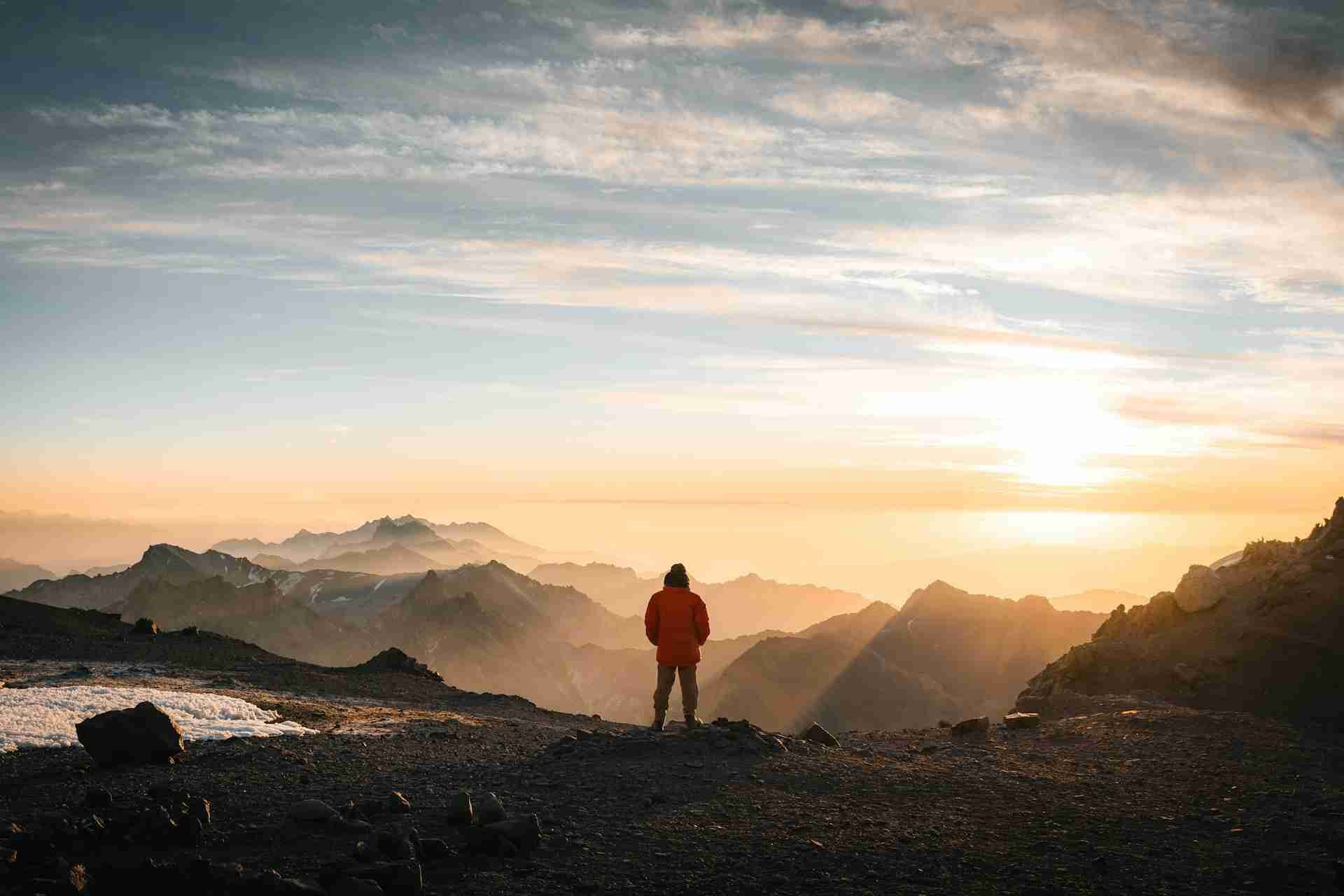
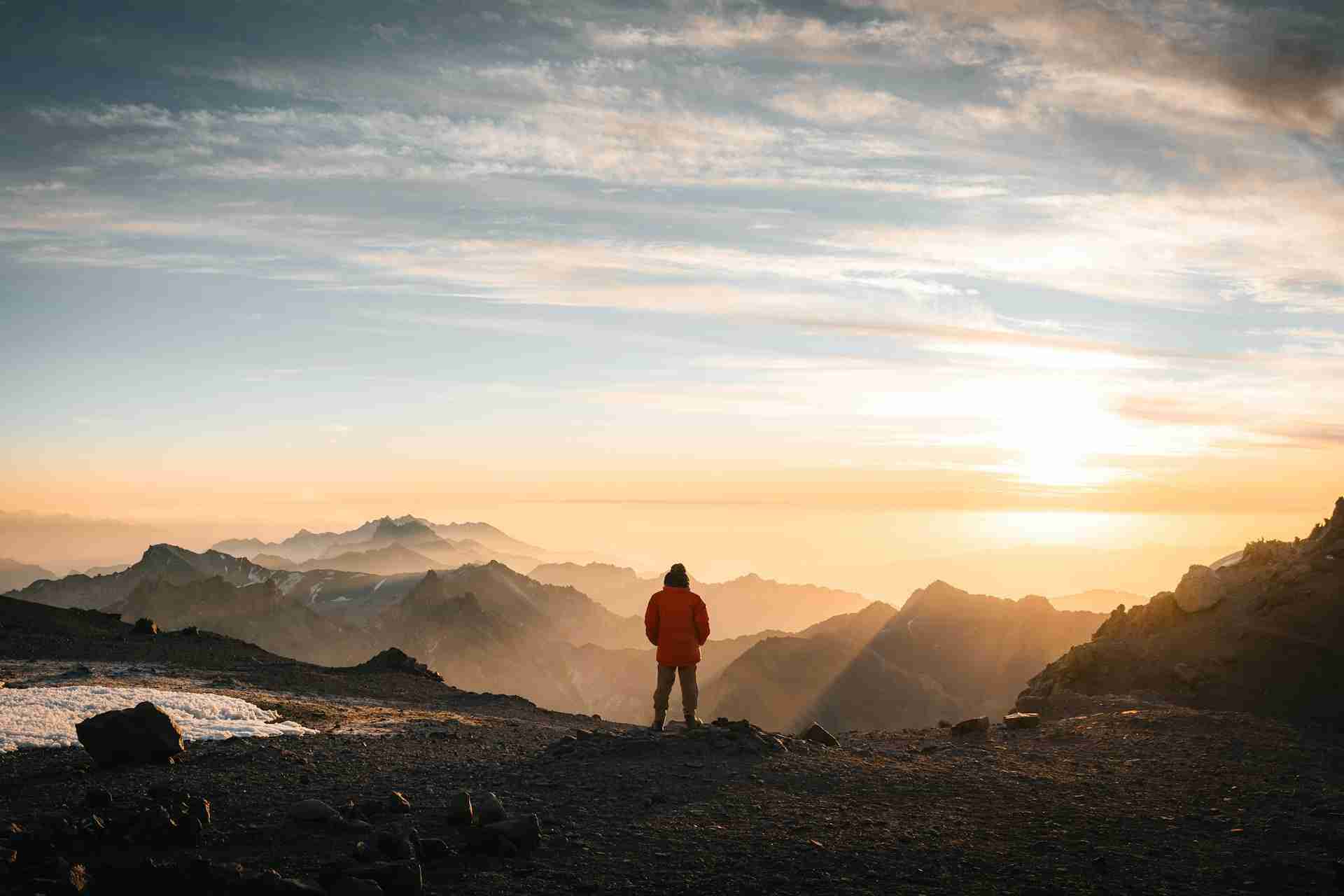
Rising to nearly 7,000 meters, Aconcagua dominates the skyline of Argentina's Mendoza Province and holds the title of the highest mountain outside of Asia. Its vast, jagged silhouette is visible from kilometers away and presents a unique opportunity for landscape photographers drawn to high-elevation drama and raw, elemental terrain. Surrounded by barren valleys, glacial scree, and mineral-rich ridges, the mountain stands as both a geological monument and a visual anchor in an otherwise stark environment. The dry air, high contrast lighting, and clear alpine skies all contribute to a location where each hour of the day offers something new to capture. Whether you are photographing from the trailheads of Aconcagua Provincial Park or hiking deeper into its rugged backcountry, the mountain provides endless variations in texture, scale, and light.
Best Photography Opportunities
• South Face from Horcones Valley
The South Face of Aconcagua is best viewed from the Horcones Valley, which provides easy trail access and panoramic views with minimal elevation gain. From this position, the mountain rises steeply above the dry valley floor, creating a powerful sense of vertical scale. Early morning light reaches the summit first and gradually traces down the face, revealing textures in the snow and rock. Foreground elements like the river, wooden bridges, and low desert shrubs help establish scale and create layered compositions. Using a wide-angle lens from a low vantage point exaggerates the mountain's height and gives the viewer a grounded perspective.
• Confluencia Base Camp compositions
Hiking to Confluencia Base Camp opens up entirely new perspectives of Aconcagua and its surrounding ridgelines. Along the trail, the terrain shifts between dusty paths, eroded hills, and dry riverbeds, each offering foreground options to pair with distant peaks. At Confluencia, the summit often peeks through layers of cloud, and the base camp infrastructure provides scale and human presence without overwhelming the frame. Golden hour light bathes the slopes in warm hues while shadows carve depth into the mountain's features. This is a good place to shoot both wide scenic vistas and more intimate details of mountaineering life.
• Reflection photography at Laguna Horcones
Just past the park entrance lies Laguna Horcones, a shallow lake that occasionally mirrors Aconcagua when conditions are calm. Reflections are strongest at sunrise when the wind is low and the surface remains glassy. The lake is surrounded by a high desert palette of reds, browns, and yellows, which contrasts nicely with the snow-covered peak. Using a tripod and neutral density filter allows for longer exposures that smooth the water and enhance clarity. This location is ideal for balanced, symmetrical compositions that center the mountain and its reflection.
• Night photography and alpine sky clarity
Aconcagua's high altitude and low light pollution make it a strong location for astrophotography. On clear nights, the Milky Way is visible with the silhouette of the mountain serving as a dramatic foreground. Shooting from Horcones Valley or above Confluencia opens up expansive sky views without obstructions. A fast wide-angle lens, a tripod, and careful planning are required to avoid star trails while keeping mountain detail sharp. Temperatures drop quickly at night, especially in winter, so insulation and backup batteries are critical for a successful session.
• Elevated views from surrounding ridges
Hiking toward Plaza Francia or other ridgelines offers dynamic side views of Aconcagua and the surrounding glacial terrain. These elevated vantage points allow for dramatic diagonal compositions and reveal the scale of the mountain in relation to the broader Andes. A telephoto lens helps isolate features like icefalls, distant climbers, or ridgeline shadows as they stretch across the landscape. Early and late light highlights surface textures while casting bold shadows along the slopes. These viewpoints require effort to reach but reward photographers with angles not available from the valley floor.
Best Time to Visit
The most favorable time for photography in Aconcagua Provincial Park is during the Southern Hemisphere's summer months, from November through March. During this period, trails are open, access is reliable, and the risk of severe weather is lower than in winter. December to February offers the most consistent conditions for hiking and early morning photography. Sunrise and sunset light is often dramatic, with warm tones sweeping across the peak and casting deep shadows across the terrain.
Winter brings a more minimalist, monochrome look to the region, with heavy snow covering many of the trails and reducing access to interior viewpoints. However, for those shooting from outside the park or from elevated roads, winter skies can be incredibly clear and sharp. Altitude affects lighting quickly, so golden hour is shorter than at lower elevations, and shadows form earlier in the day. It is essential to plan around these light changes to get the most out of each session. Acclimatization is also important, not just for comfort, but to allow the time needed for thoughtful shooting.
How to Get There
Aconcagua is located within Aconcagua Provincial Park, which sits along Route 7 near the Chilean border, approximately three hours by car from Mendoza City. The drive west is scenic, with viewpoints along the way and occasional glimpses of the mountain as you climb through the Andes. Most visitors reach the park by private vehicle or through a guided tour from Mendoza, as there is no reliable public transportation to the entrance. The final stretch of the journey passes through Puente del Inca, a small outpost with limited services.
Upon arrival, visitors must register at the park office and obtain a permit, which varies based on the length and type of visit. Photographers planning to enter beyond the main trailheads or stay overnight will need a different permit than day visitors. The Horcones Valley trail is open to foot traffic and is well-maintained during the operating season. Guided treks to Confluencia and beyond are available and highly recommended for first-time visitors. Drone use is regulated and must be approved in advance, especially in base camp zones.
Recommended Photography Gear
A wide-angle lens, ideally between 14 and 35 millimeters, is essential for capturing the full height and scale of Aconcagua within sweeping landscapes. A standard zoom lens between 24 and 70 millimeters provides flexibility for both wide shots and tighter compositions that include trails, hikers, or base camp elements. A telephoto lens between 70 and 200 millimeters is ideal for compressing background elements or isolating features on the mountain's face, such as snowfields or rocky outcroppings.
A sturdy tripod is essential for long exposures, reflections, and night photography, especially with the variable wind conditions common at high altitudes. A remote shutter release or self-timer ensures clean exposures when working with slow shutter speeds. Neutral density filters are useful for smoothing water in reflections or capturing motion in clouds. Circular polarizers can reduce glare on mineral-rich terrain and deepen sky tones. Cold weather protection for batteries and lens cloths to manage dust and condensation are essential. A weather-sealed camera bag with ample support will help you manage gear across rugged terrain.
Nearby Photography Locations
This natural rock bridge and mineral-rich formation sits just outside the park and offers saturated color contrasts and organic shapes that differ dramatically from the geometric ridges of Aconcagua. Its textures and tones come alive during morning light, especially after rain or light snowfall.
Located across the border near Portillo, this high-altitude lake offers clean reflections of jagged peaks in glacial blue water. It provides a more tranquil shooting environment with open skies and minimal foot traffic, making it ideal for minimalist alpine compositions.
Lush compared to the higher elevations, this valley is known for its multicolored rock formations and rolling hills. Sunrise and sunset light up the slopes with bold colors, and the valley floor offers accessible foregrounds like adobe ruins and winding roads.
This winding international pass is full of elevation changes and switchbacks that create dynamic leading lines when shot from above or at an angle. Snow coverage in winter simplifies the forms and adds contrast to the dark rock and asphalt curves.
• Las Cuevas
The small mountain village of Las Cuevas is surrounded by towering cliffs and offers an entirely different view of the Andes. Abandoned buildings and a quiet, remote atmosphere allow for narrative environmental photography and layered landscape work.
Aconcagua rewards the photographer who prepares carefully and works with the mountain rather than against it. Light changes quickly, and the scale of the landscape demands patience, flexibility, and a thoughtful approach to framing. Whether you stay near the trailhead or venture deep into the park, every angle of this peak offers a different mood and message. The Andes do not offer themselves easily, but for those who come ready, they reveal photographs with depth, silence, and power.
Comments
Loading comments…