
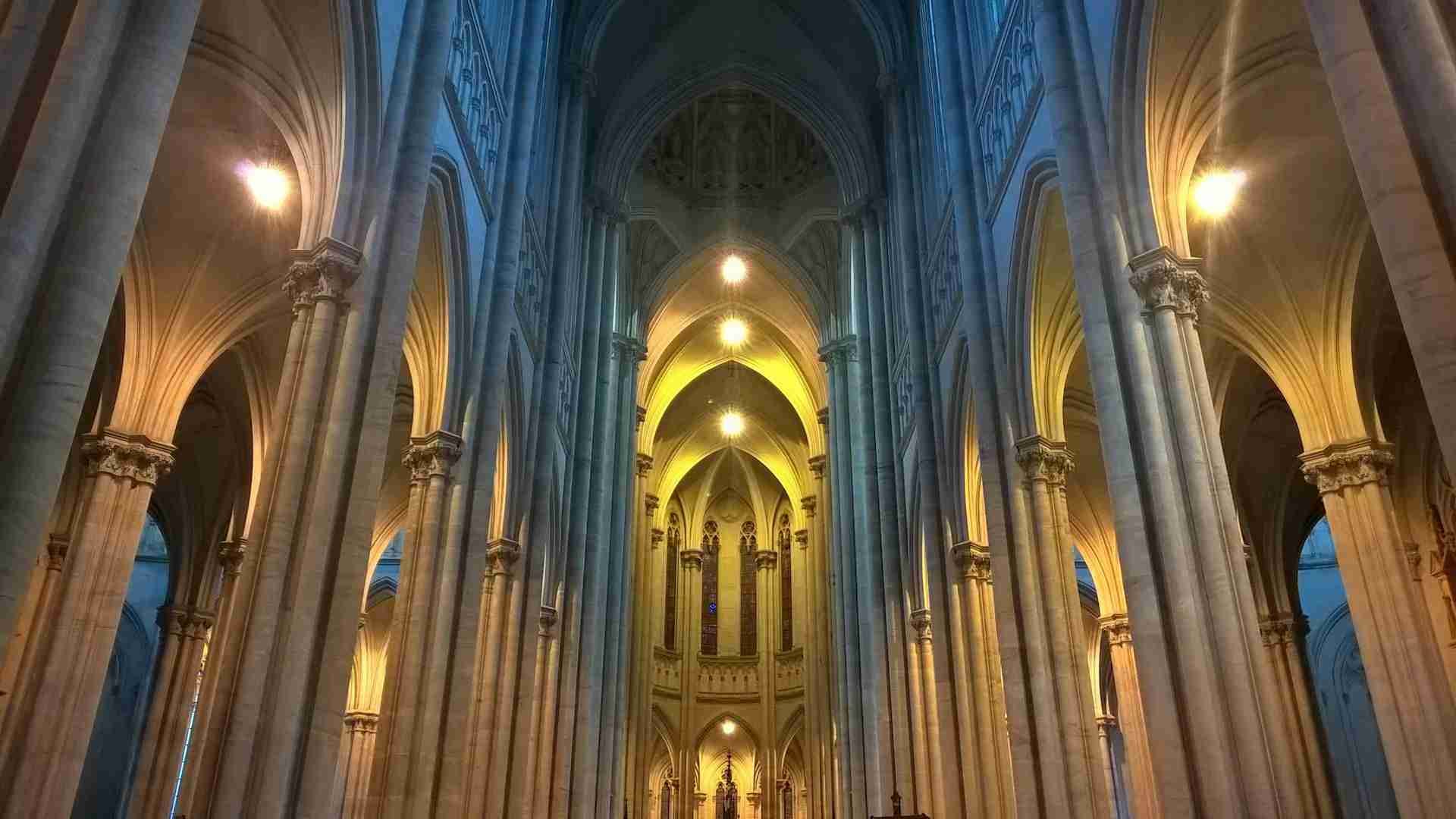
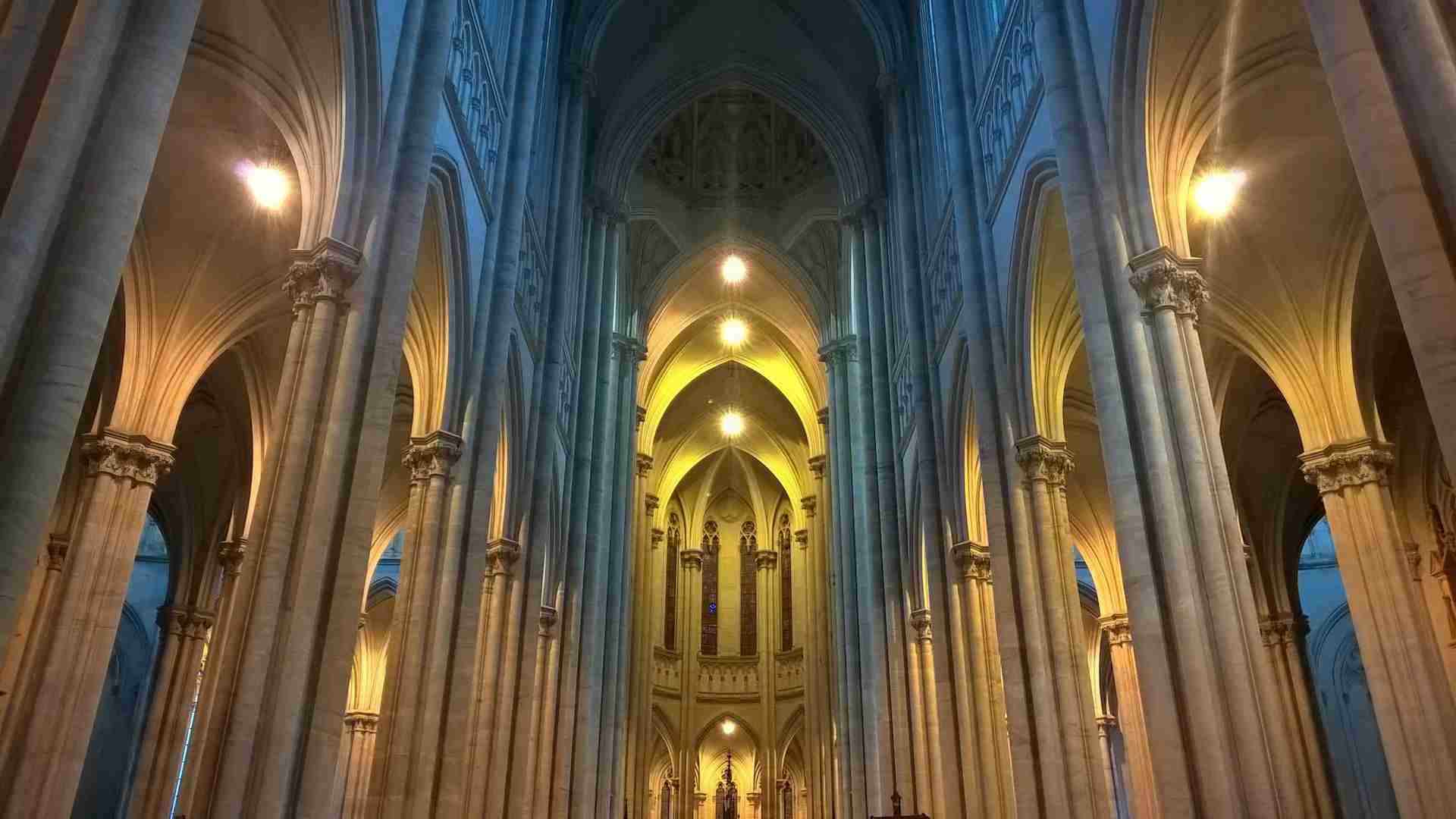
The Catedral de La Plata, formally known as the Cathedral of the Immaculate Conception, dominates the center of La Plata with its soaring neo-Gothic spires and striking red-and-white brickwork. Designed in the late 19th century and inspired by European Gothic cathedrals, it stands as one of the largest churches in South America. From a photographer's perspective, the cathedral offers a mix of grandeur and detail: vast vertical lines that lead the eye upward, intricate stained glass, and spacious plazas that allow for full-scale compositions. Its symmetrical façade is matched by an equally ornate interior, creating a location where both architectural form and atmosphere play a strong role in your images.
Best Photography Opportunities
• Full Façade from Plaza Moreno
: The most complete view of the cathedral comes from Plaza Moreno, where you can step far enough back to take in its full height and width without cutting off the spires. This location gives you a symmetrical, centered composition that emphasizes the cathedral's balance and grandeur. Shooting here in the morning ensures the façade is evenly lit, with the sun behind you, helping to bring out the warmth of the brickwork and the pale accents of the stone detailing. In the afternoon, sidelight adds depth and shadow, which can make the details more pronounced. Experiment with both wide shots that include the fountain and gardens in the foreground, and tighter compositions that crop in on the towers, the rose window, or the intricacies of the main entrance.
• Close Architectural Details and Carvings
: The cathedral's façade is a showcase of craftsmanship, featuring pointed arches, gargoyles, delicate tracery, and carved figures that reflect its Gothic inspiration. With a telephoto lens, you can isolate these details against the brick background or frame them against the sky for a cleaner composition. This approach works especially well on overcast days when the light is soft and shadow-free, allowing the intricate designs to stand out. Morning sessions often have fewer people around, making it easier to set up shots without distractions in the frame. Pay attention to the variety of motifs carved into the structure—many are unique and can be combined into a thematic series that tells the story of the cathedral's design.
• Interior Light and Stained Glass
: Inside, the cathedral's long nave, ribbed vaulting, and tall columns create powerful leading lines that draw the eye toward the altar. The stained glass windows are particularly captivating, filling the interior with patches of colored light that shift with the sun's movement. To capture these subtle light effects, visit during the early morning or late afternoon when the sun is low and the light more directional. A tripod is invaluable for slow shutter speeds in the dimmer interior, especially when working at lower ISOs to preserve detail and color accuracy. Take time to explore different viewpoints inside—moving closer to the altar can emphasize the vertical scale, while positioning yourself further back allows you to frame the entire nave with symmetry.
• View from the Towers
: For a completely different perspective, climb the cathedral's towers, which offer sweeping panoramic views of La Plata's distinctive grid-patterned streets and its surrounding neighborhoods. From this vantage point, Plaza Moreno appears as a perfect square, and you can capture the alignment of the streets radiating outward. A mid-range zoom lets you shoot both wide overviews and more selective images that pick out architectural landmarks in the cityscape. The climb is worth timing for late afternoon when the light is warm and shadows stretch across the streets, giving a greater sense of dimension. Be prepared for wind at the top and bring a lens cloth to keep dust off your gear, as conditions can change quickly.
• Night Photography with Illuminated Façade
: When darkness falls, the cathedral is bathed in golden light that highlights its structure against the night sky. Blue hour is particularly effective, as the last traces of daylight add richness to the sky while the artificial lighting brings warmth to the building. A tripod is essential for these shots, allowing you to use long exposures to balance the light between the sky and the cathedral. Including the fountains in Plaza Moreno in the foreground can introduce interesting reflections and a sense of depth. On performance nights or special events, the area becomes more animated, offering opportunities to incorporate motion blur from passing people or light trails from nearby traffic into your compositions.
Best Time to Visit
The Catedral de La Plata offers strong photographic opportunities in every season, though the quality of light shifts significantly throughout the year. In spring, the plaza gardens bloom with flowers, adding color to foreground compositions, while summer provides long days with extended golden hours in the evening. Autumn brings crisper air and softer light, making details in the façade and cityscape sharper, and in winter, the low sun angles create dramatic shadows that can add depth and mood to your images.
Morning visits are best for even lighting on the main façade, especially between April and September when the sun's angle is lower. Afternoons provide more drama, with light skimming across the structure from the west and bringing out its textural detail. Blue hour and night sessions are consistently rewarding year-round, and winter's earlier sunsets make evening photography easier to plan. Overcast conditions are excellent for close detail work and interior shots, as they help prevent blown highlights through the stained glass.
How to Get There
The cathedral is located in the exact center of La Plata, directly across from Plaza Moreno, making it one of the easiest landmarks in the city to find. If you are traveling from Buenos Aires, it is roughly an hour by car or bus, with frequent services connecting the two cities. Once in La Plata, the city's grid layout makes navigation straightforward, and the cathedral's twin spires are visible from many blocks away.
Street parking and parking garages are available nearby, though they can fill quickly during weekends, holidays, and public events. There is no cost to enter the main body of the cathedral, but a small fee may apply if you want to climb the towers. Tripods are allowed outside without restrictions, but interior use may be limited during services or busy times—checking with staff before setting up is always a good idea. The towers are accessed via staircases and elevators, though space at the top is narrow, so compact gear is easier to manage.
Recommended Photography Gear
A full-frame camera body with good dynamic range will give you flexibility for both the high-contrast exterior scenes and the dim interior. A 16 to 35 millimeter wide-angle lens is ideal for capturing the full façade or the sweeping interior nave without distortion. A 24 to 70 millimeter zoom offers versatility for medium compositions and tighter framing without switching lenses constantly. A 70 to 200 millimeter lens is perfect for isolating details in carvings, stained glass, or views from the towers.
A tripod is essential for interior low-light work and for blue hour or night photography. A polarizing filter can help deepen blue skies and reduce glare from glass surfaces, while a lens hood protects against flare when shooting in direct sun. Bringing extra batteries is recommended, especially if you plan to photograph throughout the day into the evening, as long exposures drain power more quickly. For the tower climb, avoid overly bulky equipment, as movement space is limited.
Weather in La Plata can change quickly, especially in the summer, so a small rain cover for your gear is a good precaution. Comfortable shoes will make walking between vantage points around the plaza and the surrounding streets more pleasant.
Nearby Photography Locations
: This central square is the perfect complement to the cathedral, offering space for wide-angle compositions, leading lines from pathways, and seasonal gardens for color and texture. It is also excellent for night photography with the cathedral in the background.
: Facing the cathedral across the plaza, this neoclassical building has ornate detailing and symmetry that works well for architectural studies, especially in the late afternoon when the light strikes its façade.
: Once a railway station and now a cultural center, this building offers expansive interior spaces with high ceilings and arches. It is an excellent indoor option for architectural shooting if the weather changes.
A short walk or drive away, the museum's neoclassical façade and surrounding parkland offer a completely different subject, with opportunities for both wide compositions and intricate detail work.
• Paseo del Bosque
: This large urban park features lakes, tree-lined paths, and open lawns, providing a softer, more natural counterpoint to the urban and architectural focus of the cathedral area.
The Catedral de La Plata rewards photographers who take the time to work it from every angle—stepping back in Plaza Moreno for symmetrical grandeur, climbing the towers for cityscapes, and exploring the interior for rich light and detail. Its scale, symmetry, and mix of textures make it a location that can be revisited multiple times, with each visit offering new compositions shaped by the light and the life of the city around it.
Comments
Loading comments…