
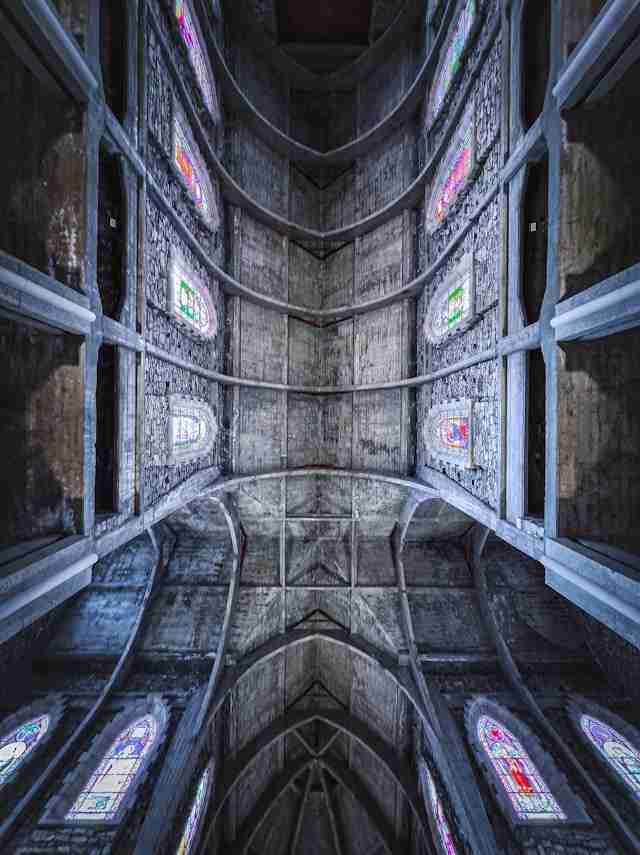
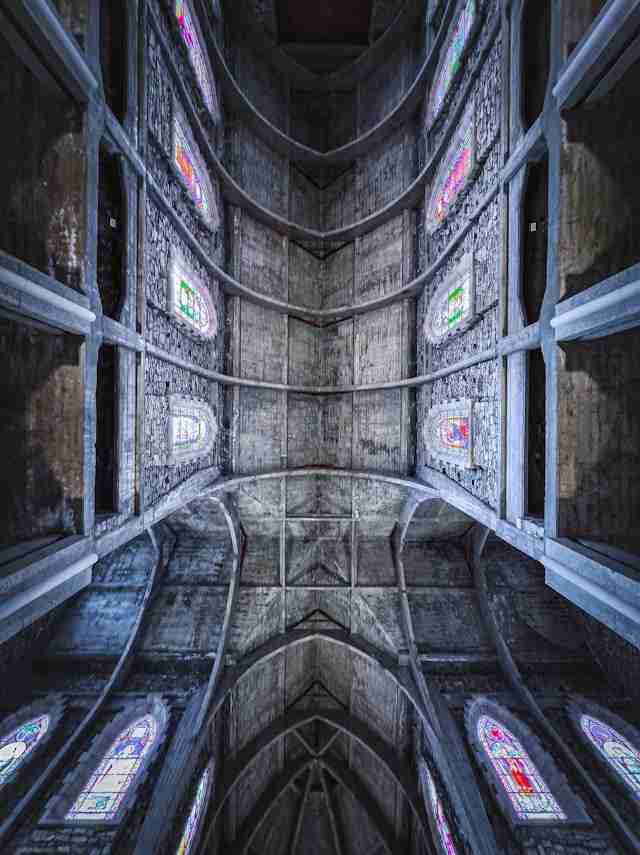
Rising above the lakeside town of San Carlos de Bariloche in northern Patagonia, the Cathedral Our Lady of Nahuel Huapi feels like a northern European transplant surrounded by South American wilderness. Built in the Neo-Gothic style using pale local stone, it catches your eye instantly, especially when framed by the backdrop of Lake Nahuel Huapi and the Andes beyond. Despite its position in the heart of town, the cathedral offers photographers a variety of visual contrasts—sharp spires against soft clouds, rigid architecture set within open sky and rugged terrain. Whether you're aiming for classical symmetry or more dramatic environmental context, this is one of Bariloche's most visually rewarding subjects. The challenge and opportunity here lie in composing with both precision and creativity, balancing the man-made form with the unpredictable moodiness of Patagonian light.
Best Photography Opportunities
• Morning Light on the Front Steps
: The eastern face of the cathedral catches the first soft light of the day, which highlights the stonework in a gentle, almost watercolor-like glow. Positioning yourself at a low angle just across the lawn allows for clean vertical lines and a balanced frame, especially if you include the front path as a leading element. The surrounding trees can help provide a natural frame, particularly when they catch early dew or frost. This time of day also offers the best chance for an uncluttered composition before local visitors and tourists arrive. Using a 35mm or 50mm lens helps maintain clean geometry without the distortion of wider focal lengths.
• Rear View with Lake Nahuel Huapi
: From behind the cathedral, the ground slopes gently toward the lake, offering an elevated position to shoot with the water stretching out behind the structure. A longer lens flattens the perspective to compress the cathedral against the shimmering blue, while a wider angle shows more of the sky and surrounding greenery. This angle works well during overcast days when the light is even and the scene takes on a more neutral, documentary tone. On calm days, the lake can produce gentle reflections that add a sense of depth and balance. This rear view is less commonly shot, making it a chance for photographers to capture something more original.
• Interior Light and Structure
: Inside the cathedral, you'll find strong vertical lines and symmetrical details that benefit from careful composition and patience with changing light. The stained glass windows filter daylight into patches of color that shift throughout the morning, especially between 10 a.m. and noon. A tripod is useful here, not just for low-light conditions, but also for achieving perfect alignment with the central aisle and supporting columns. Pay attention to how the light interacts with the floor and pews, which can create soft gradients of tone and shadow. The sense of enclosure inside contrasts strongly with the wide-open feel of the exterior, offering variety to your shoot.
• Twilight and Blue Hour Silhouettes
: As the sun sets behind the Andes, the cathedral gradually transitions from lit subject to silhouette. Framing it from the front lawn or just across Avenida Almirante Brown gives you the best alignment for these twilight shots. A long exposure smooths out any movement in nearby trees or passing pedestrians while the sky deepens in color. Streetlights and interior illumination may provide a faint halo effect around the structure, especially during the winter months when evening arrives early. Consider bracketing exposures or using HDR techniques to balance the fading light with artificial highlights.
• Seasonal Changes in the Cathedral Grounds
: The trees and greenery surrounding the cathedral undergo dramatic changes through the year, and each season offers different compositional elements. In spring, pink and white blossoms dot the landscape, while in autumn, the ground can be covered with crunchy leaves in deep reds and oranges. Winter sometimes brings a light covering of snow, adding texture to both the walkways and the structure's ledges. These seasonal elements work especially well for close-up compositions or environmental portraits that use the cathedral as a background. Changing conditions also help keep repeat visits fresh and worthwhile.
Best Time to Visit
Photographing the Cathedral Our Lady of Nahuel Huapi is rewarding year-round, but each season brings distinct lighting conditions, access considerations, and visual character that photographers should plan for. In spring (October to November), temperatures begin to warm and blossoms appear on the surrounding trees, softening the edges of the stone and adding layers of color to wider frames. During this time, morning light tends to be crisp but gentle, ideal for capturing fine detail in the stonework without harsh shadows. Spring mornings are often calm, making them especially suitable for reflection shots on the nearby lake.
Summer (December to February) offers long shooting windows thanks to extended daylight, but the light can become harsh by late morning. Photographers should prioritize early sunrise sessions or late golden hour shots to avoid the overhead sun, which flattens contrast and washes out texture. On the plus side, access to the grounds is easy, and the cathedral's stone color tends to pop against deep blue skies that are more frequent in summer. Tourist traffic increases during this season, so arriving early can be crucial for clean, unobstructed compositions.
Autumn (March to May) is arguably the most photogenic season for this location. The surrounding trees shift to rich tones of red, yellow, and orange, which contrast beautifully with the muted greys of the cathedral. Low sun angles throughout the day extend the golden hour feel and create long, directional shadows that work well for both architectural and environmental compositions. Wind is generally manageable during autumn, allowing for stable long exposures and precise framing.
Winter (June to August) offers the most dramatic visual contrasts. Occasional snow adds definition to the rooflines, tree branches, and paths, while cloudy skies create diffused, moody lighting. Photographers should be cautious of icy sidewalks and may need to adjust compositions due to limited mobility on slippery ground. However, the absence of crowds and the unique lighting opportunities—particularly during twilight when lights from within the cathedral begin to glow—make winter visits especially worthwhile for those willing to endure the cold. Throughout the year, early morning remains the most consistent window for balanced light and minimal foot traffic, while interior photography benefits most from the directional sunlight that streams through the stained glass mid-morning.
How to Get There
The cathedral is located at the southern edge of central San Carlos de Bariloche, facing Lake Nahuel Huapi and easily accessible by foot from nearly any hotel in the downtown area. From the Civic Center, it's a 10-minute walk down Avenida Bartolomé Mitre, which transitions into Vicealmirante O'Connor and ends near the cathedral's front lawn. Street parking is available along adjacent roads, though spaces can fill quickly in the late morning and early afternoon. If you're arriving via public transport, several city bus lines serve the area, and taxis are reliable and relatively affordable within town. The grounds are open to the public at all times, and there is no fee to photograph the exterior or interior of the building. While tripods are not prohibited inside, it's important to be respectful of any religious services or events that may be underway. The entrance is wheelchair accessible, and the surrounding lawn and pathways provide enough space to set up for a variety of angles and perspectives.
Recommended Photography Gear
To make the most of the visual variety at the Cathedral Our Lady of Nahuel Huapi, a flexible but thoughtfully chosen kit is essential. A full-frame DSLR or mirrorless camera body with strong performance in both dynamic range and low-light handling will serve you best here, especially when shooting interiors or balancing shadows with brightly lit skies during golden hour. A wide-angle lens in the 16–35mm range is valuable for capturing the entire structure from close quarters or emphasizing the height and symmetry of the interior space. This focal range also helps include more of the dramatic Patagonian skies or seasonal elements like blooming trees or snowfall.
A mid-range prime lens such as a 50mm or 85mm is ideal for portrait-style images of the cathedral or for tighter framing that removes background distractions. These lenses are also excellent for isolating details like stained glass or carved stone patterns. If you plan to shoot from farther distances—especially from the rear with the lake as a background—a telephoto zoom (70–200mm) helps compress the scene and stack the cathedral against the water and mountains.
A sturdy travel tripod is essential for interior photography and twilight scenes, allowing for longer exposures and fine composition adjustments. A remote shutter release or camera app can reduce camera shake, which is especially helpful during long exposures. Circular polarizing filters are recommended when shooting the lake or dealing with glare from stone surfaces in bright sun, and a set of ND filters will allow for longer exposures to blur moving clouds or smooth water.
Weather protection should not be overlooked. Patagonia is known for its sudden shifts in conditions, so carrying a waterproof bag cover, microfiber cloths, and even an extra layer for yourself can make a big difference during a session. Gloves with tactile fingertips are especially helpful in winter, and lens hoods can be useful year-round for blocking sun or light rain. Lastly, consider bringing a microfiber cloth dedicated just to your lens if you're planning to shoot after rain or during humid mornings, as condensation can quickly become an issue.
Nearby Photography Locations
Just a short walk from the cathedral, this historic plaza features stone and timber architecture set along cobbled paths and open corridors. It's especially appealing at sunrise, when the structures catch low-angle light and the square is nearly empty. The contrast between structured design and glimpses of the surrounding hills creates a tight, urban composition that pairs well with detail shots.
Running directly below the cathedral, this stretch of lakefront offers photographers an ever-changing canvas of water, light, and sky. Morning and evening are the most productive times, with still water and warm side lighting revealing textures in the shoreline and drawing the eye toward the mountain ridges across the lake.
: This hilltop viewpoint lies a 20-minute drive from downtown and provides one of the region's most comprehensive panoramic views. From the summit, you can photograph the cathedral's broader setting within the lake system and mountain chains. It's an excellent opportunity to switch from architectural to wide landscape photography without leaving the area.
: Located along the Circuito Chico, this small dock and boat launch area sits at the edge of a forested peninsula. Its clean lines, symmetrical pier, and deep blue surroundings make it a strong location for minimalist compositions, especially at sunrise when the mountains are backlit and mist may rise from the lake.
: Further along the same route, this area offers a mix of manicured gardens, rugged hills, and quiet inlets. You'll find a balance of natural and semi-cultivated landscapes, with plenty of opportunities for layered compositions using trees, reflections, and distant summits. The changing elevation and variety of viewpoints make it worth dedicating several hours to explore with a mix of focal lengths.
Bariloche's cathedral is one of those rare locations where natural setting and architectural detail meet in near-perfect balance. Whether you're chasing clean morning light, soft snowfall, or shifting interior color through stained glass, it offers new material each time you visit. For photographers looking to build a diverse portfolio within a small geographic footprint, the cathedral and its surroundings provide a rewarding and continually evolving subject.
Comments
Loading comments…