
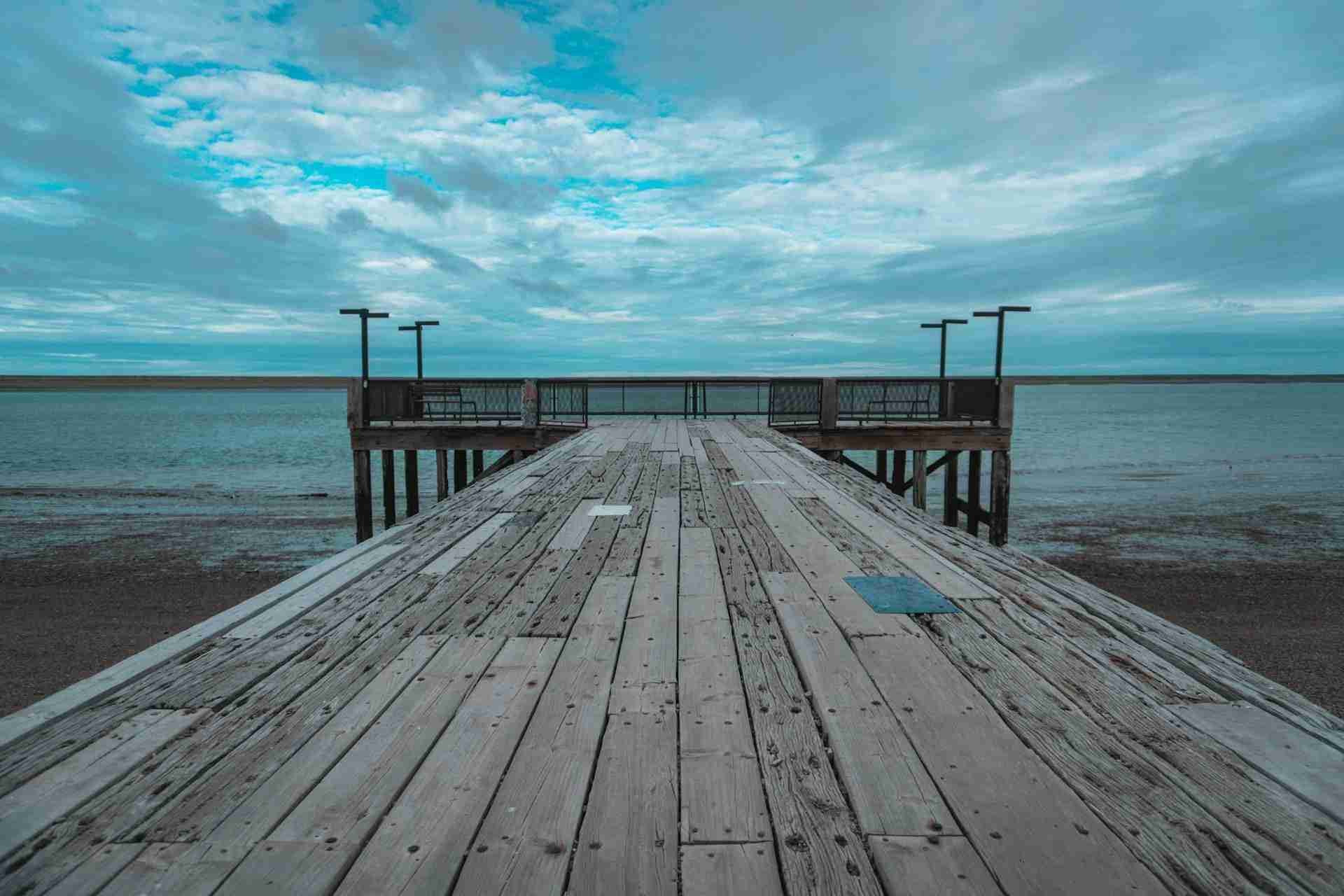
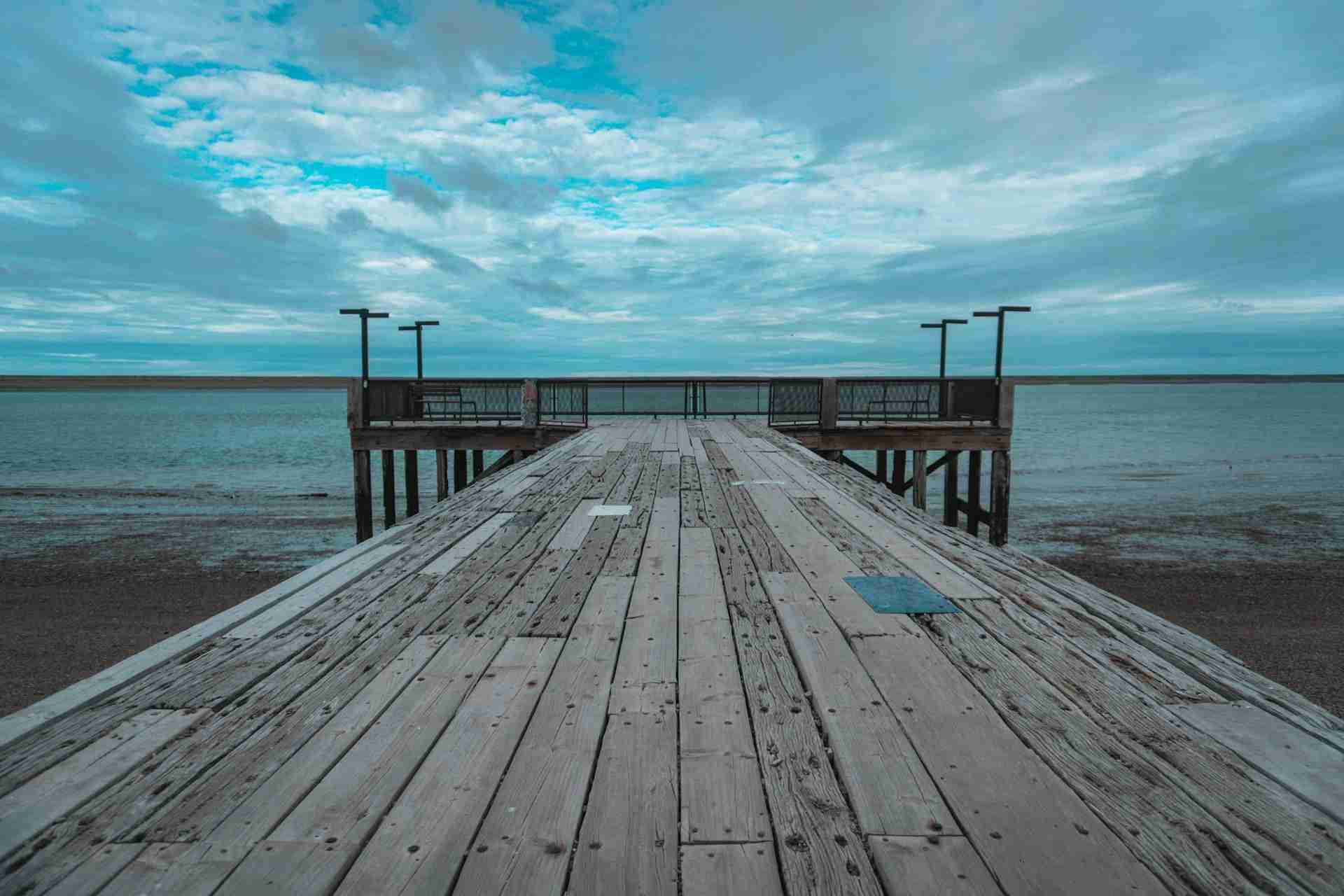
On the edge of Argentina's vast and often overlooked southern coastline, the remains of Muelle Viejo, the old pier of Puerto San Julián, offer photographers a weathered structure surrounded by shifting tides, wide skies, and the constant movement of coastal wind. Located along the shores of the San Julián Bay in Santa Cruz Province, the pier stands in partial ruin, with sea-worn timbers jutting into the shallow waters of the Atlantic. It is a stripped-down subject, yet it holds remarkable visual weight when paired with the right light or weather. Long lines, broken symmetry, and natural textures all combine to make this one of the most rewarding minimalist photography locations in Patagonia. This is a place where careful composition and patience lead to honest, powerful frames.
Best Photography Opportunities
• Long Exposure of the Pier Leading into the Bay
The most compelling composition centers on the pier's structure as it extends into open water, particularly when tide levels are high or rising. The repetition of beams and vertical posts creates a natural lead-in toward the horizon, giving photographers a reliable structure to build around. Long exposures help calm the water and emphasize the stillness of the pier's silhouette. A tripod and neutral density filter are essential for managing shutter time and exposure balance. Soft overcast light is ideal for avoiding harsh contrast and keeping attention on texture and form rather than color.
• Detail Work on the Aging Structure
Close inspection reveals rusted hardware, cracked wood, and decades of exposure that have worn the pier into something closer to sculpture than infrastructure. These textures are best photographed in flat light using a 35mm or 50mm lens to get close while maintaining control over background blur. The worn surface of the pier is visually rich without needing added drama from light. These shots work well in a visual series, complementing broader compositions with quieter, more intimate frames. Take care when stepping close to the structure, as footing may be uneven or slick with salt spray.
• Sky and Sea Compositions during Weather Shifts
Puerto San Julián sits in a region where wind and weather move fast, creating skies that shift rapidly from heavy clouds to open blue within an hour. These sky changes are ideal for photographers who enjoy working with dramatic weather systems. Wide-angle lenses allow for expansive sky and water compositions that place the pier within a much larger frame. Use fast shutter speeds to hold cloud definition or slow ones to blur motion, depending on the mood you're building. The pier's dark structure provides grounding against a shifting sky.
• Silhouettes and Color Gradient during Sunset
Evenings bring long light across the bay, and the pier works well in silhouette when framed against the open sky to the southwest. Late twilight often delivers subtle color gradients from orange to violet, and a small aperture can be used to produce sunstar effects before the sun fully dips. These shots benefit from careful exposure and a level tripod, as the frame is often simplified down to just shape, tone, and water. Composing with a figure on the pier can add scale without disrupting the quiet of the scene.
• Tidal Exposures and Foreground Layers
During low tide, wet sand, seaweed beds, and exposed rock become visible in the foreground, offering added visual structure for building a frame. These textures lead the eye naturally toward the pier when composed from a low angle. A wide-angle lens allows foreground details to remain prominent while the pier becomes the anchor in the background. Shooting in the hour after sunrise or before sunset helps avoid flat midday contrast and brings out the details in the wet sand. Be prepared to work quickly, as the tide shifts can change the entire layout of the beach in under an hour.
Best Time to Visit
Puerto San Julián experiences strong winds and wide seasonal variation, but the months from October through April provide the best balance of light, weather, and access. Spring and autumn bring shifting skies, cooler air, and interesting cloud patterns that work well with both minimal and dramatic framing. These months also offer softer light angles and longer golden hours.
Summer provides the warmest weather and more stable access, though midday sun can be harsh without cloud cover. The pier is best photographed around sunrise and sunset, when the low sun casts long shadows across the water and foreground. Wind can be constant, especially in the afternoon, so morning visits are more comfortable for slower tripod work. Overcast days are ideal for texture-driven frames and close-up studies, while post-storm light often adds contrast and intensity to the bay.
How to Get There
Puerto San Julián is located along Argentina's Route 3 in Santa Cruz Province, between Comodoro Rivadavia and Río Gallegos. Both cities offer regional flights from Buenos Aires, and car rentals are available for the drive south. Once in town, follow Avenida San Martín eastward to the coastal area, then turn onto Calle Estrada to reach the Muelle Viejo site. The pier sits just beyond the small naval station and is clearly visible from the shoreline.
There are no entrance fees or restrictions for visiting the pier, and it is accessible at all hours. Photographers can park nearby and walk to the water's edge with ease. The area is mostly flat, with soft sand and some rock beds depending on tide. Be cautious near the pier structure itself, as boards may be unstable or slippery. Drone use is allowed but should be done respectfully and well away from the naval facilities nearby. Tripods are easy to use throughout the area, as foot traffic is minimal and the setting remains quiet for most of the day.
Recommended Photography Gear
A small but flexible kit is best for photographing Muelle Viejo. A wide-angle lens between 16 and 35 millimeters will cover most long exposure compositions of the pier and surrounding sky. A midrange zoom, such as a 24 to 70 millimeter lens, allows for framing architectural elements, weathered textures, and layered shots with foreground and background elements. A 70 to 200 millimeter telephoto lens is optional but useful for compressing distant waterline subjects or working with silhouetted figures on the pier.
A sturdy tripod is essential, especially in strong wind. Use a weight or ground support to avoid vibration. A 6- or 10-stop neutral density filter is recommended for long exposures, and a polarizer helps reduce glare on wet sand and wood. Bring a microfiber cloth to clean your lens frequently, as sea spray and fine dust can accumulate quickly. Protective weather covers for both gear and clothing are useful in case of sudden wind gusts or light rain. A small backpack and weatherproof bag will make it easier to move along the shoreline without worrying about exposure.
Nearby Photography Locations
Located along the western edge of town, this natural reserve includes tidal inlets, dunes, and shallow marshlands that attract migratory birds and marine life. A telephoto lens is useful for bird photography, while a wide lens works well for layered land and sky compositions. Early morning offers the best reflections and calm water surfaces.
An elevated point named after Charles Darwin, this overlook provides panoramic views of the bay and the town itself. It is an ideal place for wide compositions during sunrise or sunset, with light falling across the entire coastline. Clear skies or incoming clouds create a strong background for long-lens work from above.
• Playa Sholl
A quiet beach southeast of the town center, Playa Sholl offers open shoreline with textured sand, scattered kelp, and long breakers. It is best visited after storms when the water leaves patterns in the sand and the sky begins to clear. Early morning light is soft, and the beach remains empty most of the day.
• Cementerio de los Ingleses
A small cemetery near the coast holds simple stone markers that photograph well under overcast conditions. The landscape around it is sparse, and the contrast between stone, sea, and sky creates opportunities for minimalist black and white frames. Use a midrange lens for controlled framing and soft background separation.
• Estancia La María
Located inland, this remote archaeological site contains ancient cave art and sweeping steppe views. The landscape is open and rugged, perfect for long-lens compression or wide environmental frames. Early morning or late afternoon gives the best contrast on the cave walls and surrounding rock formations.
Muelle Viejo is a study in subtlety. Its structure is humble, but the way it interacts with weather, light, and sea makes it worth far more than a quick stop. This is a location for photographers who want time to slow down, who value texture over spectacle, and who know that sometimes the strongest images come from the simplest lines held against the sky.
Comments
Loading comments…