
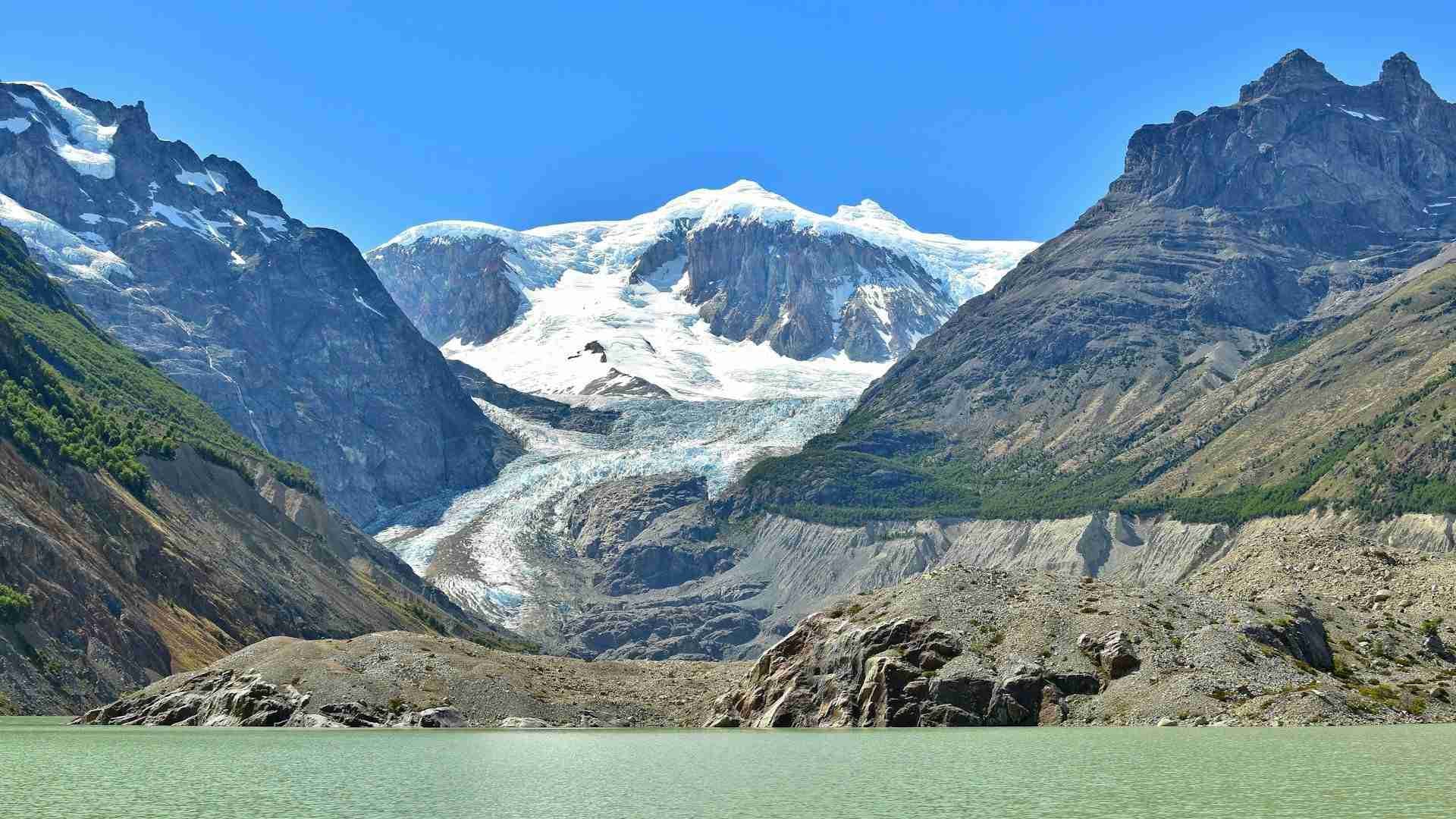
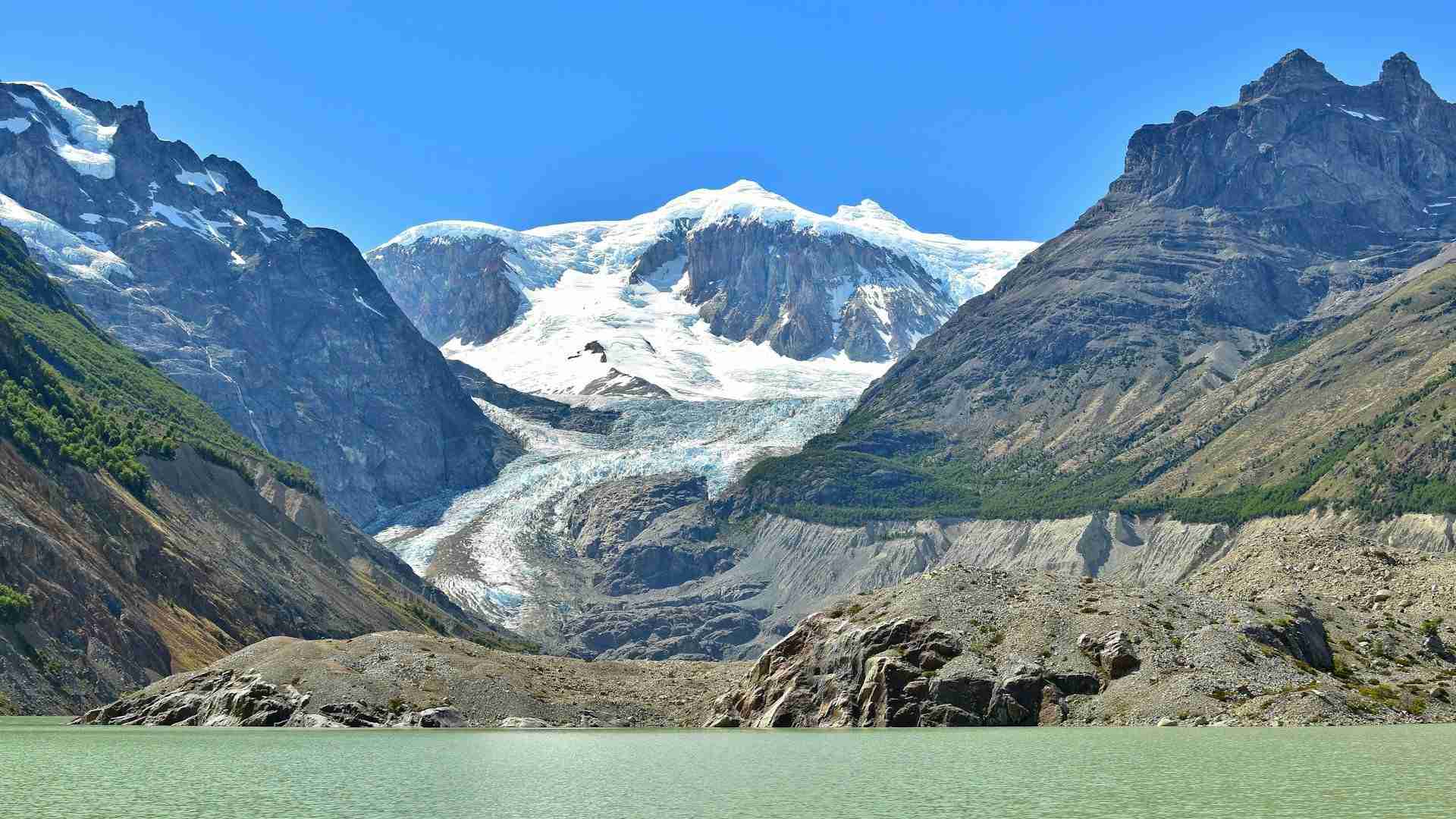
Tucked against the remote eastern face of Monte San Lorenzo in Chile's Aysén Region, the Calluqueo Glacier descends in dramatic, fractured layers toward a luminous glacial lake, offering one of Patagonia's most powerful yet under-photographed landscapes. Framed by sheer granite walls and cloaked in swirling weather, this sprawling ice field provides an ever-changing visual canvas of light, contrast, and texture. Far removed from the crowds of Torres del Paine or the Southern Ice Field, Calluqueo delivers something rarer: untouched scale, raw mood, and the immersive silence of deep wilderness. For the photographer willing to travel off the beaten track, this is a location that reveals the ancient voice of Patagonia in its purest visual form.
Best Photography Opportunities
• Glacial Face from the Lakeshore
: The glacier's terminus plunges directly into a milky turquoise lake, creating a deeply textured front with spires, seracs, and meltwater veins. From the western edge of the lake, a wide-angle lens (14–24mm) allows you to capture the towering wall of ice framed by dark cliffs and cloud-laced sky. Morning light illuminates the glacier's façade, revealing rich blue tones and casting long shadows into the crevasses. This is one of the few accessible positions in Patagonia where you can compose a symmetrical ice-wall reflection with no visual clutter.
• Drone Over the Icefield
: Flying over Calluqueo with a drone opens up extraordinary geometric perspectives of its crumpled upper ice, radial drainage patterns, and the visual scale of Monte San Lorenzo in the background. Aerial compositions benefit from early morning or late afternoon light, when long shadows deepen the textures and isolate abstract forms. Use a higher altitude to emphasize the glacier's path from summit to lake, and a lower angle to focus on surface pattern and scale. Weather can change rapidly; keep flight times brief and remain well within visibility.
• Telephoto Isolation of Ice Patterns
: The glacier's layered structure presents an opportunity for tight telephoto compositions that explore rhythm and detail—look for repeating lines, collapsed sections, and meltwater fissures glowing with aqua hues. A 100–400mm or similar lens allows you to compress elements and create near-abstract frames. Late afternoon is best when raking side light emphasizes relief and reveals a surprising range of tonal contrast across the ice face.
• Foreground and Reflection Work at Dawn
: On calm mornings, the glacial lake can mirror the entire glacier and peaks above. Incorporate elements like stranded icebergs, moraine rock, or wind-sculpted grasses into the foreground using a tripod and wide lens. Soft pastel colors just before sunrise complement the glacial blues and the weather-streaked mountains behind. Long exposures help to smooth the water and highlight stillness, while bracketing can manage dynamic range between snow and shadowed cliffs.
• Monte San Lorenzo in Atmospheric Conditions
: The glacier lies directly beneath Monte San Lorenzo, one of the tallest and most remote peaks in Patagonia. When clouds drift across the summit and break against the ridgelines, the resulting interplay of light and mist provides powerful background context for wide compositions. Consider stepping back to frame both glacier and peak from nearby rises or lateral ridgelines—this gives a sense of scale and connects the icefield to its dramatic source.
Best Time to Visit
The optimal photography window for Calluqueo Glacier spans from late November through early March, during the Austral summer, when trail access is reliable and light conditions are favorable. December and January offer the best weather stability, with longer daylight hours for extended exploration and a greater likelihood of morning calm. During this time, glacial blue tones appear most vibrant under midday sun, though low-angle light at either end of the day yields the strongest mood and texture.
Spring (October to November) can bring fresh snow on the surrounding peaks and more dramatic skies, but access is more difficult and cloud cover increases. In these conditions, brooding skies, storm light, and minimal wind offer the potential for intense black and white or high-contrast imagery. Autumn (late March to early April) brings cooler air, less haze, and often better visibility, but days are shorter and trails may be muddy or unstable.
Sunrise and morning are the best times for shooting the glacial face, with light striking from the east and often revealing the brilliant blues within the ice. Evenings are best for wide vistas and warm-toned compositions of the surrounding cliffs and peaks, as well as drone photography if winds allow. Midday can be useful for aerial or detail work when the sun is directly above the ice, illuminating surface texture with fewer shadows.
How to Get There
Calluqueo Glacier is accessed from the remote town of Cochrane in the Aysén Region of Chilean Patagonia. From Cochrane, it's roughly a 1.5-hour drive east along rugged gravel roads (X-901 and X-911) to the base of Monte San Lorenzo and the trailhead at Fundo San Lorenzo, a private estancia that provides controlled access to the glacier.
You must register or book entry through the estancia, which typically includes a modest fee for land use and maintenance. Guides can be arranged through Cochrane for those unfamiliar with the terrain, though independent travel is permitted for experienced trekkers. From the estancia, the hike to the glacier viewpoint takes around 1.5 to 2 hours each way, following a marked trail through lenga forest, open grassland, and rocky moraine. The route is moderate but involves uneven footing and several steep sections.
There are no formal facilities along the trail, so bring sufficient water, food, and weather protection. 4×4 vehicles are recommended, especially after rainfall. Camping is allowed in designated areas near the trailhead but not along the glacial lake itself. Drones are permitted with caution—always inquire locally about seasonal restrictions due to wildlife or environmental protection policies.
Recommended Gear and Shooting Tips
Due to the remote nature and volatile weather of the region, careful gear selection is crucial. A wide-angle zoom (16–35mm) is essential for capturing the vastness of the glacier and surrounding peaks, while a mid-range zoom (24–105mm) works well for lake compositions and mid-distance framing. For isolating patterns or compressing mountain forms, a 100–400mm or 70–200mm lens is ideal. A drone adds a dramatic perspective but must be flown conservatively due to changing wind conditions and potential bird activity.
A solid tripod is necessary for dawn and dusk shoots, long exposures, and high-resolution detail work. Bring ND filters (6-stop or 10-stop) for smoothing lake water or enhancing moody light transitions. A polarizer helps reduce glare from water and boosts contrast between ice and sky but should be used carefully to avoid uneven polarization at wide focal lengths.
Weatherproof camera bags, quick-dry clothing, and layered thermal gear are essential even in summer months—conditions can shift quickly from clear to cold rain or high wind. Pack a lens cloth and rain cover, as meltwater spray is common near the lake shore and on moraine ridges. Gloves that allow fine control are a must for early morning sessions.
Scout your angles early and plan for variable light. The glacier and lake change character dramatically with cloud cover and sun position—sometimes the best compositions occur after waiting an hour in seemingly poor conditions. Keep extra batteries warm and close to your body, especially for drone use and mirrorless systems.
Nearby Photography Locations
: Just beyond the main glacier viewpoint, several lateral moraines and elevated ridges offer sweeping views of the full massif of Monte San Lorenzo. These locations provide strong leading lines and compositional depth, especially under dramatic cloud cover.
: South of the glacier, this high-elevation lake sits in a cirque surrounded by snowfields and ridgelines. It's a striking complement to the glacial lake below, with clearer reflections and a wilder feel, especially at sunset. The river valley itself offers layered views, isolated trees, and alpine vegetation textures.
• Patagonian Steppe Near Cochrane
: Just west of the glacier access road, the dry, windswept plains offer open-sky compositions, fence-line geometry, and views back toward the ice-capped peaks. These scenes contrast beautifully with the verticality of the glacier and can be shot in golden evening light or under harsh midday sun for a desert-like feel.
: A short drive from Cochrane, this reserve is home to guanacos, native forest, and mountain lakes. The light here is often softer and the terrain gentler, ideal for photographing wildlife in open landscapes or creating layered scenes looking toward the Andes.
• Baker River Lookouts
: South of Cochrane, the vivid turquoise Baker River carves through dramatic valleys and forested cliffs. Several roadside viewpoints offer strong leading lines and color contrast between river and mountains—ideal for both drone and handheld landscape work in early or late light.
Calluqueo Glacier is a place that reminds you what it means to photograph at the edge of the world—where weather dictates mood, light reveals truth, and every frame feels earned. It's not just a subject for the lens but an experience of visual silence and scale that stays with you long after the camera is packed away.
Comments
Loading comments…