
The Ballon d'Alsace, rising to 1,247 meters, is a prominent peak in the Vosges Mountains, straddling the borders of Alsace, Lorraine, and Franche-Comté. This mountain offers photographers a diverse range of landscapes, from panoramic vistas encompassing the Rhine Valley, Black Forest, and even the distant Alps, to dense forests and alpine meadows teeming with flora and fauna. Its accessibility and varied terrains make it an ideal destination for capturing the natural beauty of northeastern France.
Best Photography Opportunities
• Panoramic Summit Views
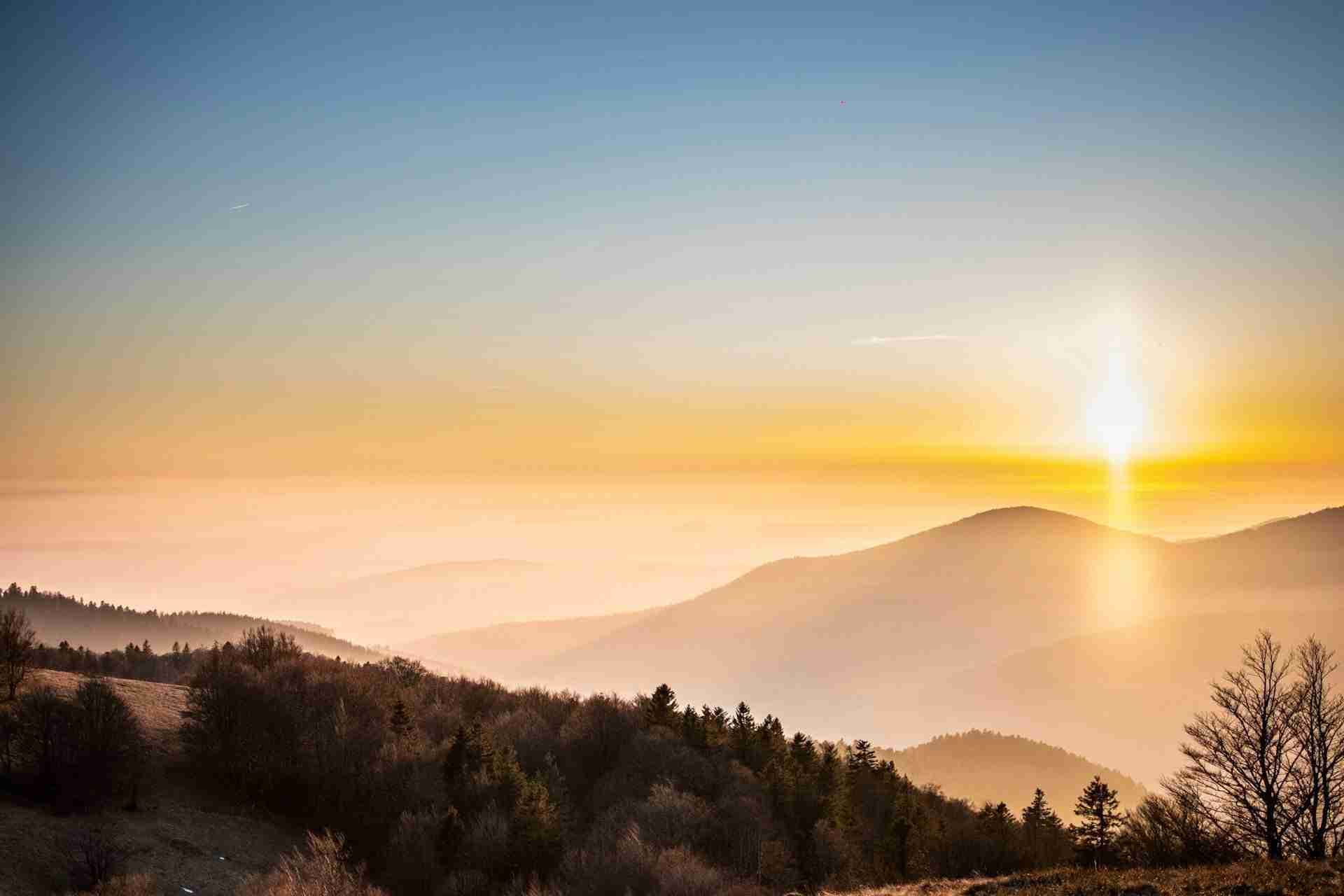
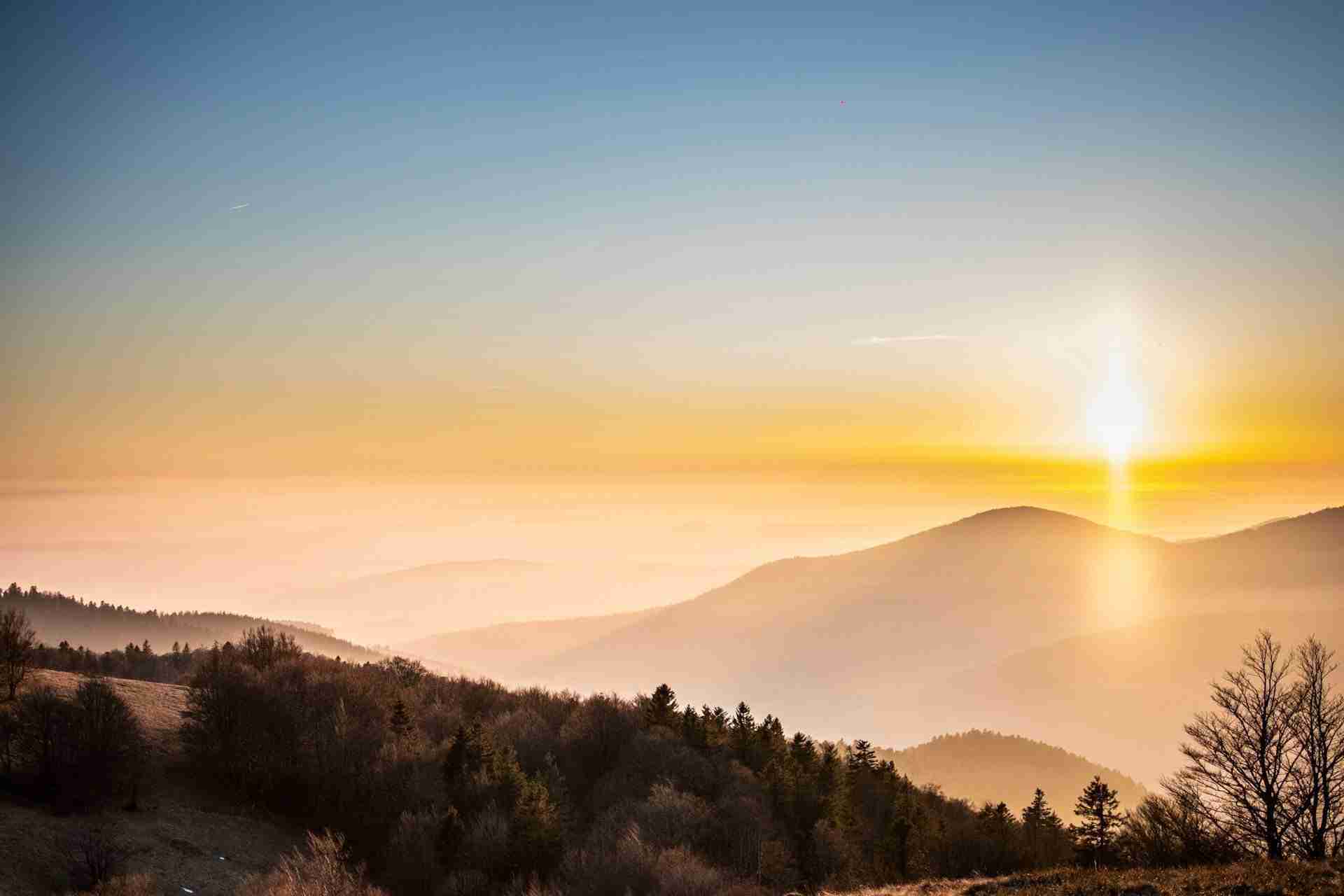
– The summit provides sweeping views of the Vosges Mountains, the Rhine Valley, the Black Forest, and, on clear days, the distant Alps. These expansive vistas are perfect for wide-angle landscape photography, especially during sunrise or sunset when the light adds depth and warmth to the scene.
• Alpine Flora and Fauna
– The Ballon d'Alsace is home to diverse plant species, including yellow gentian and bilberry bushes, as well as wildlife such as chamois and various bird species like peregrine falcons and crossbills. Macro photography enthusiasts will find ample opportunities to capture the intricate details of the local flora, while telephoto lenses are ideal for photographing the fauna in their natural habitats.
• Historic Monuments
– The mountain features notable landmarks, including a statue of Joan of Arc and memorials commemorating historical events. These structures provide compelling subjects that contrast with the natural surroundings, offering unique compositional elements for photographers interested in combining history with landscape photography.
• Seasonal Landscapes
– Each season transforms the Ballon d'Alsace, offering distinct photographic opportunities. Spring and summer bring lush greenery and vibrant wildflowers, autumn showcases a tapestry of warm colors as the foliage changes, and winter blankets the landscape in snow, creating minimalist compositions and opportunities for high-contrast imagery.
• Night Sky Photography
– The relatively low light pollution in the area makes the Ballon d'Alsace a suitable location for astrophotography. The open spaces near the summit provide clear views of the night sky, allowing photographers to capture star trails, the Milky Way, and other celestial events.
Best Time to Visit
The Ballon d'Alsace offers unique photographic opportunities throughout the year. Spring and summer months (May to August) provide lush landscapes and blooming flora, ideal for capturing vibrant colors and dynamic scenes. Autumn (September to October) is particularly picturesque, with the changing foliage offering a rich palette of reds, oranges, and yellows. Winter months (December to February) transform the mountain into a snowy wonderland, perfect for minimalist compositions and capturing winter sports activities. For wildlife photography, spring and autumn migrations are optimal times to observe and photograph various bird species.
How to Get There
The Ballon d'Alsace is accessible by road, with the Col du Ballon d'Alsace pass reaching an elevation of 1,171 meters near the summit. This pass connects the valleys of the Moselle to the north, the Savoureuse to the south, and the Doller to the east. The nearest village is Sewen in the Haut-Rhin department. From Sewen, follow the D466 road, which leads directly to the mountain pass. Parking is available near the summit, providing easy access to various trails and viewpoints.
There is no entrance fee to visit the Ballon d'Alsace; however, certain activities, such as skiing or guided tours, may require separate fees.
Exploring Parc Naturel Régional des Ballons des Vosges
The Ballon d'Alsace is part of the Parc Naturel Régional des Ballons des Vosges, a vast protected area spanning the Vosges Mountains. This park offers photographers a stunning variety of landscapes, from rolling mountain ridges and deep forests to crystal-clear lakes and traditional villages. The park's numerous hiking trails lead to breathtaking viewpoints, waterfalls, and hidden valleys, providing endless opportunities for landscape and wildlife photography.
One of the most captivating aspects of the park is its diverse ecosystem. The changing seasons bring different photographic possibilities, from springtime meadows filled with wildflowers to snow-covered peaks in winter. The park is also home to various species of wildlife, including deer, wild boar, and rare birds of prey, making it a fantastic destination for nature photographers.
Cultural photography enthusiasts will appreciate the picturesque villages within the park, where traditional Alsatian architecture, local markets, and historic chapels offer a glimpse into the region's heritage. Whether capturing the tranquility of the natural landscapes or the charm of rural life, the Parc Naturel Régional des Ballons des Vosges is a rewarding destination for photographers of all interests.
Nearby Photography Locations
– As the highest peak in the Vosges Mountains at 1,424 meters, the Grand Ballon offers expansive views and unique alpine environments. The summit is accessible via hiking trails and a scenic drive, providing varied perspectives for landscape photography.
– Known as the "Pearl of the Vosges," this glacial lake is surrounded by forests and hills, offering serene waterscapes and reflections, especially during the early morning or late afternoon light.
• Route des Crêtes
– This scenic ridge road stretches over 80 kilometers along the Vosges Mountains, providing numerous pull-offs and viewpoints. Photographers can capture panoramic landscapes, rolling hills, and distant valleys along this route.
– Located to the south, the historic town of Belfort features well-preserved fortifications, a majestic lion sculpture by Frédéric Bartholdi, and charming old town streets, offering a blend of architectural and street photography opportunities.
The Ballon d'Alsace stands as a versatile and inspiring destination for photographers, offering a rich tapestry of natural beauty, historical landmarks, and seasonal diversity. Whether capturing the expansive vistas from its summit or exploring the intricate details of its flora and fauna, photographers will find ample opportunities to create compelling images in this picturesque region of France.
Comments
Loading comments…