Lunenburg's waterfront is one of the most photographed scenes in Nova Scotia, and most of those photos look alike. This is how I planned a sunrise drone shoot of the harbour using four PIXEO Pro tools (the Field of View Simulator, Sun Angularity, the Sky Colour forecast and the 4-hour forecast) to find a different angle, pick the right morning, and be standing in the right spot when the light arrived.
Three Days, One Goal
I was in Nova Scotia for a week, but by the time my son was moved into his apartment for his second year of university, time for a shoot was limited. My in-laws live near Halifax, and I always try to get out and shoot something when I'm down east. I'd lived in the province, yet Lunenburg had somehow never made my short list. This trip, that was going to change.
Finding the Angle
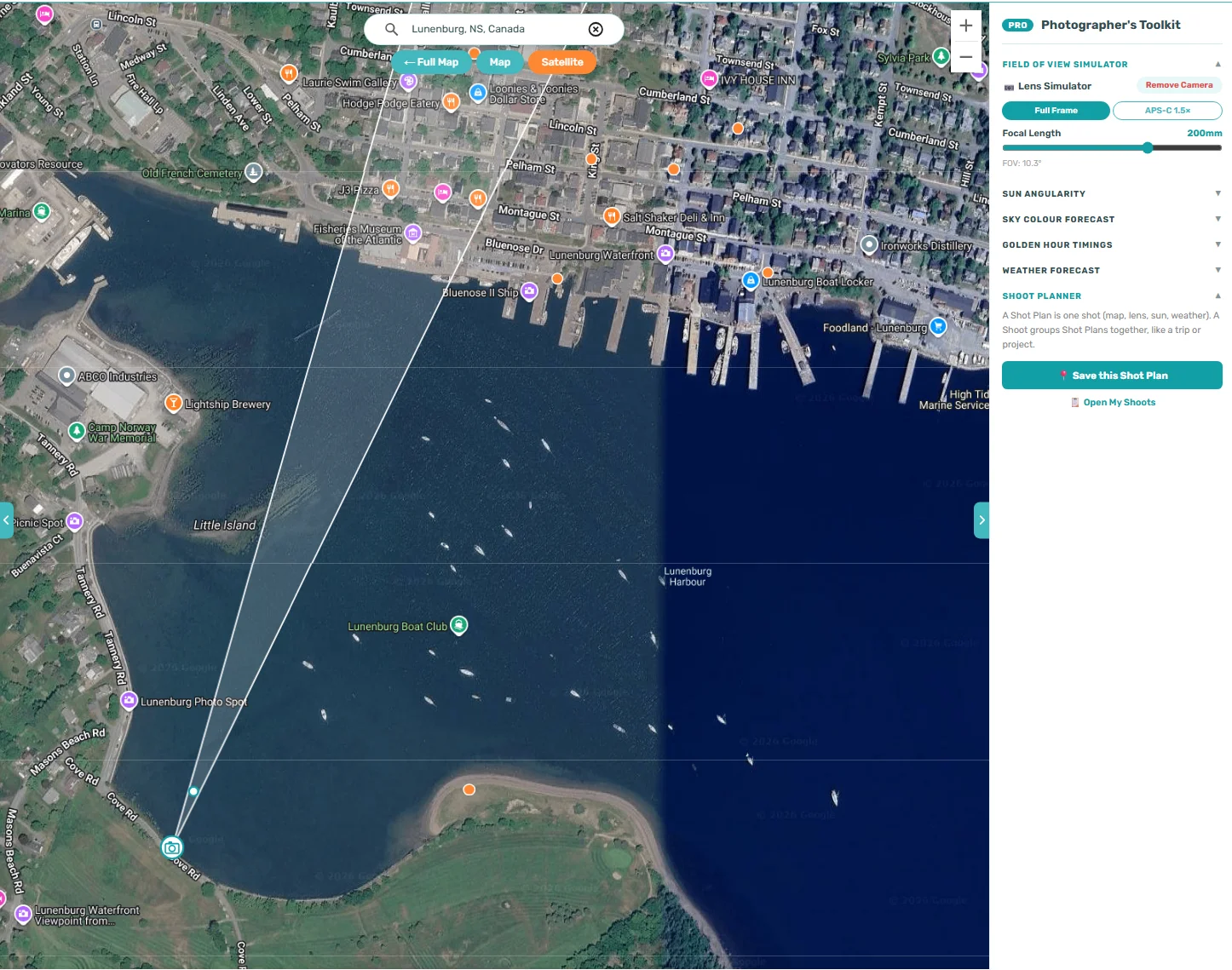
I spent the first part of the week helping my son move, and with my day job keeping me working remotely through the weekdays, I knew my time was going to be short. That left Thursday, Friday and Saturday, mornings and evenings, so I started planning. My first thought was to shoot from the opposite side of the harbour, where there's a road and a golf course. I'd seen shots from there before and they look good. I have a Canon 70-200mm workhorse that pairs well with my Canon 5D, and when I mapped it out in PIXEO Pro Tools with the Field of View Simulator, 200mm was about right to frame the bright red Fisheries Museum.
Plan A. From the golf course shore, 200 mm put the Fisheries Museum right in the frame.
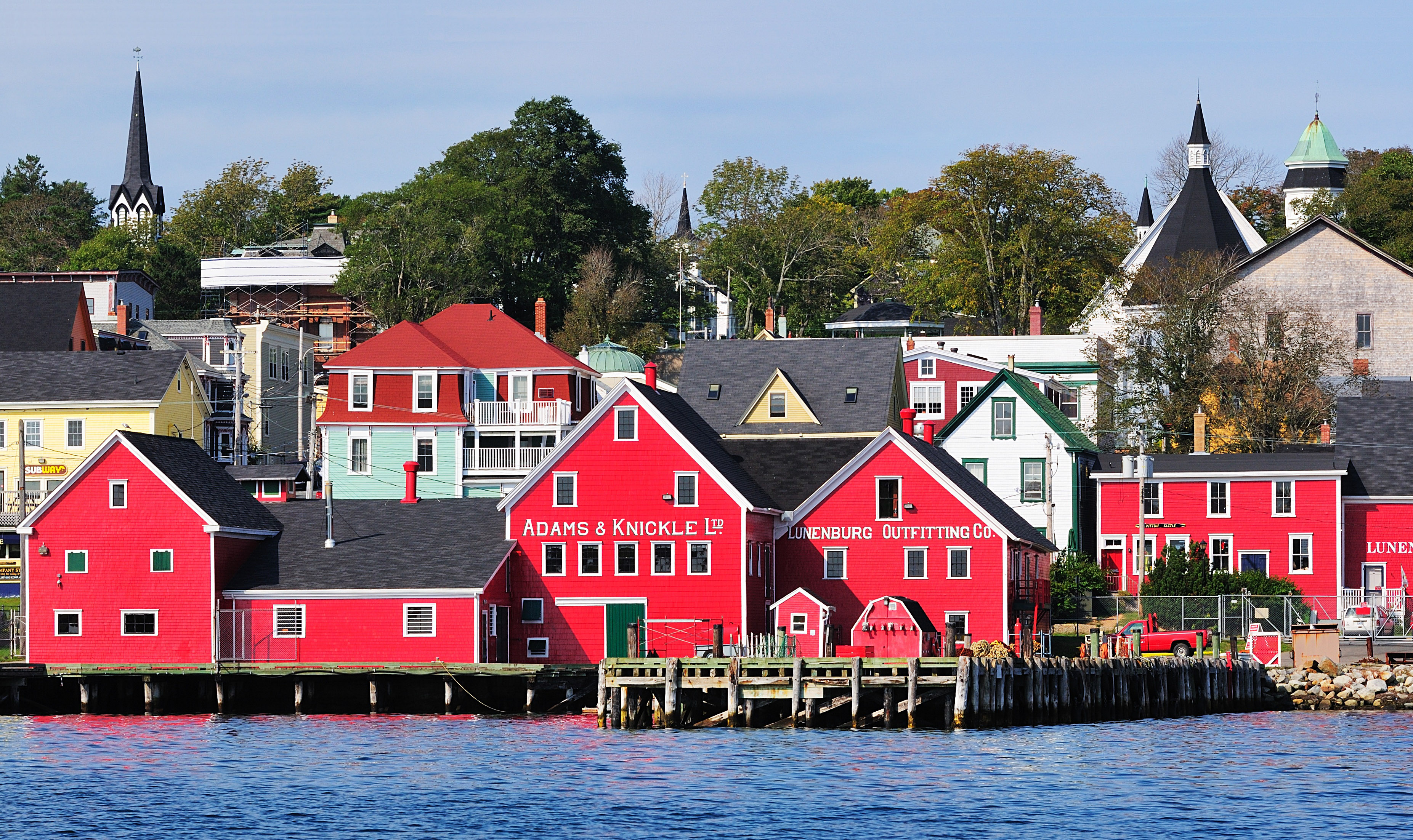
Compositionally it would work, and I might have been satisfied. But I have a habit of asking myself: this is how everyone else would shoot it, so what can I do differently? Most photos of Lunenburg are lovely, but nearly all of them rely on telephoto compression, which makes the buildings appear stacked on top of each other. The forecast didn't promise a clear day to make the colours pop, so I needed something that would let the image breathe and give it a sense of space. If I did get decent weather, I wanted the sky and clouds to be part of the picture.
Shooting Lunenburg from across the harbour with a long lens compresses the scene, so the waterfront and the town behind it appear stacked on top of each other. Photo by Wladyslaw.
📷 Photo Tip
Focal length doesn't compress a scene, distance does. A long lens just lets you stand far enough back to see it. If you want layers to separate and a scene to breathe, go wide and get close.
Switching to the Drone
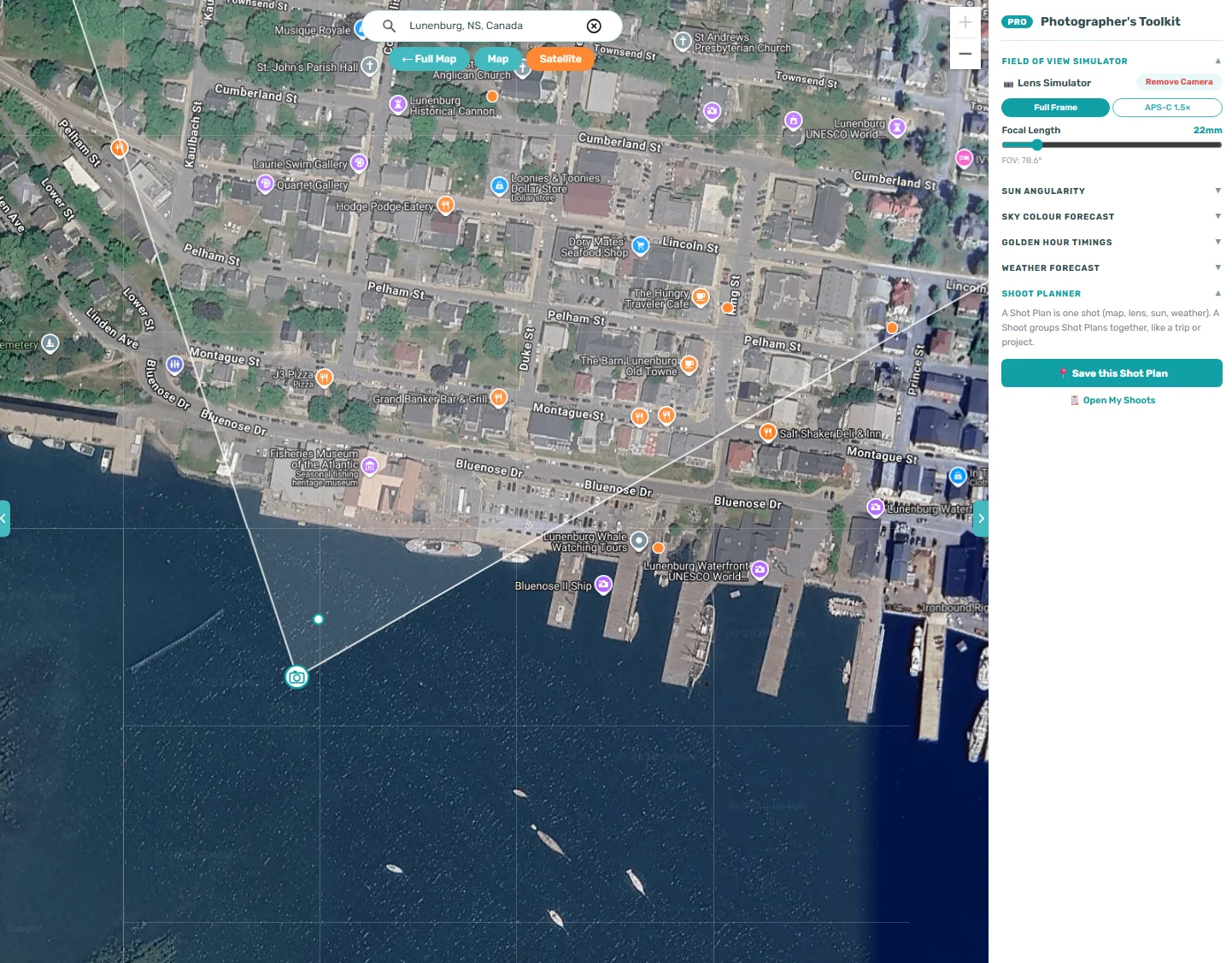
Thankfully I'd brought my drone. After a quick check against Transport Canada's rules, it was clear I could fly there. New plan: my DJI Air 2S has a 22mm full-frame equivalent lens, and switching the Field of View Simulator to 22mm showed me how close I'd need to be. Canadian regulations require keeping the drone in visual line of sight the whole time, so I'd have to fly from the outcrop of land on the west side of the harbour.
Plan B. At 22mm the drone needed to sit much closer to the waterfront, within sight of the west-side outcrop.
Checking the Sun
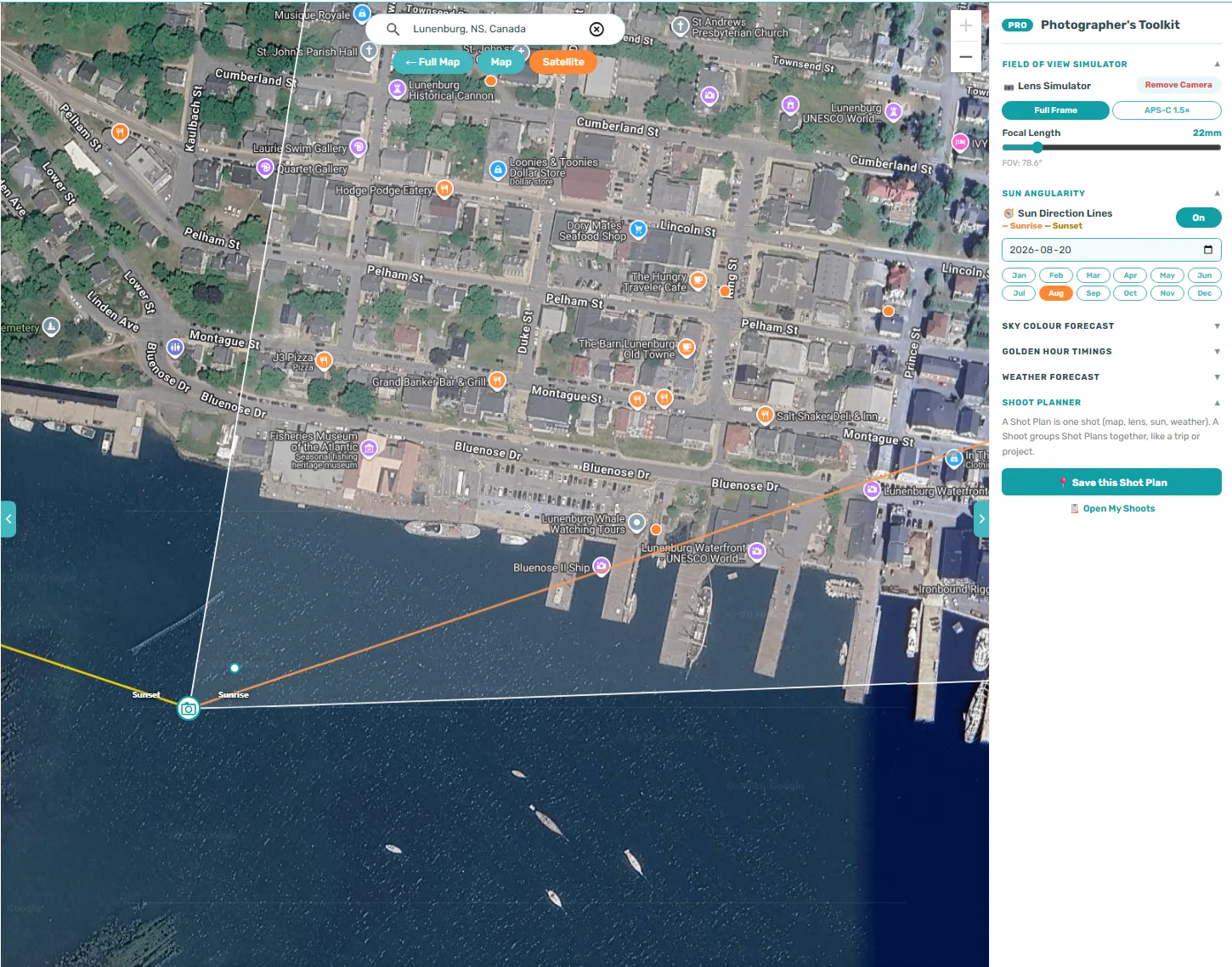
Next I checked where the sun would rise and set, and it was quickly clear I wanted a sunrise. The forecast didn't promise anything dramatic, and if the sun came up directly behind the museum and waterfront, the shoot would get harder. So I turned on the Sun Angularity Pro tool and found the sun would rise well to the east of the scene. I could easily shoot around it, and even catch it peeking up on the right side of the frame in a few shots without blowing out the image with flare.
Sun Angularity showed the sunrise (the orange line) sitting off to the side of the waterfront, not behind it. Shooting from the west side, I could even work it into the frame.
📷 Photo Tip
When the sun is in frame, let it sit at the edge and wait for cloud or the horizon to partially cover it. A half-hidden sun keeps flare under control and gives you a starburst or glow instead of a white hole.
Picking the Right Time and Day
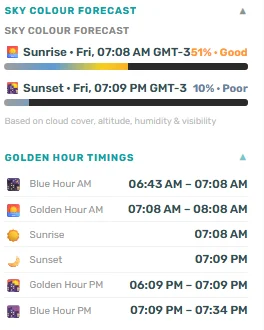
With the how settled, it came down to the when. The Sky Colour forecast showed I'd need to be on site and set up by about 6:30 am to be ready for blue hour. It also gave Friday a 51% chance of a colourful sunrise, the best of my three days. A coin flip on something dramatic, but even if the sky didn't catch fire, I'd likely get some colour and textured clouds. Friday it was.
The Sky Colour forecast made Friday the best of three mornings at 51%.
📷 Photo Tip
A 51% chance isn't a coin flip you lose. Even on a quiet morning, textured cloud and soft blue-hour light will beat midday every time. Arrive 30 to 45 minutes before sunrise; the best colour often comes before the sun appears.
The Morning Of...
I was up at 5 am and checked the PIXEO Pro Tools 4-hour forecast for the location. It showed a narrow one-hour window of partly cloudy skies right at sunrise (7 am), with light rain shortly after. I grabbed my gear, tiptoed down the stairs so as not to wake the in-laws, and got in the car.
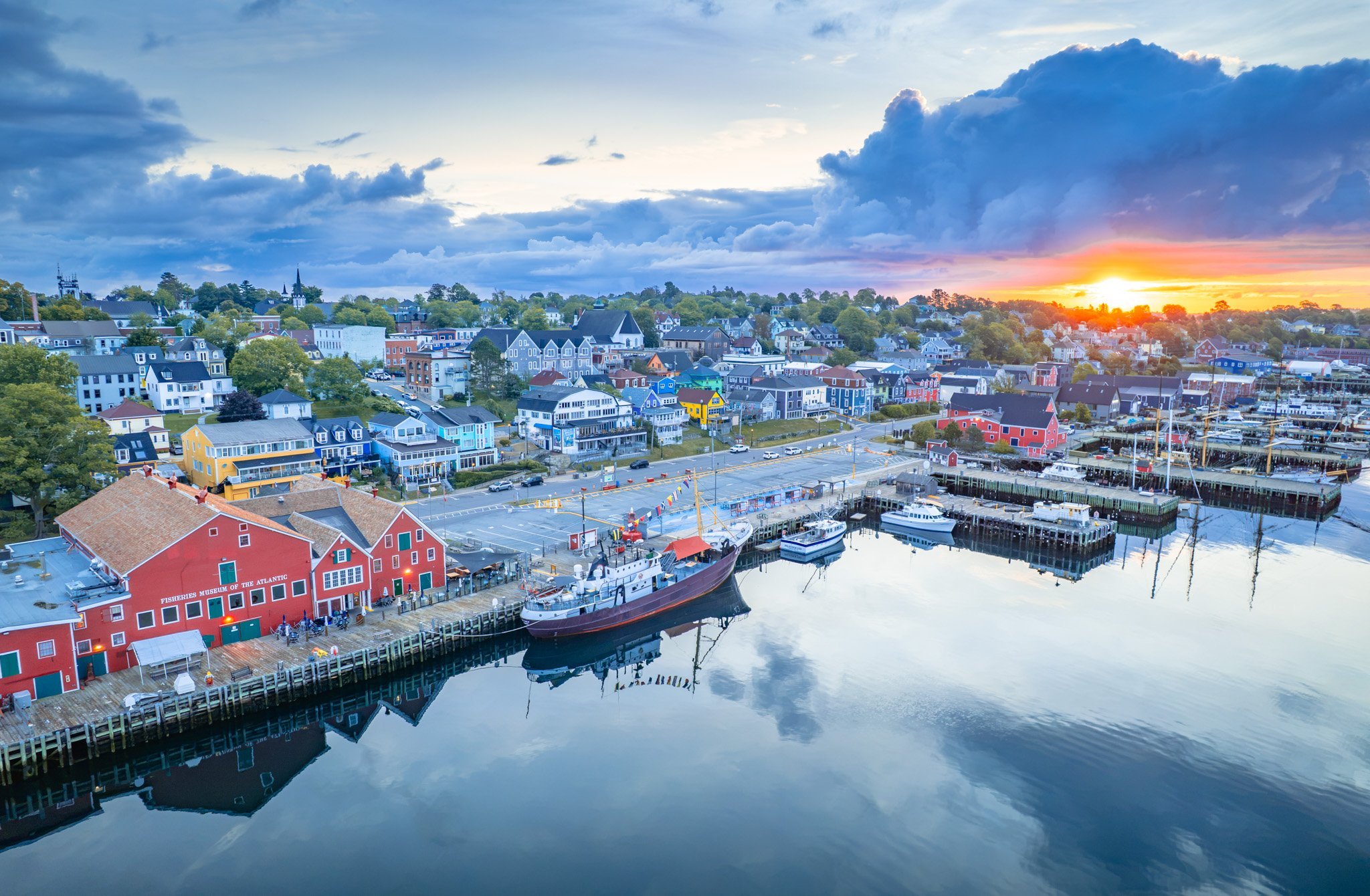
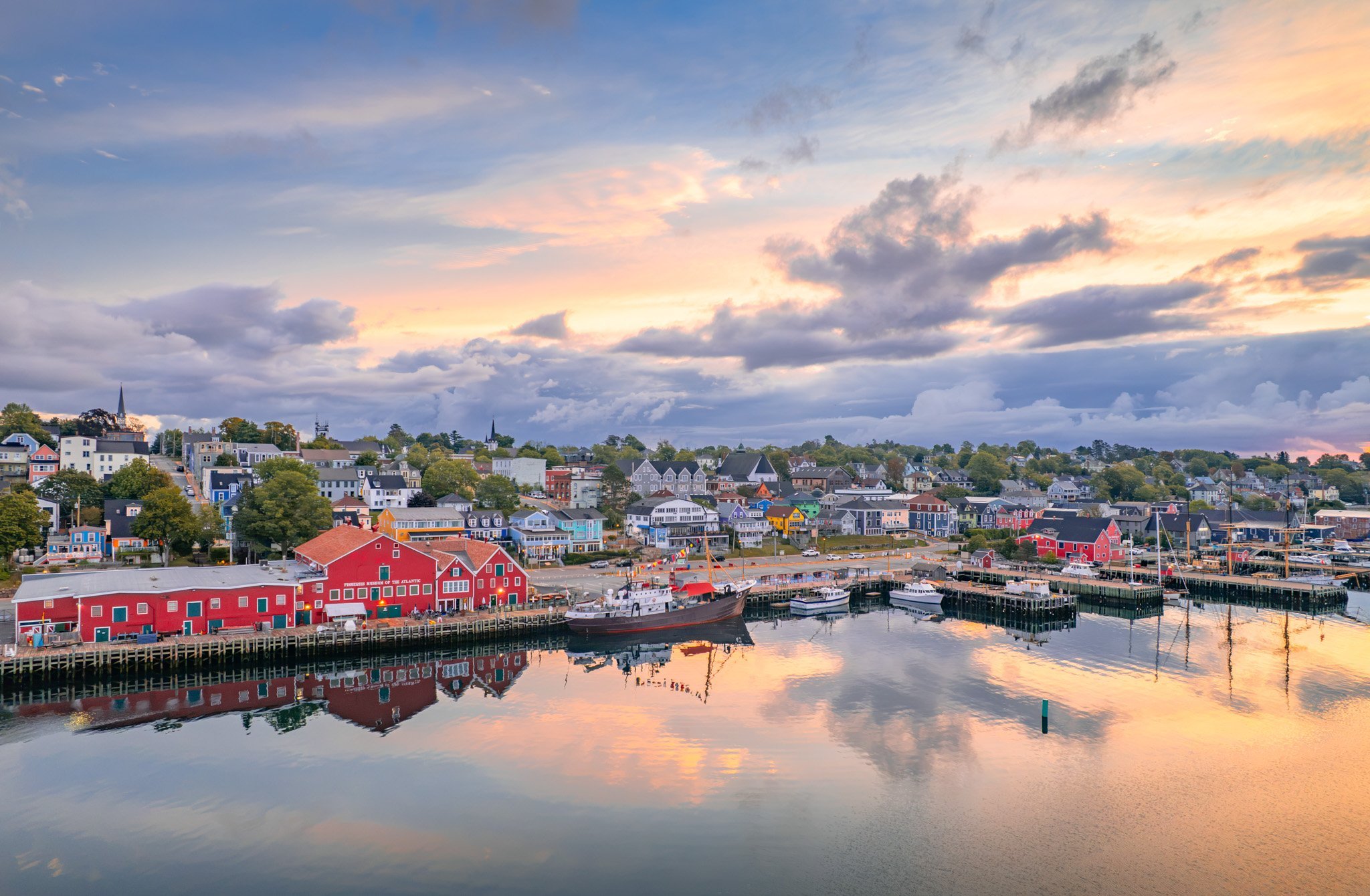
An hour and a half later I was on the Lunenburg shore. I ran my preflight checks, and as blue hour began I was thrilled to see beautiful texture in the clouds and flat, glassy water. When the sun broke through, I caught it, and kept shooting until the batteries ran out.
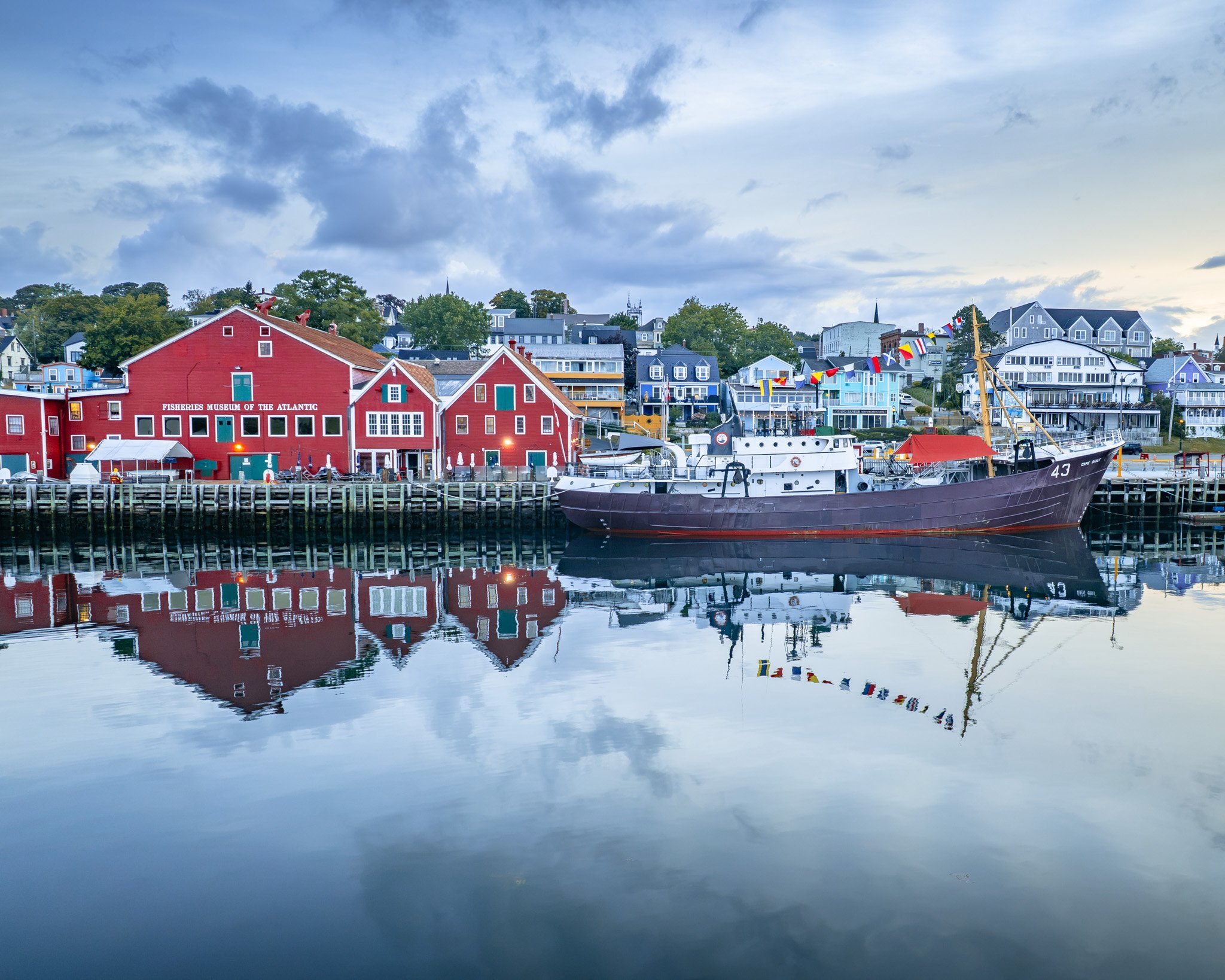
For mirror reflections, go early. Wind is usually at its lowest around dawn, and a calm harbour lasts minutes, not hours. Leave the polariser off; it cuts the very reflections you came for.
Also, when the reflection is the subject, break the rule of thirds. Putting the waterline near the middle of the frame gives the mirror equal weight, and dropping the drone low makes the reflection read as a second image, not just water.
My favourites capture the calm of this small fishing town, the unhurried feeling you get when you visit the South Shore. Between the rain and the grey, if you're lucky and you plan for it, you might find a sunrise over impossibly calm water.
Plan Your Own Shoot
The Field of View Simulator, Sun Angularity, the Sky Colour forecast and the 4-hour forecast were all indispensable. Pick a spot on the map, check the light, and choose your morning before you set the alarm. Try PIXEO Pro today and plan your next shoot!




Comments
Loading comments…