
Capturing the Coastal Charm of Le Phare du Cap Ferret: A Photographer's Guide
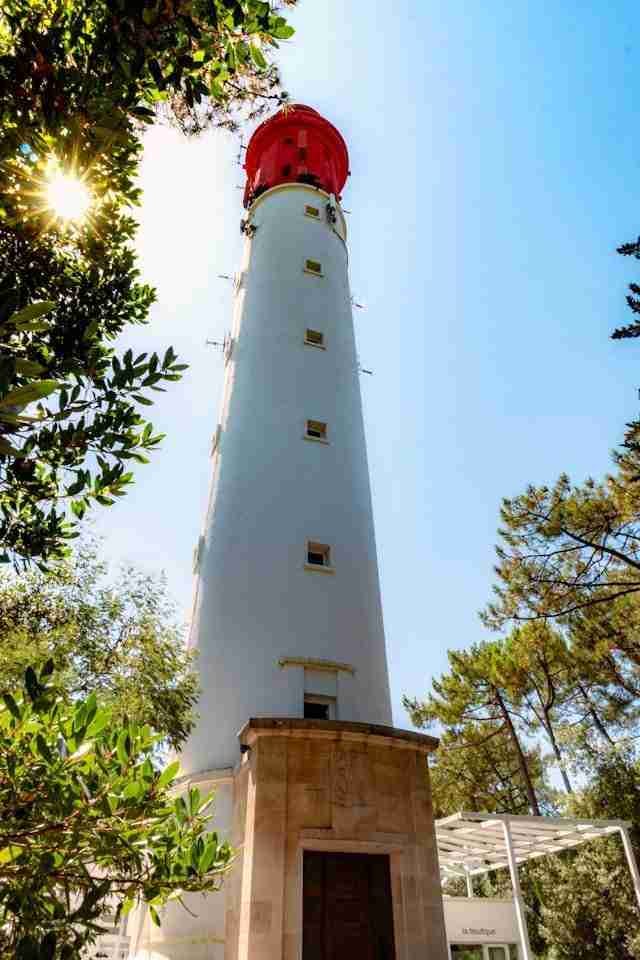
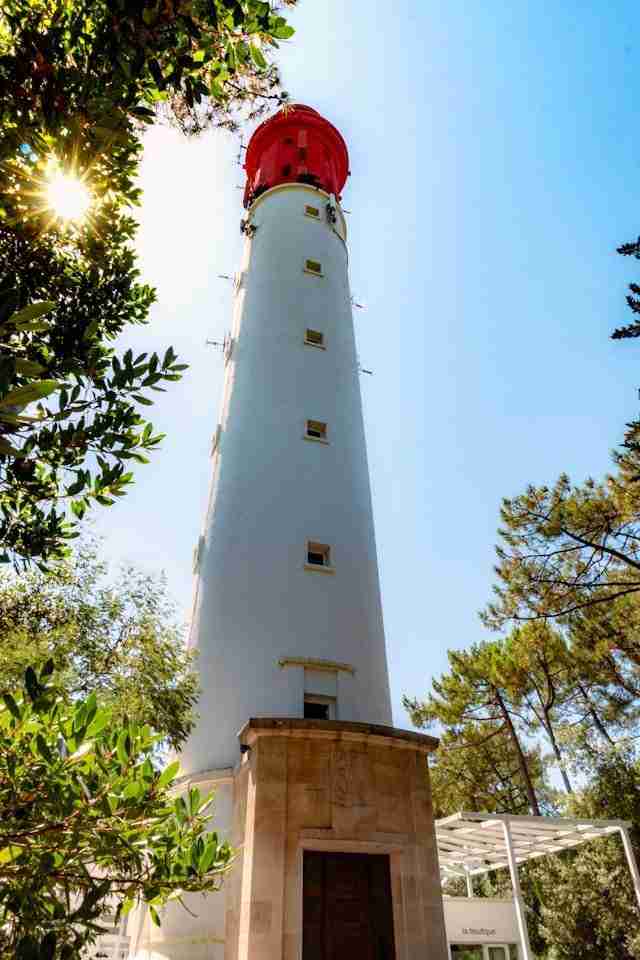
Le Phare du Cap Ferret, standing proudly on the tip of the Cap Ferret Peninsula in southwestern France, is a striking landmark that offers breathtaking views of the Atlantic Ocean, Arcachon Bay, and the vast Dune du Pilat. With its bold red and white tower rising above the surrounding pine forests, this lighthouse is a dream location for photographers capturing maritime landscapes, sweeping panoramas, and the rugged beauty of the French coastline. Whether shooting from ground level, climbing the tower for elevated perspectives, or capturing the dramatic interplay of light and sea, Le Phare du Cap Ferret provides endless opportunities for stunning compositions.
Best Photography Opportunities
• The Lighthouse in Golden Hour Light
– The warm hues of sunrise and sunset cast a beautiful glow on the lighthouse, making it stand out dramatically against the sky. Shooting from different angles around the base allows for dynamic compositions, while a telephoto lens from a distance can emphasize its towering presence.
• Panoramic Views from the Top
– Climbing the 258 steps to the top of the lighthouse rewards photographers with an unparalleled 360-degree view of the Cap Ferret Peninsula, Arcachon Bay, and the Atlantic Ocean. A wide-angle lens helps capture the vast landscape, while a telephoto shot can focus on details like boats navigating the bay.
• The Contrast of Red, White, and Blue
– The lighthouse's bold red and white colors stand out beautifully against the deep blue sky and ocean. Composing shots with leading lines from surrounding paths or framing the lighthouse with nearby trees adds balance and depth to the image.
• Dramatic Coastal Seascapes
– The Atlantic coastline near the lighthouse is known for its powerful waves, sandy dunes, and rugged beauty. Long-exposure photography during high tide creates a misty, ethereal effect on the water, while stormy weather adds an intense, moody atmosphere.
• Maritime Culture and Oyster Farms
– The region surrounding Cap Ferret is deeply connected to oyster farming, and nearby fishing huts and oyster beds offer unique documentary-style photography opportunities. Capturing workers tending to the oyster farms at low tide or the reflections of wooden piers in the calm bay creates engaging compositions.
• Drone and Aerial Photography
– Capturing Le Phare du Cap Ferret from above highlights its striking position on the peninsula, where the ocean meets the bay. Aerial views reveal the winding coastline, lush pine forests, and the shifting sandbanks of Arcachon Bay, creating a stunning visual contrast between land and sea.
Best Time to Visit
The best time to photograph Le Phare du Cap Ferret depends on lighting conditions and seasonal variations. Early mornings offer soft, diffused light with minimal crowds, while late afternoons provide golden hour hues that enhance the lighthouse's vibrant colors. Sunset and blue hour photography capture the lighthouse illuminated against the fading light, adding a sense of depth and tranquility to compositions.
Spring and summer bring lush greenery and vibrant beach life, making for lively coastal scenes, while autumn and winter offer moodier, more dramatic skies with fewer visitors. Overcast days provide even lighting, reducing harsh contrasts and making it easier to capture fine details in both the lighthouse and surrounding landscapes.
How to Get There
Le Phare du Cap Ferret is located at the southern tip of the Cap Ferret Peninsula, about an hour's drive from Bordeaux. The lighthouse is accessible by car, with parking available nearby, or by ferry from Arcachon, which offers a scenic approach across the bay. From the ferry terminal, visitors can rent bikes or take a short walk to the lighthouse. The site is open to the public, with a small entrance fee required to climb the tower. Checking local schedules for ferry times and seasonal opening hours is recommended.
Exploring the Surrounding Area
Beyond the lighthouse itself, the Cap Ferret Peninsula is a paradise for photographers seeking diverse coastal landscapes and authentic maritime culture. The surrounding pine forests and sandy trails provide peaceful nature scenes, while the charming oyster villages, with their colorful wooden cabins, offer a glimpse into the region's fishing heritage. Walking along the beach, photographers can capture striking views of Dune du Pilat across the bay, adding another layer of depth to their compositions. The ever-changing tides and shifting sandbanks make each visit a unique photographic experience, ensuring fresh perspectives every time.
Nearby Photography Locations
– The tallest sand dune in Europe, located just across the bay, offers breathtaking panoramic views and stunning patterns in the sand. Capturing the contrast between the dune's golden slopes and the blue waters of Arcachon Bay creates a visually striking composition.
– This protected area of shifting sandbanks is home to migratory birds and offers incredible aerial and landscape photography opportunities. Shooting from a boat or capturing the tide patterns at low tide adds a dynamic element to compositions.
– The small fishing villages along the peninsula, such as L'Herbe and Le Canon, are filled with colorful wooden cabins, charming piers, and bustling oyster farms. Capturing the textures of weathered wood and the reflections of boats in the water adds a rich storytelling aspect to images.
– One of the most picturesque beaches on the Atlantic side of the peninsula, this spot offers vast sandy shores, rolling waves, and stunning sunset views. Long-exposure shots of the ocean here create soft, dreamy seascapes.
– Just across the bay from Cap Ferret, Arcachon's waterfront features elegant 19th-century villas, vibrant markets, and picturesque marinas. Capturing the contrast between the stylish town and the rustic oyster farms provides a compelling visual narrative.
Comments
Loading comments…