
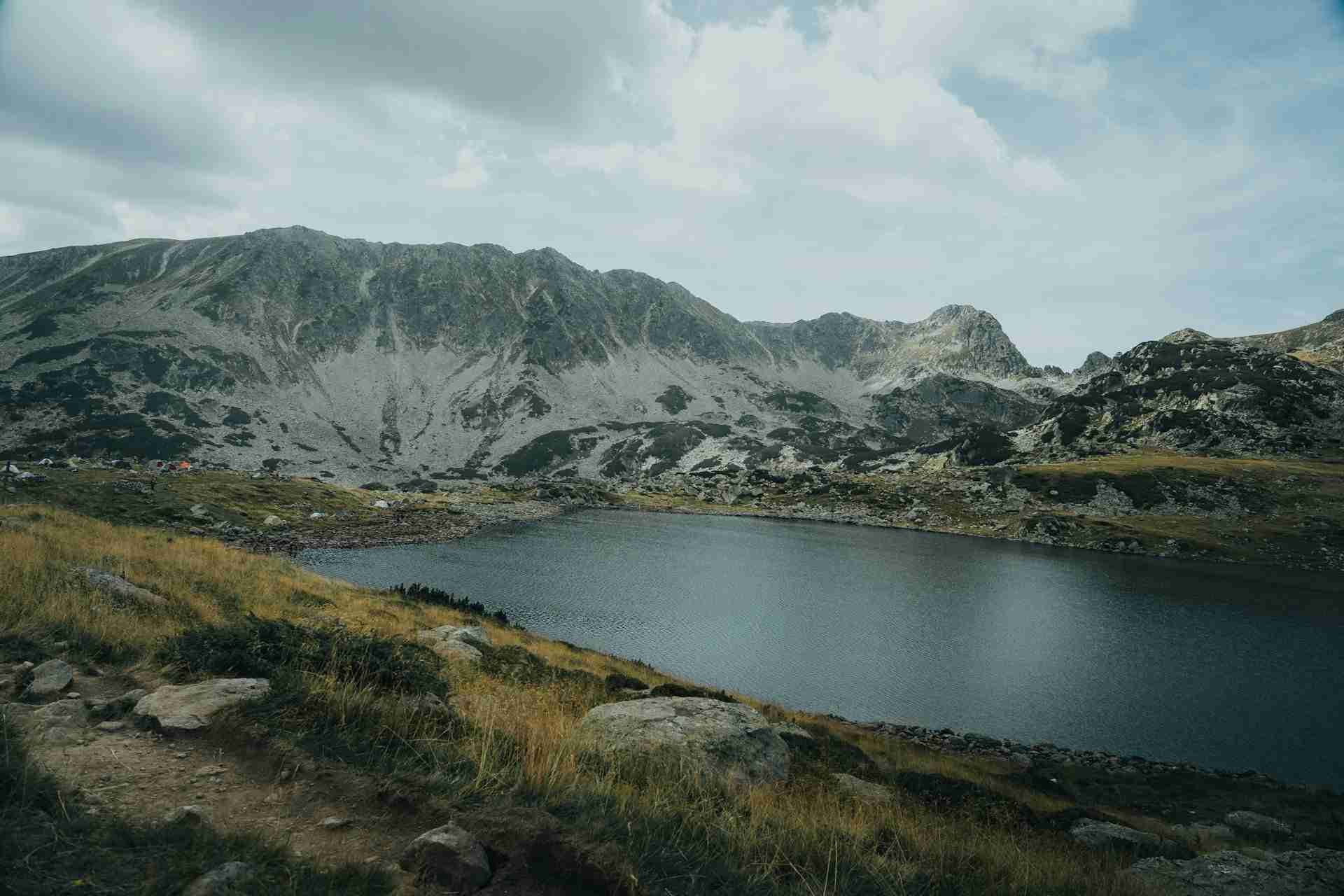
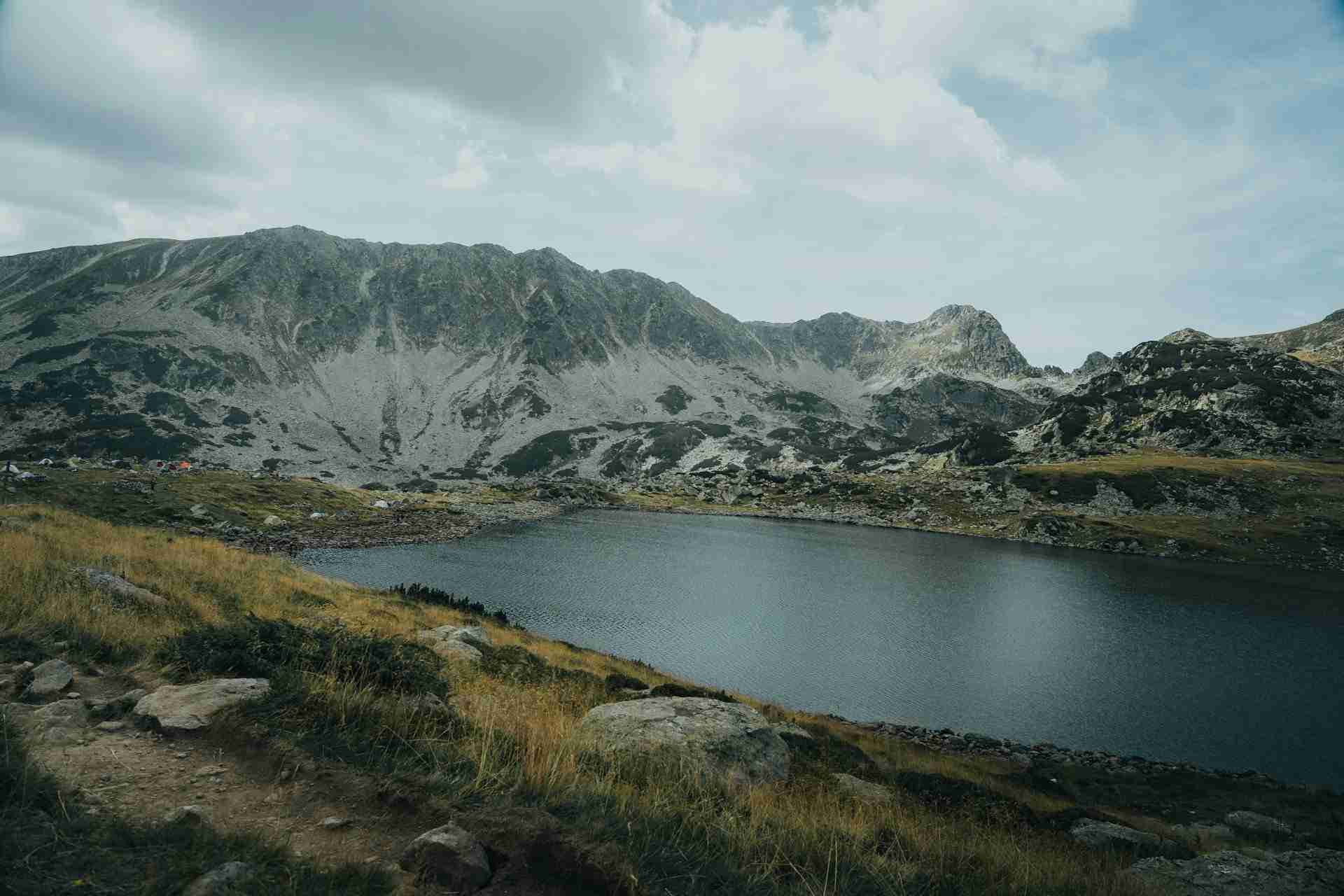
Tucked high in the Retezat Mountains of Romania, Lacul Bucura is the largest glacial lake in the country and one of the crown jewels of Retezat National Park. Situated at an altitude of over 2,000 meters, this expansive alpine lake is surrounded by jagged peaks, rolling ridgelines, and rocky meadows, offering photographers a pristine, high-elevation environment filled with dramatic light and raw natural beauty. The still waters of the lake often mirror the surrounding mountains with stunning clarity, making it a must-visit location for landscape, reflection, and astrophotography. Whether you're shooting sunrise glow on the peaks or capturing the Milky Way over the lake's surface, Bucura rewards those who venture into its wild, silent terrain.
Best Photography Opportunities
• Sunrise Reflections from the Northern Shore
The best sunrise compositions are found along the lake's northern shoreline, where the early light illuminates the rugged peaks to the south and east. On still mornings, the water acts like glass, reflecting the mountains and sky in perfect symmetry. A wide-angle lens allows you to include foreground rocks or alpine grasses for depth, while a graduated ND filter helps balance the dynamic range.
• Golden Hour Light on Bucura Peak
As the sun rises or sets, warm light brushes the ridgelines of Bucura I and II, casting long shadows and bringing out the rugged texture of the peaks. These golden tones are most visible from the eastern side of the lake, where you can position the peaks to frame the horizon or anchor them against a colorful sky. This is an ideal setup for panoramic or stitched compositions.
• Milky Way and Night Sky Photography
With virtually no light pollution at this elevation, Lacul Bucura is one of the premier dark-sky locations in Romania. The Milky Way stretches clearly over the lake during the summer months, often reflected in the water when winds are calm. Bring a fast wide-angle lens (f/2.8 or faster), a sturdy tripod, and prepare for cold night temperatures. Frame the lake with silhouetted ridges to anchor your composition.
• Alpine Flora and Macro Work
During late spring and early summer, the meadows around the lake bloom with alpine wildflowers. Look for small yellow and purple blossoms nestled among rocks, moss, and lichen. These subjects are ideal for macro or low-angle environmental shots, particularly in diffused light or just after rain when colors deepen and contrast improves.
• Compositional Layers from Surrounding Ridges
For elevated views, hike up toward the surrounding peaks—such as Peleaga or Judele—for sweeping views back toward Lacul Bucura. These high perspectives allow for layering of ridgelines, the lake, and the distant horizon. The trails leading up provide many natural platforms from which to shoot wide-angle vistas or atmospheric shots with fog and passing clouds.
Best Time to Visit
The ideal window for photographing Lacul Bucura runs from late June through mid-October, when snow has melted and trails are open. July and August offer the most stable weather, with warm days, clear skies, and relatively calm winds that enhance reflection photography. During these months, wildflowers bloom across the surrounding meadows, and the lake's surface remains accessible for early morning and twilight shoots.
September and early October bring cooler air and the first hints of frost, along with beautifully crisp light and a quieter atmosphere as the hiking crowds thin. These conditions are perfect for long-exposure work, layered compositions, and night photography. Skies are often clearer, and sunrise light tends to be more dramatic due to the lower angle of the sun.
Spring visits are possible but more challenging, as lingering snow and ice may obscure trails and parts of the lake. If you're well-prepared, you can photograph thawing ice and snowmelt streams, but gear should be winter-ready, and weather can shift rapidly at this altitude.
Dawn and dusk are the best times to shoot for dynamic skies, rich tones, and soft light on the surrounding terrain. Midday light is harsh and flat, but can still work for high-contrast black-and-white images or abstract studies of light and shadow on rock.
How to Get There
Lacul Bucura is only accessible by foot, typically via hiking trails that begin from the Cârnic area, where you can park your car and start the trek into Retezat National Park. The most common route follows the trail from Cârnic to the Pietrele Hut, then onward to Bucura via the Blue Triangle or Red Cross trail markings. The hike is moderately strenuous and takes approximately 4 to 6 hours, depending on your pace and load.
For overnight trips, camping is allowed near Lacul Bucura, and there are designated areas for tents along the northern shoreline. While there are no formal facilities at the lake, it is a popular base for summit attempts on nearby peaks like Peleaga and Retezat. Bring all necessary supplies with you, including food, water filtration, and cold-weather gear, especially if planning to photograph sunrise, sunset, or the night sky.
There is a small conservation fee required to enter Retezat National Park, typically paid at ranger stations or posted collection boxes near trailheads. Cell service is minimal or nonexistent at Bucura, so maps should be downloaded ahead of time, and a GPS or paper topo map is highly recommended.
Exploring the Surrounding Area
Lacul Bucura is more than just a destination—it's the center of a high alpine basin surrounded by dramatic ridgelines, glacial cirques, and satellite lakes that offer countless photographic opportunities. A short hike east leads to Lacul Ana and Lacul Lia, smaller glacial lakes nestled beneath steep cliffs, perfect for intimate compositions or minimalist reflections. These lakes often mirror clouds and peaks with less wind disturbance than Bucura.
To the west, the trail climbs toward Judele Peak, with jagged rock formations and bird's-eye views over Bucura and the entire basin. From these ridges, the terrain folds in on itself in layered granite and alpine grass—ideal for telephoto compression or panoramic sequences. During the right light, clouds moving over the ridge tops cast dramatic shadows that animate the scene below.
Snowfields linger well into summer on the north-facing slopes, and meltwater creeks crisscross the valley, adding texture and movement to foreground compositions. Wildlife sightings—such as chamois or marmots—are not uncommon, and patient photographers may find them silhouetted on ridgelines or sunning on boulders.
Nearby Photography Locations
The highest summit in the Retezat Mountains, Peleaga offers a commanding view of Lacul Bucura and the surrounding peaks. The hike to the summit from the lake takes about 1.5 to 2 hours and is best attempted at dawn for sunrise light over the entire alpine basin. Ideal for sweeping landscapes and atmospheric cloud layers.
• Lacul Zănoaga
Located below Lacul Bucura and accessible via a descending trail, this quieter glacial lake is nestled in a deep cirque and reflects steep cliff walls. It offers a more intimate setting for reflection photography and is less trafficked than Bucura.
A scenic alpine meadow lower in the valley, often used as an alternate starting point for the Bucura trek. The open field, streams, and mountain backdrop create excellent foreground opportunities and soft light in the early morning or late evening.
One of the most rugged and photogenic peaks in the park, this summit offers spectacular views over glacial valleys, sharp ridges, and high alpine lakes. The trail is rocky and steep, but rewarding for wide-angle compositions at sunrise or during passing weather.
If entering the park via Cârnic, don't miss this picturesque waterfall located just a short hike from the trailhead. It's a perfect stop for long-exposure photography in a forested setting, adding variety to a trip centered around alpine terrain.
Lacul Bucura is a highland haven for photographers seeking solitude, scale, and sublime light. With its reflective waters, jagged surroundings, and remote purity, it invites a different rhythm of photography—one built on patience, presence, and deep connection to place. Whether you're capturing mirrored dawn skies, hiking into the clouds for aerial views, or lying beneath the stars on the lake's edge, Bucura offers images—and experiences—that resonate far beyond the frame.
Comments
Loading comments…