
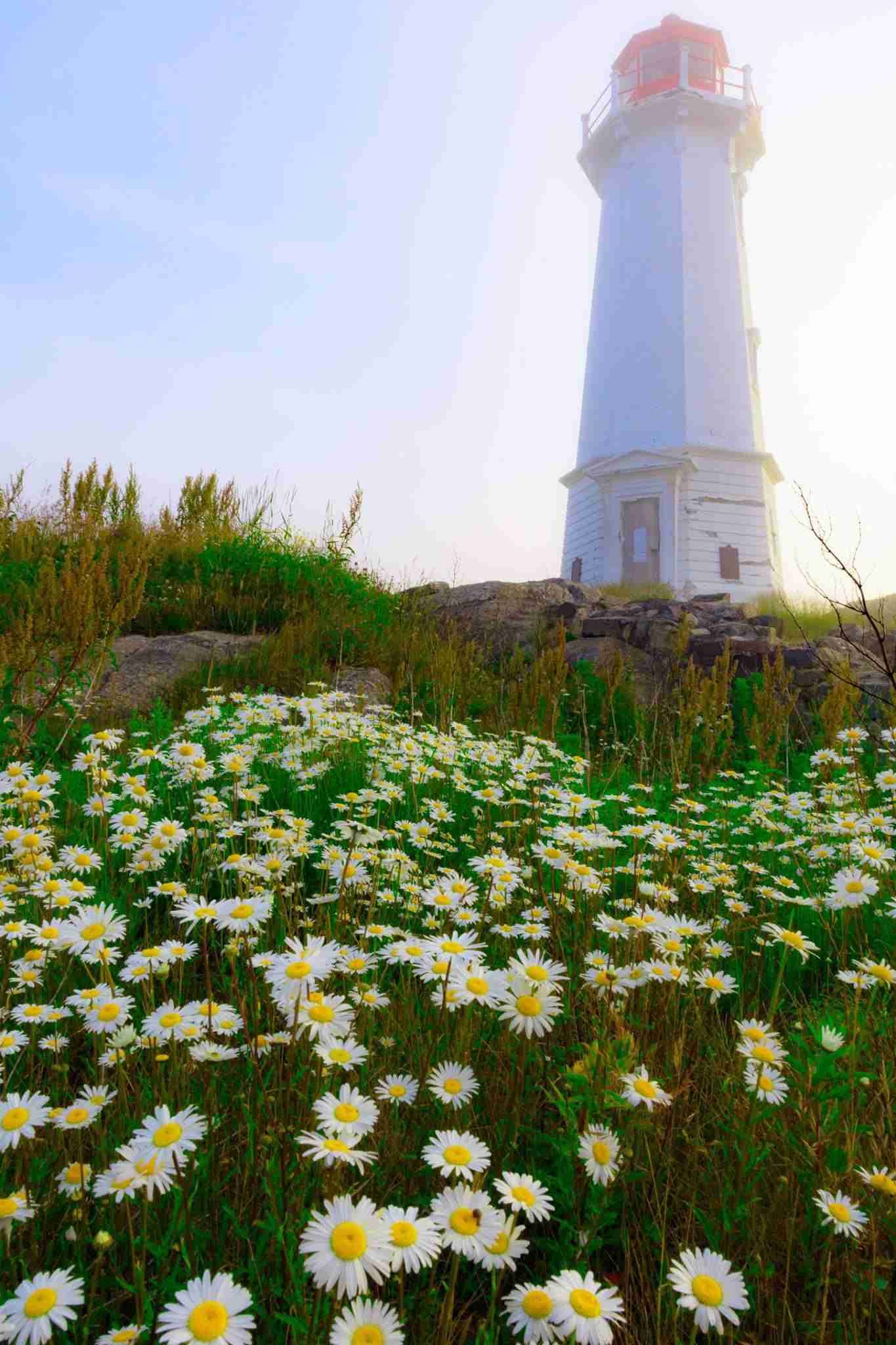
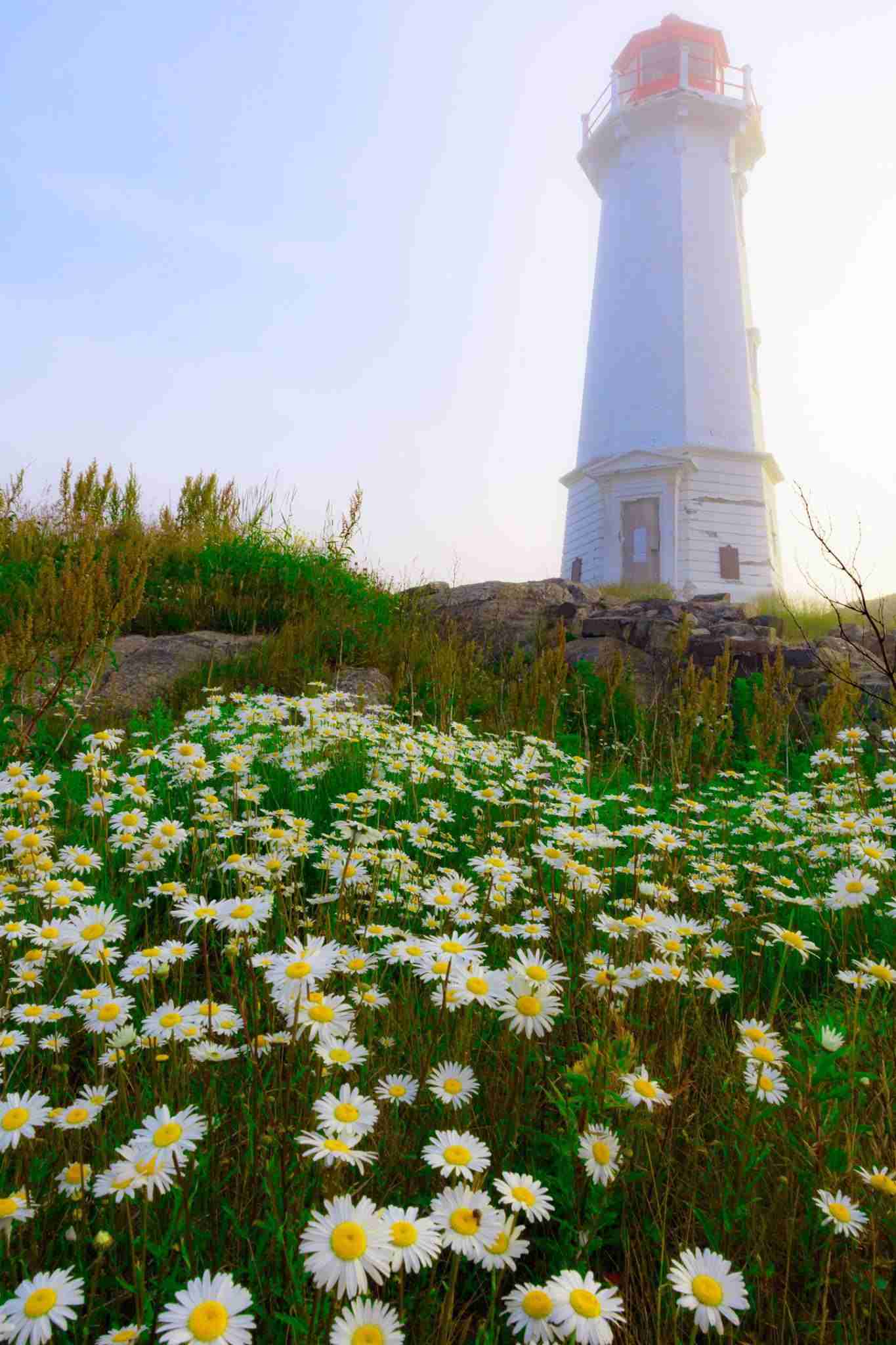
Standing proudly along the rugged coastline of Cape Breton Island, the Louisbourg Lighthouse is one of Nova Scotia's most picturesque maritime landmarks. Overlooking the entrance to Louisbourg Harbour, this historic lighthouse offers dramatic ocean views, rocky shorelines, and a stunning backdrop of crashing waves and open sky. As the site of Canada's first lighthouse, originally built in 1734, Louisbourg Lighthouse is a perfect blend of history and natural beauty, making it an irresistible subject for photographers capturing seascapes, sunsets, and stormy skies.
Best Photography Opportunities
• Sunrise and Sunset Over the Atlantic
– The lighthouse's position on the eastern shore makes it an ideal location for both sunrise and sunset photography. In the morning, soft pastel hues illuminate the structure, while in the evening, golden light casts long shadows over the rocky coastline.
• Dramatic Coastal Seascapes
– The surrounding cliffs and jagged rocks provide excellent foreground elements for moody and powerful ocean photography. Long exposure techniques can create silky-smooth water effects, adding a dreamlike quality to the waves.
• Stormy and Foggy Conditions
– The ever-changing weather along Nova Scotia's coast provides incredible opportunities for atmospheric shots. Thick fog rolling in from the Atlantic creates a mysterious and moody effect, while stormy skies and crashing waves bring energy and drama to compositions.
• Reflections in Tidal Pools
– During low tide, small pools of water along the rocky shoreline create beautiful reflections of the lighthouse. Using these as foreground elements can add depth and symmetry to your shots.
• Close-ups of the Lighthouse
– The bright white tower with its contrasting red top stands out beautifully against the deep blues and grays of the ocean. Focusing on details such as the lighthouse door, railings, or the texture of the exterior walls can make for compelling compositions.
• Wildflowers and Coastal Landscapes
– In the summer months, the area around the lighthouse is dotted with wildflowers, adding vibrant pops of color to landscape shots. Including these in the foreground creates a striking contrast with the stark maritime surroundings.
Best Time to Visit
The best time to photograph the Louisbourg Lighthouse is during the golden hours of sunrise and sunset, when the warm light enhances the textures of the rocks, water, and lighthouse itself. Summer and early autumn provide the best conditions, with lush coastal vegetation and active marine life. Winter offers dramatic storm scenes and snow-covered landscapes, adding a unique perspective. Overcast and foggy days can also enhance the sense of isolation and mystery, making for compelling moody shots.
How to Get There
Louisbourg Lighthouse is located just outside the town of Louisbourg, Nova Scotia, about 40 minutes from Sydney. It is easily accessible by car via Havenside Road, with a small parking area near the lighthouse site. A well-maintained walking trail leads visitors to the lighthouse and nearby coastal viewpoints. The area is free to visit, and visitors are encouraged to explore the scenic hiking paths that provide additional perspectives of the lighthouse and coastline.
Exploring Louisbourg Lighthouse and the Surrounding Area
Beyond the lighthouse itself, the surrounding coastline offers breathtaking views of the Atlantic and the Fortress of Louisbourg in the distance. The Louisbourg Lighthouse Trail follows the rugged shoreline, offering dramatic viewpoints of crashing waves, hidden coves, and diverse birdlife. The nearby town of Louisbourg provides additional maritime photography opportunities, including historic fishing wharves, boats, and charming coastal homes.
Nearby Photography Locations
• Fortress of Louisbourg
– This reconstructed 18th-century French fortress is one of Canada's most impressive historical sites. The massive stone walls, costumed reenactors, and oceanfront setting make for incredible history-infused photography.
– A secluded beach with rolling dunes and crashing waves, Kennington Cove is an excellent location for seascape photography. The natural beauty of the cove changes with the tides and weather, offering dynamic compositions.
– Located near Glace Bay, this historic site marks the location of the first transatlantic wireless signal. Its coastal setting, combined with remnants of Marconi's experiments, provides unique history-meets-landscape photography opportunities.
– The largest town on Cape Breton Island, Sydney's waterfront features fishing boats, harbor reflections, and a lively boardwalk perfect for capturing maritime culture and coastal life.
– One of the most famous scenic drives in the world, the Cabot Trail winds through Cape Breton Highlands National Park, offering jaw-dropping cliffs, mountain views, and ocean panoramas that are a must for any landscape photographer.
Louisbourg Lighthouse is more than just a historical beacon—it's a stunning photographic destination that showcases the rugged beauty of Nova Scotia's coastline. Whether capturing it under fiery sunset skies, framed by crashing waves, or wrapped in Atlantic fog, this lighthouse offers endless inspiration for photographers seeking the perfect maritime scene.
Comments
Loading comments…