
Bishops Rock, Cape Bridgewater: A Photographer's Guide
Bishops Rock, located at Cape Bridgewater in Victoria, Australia, is a dramatic coastal formation surrounded by rugged cliffs and the powerful Southern Ocean. This remote and breathtaking location offers photographers a chance to capture raw, untamed landscapes, where towering rock formations meet crashing waves under ever-changing skies. The contrast between the rugged coastline, swirling ocean, and shifting light makes Bishops Rock an ideal destination for seascape photography, especially during sunrise and sunset.
Best Photography Opportunities
• Cliffside Views and Rock Formations
– The towering limestone cliffs provide excellent vantage points for photographing Bishops Rock against the backdrop of the vast ocean. The jagged edges of the rock, combined with the swirling waters below, create a striking contrast, especially when captured from elevated perspectives.
• Long-Exposure Seascapes
– Using a neutral density (ND) filter, photographers can smooth out the motion of the waves crashing against the rocks, creating a mist-like effect that adds an ethereal quality to the scene. This technique works especially well in low-light conditions during sunrise or sunset.
• Sunset and Golden Hour Glow
– The warm hues of the setting sun bring out the rich textures and tones of the cliffs and ocean. The golden light highlights the ruggedness of Bishops Rock, while the soft shadows enhance depth and dimension in compositions.
• Stormy and Moody Weather Photography
– Cape Bridgewater is known for its unpredictable coastal weather, which can add dramatic elements to photography. Dark storm clouds rolling in from the ocean, powerful waves, and misty sea spray create intense and atmospheric images.
• Drone Photography
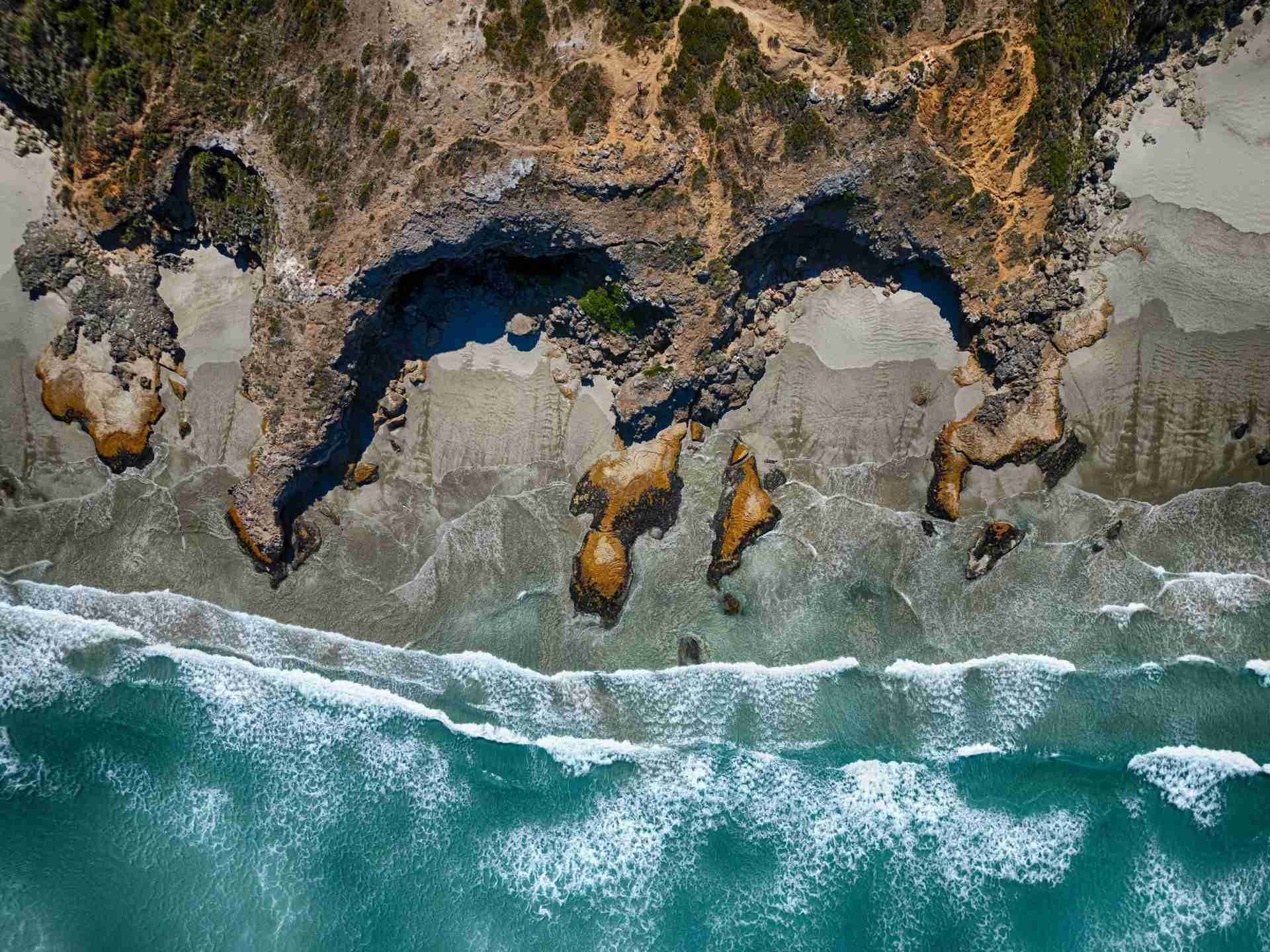
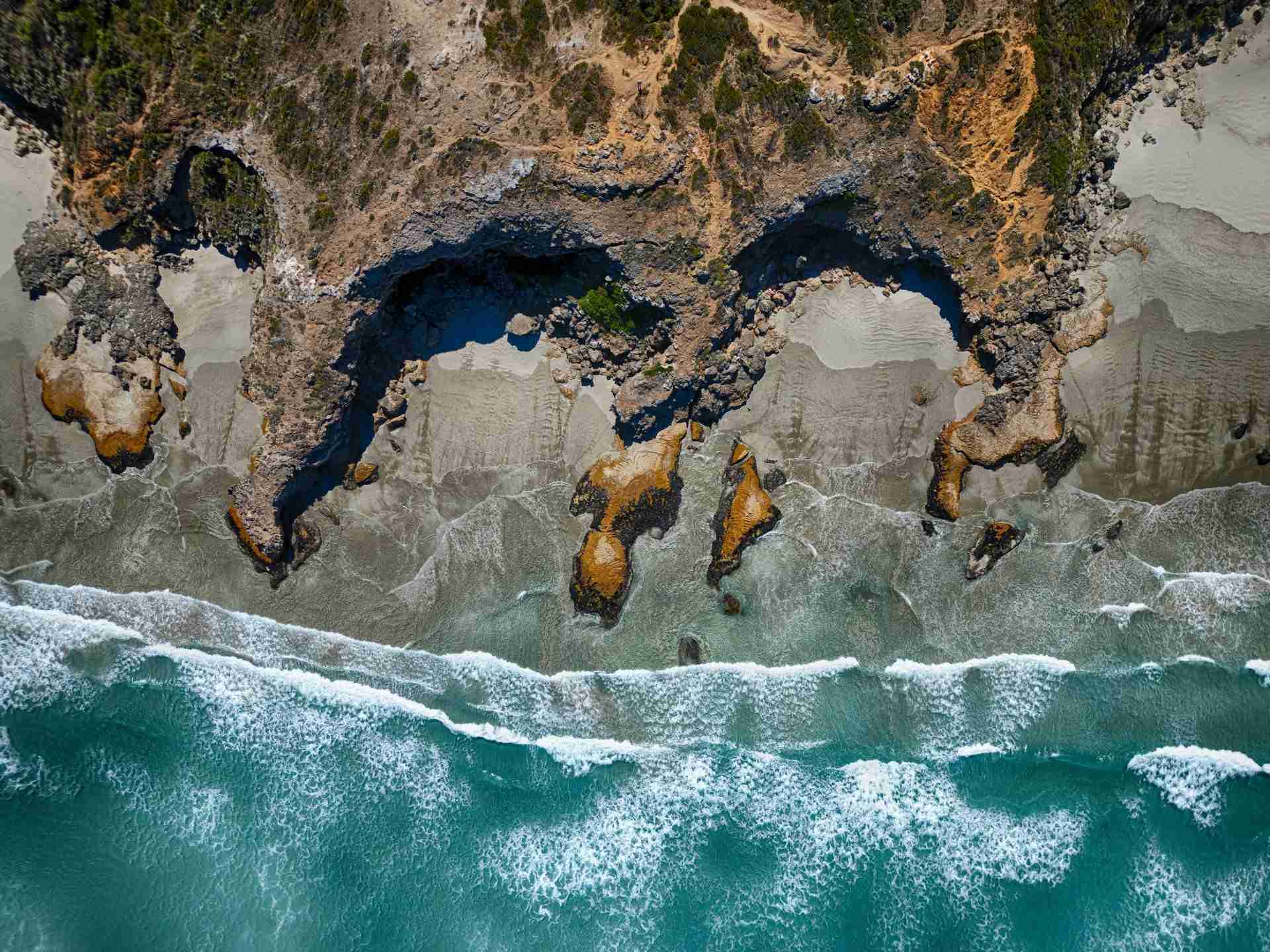
– Capturing Bishops Rock from above provides a completely new perspective, showcasing the full scale of the cliffs and the swirling ocean currents below. Aerial shots allow photographers to highlight the intricate patterns of the waves, the rugged coastline, and the remote beauty of the location. When flying a drone, it is important to check local regulations and be mindful of strong coastal winds.
Best Time to Visit
Bishops Rock is photogenic year-round, but the best conditions for photography depend on the desired atmosphere. Summer (December to February) provides clear skies and vibrant colors, while autumn and winter (March to August) bring more dramatic weather, with stormy seas and moody lighting. Sunrise and sunset offer the best lighting conditions, casting warm tones over the cliffs and ocean while creating long, dramatic shadows. Early mornings also provide a quieter and more peaceful experience, with fewer visitors and softer natural light.
How to Get There
Bishops Rock is located within Cape Bridgewater, approximately 20 kilometers west of Portland, Victoria. The site is accessible via a scenic coastal drive along Bridgewater Road. There is a small parking area near the walking trails that lead to the viewpoint overlooking Bishops Rock.
The hike to the best viewpoints is relatively short but involves uneven terrain, so sturdy footwear is recommended. The cliffs can be steep, and care should be taken when exploring near the edges, especially in windy conditions.
Exploring Bishops Rock and the Surrounding Area
Cape Bridgewater is one of Victoria's most stunning coastal locations, offering more than just the striking formations of Bishops Rock. The area features scenic walking trails, breathtaking ocean views, and a diverse range of landscapes, from limestone cliffs to windswept sand dunes.
For wildlife photographers, the Cape Bridgewater Seal Colony offers the opportunity to capture Australian fur seals basking on the rocks or playing in the surf. The colony can be observed from a cliffside lookout or via a boat tour that allows for closer encounters.
Nearby Photography Locations
(10 minutes away) – A natural wonder where waves force water through rock crevices, creating explosive sprays that contrast beautifully against the dark cliffs. The dynamic movement of water makes for captivating long-exposure shots, especially during high tide or stormy weather.
(5 minutes away) – A fascinating geological site featuring eroded limestone formations that resemble an ancient forest, offering unique textures and abstract compositions. The formations appear otherworldly, especially under soft morning or evening light, making them ideal for creative landscape photography.
• Cape Nelson Lighthouse
(30 minutes away) – A historic lighthouse set atop rugged coastal cliffs, providing excellent vantage points for dramatic seascapes. The contrast between the bright white tower and the deep blues of the ocean makes for striking images, particularly at sunset or during golden hour.
(20 minutes away) – A bustling waterfront area with fishing boats, piers, and coastal scenery, ideal for maritime and harbor photography. The reflections of boats in the water create compelling compositions, particularly in calm conditions or during the soft morning light.
(15 minutes away) – A picturesque walking trail through lush coastal vegetation, leading to scenic ocean viewpoints. The play of light filtering through the twisted trees adds a mystical quality to photos, especially when captured in foggy or early morning conditions.
Bishops Rock and Cape Bridgewater offer some of the most spectacular coastal scenery in Victoria, making them an incredible destination for landscape photographers. Whether capturing the drama of the waves, the textures of the cliffs, or the shifting moods of the sky, this location provides endless opportunities for stunning seascape photography.
Comments
Loading comments…