
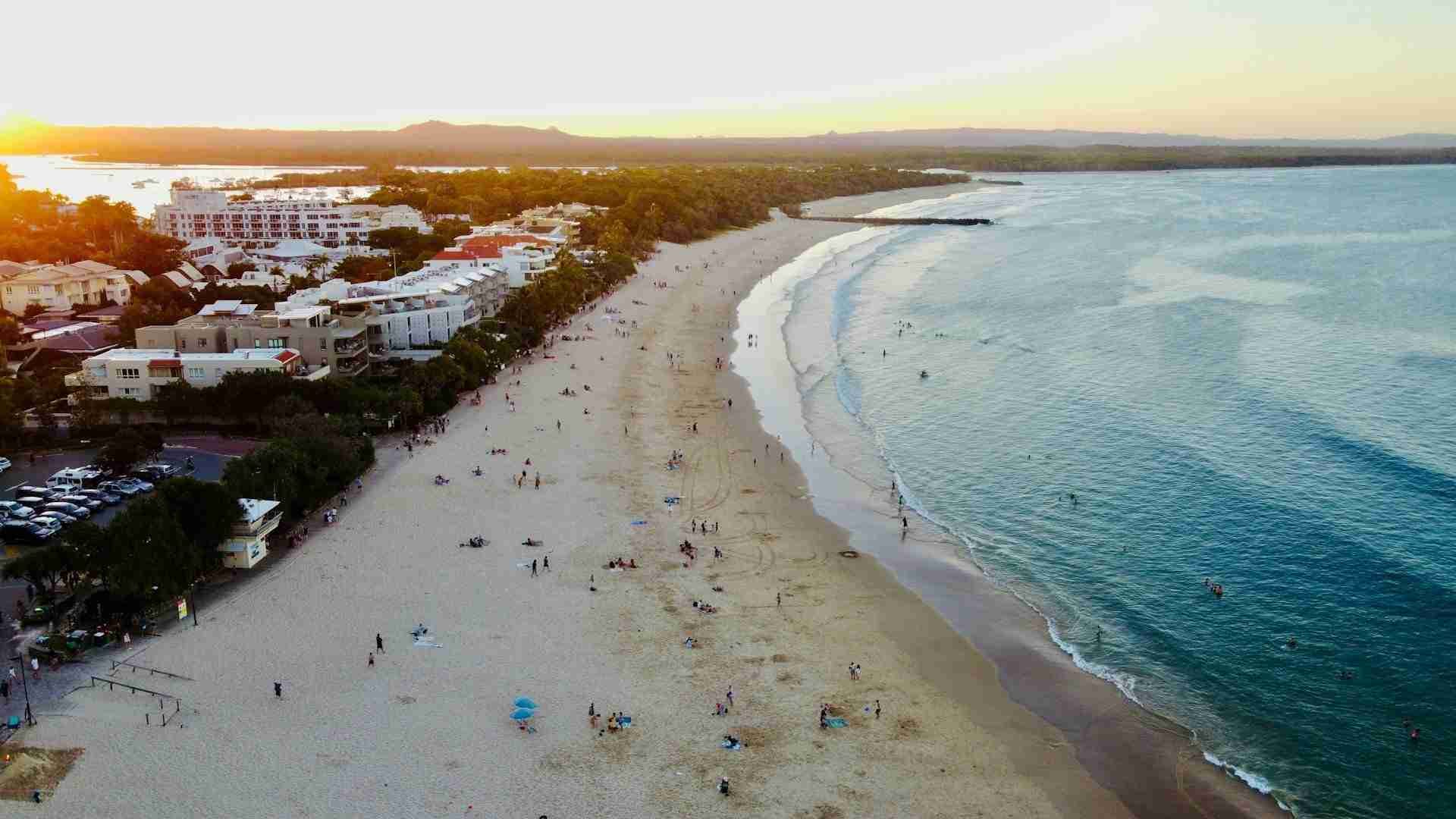
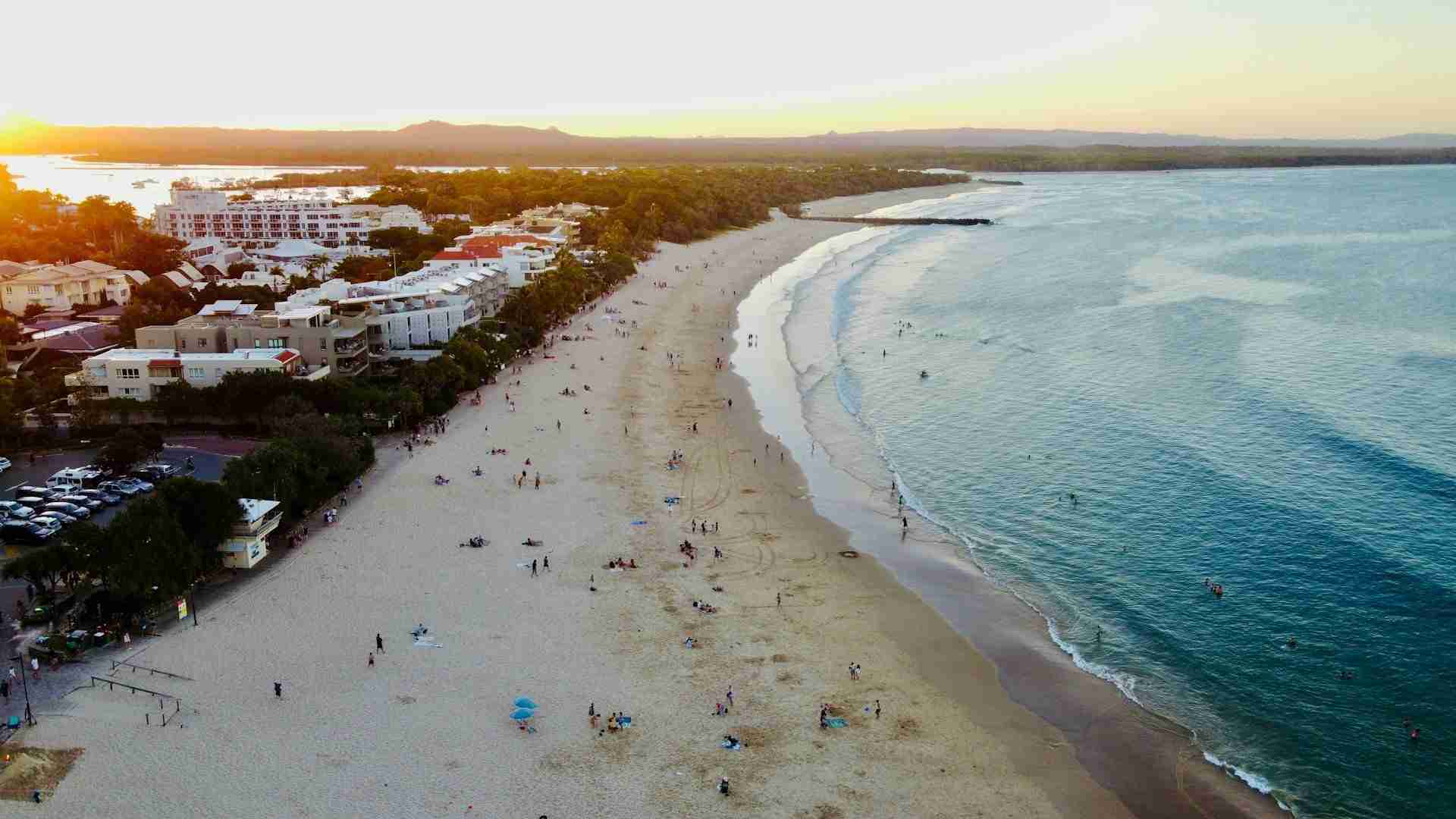
Framed by the headland forests of Noosa National Park and the boutique charm of Hastings Street, Noosa Heads Main Beach is one of Australia's most photographed stretches of sand—for good reason. Unlike many of Queensland's surf beaches, this north-facing shoreline is uniquely sheltered, offering calm waters, golden sand, and soft, glassy light that evolves beautifully from sunrise to dusk. Whether you're shooting tranquil beachscapes, intimate lifestyle portraits, or dynamic surf action, Noosa's main beach offers a well-balanced canvas of coastal serenity and vibrant seaside life.
Best Photography Opportunities
• Sunrise from the Eastern End of the Beach
Begin your day at the far eastern point of Main Beach, where the rising sun emerges behind the headland. Early light casts a warm glow across the sand and sea, with soft color gradients stretching over Laguna Bay. Compose with pandanus trees in the foreground or shoot low to catch wet-sand reflections and gentle wave motion. This is the ideal time for peaceful, minimalist beachscapes.
• Golden Hour Swimmers and Surf Silhouettes
In late afternoon, golden-hour light bathes the beach in rich, warm tones. Backlit swimmers, paddleboarders, and surfers create striking silhouettes against the glistening water. A 70–200mm lens is excellent for isolating these subjects with the sparkling ocean behind, especially just before sunset when the angle of light is low and warm.
• Lifestyle Portraits Against Dunes and Sea
The gentle slope of the beach and its softly textured dunes make for an excellent location for lifestyle and editorial portraiture. Frame subjects against the sea or use the natural vegetation—pandanus, she-oak, and beach grass—for depth and organic framing. Early morning or overcast light keeps skin tones soft and even.
• Aerial Compositions Over Laguna Bay
Drone photography is particularly rewarding at Noosa Heads, where the curvature of the beach, the gentle waves, and the forested headland all come together in harmonious shapes. Overhead views reveal swimmers, sandbars, and the full sweep of the bay. Aim for early morning or late afternoon to avoid midday glare and to make the most of shadow play on the water's surface.
• Twilight Reflections Along the Shoreline
After the sun sets behind the hinterland hills, the sky over the ocean glows in pastel blues, pinks, and purples. The wet sand reflects this soft palette, especially in the minutes just after sunset. Long exposures during this time smooth out wave action and heighten the tranquil feel, with surfers or walkers adding scale and narrative to the scene.
Best Time to Visit
Noosa Heads Main Beach is photogenic year-round, thanks to Queensland's temperate coastal climate, but conditions and character shift subtly with the seasons. Winter (June to August) offers crisp air, clear skies, and fewer crowds—perfect for early morning seascapes and twilight serenity. The north-facing orientation means it's sheltered from strong winds and heavy surf, making conditions consistent and manageable even on brisk mornings.
Spring and autumn provide the best balance of light, warmth, and local activity. During these seasons, skies often feature dynamic cloud formations that catch sunset color beautifully, and the soft morning mist occasionally drapes the treetops around the headland—ideal for atmospheric wide-angle shots.
Summer (December to February) brings more vibrancy and movement: bustling beaches, active surf, and dynamic street scenes along Hastings Street. Shoot early in the day or at twilight to avoid the high-sun glare and denser crowds. Golden hour is especially rewarding for lifestyle and street-meets-beach photography during this time.
Light changes quickly along the coast. Sunrise shoots are best begun 30 minutes before first light to capture the full gradient of color, while sunset compositions should continue well into twilight for soft sky-glow and longer exposures.
How to Get There
Noosa Heads is located on Queensland's Sunshine Coast, approximately 90 minutes by car north of Brisbane. Main Beach is easily accessible via Noosa Parade, which connects with the central hub of Hastings Street. Paid parking is available near the beach and along adjacent streets, though spots fill quickly during weekends and holiday periods.
For photographers carrying heavier gear or visiting during early hours, it's worth arriving before sunrise to secure parking and scout your preferred shooting location. The beach is level and accessible from multiple entry points, including boardwalks and ramped paths.
Public restrooms, showers, and shaded seating are available along the foreshore, making extended shoots comfortable and practical. A small tripod or monopod is useful for long exposures at twilight, and ND filters can help with smoothing wave action or balancing exposure between sky and water.
Exploring the Surrounding Area
Just east of Main Beach, the coastal trails of Noosa National Park
provide exceptional cliffside views, forest backdrops, and secluded coves like Tea Tree Bay and Granite Bay. These headland tracks offer a more rugged coastal aesthetic, with crashing waves, pandanus silhouettes, and elevated vantage points perfect for sunrise or golden-hour compositions.
West of the beach, the Noosa River estuary opens into a calm, winding waterway bordered by mangroves and sandbars. Ideal for peaceful drone footage or long-lens wildlife photography, the estuary offers a contrast to the open beach—particularly beautiful at dusk when boats and paddleboarders return under fading light.
The bustle of Hastings Street itself adds an urban flair to your shoot: café terraces, boutique storefronts, and evening crowds framed by tropical landscaping and fairy-lit trees. Pairing beach and street shots gives a complete visual narrative of Noosa's unique coastal character.
Nearby Photography Locations
A short walk east through Noosa National Park, this secluded cove is framed by rocky outcrops and pandanus trees. Excellent for sunrise compositions, especially with surfers waiting in glassy early-morning swells.
Just a few minutes' drive from Hastings Street, this elevated viewpoint offers panoramic views over Noosa Heads, the river, and the coastline. Best at sunrise or during twilight when the lights of town begin to glow.
• Noosa River Estuary and Noosaville Jetty
West of Main Beach, the calm waters of the river reflect pastel skies and moored boats at sunset. Perfect for long exposures, drone work, or minimalist compositions with reeds and riverbanks in soft light.
Located on the other side of the headland, this more exposed beach offers dramatic surf and cliffside views. Ideal for dynamic wave photography and high-energy coastal scenes, especially during sunrise.
A short drive inland, this rocky viewpoint offers sweeping views across the hinterland toward the coast. Best shot at sunset when the golden light skims across the hills and river valleys.
Noosa Heads Main Beach is a rare blend of gentle beauty and lively rhythm—where light dances on calm waters, surfers glide through golden reflections, and each corner of the shoreline offers a new composition. For photographers, it's not just a beach—it's a constantly shifting stage of light, life, and effortless coastal grace. Whether you're crafting moody seascapes, vibrant lifestyle scenes, or quiet studies of water and sand, Noosa gives you everything the lens could ask for—wrapped in the warmth of Queensland sun.
Comments
Loading comments…