
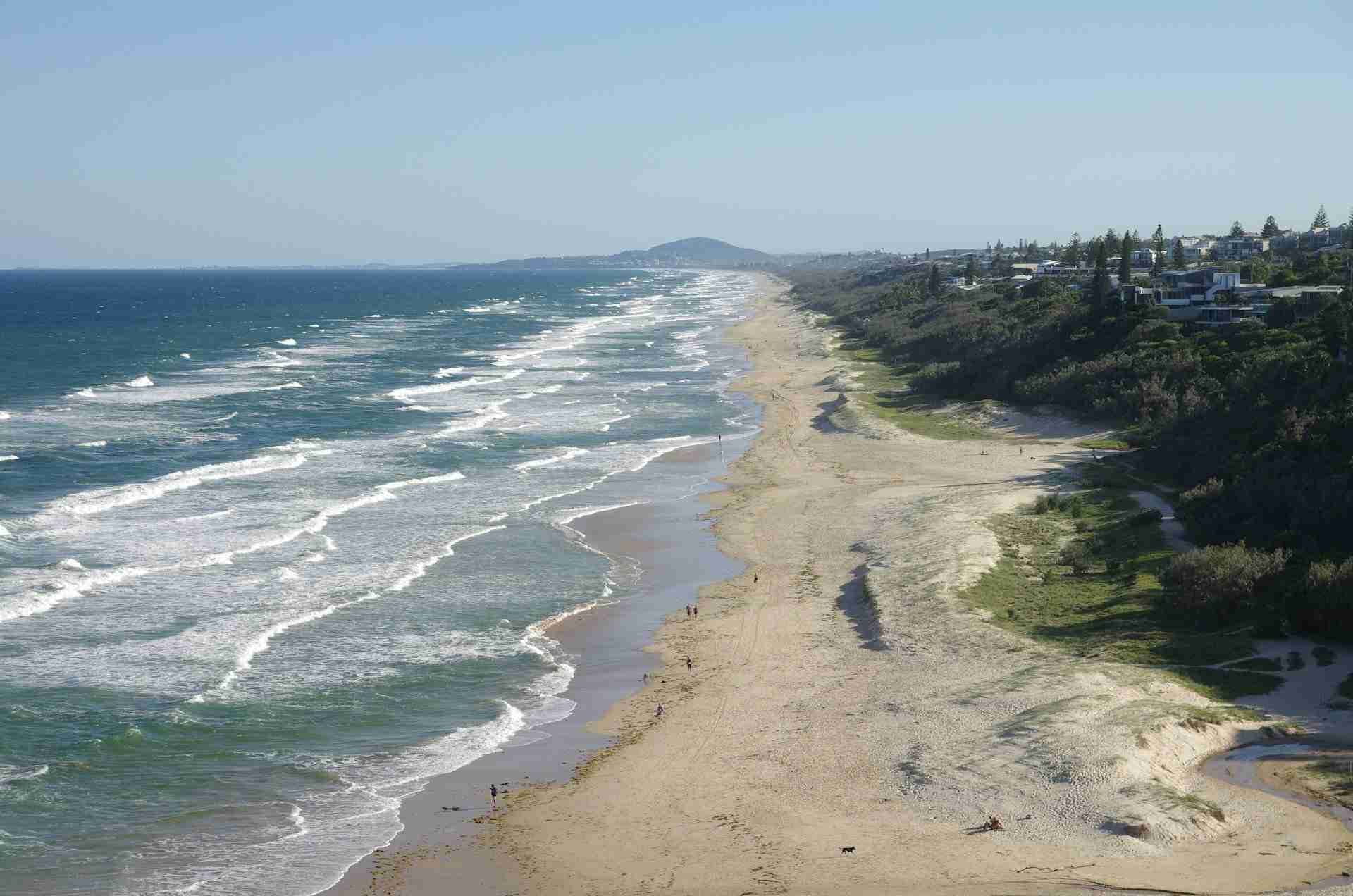
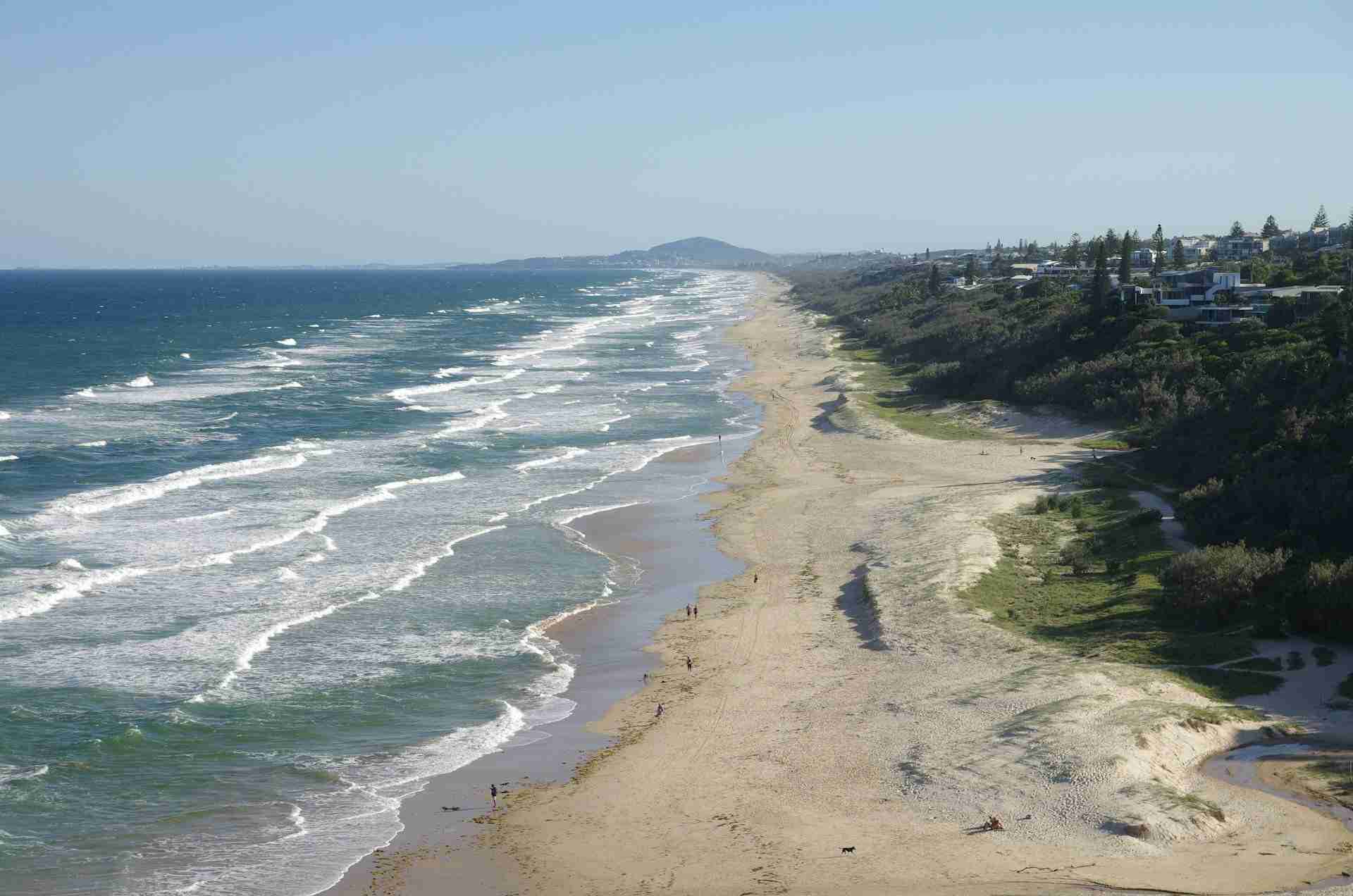
Tucked along the southeastern boundary of Noosa National Park, Sunshine Beach offers a more rugged, dramatic counterpoint to the calm waters of nearby Main Beach. This expansive, surf-facing shoreline stretches southward into open ocean, framed by steep forested headlands, wind-sculpted dunes, and exposed rock formations. Known for its crashing surf, golden light, and untamed coastal atmosphere, Sunshine Beach is a haven for photographers looking to capture the raw energy of the Pacific along with the quieter moods of sunrise, sea mist, and solitude. Whether you're chasing breaking waves, golden-hour silhouettes, or elevated vistas from the nearby clifftop trails, Sunshine Beach delivers with scale and cinematic intensity.
Best Photography Opportunities
• Sunrise from the Northern Headland Entry
The beach faces east-southeast, which means sunrise emerges directly over the ocean for much of the year. From the elevated platform at the northern end—just before the trail into Noosa National Park—you can shoot down the length of the beach as the first light hits the waves. Compose with sweeping shoreline curves, layered dunes, and long shadows trailing inland. A wide-angle lens captures the full breadth of beach and sky.
• Breaking Surf and Swell Action from the Shoreline
Sunshine Beach is renowned for its consistent, powerful surf. Use a telephoto lens (200mm and up) to isolate wave forms, surfers, or dramatic water textures in strong directional light. Morning light from the northeast casts long highlights across the swell, while low tide reveals wet sand and tide pools for layered compositions.
• Golden Hour Portraits and Lifestyle Shots in the Dunes
The gently sloping dunes behind the beach are dotted with she-oaks, grasses, and scattered logs—perfect for portrait sessions in natural light. Shoot back toward the headland to catch the warm afterglow of sunset, using the pale vegetation and golden sand to reflect soft tones on your subject. These scenes work beautifully with a 35mm or 85mm lens for an intimate, editorial style.
• Moody Minimalist Shots with Mist or Overcast Skies
Sunshine Beach comes into its own during stormy or overcast weather, when the ocean turns steel-blue and the horizon blurs into sky. Use longer exposures with ND filters to smooth the waves and focus on solitary walkers, driftwood, or footprints in the sand. Black-and-white or desaturated editing styles enhance the austere, windswept feel.
• Overhead or Aerial Views of the Beachline
With its long, uninterrupted stretch and striking headlands, Sunshine Beach is excellent for drone photography (where permitted). From the air, you can highlight the contrast between forested cliffs, rolling dunes, and turquoise surf, especially during low tide when sandbars and ripples become visible beneath the surface.
Best Time to Visit
Sunshine Beach is most photogenic in the early morning, especially for those chasing sunrise color and side-lit wave patterns. From spring through autumn, the beach catches the rising sun cleanly over the ocean horizon, with warm light raking across the dunes and reflecting in the wet sand.
Golden hour just before sunset is equally rewarding, particularly for backlit compositions and silhouettes. The beach tends to quiet down by this time, offering more solitude and a softening of the light that suits both landscape and lifestyle photography.
Autumn and winter bring crisp air, high-contrast light, and fewer crowds—making it easier to shoot long exposures or isolate subjects. Cloudy and misty mornings are frequent in these seasons and often result in deeply atmospheric conditions along the beach and trails.
During summer, early morning is best to avoid harsh midday light and heat. This is also the time when the surf is most active and beach life is at its liveliest—ideal for candid lifestyle shots and dynamic surf scenes.
How to Get There
Sunshine Beach is located just a few minutes' drive southeast of Hastings Street in Noosa Heads. From town, take Sunshine Beach Road until you reach Duke Street, which leads directly to the beach's main entrance and parking area. Public transit also services the area regularly from Noosa Junction.
Ample parking is available near the main beach access, though it fills quickly during weekends and holidays. For access to the northern headland views and National Park trails, continue past the surf club to the stairway leading up toward Noosa National Park's coastal track.
The beach is open and accessible year-round. Tripods are easy to set up on the wide, flat sand, and the dunes offer natural shelter from wind if shooting with longer exposures. Be cautious with gear in high surf or blowing sand, especially on windier days.
Exploring the Surrounding Area
From the northern end of Sunshine Beach, you can connect directly to the Noosa National Park Coastal Track, one of the region's most rewarding scenic walks. This trail offers elevated views back over Sunshine Beach, along with access to Tea Tree Bay, Dolphin Point, and beyond—each location offering different compositions of rock, sea, and forest.
The beach's southern stretch becomes progressively quieter and more remote, with fewer buildings and more pristine natural dunes. It's an excellent area for photographing unspoiled coastal landscapes and wildlife such as sea birds, crabs, or even dolphins offshore.
Just behind the dunes, Sunshine Beach village offers a quieter, low-rise contrast to Hastings Street, with minimalist architecture, leafy laneways, and relaxed cafés—ideal for urban-lifestyle photography or pairing human interest with coastal scenes.
Nearby Photography Locations
This trail winds north from Sunshine Beach to Hell's Gates and beyond, offering cliff-edge views, tidal rock formations, and pockets of rainforest. Ideal for wide landscape shots, long-lens wave studies, and wildlife encounters with koalas or sea eagles.
A short hike into the park, this cove is framed by pandanus trees and boulders, making it one of the best sunrise and golden-hour spots in the region. The rock pools and clear waters create a tropical aesthetic, especially at low tide.
• Duke Street and Village Laneways
Just inland from the beach, these relaxed residential streets and local cafés offer urban contrast to coastal photography. Look for modern Australian design, shadowplay, and relaxed moments between beach and street.
For more tranquil, north-facing light and family-friendly scenes, head back over the headland to Main Beach. Its calm waters and reflective sand work especially well for pastel-toned sunrises and wide-angle minimalist shots.
A wilder, often less-crowded beach just north of Hell's Gates, "A-Bay" is perfect for dramatic long-lens compositions of surf, rock cliffs, and expansive shoreline under wide skies.
Sunshine Beach is where the gentle order of Noosa's resort town gives way to something more elemental—wind, wave, and wild light sculpting a coastline that's raw and resolute. For photographers, it's a place of contrasts: vast and intimate, dramatic and serene. Whether you're composing dynamic surfscapes at dawn, seeking solitude in the dunes, or capturing golden silhouettes as the day fades, Sunshine Beach offers a powerful visual palette at the edge of Queensland's wild coastal beauty.
Comments
Loading comments…