
Just south of Vienna lies Laxenburg Castle Park, a sprawling landscape filled with landscaped gardens, reflective lakes, Gothic architecture, and winding forest paths. Once the summer residence of the Habsburgs, this expansive park blends natural beauty with architectural drama, offering photographers a diverse range of subjects in a serene setting. At the heart of the park sits Franzensburg Castle, built on an artificial island and surrounded by still water that captures perfect reflections on calm days. Whether you're photographing long tree-lined alleys, the castle's dramatic stonework, or the quiet in-between moments of birds and foliage, Laxenburg Castle Park invites a slow, thoughtful approach to visual storytelling.
Best Photography Opportunities
• Franzensburg Castle Reflections
The park's most famous feature, Franzensburg Castle, sits at the center of the lake and is best photographed from across the water. Early mornings often bring stillness that allows for mirror-like reflections of the castle and surrounding trees. A mid-range zoom or standard lens works well for framing the entire structure and its reflection. Golden hour light from the east or west creates soft color contrast between the warm stone and cool water. Including foreground elements such as reeds, benches, or overhanging branches adds depth and anchors the composition.
• Gothic Revival Details and Interior Courtyard
Franzensburg Castle also features pointed arches, decorative towers, and sculptural details that reward close inspection. The inner courtyard is accessible during open hours and provides a chance to photograph ornate architectural features and old stone textures under soft, shaded light. A telephoto lens or macro lens helps isolate carvings and subtle surface wear. Overcast days are ideal for reducing contrast and highlighting the rich patterns in the stonework. These shots work well as studies in shape, light, and form that complement broader landscape images.
• Tree-Lined Avenues and Seasonal Canopy
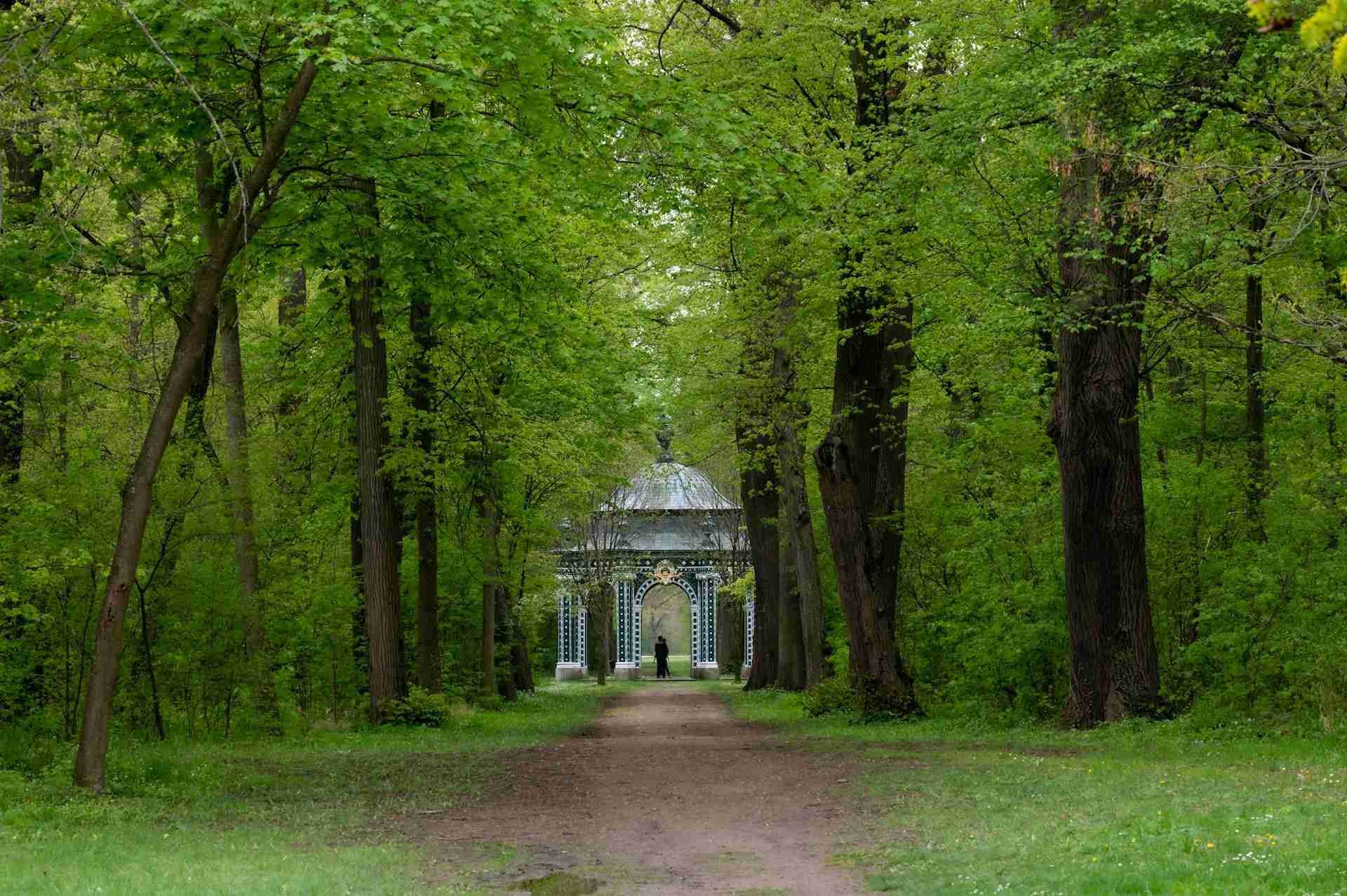
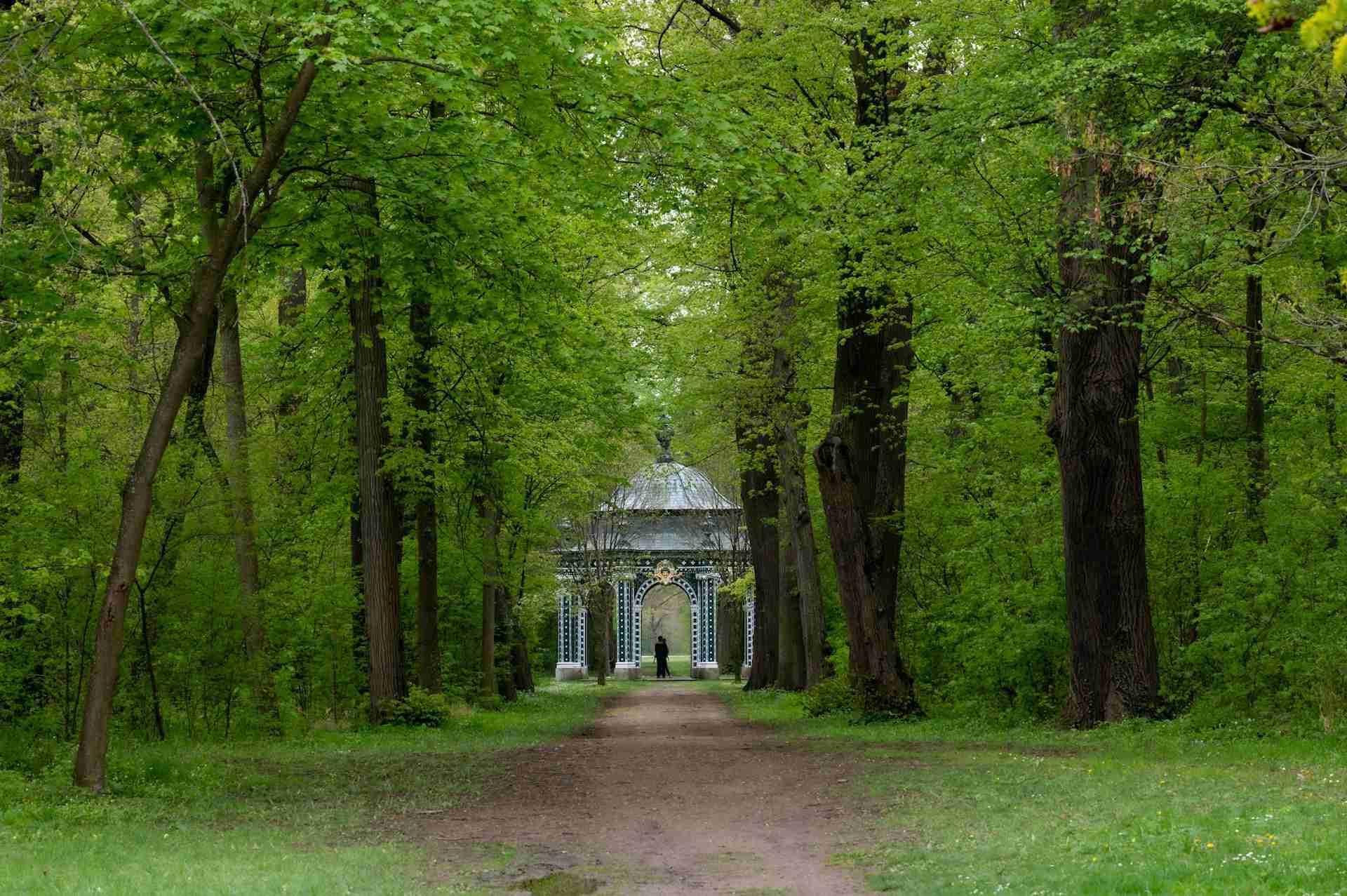
Long, straight walking paths framed by tall trees cut through the park and change dramatically with the seasons. In spring and summer, leafy green tunnels create natural frames and rhythmic shadows across the ground. In autumn, golden and red foliage transforms the same paths into high-contrast, color-rich compositions. Shooting with a wide-angle lens from a low position enhances the depth and perspective of these tree tunnels. These areas are particularly effective when shot under diffused light or at times when dappled sunlight filters through the canopy.
• Boat Photography from the Lake
Visitors can rent rowboats to circle the castle island, offering unique vantage points that are otherwise inaccessible from shore. From the water, it's possible to photograph the castle's angles and reflections without modern intrusions. A waterproof bag and a stabilized zoom lens are helpful for this type of photography. Shooting later in the afternoon allows for soft side light that contours the castle's stone surfaces while still catching sky detail in the water. Capturing wake ripples or oars in the frame adds a sense of presence and activity to these scenes.
• Wildlife and Waterfowl Along the Shoreline
The park is home to ducks, swans, and occasional herons that can be found along the quieter parts of the lake. These natural elements make excellent subjects, especially when framed with the castle in the background or reflected in the water. A telephoto lens allows for detailed shots without disturbing the animals. Golden hour is the best time for both light and activity. Patience is important, as birds often move in and out of ideal positions, but when timed right, these moments add life and motion to the otherwise still landscape.
Best Time to Visit
Laxenburg Castle Park is open throughout the year, and each season offers different visual opportunities. Spring brings blooming trees, bright greens, and cool air that keeps the lake misty in the morning. Summer offers long days and rich foliage, perfect for warm, vibrant shots. Autumn is especially photogenic, with changing leaf color transforming the entire park into a patchwork of yellow, orange, and red. Winter is quieter, with leafless trees and fog creating moody, minimal compositions. Snowfall turns the park into a monochrome scene that highlights the structure and shape of both the castle and the trees.
Early morning is the most rewarding time for photographers, particularly around the lake, when the light is low and soft and the water is usually calm. Late afternoon provides warm directional light and long shadows, especially along forested paths and open lawns. Blue hour and night photography are possible around the castle area, though light levels are low and artificial lighting is limited. On cloudy or misty days, the park takes on a more subdued, introspective atmosphere that works well for close-up work and quiet compositions.
How to Get There
Laxenburg Castle Park is located in the town of Laxenburg, about 15 kilometers south of Vienna. It is easily accessible by car via the A2 motorway, with parking available just outside the park entrance. Visitors coming by public transport can take a train to Mödling or Wiener Neustadt and transfer to a local bus that stops near the park. The walk from the town center to the main gate is short and flat.
There is a fee to enter the castle park, and an additional fee is charged for visiting Franzensburg Castle or renting a boat. Tripods are permitted on the grounds, but interior photography in the castle may be restricted depending on ongoing exhibits. The paths around the park are well maintained, and most areas are accessible, though some routes near the lake can be muddy after rain. The park has restrooms, cafés, and shaded seating, making it a comfortable location for long photographic sessions.
Recommended Photography Gear
A standard zoom lens is the most versatile choice for photographing both the castle and broader landscape scenes. A wide-angle lens is useful for capturing tree-lined paths, open lawns, and interior courtyards. For wildlife, distant architectural details, or water-based compositions, a telephoto lens in the 70 to 200 millimeter range offers greater control and reach.
A tripod is highly recommended for early morning, late evening, and long-exposure work around the lake. A circular polarizer helps reduce reflections on the water and enhances sky and foliage color, especially on sunny days. A neutral density filter is useful for smoothing water surfaces or adding motion blur to boat scenes. A lightweight bag, water-resistant cover, and microfiber cloth are helpful for changing weather, particularly in spring and autumn when light rain or mist is common.
Nearby Photography Locations
Located just outside Vienna, Schönbrunn provides grand imperial architecture, baroque gardens, and sweeping hilltop views. Its symmetry and scale contrast well with the more intimate natural feel of Laxenburg.
The nearby town of Mödling features medieval castle ruins and hiking trails through forested hills. These offer quiet nature scenes and elevated viewpoints, particularly beautiful in autumn.
This former gypsum mine turned underground lake is a unique setting for low-light and texture-rich photography. Tours take visitors by boat through the tunnels, offering rare underwater reflections and industrial details.
Further north near the Danube, this grand monastery offers a combination of baroque interiors, ornate church architecture, and vineyard-covered hillsides. The mixture of interior grandeur and rural surroundings adds variety to a regional photo itinerary.
Overlooking Vienna and the Danube from the north, this elevated viewpoint offers dramatic panoramic shots, especially at sunset. It's a great location to end a day of photographing in and around Vienna.
Laxenburg Castle Park is a destination where natural beauty and historical architecture intersect in a calm, immersive environment. With water, woodland, and stone all within walking distance, it rewards photographers who slow down, observe changing light, and explore beyond the postcard view. Whether capturing reflections at dawn or intricate textures in the garden wall, every corner of the park offers the potential for strong, lasting images.
Comments
Loading comments…