
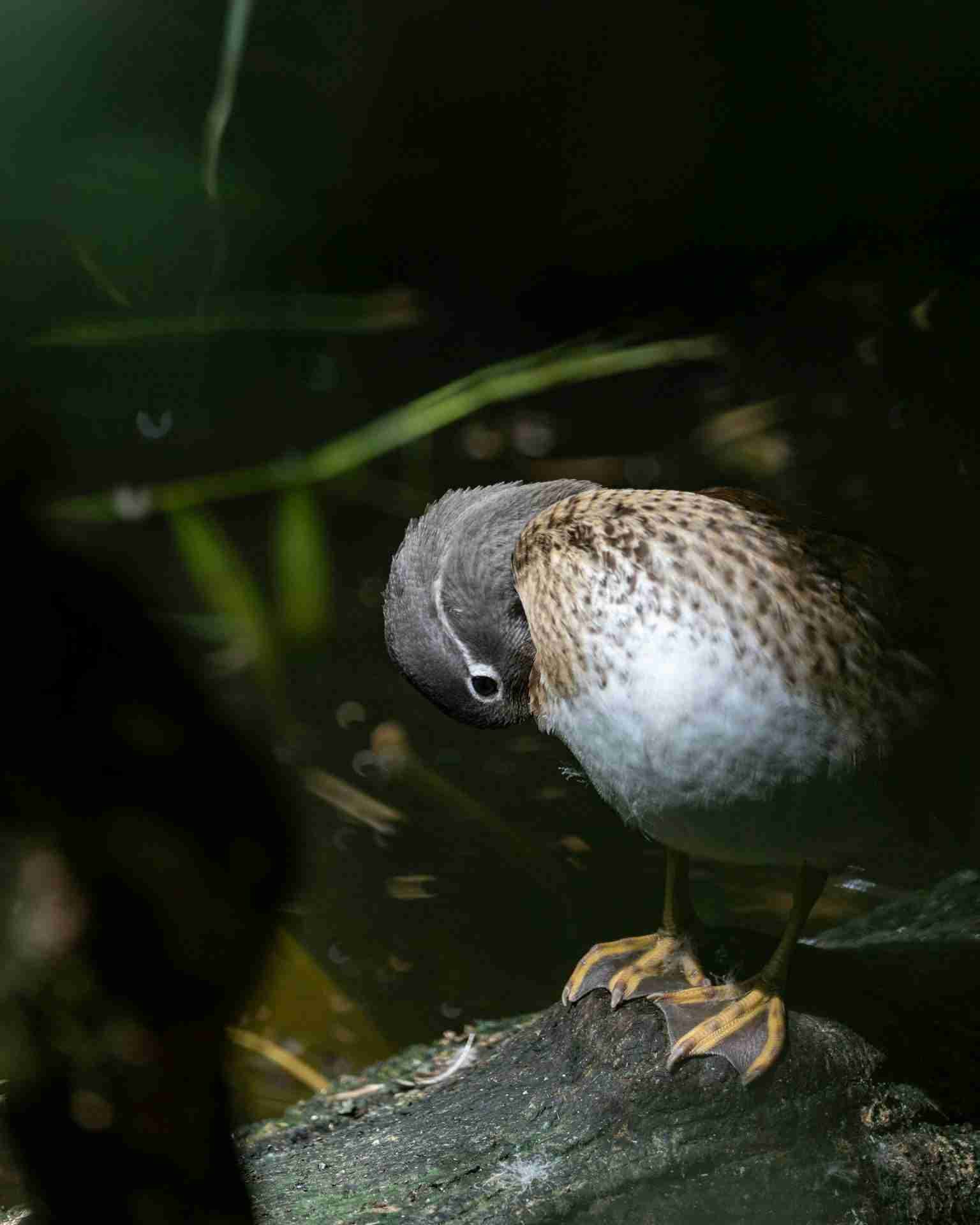
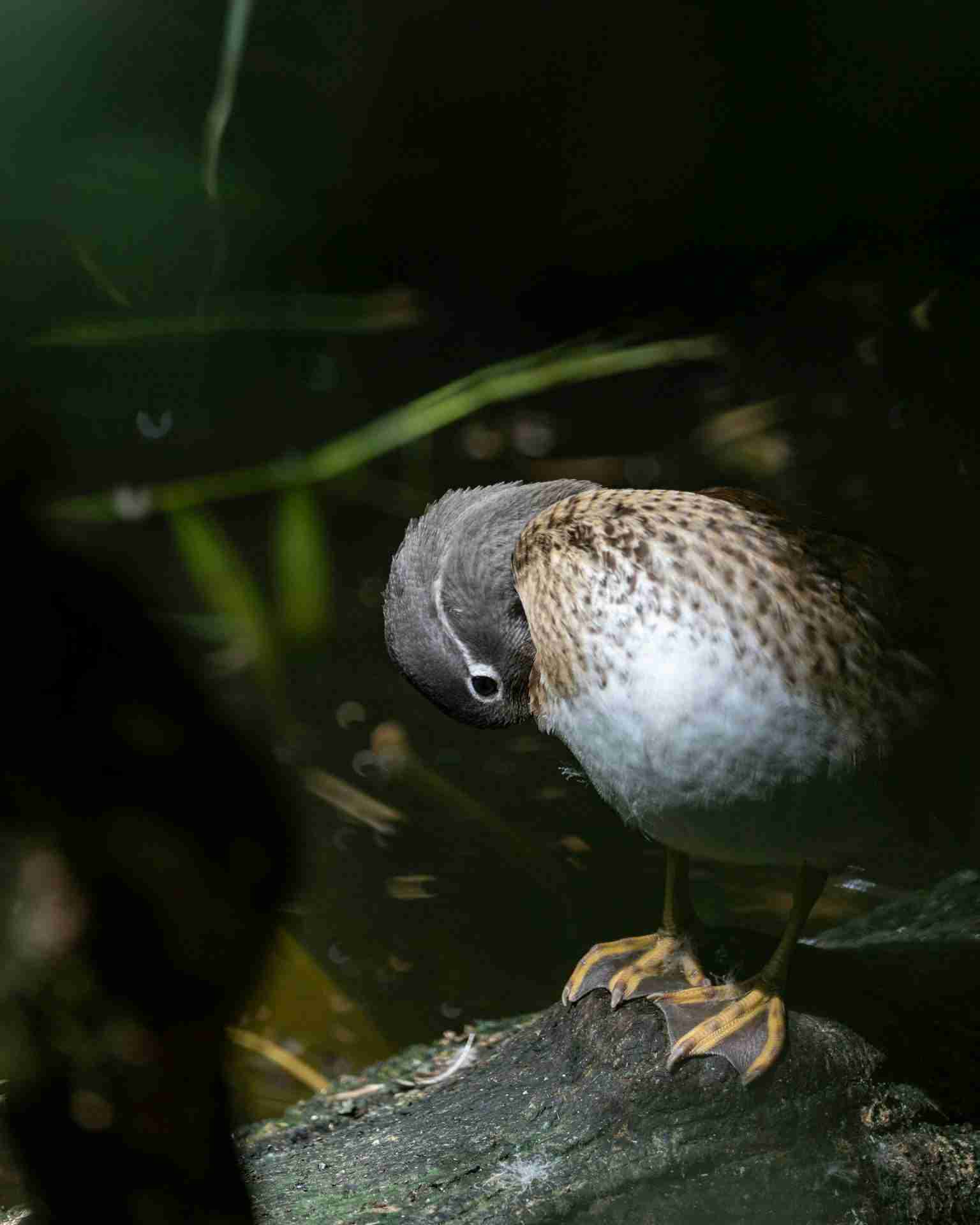
Located in the heart of the Dombes region of eastern France, Parc des Oiseaux is one of Europe's premier bird parks and an exceptional destination for photographers interested in avian subjects. Spanning over 35 hectares of wetlands, lakes, and landscaped habitats, the park is home to more than 3,000 birds representing nearly 300 species from every continent. From flamingos wading in reflective ponds to raptors soaring above the arena during flight shows, the opportunities here range from classic wildlife portraits to dynamic action photography. The carefully designed habitats provide naturalistic settings that feel authentic, while elevated walkways and hides allow photographers to approach quietly and work from advantageous angles. For anyone passionate about capturing the diversity, color, and behavior of birds, Parc des Oiseaux offers both creative inspiration and technical challenges.
Best Photography Opportunities
• Flamingo Lagoons and Reflection Studies
The flamingo enclosures are among the most striking areas of the park, with hundreds of birds gathered in shallow ponds that provide opportunities for wide environmental shots and detailed portraits. Their vibrant pink plumage reflects beautifully in the water, especially on calm mornings when the surface is still. Telephoto lenses capture elegant poses, while wider angles include groups framed against sky and vegetation. Overcast days are particularly effective here, softening light and avoiding glare on water. Long exposures with neutral density filters can add an abstract quality to reflections and movement in the water.
• Birds in Flight During Arena Shows
The park is famous for its flight demonstrations, where eagles, owls, vultures, and parrots soar directly above the audience. For photographers, these sessions offer a rare chance to practice action shooting with large, dramatic birds at close range. A fast telephoto zoom lens, quick autofocus, and high shutter speeds are essential to capture sharp wing positions. Positioning yourself at the edges of the seating area gives cleaner backgrounds of sky or trees. Shooting in burst mode increases the chance of freezing perfect wing spans or dynamic approaches. These shows provide images that would otherwise be nearly impossible in the wild.
• Close-Up Portraits of Exotic Species
Throughout the park, exotic birds from around the world can be photographed at close range, including hornbills, toucans, cranes, and macaws. The enclosures are designed with natural perches and backgrounds, making it possible to create portraits that feel authentic and free of distractions. A medium telephoto lens around 70 to 200 millimeters is ideal for these situations, offering both reach and the ability to blur backgrounds into soft bokeh. Paying attention to behavior—such as preening, feeding, or vocalizing—produces portraits with added personality. Morning light is often soft and directional, creating catchlights in the eyes and enhancing feather detail.
• Wetland Habitats and Local Species
Beyond the exotic collections, the park includes large wetland areas that attract native and migratory birds. These habitats are excellent for environmental photography, where herons, ducks, and other waterfowl can be seen in natural surroundings. Elevated hides provide vantage points for capturing wide scenes of birds in water and reed beds. Reflections, group behavior, and interactions between species create dynamic compositions. This area is particularly rewarding in spring and autumn when migration brings a greater diversity of species through the park.
• Macro and Detail Photography of Feathers and Behavior
One of the overlooked opportunities at Parc des Oiseaux is detail work. With so many species in close range, it is possible to focus on individual feathers, textures, or small behaviors like feeding or interaction between mates. A macro lens or close-focusing telephoto zoom makes it possible to capture these subtleties. Feathers in particular reveal striking patterns, from the iridescence of peacocks to the intricate barring of owls. These images add depth to a portfolio by highlighting the intricacy of avian design.
Best Time to Visit
Parc des Oiseaux is open from spring through autumn, with each season offering distinct photographic possibilities. Spring is one of the best times, as birds are in breeding plumage, behaviors such as nesting and courtship are at their peak, and light is often soft and balanced. Summer provides strong activity during the daily shows and excellent light early and late in the day, though mid-day heat can create harsh contrasts and busy crowds. Autumn brings migratory species to the wetlands and softer golden light that enriches plumage colors. Winter is quieter, though the park may be closed or limited in access. For daily timing, mornings are the most rewarding, with active birds, fewer visitors, and soft light. Late afternoon is also productive, particularly for warm backlighting and silhouettes. Cloudy or lightly overcast days are ideal for detail portraits, as they reduce glare and prevent harsh shadows on feathers.
How to Get There
Parc des Oiseaux is located in Villars-les-Dombes in the Ain department, about 35 kilometers northeast of Lyon. By car, it can be reached via the D1083, with parking available directly at the entrance. Public transport is also possible, with regional trains from Lyon to Villars-les-Dombes station, followed by a short taxi or walk to the park. Entry requires a ticket, which grants access to all exhibits and scheduled shows. Tripods and monopods are permitted in most outdoor areas, though they may not be practical in busy zones or seating areas during flight demonstrations. Drones are not allowed. Food and amenities are available on-site, making it easy to spend a full day exploring and shooting. Plan to arrive early if you wish to photograph in quieter conditions and to take advantage of softer morning light.
Recommended Photography Gear
A telephoto zoom lens in the 100 to 400 millimeter range is the most versatile tool for Parc des Oiseaux, allowing you to capture both flight shots and portraits with background separation. A mid-range zoom such as a 24 to 70 millimeter lens is useful for environmental compositions and wide views of group behavior. A fast prime lens in the 300 or 400 millimeter range is an asset for action photography in the arena, though not essential. A monopod can provide stability without the bulk of a tripod, especially during long hours of handheld telephoto work. High frame rate burst mode, fast memory cards, and extra batteries are essential for capturing rapid flight sequences. A circular polarizer helps reduce glare on water and enhance sky color. Lightweight rain protection for both gear and clothing is advisable, as sudden showers are common in the Dombes region. Comfortable footwear is important, as you will spend much of the day walking between enclosures and hides.
Nearby Photography Locations
The area surrounding Villars-les-Dombes is dotted with thousands of small lakes that attract migratory birds. Early morning and evening provide excellent opportunities for photographing herons, storks, and ducks in natural wetland settings.
• Pérouges
A medieval walled town located about 30 minutes from the park, Pérouges offers narrow cobbled streets, stone houses, and atmospheric architecture that contrast beautifully with the natural focus of the bird park.
• Lyon
France's third-largest city is less than an hour away and provides a wealth of urban photography opportunities, from Renaissance architecture in Vieux Lyon to contemporary design in the Confluence district.
Just west of Villars-les-Dombes, the Beaujolais wine region offers rolling hills, vineyards, and picturesque villages. Autumn is especially photogenic when vines turn golden and the landscape glows in soft evening light.
This small mountain range north of Lyon offers hiking trails and viewpoints over the Saône Valley. It is an excellent place for sunrise and sunset landscapes that contrast with the flatter terrain of the Dombes.
Parc des Oiseaux is a place where patience, timing, and the right gear yield extraordinary avian images. From the elegance of flamingos in still water to the thrill of raptors in flight, the park offers photographers a rare combination of variety, accessibility, and creative challenge. It is a location that can easily fill a single day or reward repeated visits across different seasons.
Comments
Loading comments…