
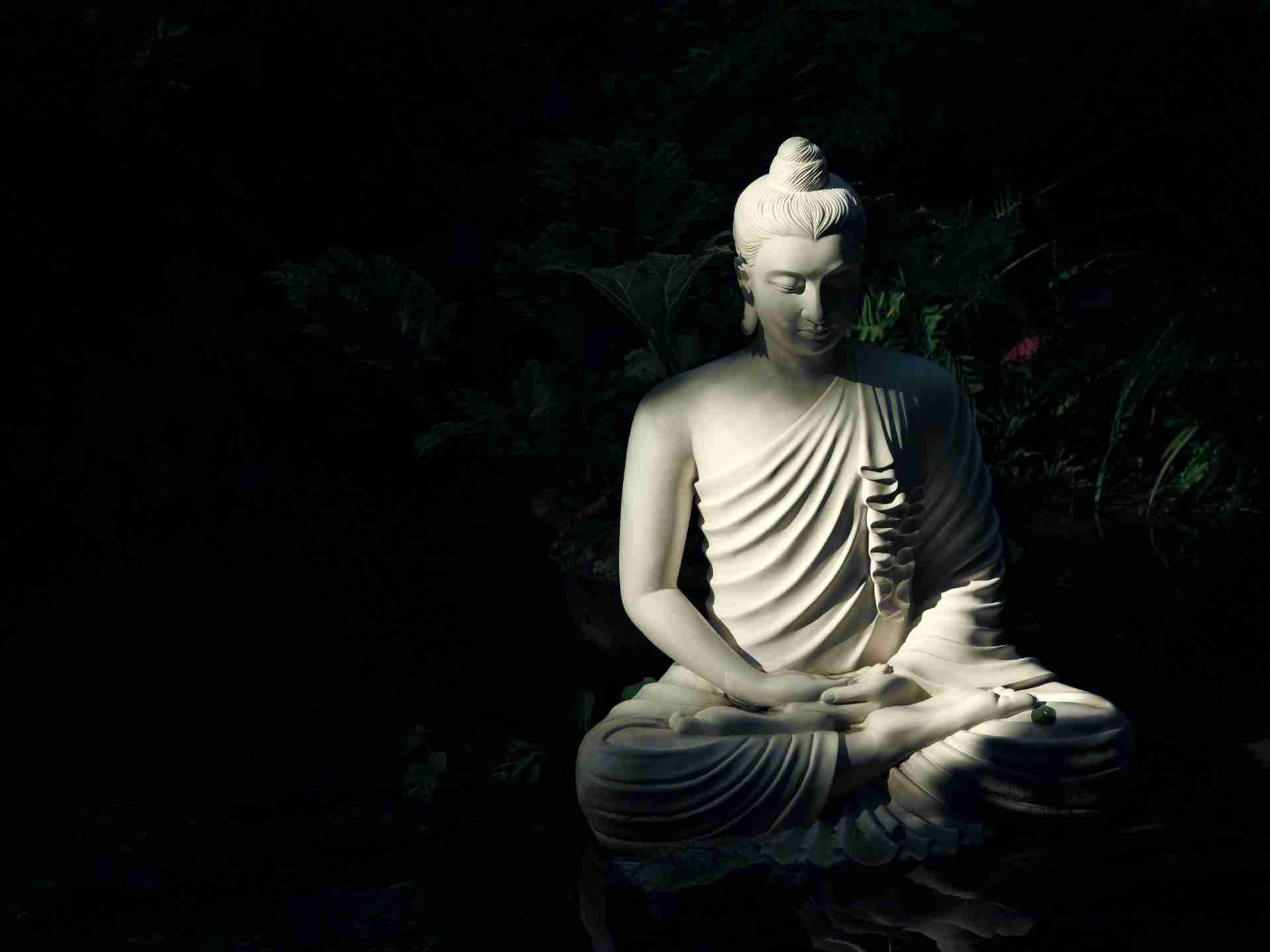
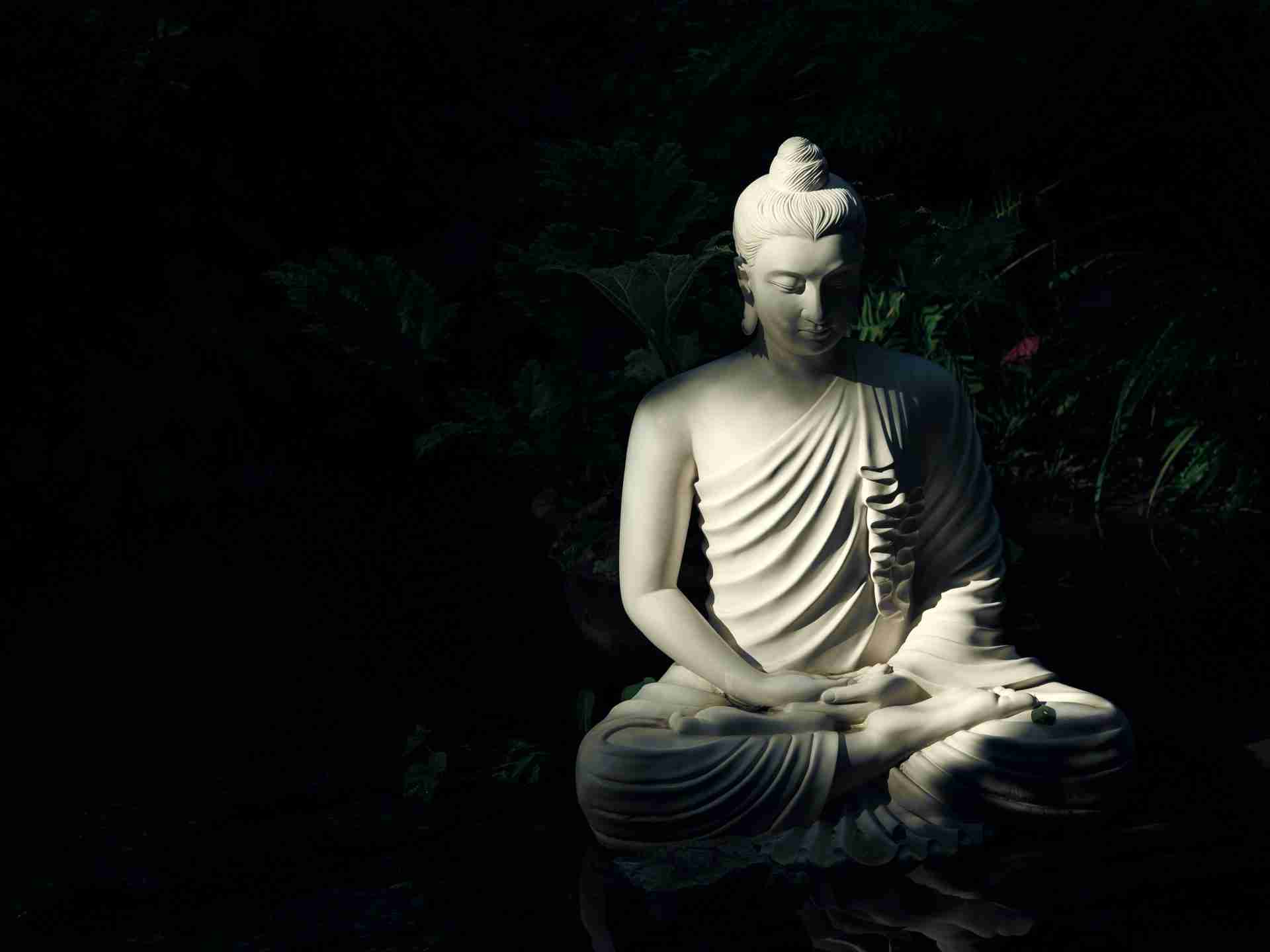
Giardino Botanico Fondazione André Heller is a compact but visually dense botanical garden tucked into the hillside above the western shore of Lake Garda. Created by artist André Heller, the garden is not arranged as a traditional formal botanical layout. Instead, it feels like a curated sequence of art where rare and exotic plants from across the world are placed alongside sculptures, reflective ponds, and small waterfalls. The paths wind deliberately, opening and closing sight lines as you move through shaded bamboo groves, subtropical plantings, and small clearings. For photographers, this creates constant compositional opportunities. The garden rewards careful observation, thoughtful framing, and attention to color details rather than wide sweeping views.
Best Photography Opportunities
• Layered Compositions With Sculptures and Foliage
One of the most compelling aspects of the garden is the placement of sculptures among dense plant life. Rather than isolating the artwork, try framing it partially through leaves or branches to create depth. A slightly longer focal length can compress foreground foliage with mid-ground sculpture and background greenery into a cohesive image. The contrast between organic shapes and structured forms adds visual tension. Soft light filtering through canopy leaves enhances texture without creating harsh highlights.
• Reflective Ponds
Several ponds within the garden provide opportunities for reflection based compositions. Calm water surfaces mirror surrounding plants, trees, and occasional sculptures. Shooting from a lower angle strengthens the reflective effect and reduces visible shoreline clutter. Polarizers can be adjusted carefully depending on whether you want to emphasize or reduce reflection. These scenes work especially well under overcast skies when reflections remain even and balanced.
• Waterfalls and Flowing Water
Small waterfalls and water features are integrated into the landscape design. Using a tripod and slower shutter speeds can soften the water's motion while keeping surrounding vegetation sharp. Because these features are compact, careful framing is important to avoid including too many competing elements. Side lighting can enhance surface texture in rocks and moss. These compositions add movement and contrast within a largely still garden environment.
• Exotic Plants
The diversity of plant species offers endless opportunities for detail work. Large leaves, unusual textures, and bold color contrasts make strong subjects for tighter framing. Overcast conditions are particularly effective for preserving color saturation without glare. Working at moderate apertures helps maintain separation between subject and background. These images can serve as visual anchors within a broader garden series.
• Winding Paths
The garden's narrow paths curve and rise gently through different sections. Positioning the path as a leading line draws the viewer into the frame and reinforces the sense of exploration. Waiting for moments when the path is clear of visitors helps maintain compositional focus. Slight elevation changes along the hillside allow you to experiment with layered foreground and background elements. These scenes feel immersive and dynamic without being overwhelming.
Best Time to Visit
Spring and early summer are generally the strongest seasons for photographing the Giardino Botanico. During this period, plant growth is vibrant, foliage is dense, and color contrast is at its peak. Early morning offers softer light and fewer visitors, which makes composing within narrow paths much easier. Because the garden is partially shaded by mature trees and hillside positioning, light remains relatively controlled even later in the morning.
Midday can work surprisingly well due to filtered canopy light, though direct sun patches may create uneven highlights. Overcast conditions are often ideal, as they maintain consistent exposure across foliage and water surfaces. Late afternoon introduces warmer tones in more open clearings, though deeper shaded sections may lose detail as light drops. Visiting outside peak tourist hours allows greater flexibility in working carefully with layered compositions.
How to Get There
The Giardino Botanico Fondazione André Heller is located in Gardone Riviera along the western shore of Lake Garda. It is easily reached on foot from the town center and is well signposted. Parking is available in designated areas nearby for those arriving by car. Entry requires an admission ticket, as it is a privately managed botanical foundation. The garden paths are well maintained but include some gentle elevation changes due to the hillside setting. Because the site is compact, you can explore it thoroughly within a few hours while still allowing time to refine compositions.
Recommended Photography Gear
A versatile standard zoom lens is ideal for shifting between environmental garden scenes and tighter sculptural compositions. A short telephoto lens works well for compressing layered foliage and isolating artwork within dense greenery. A tripod is recommended for waterfall features and low light areas under heavy canopy.
A polarizer is particularly useful in this environment, both for managing reflections on water surfaces and controlling glare on leaves. Macro capability or close focusing lenses are valuable for detailed plant studies. Since pathways are narrow and sometimes busy, keeping your kit compact and mobile allows easier repositioning between shots. Weather protection is also wise, as water features and occasional mist can affect exposed gear.
Nearby Photography Locations
This hillside estate combines monumental architecture, gardens, and panoramic lake views. It offers bold structural subjects that contrast with the intimate scale of the botanical garden.
The island features a striking villa and landscaped grounds set directly on the water. It provides broader architectural compositions framed by the lake.
• Sirmione
Known for its medieval castle and lakeside setting, Sirmione offers strong historic architecture and waterfront scenes. It expands opportunities beyond garden photography.
This lakeside town offers steep streets, terraces, and mountain backdrops. It introduces a different coastal character along the lake.
The surrounding natural park provides elevated viewpoints and rugged terrain above Lake Garda. It offers expansive landscape options that complement the controlled intimacy of the botanical garden.
Comments
Loading comments…